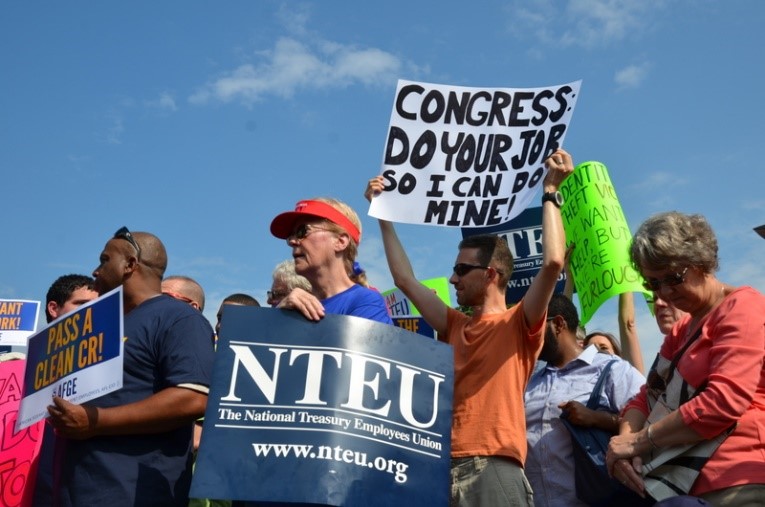
IRS Cancels Union Contract With NTEU — the Internal Revenue Service (IRS) has officially terminated its collective bargaining agreement with the National Treasury Employees Union (NTEU), a move that affects tens of thousands of federal workers and fuels ongoing legal and political battles over labor rights in the U.S. government. The decision, made by the Treasury Department under directives tied to President Donald Trump’s executive orders, removes long-standing union protections and could reshape how the IRS manages its workforce. Federal employees, union leaders, and legal experts are pushing back, arguing the IRS lacks legal authority to cancel the contract unilaterally. This development matters now because it reflects broader trends in federal labor policy and could have lasting effects on public service operations and employee protections.
Why the IRS Ended Its Union Contract
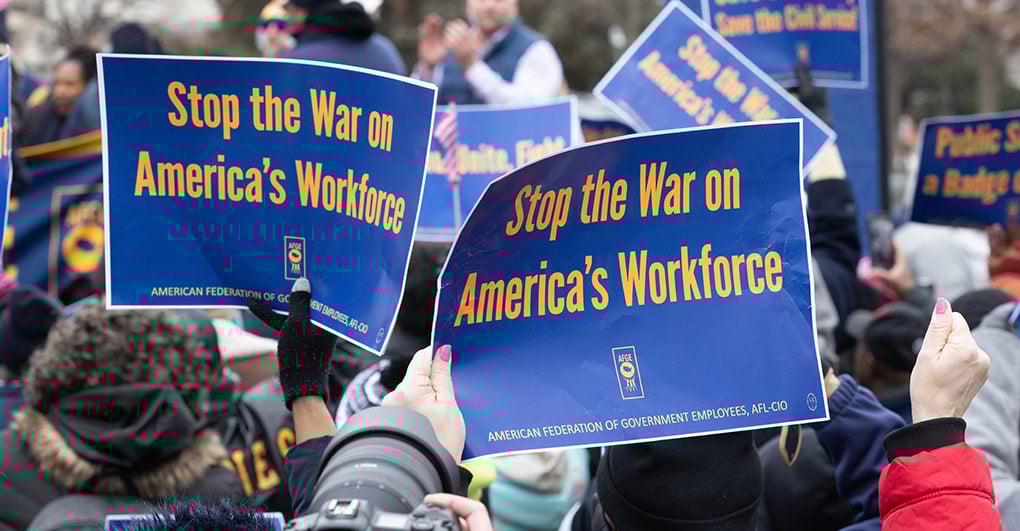
The IRS, following guidance from the Treasury Department and the Office of Personnel Management (OPM), rescinded its 2022 National Agreement and 2025 addendum with the NTEU, which represents a majority of IRS employees. This effort is part of the Trump administration’s broader initiative to eliminate collective bargaining rights for agencies deemed “essential to national security.”
IRS leadership said ending the contract allows the agency to operate as a more unified organization focused on serving taxpayers. Critics, including union leaders, contend the IRS lacks legal authority to do so without bargaining or a formal process, and that the contract remains in effect until legally altered.
This move isn’t happening in isolation — it aligns with executive orders from March and August 2025 that stripped the right to collective bargaining from over a million federal workers.
How Workers and Unions Are Responding
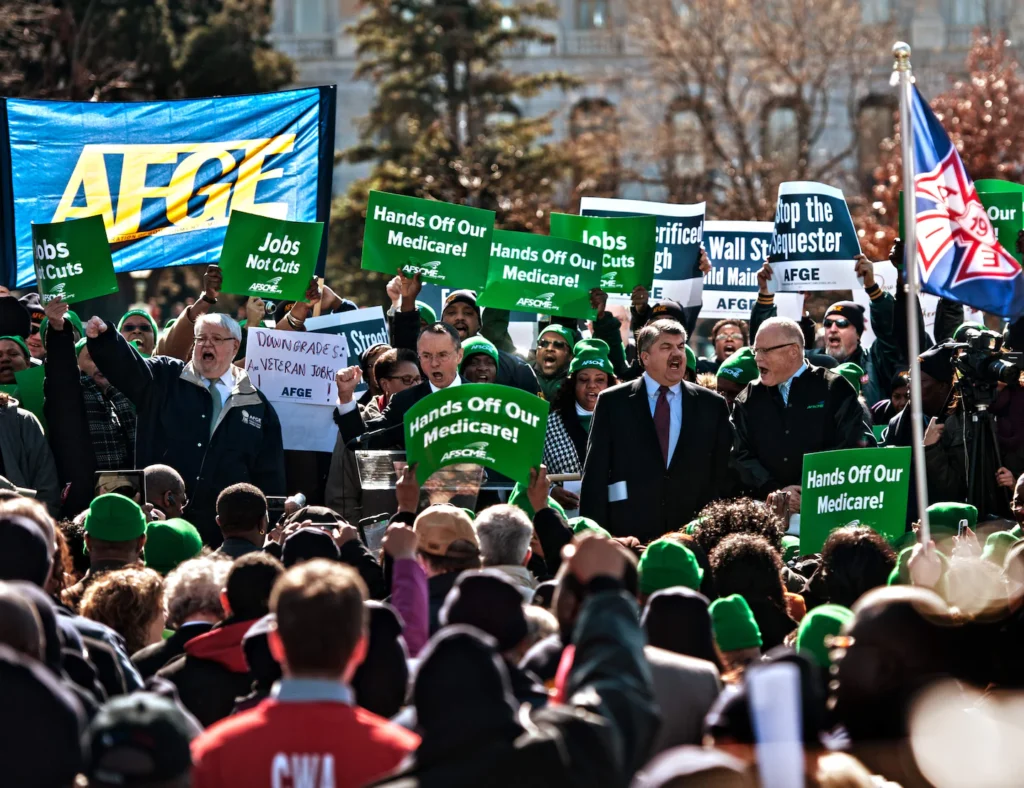
Union leaders, particularly NTEU President Doreen Greenwald, are actively disputing the IRS’s actions. They argue that the federal labor statute and existing certifications of exclusive representation mean the agency can’t simply dissolve the contract without due process and consent.
NTEU has filed grievances and continues legal challenges, emphasizing that employees still rely on union representation for workplace rights, disciplinary defenses, and fair negotiations. The union and sympathetic lawmakers see the contract cancellation as a direct attack on longstanding labor protections for federal employees.
Federal employees are also sharing their concerns online, noting uncertainty about future workplace conditions, job protections, and how representation will function without formal union contracts.
Legal Battles and Court Decisions
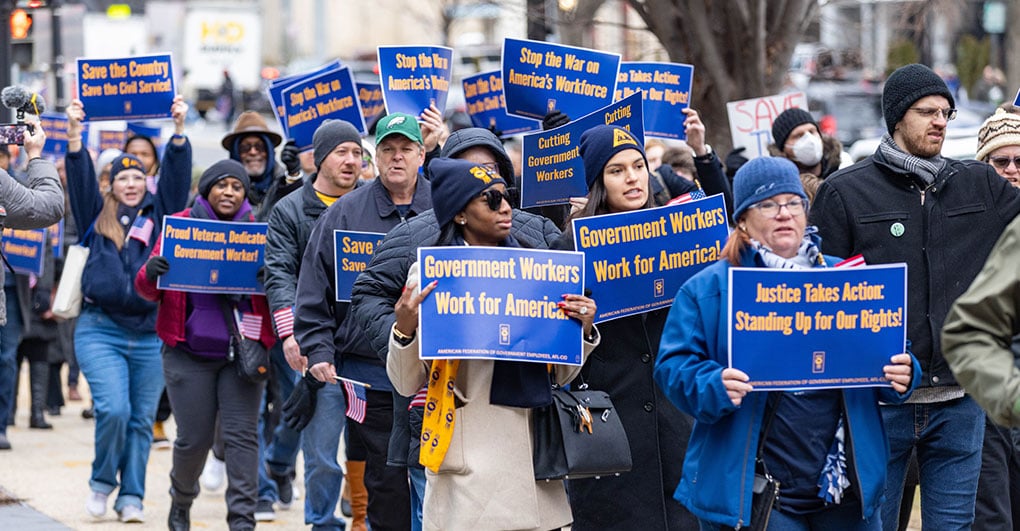
The legal status of the IRS’s actions hinges on broader litigation involving executive orders that exempt federal agencies from collective bargaining requirements. A three-judge panel of the U.S. Court of Appeals for the Ninth Circuit recently allowed these orders to be implemented by invalidating a lower court injunction, which had briefly blocked enforcement.
However, this ruling applies to the broader executive orders and doesn’t directly decide whether the IRS can cancel its specific contract with NTEU. The dispute is still active in various courts, and union leaders are exploring additional appeals and potentially en banc reviews.
Legal experts caution that future rulings could reverse or alter how agencies handle collective bargaining agreements and highlight that this case may set a precedent for federal labor relations.
What This Means for Federal Workers and Taxpayers
Ending the union contract could have wide-ranging effects on how federal employees are managed. Under the new structure, agencies may make changes to working conditions without negotiating with union representatives. This can impact everything from disciplinary procedures and employee representation to grievance processes and daily workplace rights.
For taxpayers, the immediate impact is likely limited. However, critics warn that reduced employee protections and morale issues could lead to decreased service quality at key agencies like the IRS. There are concerns that making it easier to adjust workforce conditions could lead to higher turnover, longer processing times, and potential interruptions during critical periods like tax season.
Some experts also note that shrinking the federal workforce and eliminating bargaining rights may have broader economic implications, including affecting how federal services are delivered to the public.
Why This Matters Now
This development is part of a larger shift in federal labor policy that impacts over a million government workers. With ongoing legal challenges and political debates, the outcome of this situation could redefine federal labor relations and influence future administrations’ authority over employee rights.
As court decisions evolve and more agencies potentially follow suit, federal workers across the U.S. could see significant changes in how their workplace rights are protected or limited.
What Happens Next
Union litigation continues, and future court decisions could overturn or uphold the IRS’s contract termination. Lawmakers from both parties are watching closely, and some may introduce legislation to clarify or counteract executive authority over union rights.
Federal employees are encouraged to stay informed, engage with their representatives, and follow legal developments as this case progresses.
Subscribe to trusted news sites like USnewsSphere.com for continuous updates.