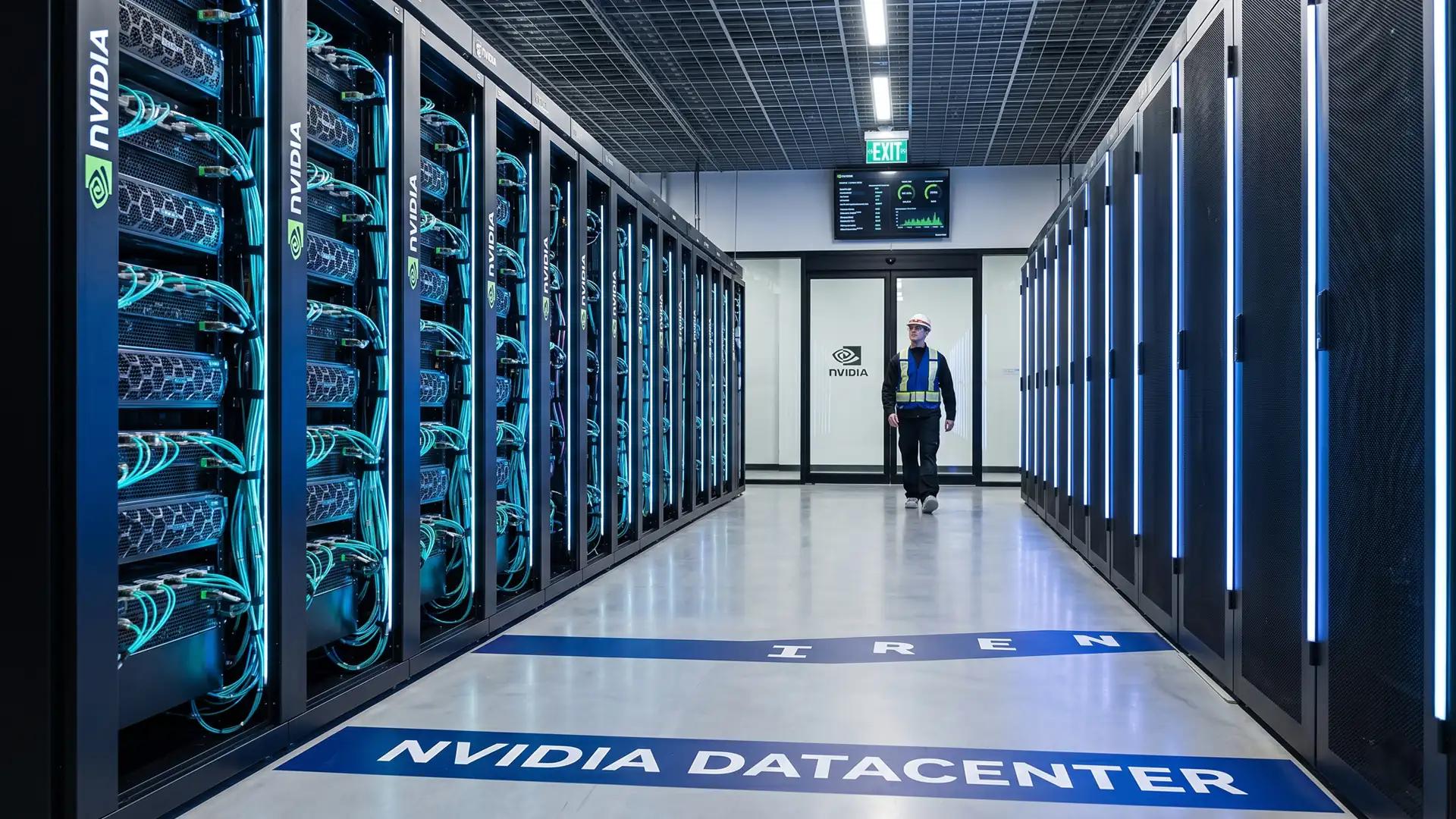
U.S. tariffs and the AI supply chain are becoming increasingly important for investors as Washington pushes to strengthen domestic semiconductor production while technology companies race to build the infrastructure needed for artificial intelligence. The latest trade measures show that the tariff story is no longer simply about imported consumer goods. It is increasingly connected to chips, semiconductor materials, advanced packaging, data centers, cloud computing and the broader competition between the United States and China.
The latest development came on August 6, when the White House announced a new 15% tariff on certain polysilicon derivatives and a minimum-import-price program designed to support U.S. production. The administration described polysilicon as strategically important to both semiconductor and solar supply chains. The additional tariff on specified products is scheduled to take effect December 4, 2026.
That matters for investors because AI hardware is not produced by one company in one country. A modern AI accelerator can involve U.S. chip designers, Asian foundries, advanced packaging facilities, memory suppliers, networking companies and enormous American data centers. A change in trade policy at any point in that chain can shift costs, bargaining power and investment toward different companies.
Why U.S. Tariffs Are Becoming an AI-Supply-Chain Story
The United States has already moved beyond a general discussion of tariffs and toward targeted semiconductor policy. In January, the administration imposed a 25% tariff on certain advanced computing chips, while creating exemptions for products used in areas including U.S. data centers, research and development, startups and other activities considered supportive of the domestic technology supply chain.
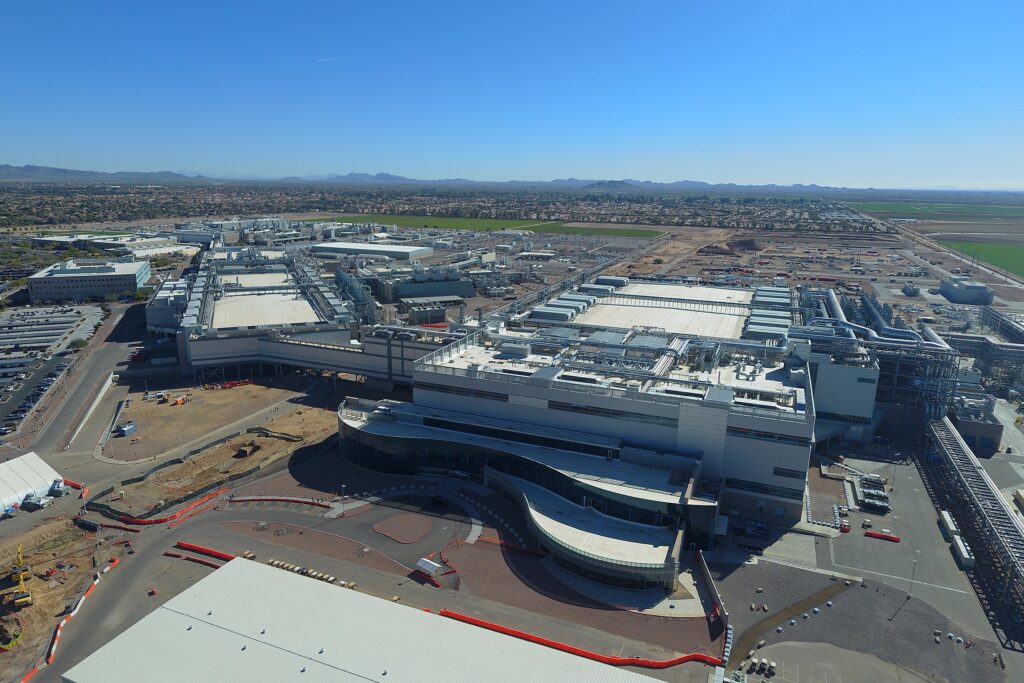
The August polysilicon decision adds another layer because polysilicon sits much earlier in the semiconductor manufacturing chain. The White House says it is the base material for semiconductors and is critical to U.S. economic and national security. The new policy also authorizes incentives for companies willing to build, expand or refurbish qualifying production facilities in the United States.
For investors, the key question is therefore not simply whether tariffs are “good” or “bad” for technology stocks. The more useful question is which companies can pass higher costs to customers, which companies can localize production, and which companies remain dependent on cross-border manufacturing.
This distinction is especially important because AI demand remains extremely strong. Nvidia reported fiscal first-quarter 2027 revenue of $81.6 billion, up 85% from a year earlier, while data-center revenue continued to drive the company’s growth. Nvidia is also scheduled to report its fiscal second-quarter results on August 26, making the timing particularly important for semiconductor investors.
Nvidia, Intel and the Potential Winners From Supply-Chain Reshoring
Nvidia (NVDA) remains one of the most important stocks to watch, but its position is more complicated than simply labeling it a tariff winner. Nvidia designs the GPUs and accelerated-computing platforms that power much of the AI boom, but it relies heavily on an international manufacturing ecosystem.
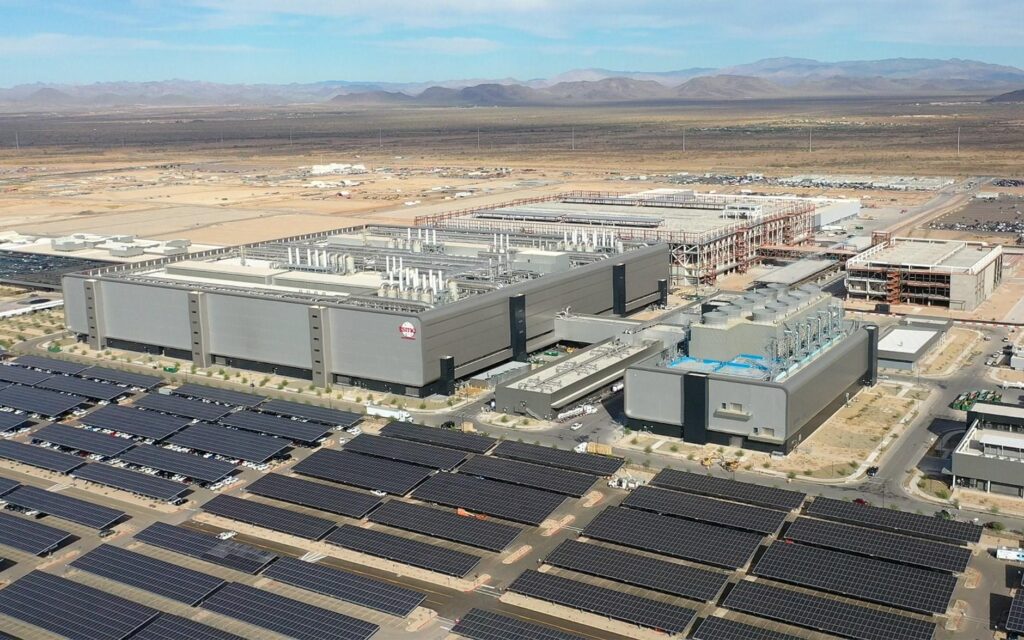
The company therefore benefits from enormous AI infrastructure spending while simultaneously facing geopolitical and supply-chain risks. Nvidia’s fiscal 2026 data-center revenue reached a record $62.3 billion in its fourth quarter, while full-year revenue reached $193.7 billion. The company has also introduced its Vera Rubin platform, with major cloud providers including Amazon Web Services, Google Cloud, Microsoft Azure and Oracle expected to deploy Rubin-based systems.
The immediate catalyst is Nvidia’s August 26 earnings report. Recent market expectations have centered on quarterly revenue of roughly $92 billion, meaning investors will be looking beyond the headline earnings number toward AI demand, China exposure, gross margins, Rubin adoption and the sustainability of hyperscaler spending.
Intel (INTC) is a different kind of potential beneficiary. If Washington continues pushing semiconductor manufacturing toward the United States, Intel’s domestic manufacturing and foundry capabilities could become strategically more valuable. Intel reported second-quarter 2026 revenue of $16.1 billion, up 25% year over year, while Intel Foundry revenue increased 31% to $5.8 billion.
Intel has also advanced its 18A process and entered high-volume manufacturing for a subset of its next-generation Core Ultra products. That gives investors a potential domestic-manufacturing angle, although Intel still faces significant execution and profitability risks.
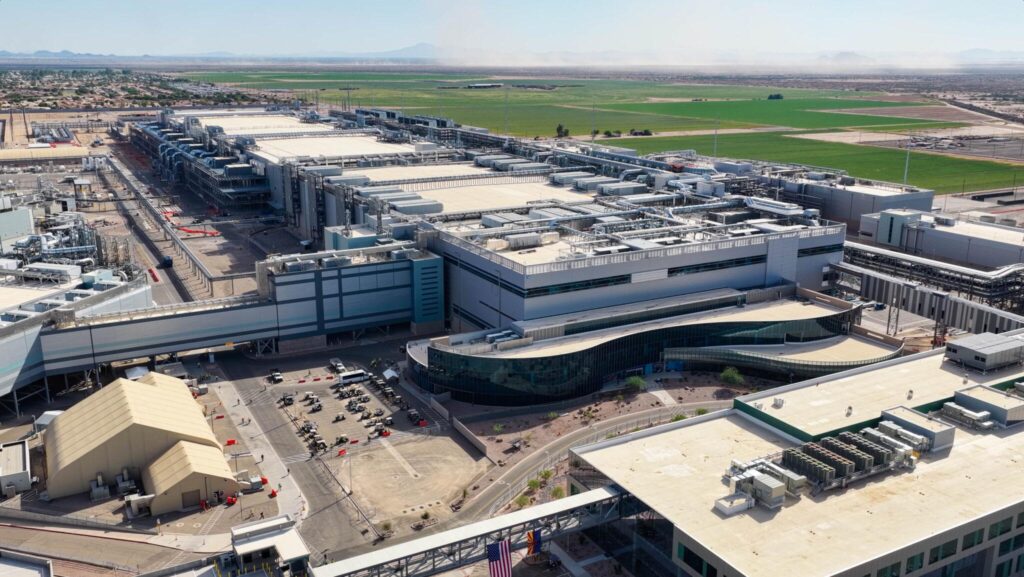
The broader beneficiary could be the U.S. semiconductor manufacturing ecosystem itself. TSMC, although headquartered in Taiwan rather than the United States, has dramatically expanded its American manufacturing commitment. In July, the company announced another $100 billion investment in Arizona, taking its total planned U.S. investment to about $265 billion.
Amazon, Apple and the Companies Exposed to Higher Costs
Tariffs can create winners among manufacturers while simultaneously creating pressure for companies that consume huge amounts of hardware. Amazon (AMZN) is a good example.
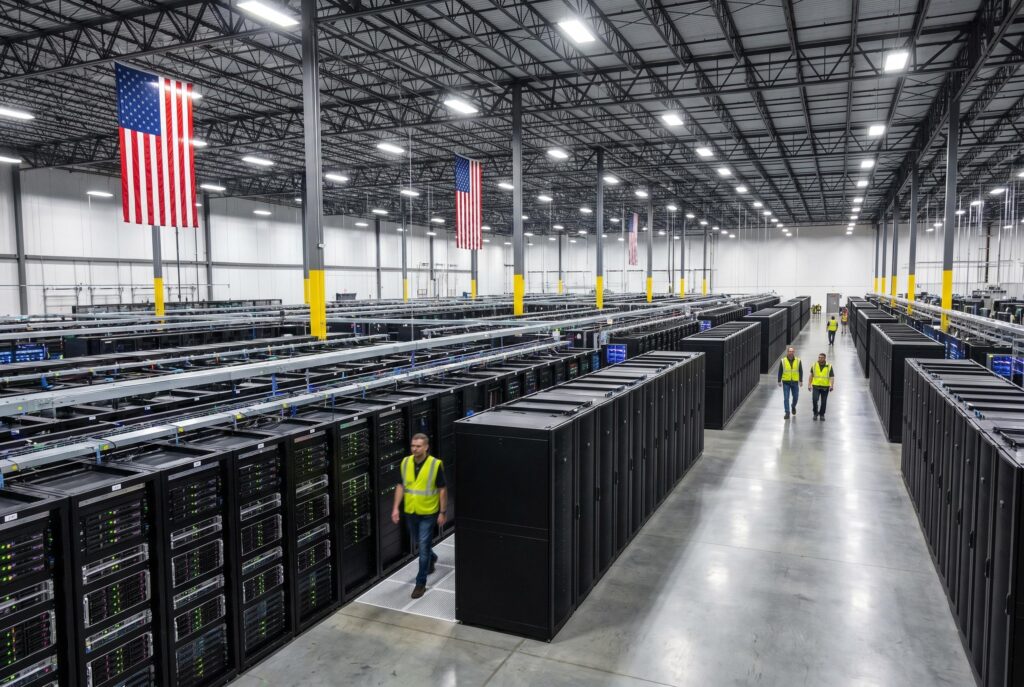
Amazon is aggressively building AI and cloud infrastructure. Recent reporting indicates that the company expects 2026 capital expenditure of approximately $220 billion, with AI and data centers among the principal drivers. AWS also reported rapid growth, highlighting the enormous investment cycle underway across cloud computing.
That creates a complicated tariff equation. Amazon may benefit from rising demand for AWS and AI services, but higher prices for servers, networking equipment, chips, memory and infrastructure components could increase the cost of expanding those facilities. A tariff exemption for certain U.S. technology-supply-chain uses could reduce some of that pressure, but investors should not assume every piece of imported AI infrastructure will receive identical treatment.
Apple (AAPL) faces a different challenge. Apple has spent years diversifying production away from China, and India is becoming increasingly important to its manufacturing strategy. Reuters reported in August that India was proposing to extend tax exemptions benefiting contract manufacturers, while Counterpoint estimates that India could account for about 26% of global iPhone production in 2026, compared with roughly 6% four years earlier.
That diversification could become strategically valuable if U.S.-China trade tensions remain elevated. It does not eliminate Apple’s exposure to global tariffs, because the company still operates an enormously complicated international supply chain. But a more geographically diversified manufacturing footprint gives Apple additional flexibility.
The bigger lesson is that tariffs can accelerate something already happening throughout technology: the shift from a lowest-cost global supply chain toward a more expensive but geographically diversified supply chain.
What This Means for You: Investor Takeaway
For investors, the most important distinction is between companies that sell the infrastructure and companies that buy the infrastructure. Semiconductor designers, foundries, advanced-packaging companies and domestic manufacturing suppliers can potentially benefit from reshoring. Cloud companies, device manufacturers and other heavy hardware buyers may face higher costs even when their long-term demand remains strong.
That does not mean investors should automatically buy Intel and sell Amazon, or buy Nvidia because tariffs supposedly protect U.S. technology. Stock performance depends on earnings, valuation, competition, capital spending, margins and expectations as well as government policy.
Nvidia is particularly interesting because the company sits at the center of both sides of the equation. It is a major beneficiary of AI infrastructure spending, yet its supply chain is global and its Chinese business is affected by U.S. export restrictions. Nvidia recently rejected a report that it planned to launch a China-specific language-processing unit, while U.S. authorities have allowed limited sales of H200 chips to selected Chinese customers.
Investors should therefore watch several indicators rather than focusing on the tariff percentage alone: semiconductor import rules, export controls, China sales, U.S. fab construction, advanced-packaging capacity, memory prices, data-center capital expenditure and companies’ gross-margin guidance.
The market is also beginning to pay closer attention to custom AI chips. Broadcom has become a major supplier to hyperscalers developing their own accelerators, while Marvell recently expanded its relationship with Google around custom AI silicon. Reuters reported that Broadcom expects AI-chip revenue to exceed $100 billion by 2027, while recent reporting described a major Google-Marvell agreement involving custom AI chips and other infrastructure components.
That suggests the tariff story may ultimately accelerate another trend: AI hardware diversification.
Future Outlook: The AI Supply Chain Could Become More American, but Not Overnight
The long-term direction is becoming clearer. Washington wants more semiconductor capacity inside the United States, while companies want supply chains that are less vulnerable to geopolitical shocks. TSMC’s Arizona expansion, Intel’s foundry strategy and new U.S. policies around semiconductor materials all point in the same direction.
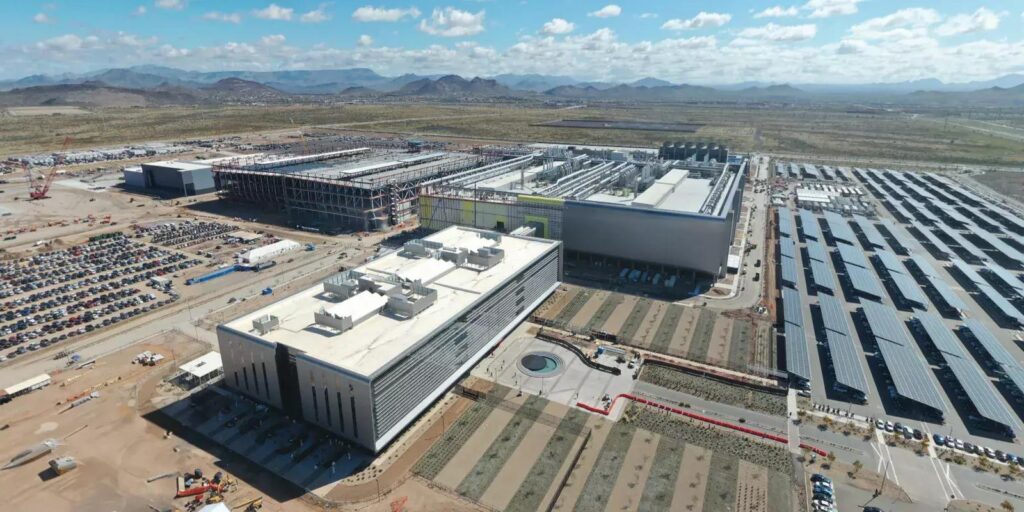
But reshoring will not happen instantly. Advanced semiconductor manufacturing requires enormous capital investment, specialized workers, sophisticated equipment and years of engineering development. Even TSMC has acknowledged physical constraints in Arizona, including construction-worker and infrastructure limitations.
Advanced packaging is another major bottleneck. A CNBC investigation highlighted how AI chips manufactured in the United States can still depend on overseas advanced-packaging capacity, illustrating why simply moving wafer production to America does not automatically create a completely domestic AI supply chain.
This is one of the most important points for investors. The U.S. could build more fabs and still depend on foreign companies for equipment, packaging, memory, specialty chemicals and other components. The eventual winners may therefore be companies positioned at multiple critical stages of the chain rather than companies exposed to only one manufacturing step.
Over the next several years, investors should watch whether tariff policy actually creates economically competitive domestic capacity or merely increases the cost of imported technology. If U.S. production becomes more efficient and scalable, companies such as Intel and domestic semiconductor suppliers could benefit substantially. If costs rise faster than domestic capacity can replace imports, companies that rely heavily on imported hardware could face margin pressure.
The AI boom itself remains the central variable. If hyperscalers continue spending at extraordinary levels, the semiconductor ecosystem may absorb higher costs more easily. Amazon’s enormous AI infrastructure program, Nvidia’s next-generation Rubin platform, TSMC’s expanded Arizona plans and the growing custom-chip market all indicate that the demand side remains powerful.
The Bottom Line
U.S. tariffs and the AI supply chain are increasingly becoming the same investment story. The policy objective is clear: reduce strategic dependence on foreign manufacturing, strengthen domestic semiconductor capacity and make the technology ecosystem more resilient.
For investors, however, the outcome will not be uniform.
Potential beneficiaries include domestic semiconductor manufacturers, foundries, advanced-packaging businesses and companies positioned to supply the U.S. technology buildout. Potential pressure points include businesses that depend heavily on imported hardware, globally fragmented manufacturing or access to restricted Chinese markets.
Nvidia remains the central AI bellwether, Intel represents a more direct U.S.-manufacturing opportunity, Amazon provides a view into the enormous cost of AI infrastructure, and Apple illustrates how multinational companies are adapting their manufacturing footprints. TSMC’s growing U.S. commitment shows that the transition is not simply about American companies—it is about building a broader semiconductor ecosystem inside the United States.
For investors, the smartest approach is to follow the money rather than the headlines: who is building fabs, who is buying chips, who controls packaging capacity, who can pass costs to customers and who has the strongest exposure to the next wave of AI infrastructure spending?
Those questions may ultimately matter more to stock prices than any single tariff announcement.
Subscribe to trusted news sites like USnewsSphere.com for continuous updates.