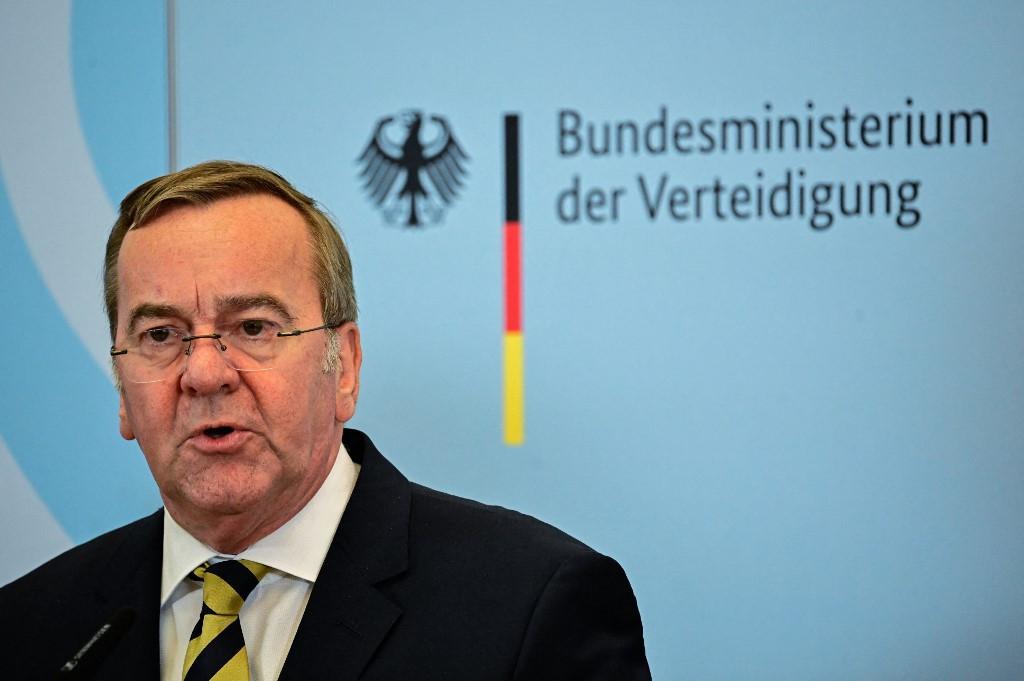
AfD ban calls are gaining fresh attention in Germany after Defense Minister Boris Pistorius and Baden-Württemberg Minister-President Cem Özdemir argued that proceedings should be started against parts of the Alternative for Germany, or AfD. Their intervention came just days before the September 6 election in Saxony-Anhalt, where the party has been polling above 40% and is seeking a historic breakthrough. The proposal does not mean the AfD has been banned or that a court has ordered a ban. Any prohibition would ultimately have to be decided by Germany’s Federal Constitutional Court.
Why German Officials Are Calling for Action
Pistorius, a Social Democrat, and Özdemir, a Green politician, argued in a guest article that Germany should move toward a constitutional ban proceeding focused particularly on AfD state organizations in Thuringia, Saxony, Saxony-Anhalt and Brandenburg. They described those regional branches as especially nationalist and argued that the evidence should be examined through Germany’s constitutional process rather than left only to normal political competition.

The proposal is politically significant because the AfD has continued to attract strong support, particularly in eastern Germany. The debate therefore involves a difficult question: whether a democratic system should respond to a powerful extremist party through elections and political competition alone, or use the exceptional constitutional mechanism designed to protect Germany’s democratic order.
Why This Matters Now
The timing is closely tied to the Saxony-Anhalt election taking place on September 6. Recent polling has placed the AfD above 40%, substantially ahead of Chancellor Friedrich Merz’s CDU in the state. A strong result could put the party in position to seek its first state government role in postwar Germany, although winning the largest vote share would not automatically guarantee that it can form a government.
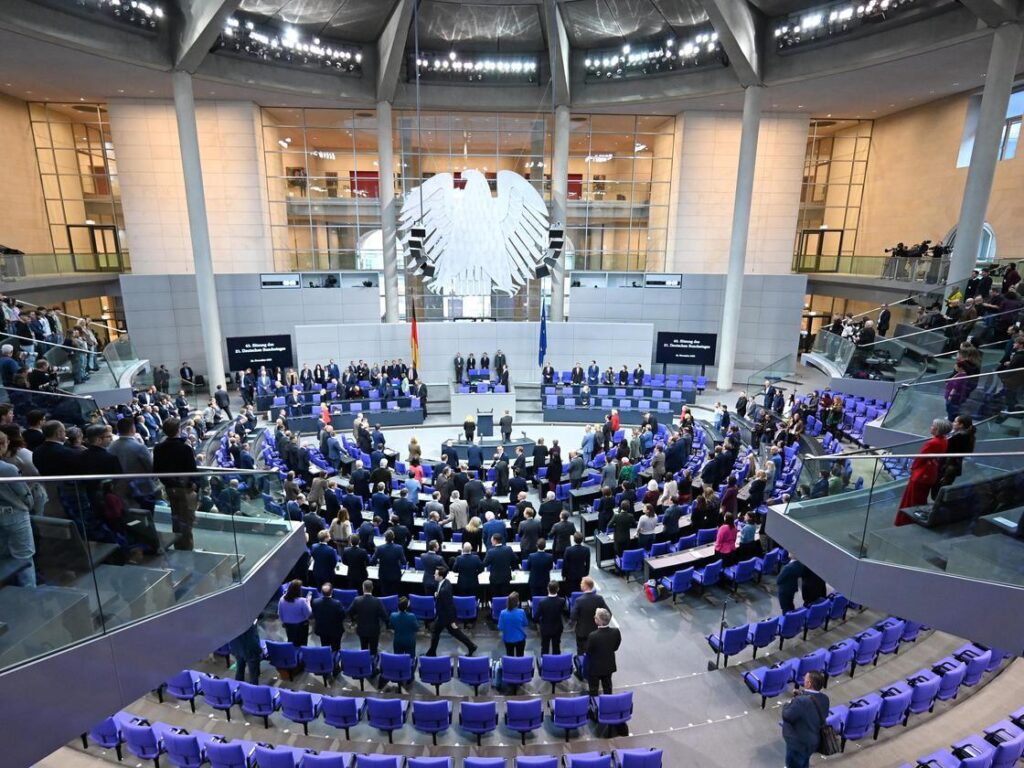
Germany’s established political parties have maintained a so-called firewall against cooperation with the AfD. That creates a complicated situation if the party wins without an outright parliamentary majority. Whether smaller parties clear the 5% threshold could determine how many seats are available to parties opposed to an AfD-led government.
What German Law Says About an AfD Ban
A political party cannot simply be prohibited by a government minister or by an ordinary parliamentary vote. Article 21 of Germany’s Basic Law says parties that seek to undermine or abolish the country’s free democratic basic order can be considered unconstitutional, while the Federal Constitutional Court has the authority to make that determination.

German constitutional law also sets a high bar. The court says that merely expressing anti-constitutional ideas is not enough. There must be evidence of an actively aggressive effort against the free democratic basic order, together with concrete indications that the party could actually achieve its anti-constitutional objectives. Applications can be submitted by the Bundestag, Bundesrat or federal government.
The AfD Ban Debate Has Been Building for Years
The latest demand is not the beginning of Germany’s AfD prohibition debate. Bundestag members previously introduced proposals seeking a constitutional examination of the party, with supporters arguing that evidence concerning the party’s activities should be assembled carefully before any formal application reaches Karlsruhe. The Bundestag has therefore already debated whether the constitutional route should be pursued.
At the same time, the AfD has rejected calls for prohibition and portrayed them as an attack on political competition. The party has continued participating in elections and parliamentary politics. Germany’s domestic intelligence authorities and courts have separately been involved in disputes over the party’s classification and surveillance, making the legal background particularly important when assessing claims about a potential ban.
What an AfD Ban Could Mean for Germany
If a prohibition application were formally filed, it would not produce an immediate ban. The Federal Constitutional Court would first examine whether the case could proceed and would then assess the evidence under constitutional standards. If the court ultimately found the party unconstitutional, German law provides for dissolution and restrictions on creating replacement organizations, with the court also able to address party assets.
The political consequences could be enormous even before a final judgment. The AfD’s electoral strength means that any attempt to prohibit it would affect millions of voters and could intensify arguments about representation, democracy and the limits of Germany’s constitutional protections. That is why the issue is likely to remain controversial regardless of what happens in Saxony-Anhalt.
The Bigger Test for Germany’s Political System
The immediate focus is the Saxony-Anhalt vote, but the consequences could extend far beyond one eastern German state. Reuters reports that an AfD breakthrough could challenge the country’s long-standing political firewall and become an important signal ahead of future state elections and the 2029 federal election. Chancellor Friedrich Merz has also warned that an AfD-led state government could discourage foreign investment, adding an economic dimension to the political debate.
For now, the most important distinction is between calls for an AfD ban and an actual legal prohibition. Pistorius and Özdemir are advocating a constitutional process; they have not themselves banned the party. The final authority rests with Germany’s constitutional institutions, while voters continue to determine the party’s electoral strength. As Saxony-Anhalt votes on September 6, the result could provide an important new test of how Germany responds to the AfD’s growing influence.
Subscribe to trusted news sites like USnewsSphere.com for continuous updates.