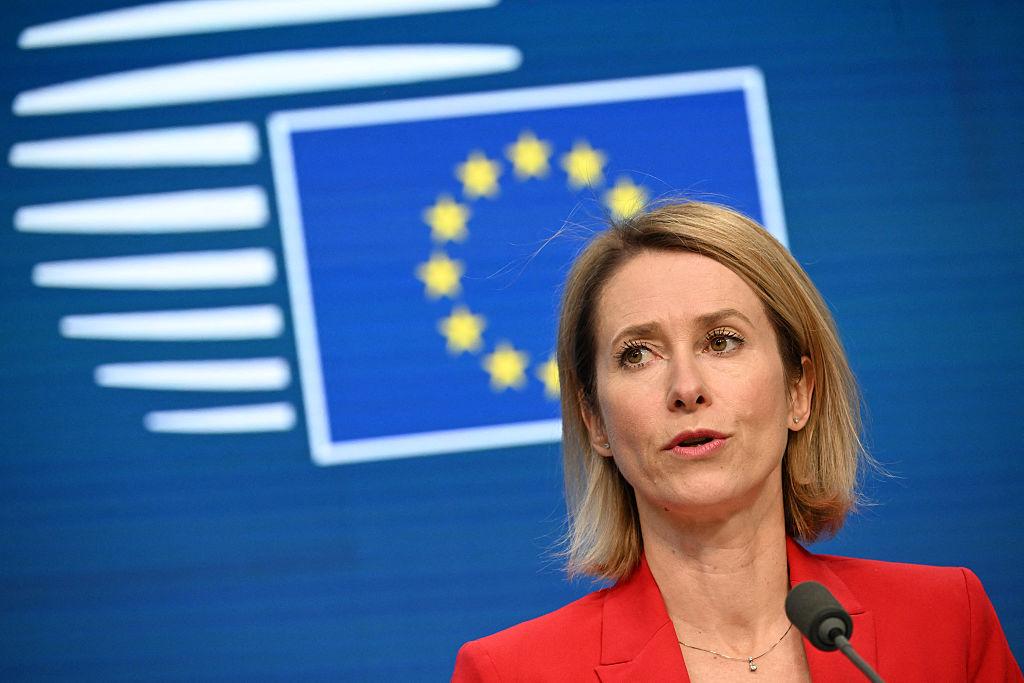
11 EU countries are pushing for major changes to the European Union’s foreign policy decision-making system, arguing that individual governments should not be able to repeatedly block action by the wider bloc. Austria, Belgium, Denmark, Finland, France, Germany, Luxembourg, the Netherlands, Romania, Spain and Sweden have backed a joint initiative urging the EU to reduce the impact of national vetoes and examine ways to use qualified-majority voting in foreign and security policy. The proposal comes as Europe faces a more unstable geopolitical environment and growing pressure to respond quickly to international crises.
The issue is bigger than a technical change to EU voting rules. Who controls foreign-policy decisions, what voting system should be used, why governments want reform and what impact it could have on smaller EU countries are now at the center of a wider debate in Brussels. The 11 governments are not calling for consensus to disappear altogether. Instead, they argue that consensus should produce joint action rather than allow one government to prevent the other 26 from moving forward.
EU Foreign Policy Vetoes Face New Pressure
The 11 governments sent a document to EU foreign policy chief Kaja Kallas and other member states outlining principles for dealing with what they view as excessive or obstructive use of veto power. The initiative is being led in large part by Germany, with France and several other major European governments among the signatories. The document argues that the EU needs to be capable of using its combined political, economic and diplomatic influence more effectively as international competition and instability increase.
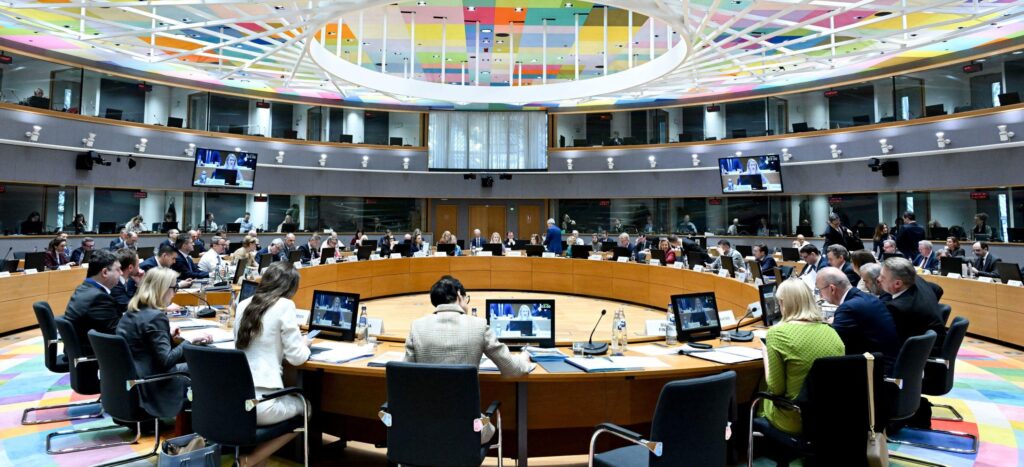
The timing is important because EU foreign policy normally operates under unanimity. That means a single member state can prevent the bloc from adopting a common position in areas where unanimous agreement is required. For supporters of reform, that can create a serious problem when Europe needs to respond quickly to sanctions, wars, security threats or diplomatic disputes. Kaja Kallas herself has previously argued that unanimity can prevent the EU from acting at what she called the “speed of relevance.”
Why This Matters Now
Why this matters now: Europe is trying to operate in a geopolitical environment where decisions can have immediate consequences. The EU is dealing with the continuing war in Ukraine, tensions surrounding the Middle East, relations with major global powers and growing pressure to strengthen its own strategic capacity. Supporters of reform say an institution that requires every government to agree can struggle when national interests diverge sharply.
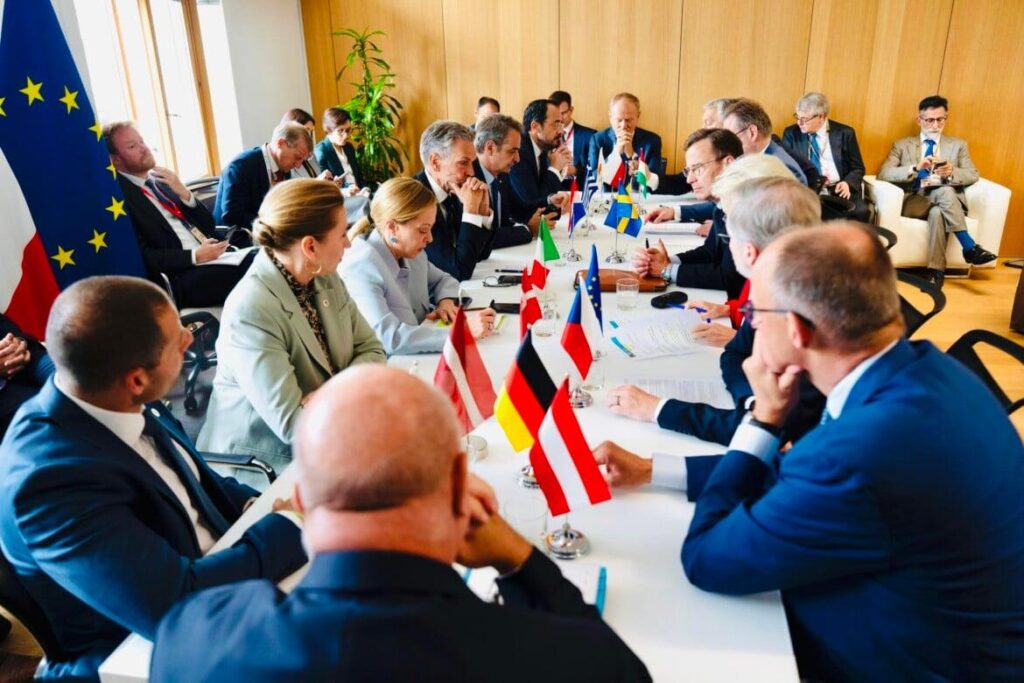
Recent events have highlighted the problem. The Euronews report points to Hungary’s previous use of its veto under Viktor Orbán, including a major dispute surrounding a proposed €90 billion EU loan for Ukraine. Other recent disagreements have also shown how difficult it can be for the EU to produce a unified foreign-policy response when governments have different priorities. The wider debate therefore concerns not only Hungary or any individual government but whether the current system remains effective for a 27-country bloc facing increasingly complicated international challenges.
What the 11 EU Countries Are Proposing
The coalition has put forward five broad principles. They want governments to respect the EU principle of sincere cooperation and solidarity, make greater use of constructive abstentions, avoid connecting foreign-policy decisions with unrelated national disputes, examine treaty-based options for qualified-majority voting and provide detailed reasons when invoking vital national interests against a decision.
Constructive abstention could become particularly important. Under that approach, a government can decline to participate in a decision without necessarily preventing the rest of the EU from proceeding, where the treaties allow it. The 11 countries also want objections to be clearly explained so governments have an opportunity to discuss the underlying concern instead of turning every disagreement into a complete blockage. Their proposal is therefore broader than simply replacing unanimity with another voting system. It is also an attempt to change how EU governments use the rules that already exist.
Qualified-Majority Voting Could Change EU Decision-Making
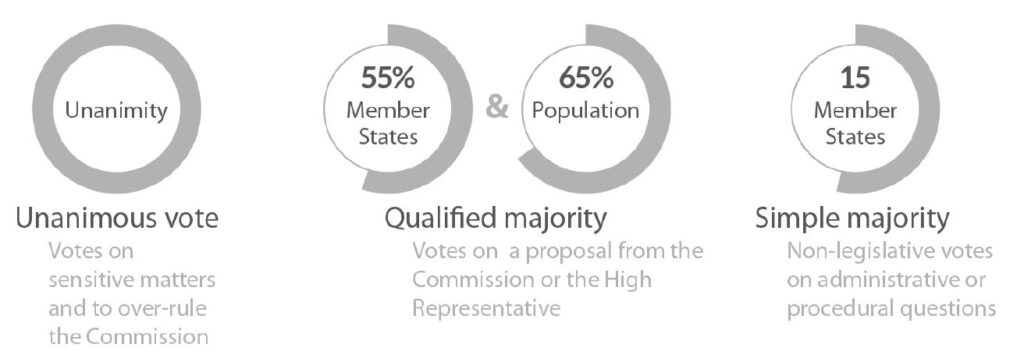
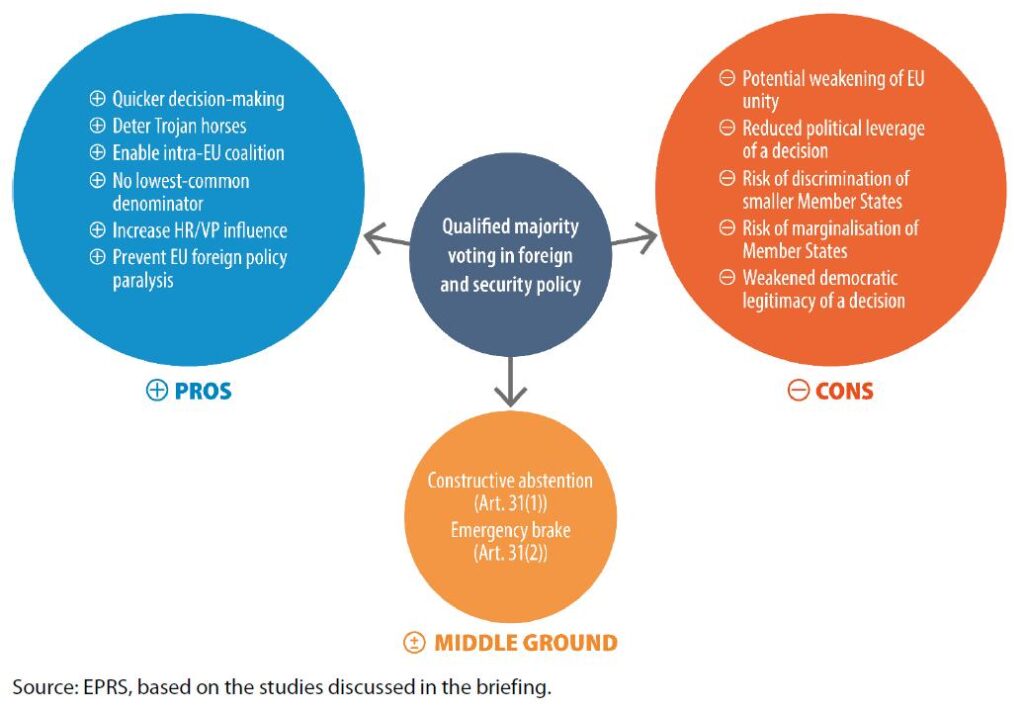
One of the most significant ideas is exploring a move from unanimity toward qualified-majority voting for some foreign-policy decisions. Under qualified-majority voting, a proposal does not necessarily need the support of every EU government. Instead, it can pass when the treaty-defined majority requirements are satisfied. Supporters believe this could make EU decision-making faster and reduce the ability of one government to hold the entire bloc hostage during contentious negotiations.
However, changing the system is far from simple. EU treaties already contain mechanisms that can allow certain areas to move from unanimity to qualified-majority voting. The so-called passerelle provision for the Common Foreign and Security Policy is contained in Article 31(3) of the Treaty on European Union. The major difficulty is that activating such a mechanism itself involves unanimity, creating the political Catch-22 at the heart of the debate.
Smaller EU Countries Warn About Losing Their Veto
The reform campaign also faces a fundamental political objection: national vetoes can protect smaller countries from decisions they consider damaging to their interests. Governments that oppose changing the current system can argue that unanimity gives every member state a meaningful safeguard, regardless of its population or economic size. That concern is particularly important for countries with distinctive foreign-policy positions or constitutional and security considerations.
Not all EU governments have joined the initiative. The Baltic states did not sign the document, while the proposal was circulated to the other member states, including Ireland, Italy, Poland, Portugal, Greece, Hungary, Slovakia and others. Irish opposition has already emerged publicly, with Sinn Féin MEP Lynn Boylan arguing that abandoning unanimity could affect Ireland’s ability to maintain an independent foreign-policy position and neutrality.
What Happens Next for EU Foreign Policy
The immediate question is whether the 11-country initiative can turn political pressure into an agreement among all 27 EU governments. The proposal is expected to be part of the broader discussion among foreign ministers, but a change to the underlying decision-making system would require much more than support from the 11 signatories. Governments that depend on unanimity as a national safeguard will have strong reasons to resist any reform they believe could reduce their influence.
The debate could nevertheless become one of the most important institutional questions facing the EU. Germany and France have already discussed broader changes to the role of the EU’s foreign-policy leadership, while Kallas has repeatedly highlighted the practical difficulties created by unanimity. If governments can agree on wider use of constructive abstentions, clearer rules for national objections and limited use of qualified-majority voting, the EU could gain greater flexibility without immediately abandoning consensus across the entire foreign-policy system.
For now, the 11-country initiative should be viewed as the beginning of a political fight rather than an immediate change in EU law. The current unanimity framework remains in place, and the most difficult part of the reform process may be persuading countries that value their veto power to support a system that could ultimately reduce it.
The larger question is straightforward: Can the European Union remain united while making decisions quickly enough to respond to a rapidly changing world? The answer could shape how Europe handles future crises, sanctions, security decisions and diplomatic challenges. The coming discussions among EU governments will show whether the latest push becomes another Brussels debate or the starting point for a significant change in how the bloc conducts foreign policy.
Subscribe to trusted news sites like USnewsSphere.com for continuous updates.