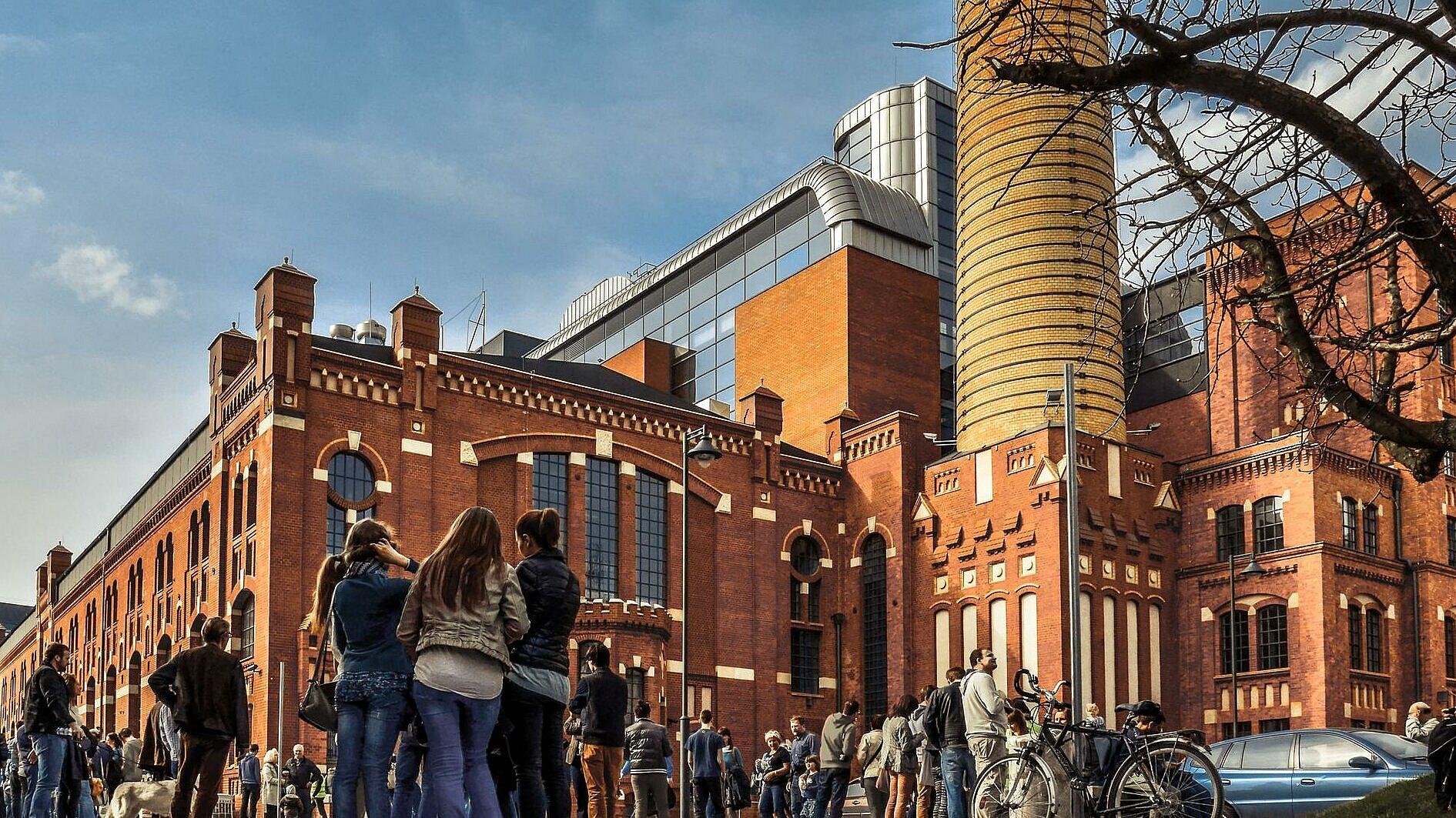
Poland’s What the FEJK program is launching a nationwide effort to help students recognize fake news, deepfakes and digitally manipulated media as artificial intelligence makes convincing misinformation easier to produce and share. The program, run by the National Centre for Film Culture in Łódź, is aimed at students in grades IV–VIII and secondary schools and is scheduled to operate through 2028.
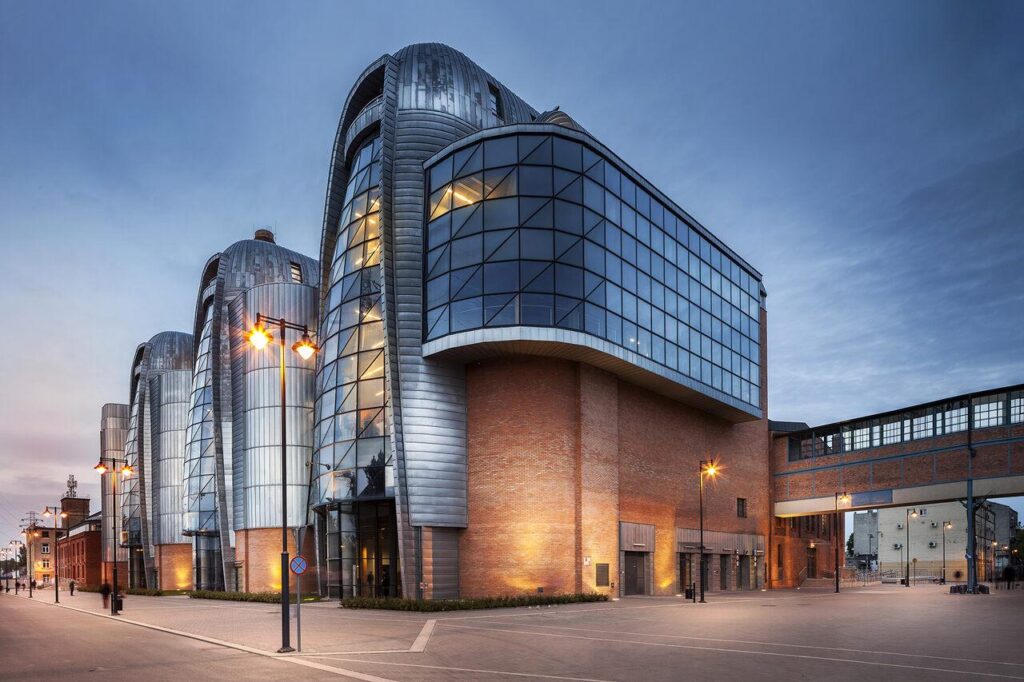
The initiative is significant because it does not simply tell young people which information to trust. Instead, students will learn how to investigate sources, examine context and understand how editing, sound, images, narration and AI can change the meaning of a message. The first activities are scheduled to begin at EC1 Łódź on September 17, 2026, with the wider project designed to reach students from across Poland.
Why This Matters Now as AI Changes the Information Landscape
The rapid development of generative AI has changed the challenge facing anyone trying to determine whether online content is authentic. A fabricated video, altered recording or AI-generated voice can now look and sound convincing without requiring the kind of technical expertise that was once necessary. Poland’s government-backed program is responding by putting media literacy and verification skills at the center of its approach.
The timing is also notable because the program is being introduced as Polish schools place greater emphasis on media education. The Education Ministry has stressed the importance of teaching students to verify information, use independent sources and understand how news is produced before accepting or sharing it. That makes the initiative broader than simply learning how to identify a visible AI artifact; it is about developing habits of critical thinking.
What the What the FEJK Program Will Teach Students
The program is designed for students in grades IV–VIII of primary schools and for secondary-school students. Participants will learn to investigate who created a piece of content, where the information originated, what evidence supports it and whether the original material tells the same story as a reposted or edited version.
The lessons also go beyond traditional fact-checking. Students will examine how camera framing, editing, music, narration and context can influence what an audience believes. The workshops are expected to cover issues including AI-generated content, voice and face cloning, virtual reality and other techniques that can alter audiovisual material. The goal is to make students more capable of questioning suspicious content rather than automatically accepting or rejecting it.
Three Ways Polish Students Will Learn to Spot Manipulation
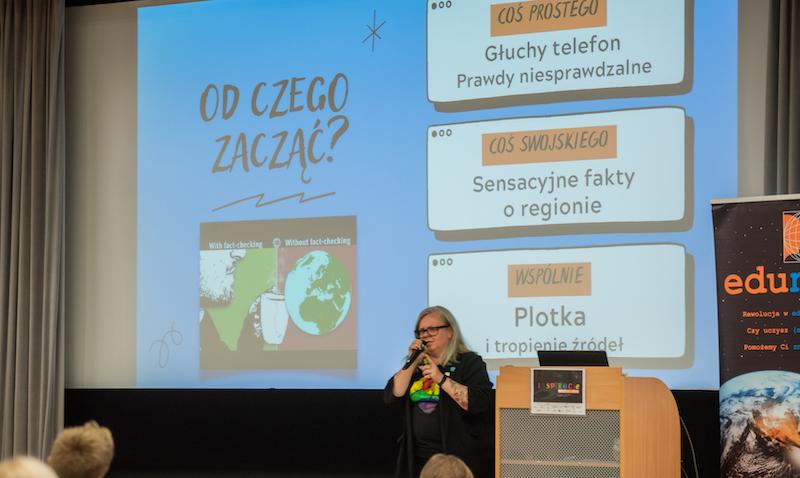
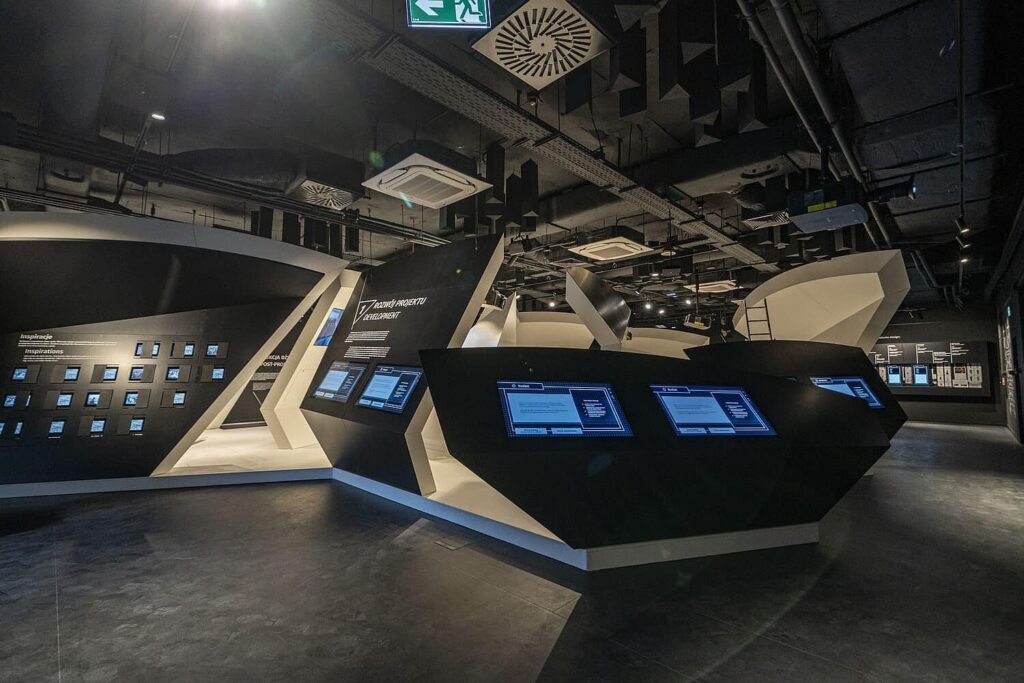
What the FEJK TALKS combines an introduction to disinformation with a film screening and moderated discussion. According to the program’s official information, sessions can last between 90 and 150 minutes and are adapted for different age groups. What the FEJK CLASS adds historical context through the permanent “Kino Polonia” exhibition, where students can explore subjects such as propaganda, censorship and the construction of media messages.

The most hands-on component is What the FEJK LAB. Students can work in professional production environments and examine how images and sounds are created and altered. The 2026 pilot includes animation, sound, special-effects/VR and television studios, while an AI post-production studio is planned as a new format during the program’s development in 2027.
Poland’s Investment and the Scale of the Program
The financial commitment gives the initiative a scale beyond a small media-literacy campaign. EC1 Łódź says the total value of the project is 13.135 million Polish złoty, including 11.88 million złoty for current expenditure under a three-year 2026–2028 agreement and additional investment funding. The Polish Ministry of Culture and National Heritage is providing the funding from the state budget.
The planned reach is also substantial. A statement from Poland’s Sejm said 75,000 student places were prepared for the first school year, from September 2026 through June 2027. Separate information published by the city of Łódź says approximately 250,000 students could benefit from the program over roughly 2.5 years. These figures indicate that the project is intended to become a significant nationwide media-literacy effort rather than a one-off workshop.
What the Program Could Mean for Students, Parents and Teachers
One of the most important features of What the FEJK is its practical approach. Instead of treating misinformation as an abstract topic, students can see how a media message is constructed and how relatively small changes can affect an audience’s interpretation. That can help make concepts such as context, source verification, manipulation and deepfakes easier to understand.
The program may also have value beyond the classroom. Students frequently encounter news through social networks, messaging platforms, video services and AI-powered tools, where information can move faster than traditional fact-checking. Teaching young people to pause, investigate the original source and compare independent evidence could therefore help them make better decisions when they encounter questionable content online. The program’s stated purpose is not to dictate what students should believe, but to give them tools for evaluating information themselves.
The Bigger Question: Can Media Literacy Keep Pace With AI?
The launch of What the FEJK highlights a challenge that is likely to extend well beyond Poland. As generative AI becomes more capable, detecting manipulation solely by looking for obvious visual mistakes may become less reliable. Education therefore has to include broader verification skills: checking provenance, finding primary material, comparing credible sources and asking whether a claim has independent evidence behind it. Poland’s program is built around several of those principles.
Why this matters now: the information environment is changing quickly, and young people are growing up surrounded by content that can be produced, edited and redistributed almost instantly. What the FEJK represents an attempt to make skepticism and verification practical skills rather than occasional reactions to viral misinformation. Its longer-term success will depend on participation, the quality of instruction and whether students carry those habits into everyday online life. For now, Poland is putting substantial public resources behind the idea that understanding how media is made can make people harder to deceive.
Subscribe to trusted news sites like USnewsSphere.com for continuous updates.
Research sources checked
Official What the FEJK program — EC1 Łódź
Polish Ministry of Culture announcement
Polish Ministry of Education — media education