Why Croatia Is Protesting Over Toxic Waste
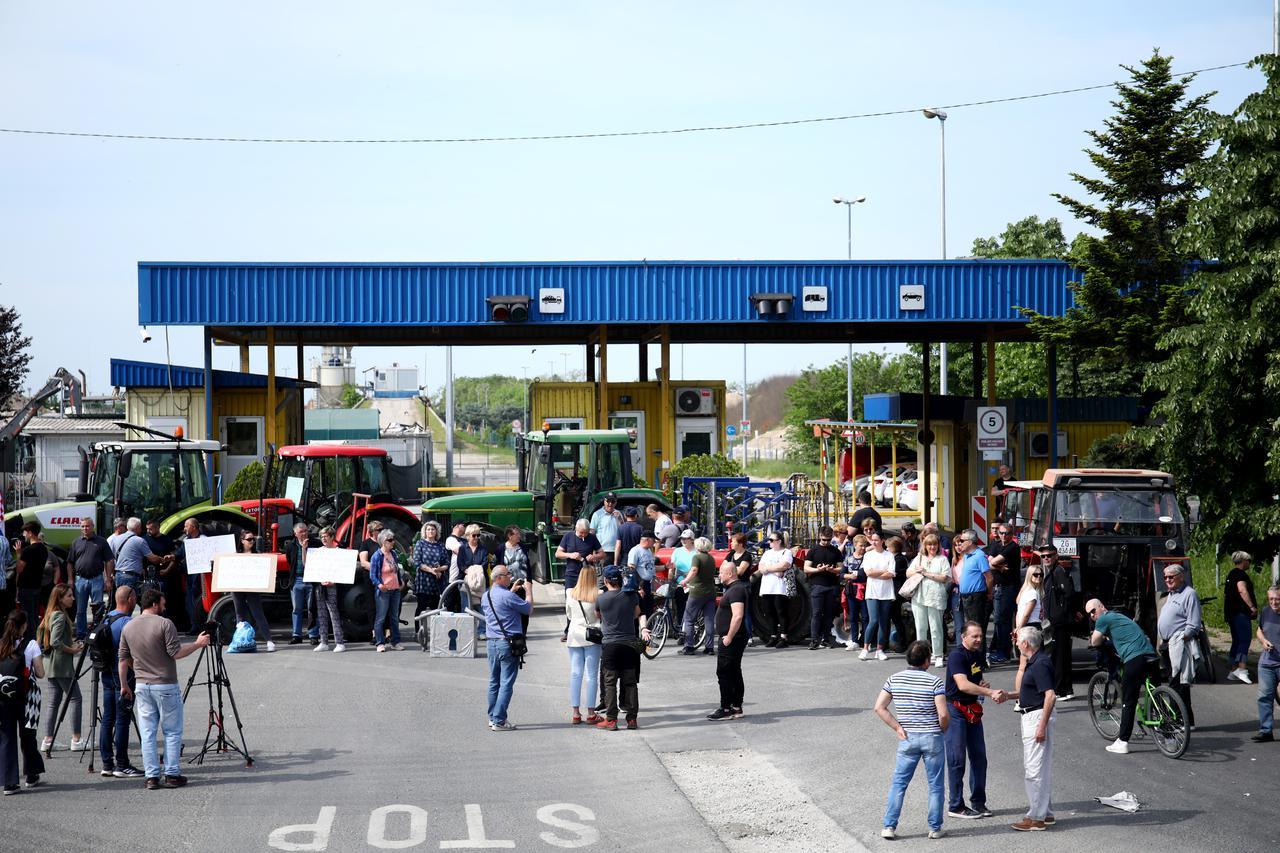
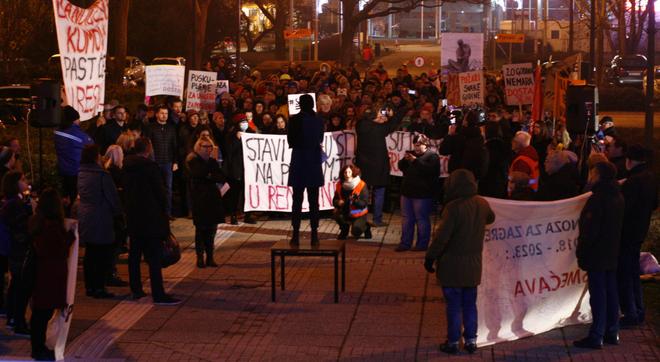
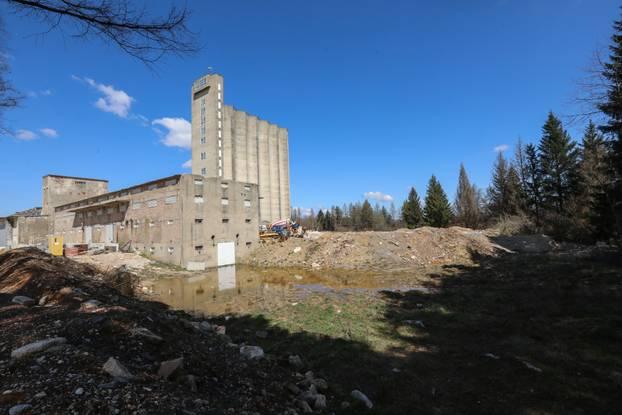
Croatia toxic waste protest drew tens of thousands of people into Zagreb on September 5 as demonstrators demanded urgent action over a massive illegal waste site near Gospić. The dispute centers on roughly 37,000 metric tons of mixed industrial and hazardous material found at an abandoned industrial complex, while investigators have linked a wider Croatian waste-trafficking case to at least 35,000 tons brought from Italy, Slovenia and Germany. The waste has raised concerns about soil and groundwater contamination, while authorities say public drinking water in the Gospić area remains safe based on available testing.
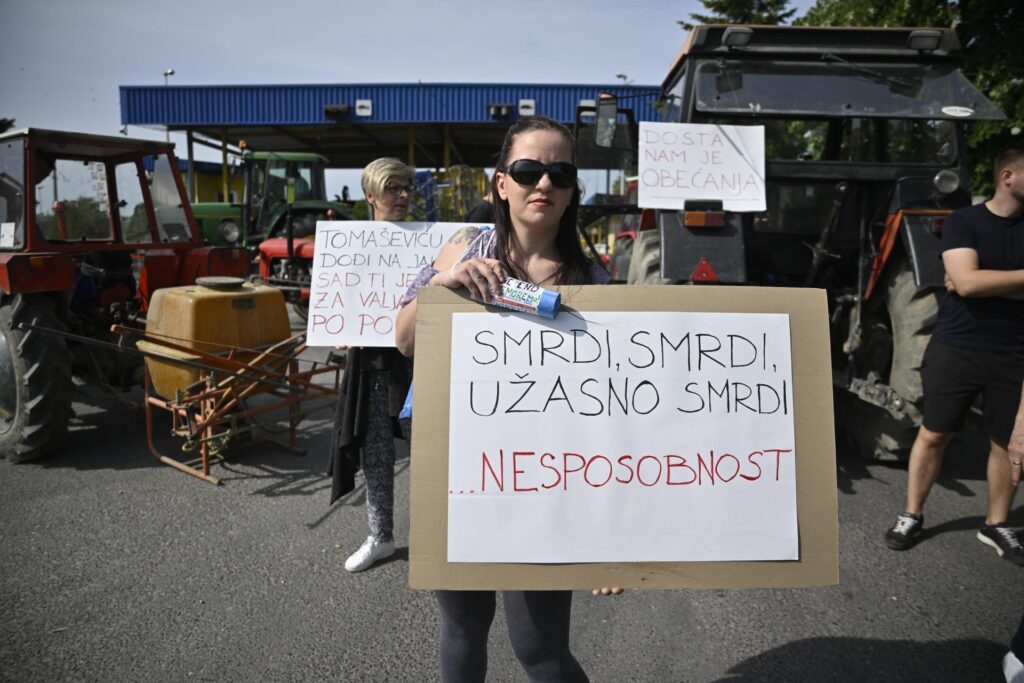
The protest has become more than an environmental dispute. It now involves questions about government oversight, illegal international waste shipments, possible criminal activity and how quickly authorities can protect a region known for its natural environment. Demonstrators are calling for faster cleanup, stronger controls on waste imports and greater accountability.
What Happened at the Gospić Waste Site
The Gospić case emerged from a broader investigation into suspected illegal waste trafficking. In February 2025, Croatian authorities arrested 13 people with support from Europol. Investigators said the network allegedly moved hazardous waste from Italy, Slovenia and Germany into Croatia while using documentation that falsely presented some material as recyclable plastic. Europol estimated that at least 35,000 tons were illegally dumped at several Croatian locations and that the suspected operation generated at least €4 million in illegal profit.
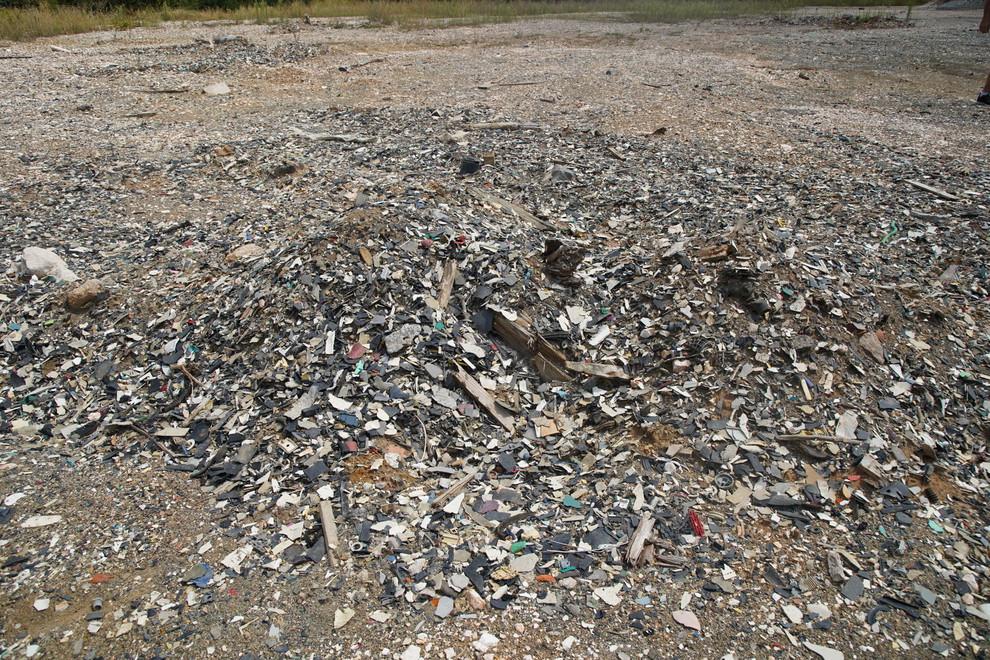
The Gospić site has become the central focus of public concern because experts have estimated that approximately 37,000 tons of mixed waste are present there alone. The material reportedly includes remnants associated with electronic and electrical processing, plastics, construction and mineral materials, as well as medical waste. Croatian environmental investigations have also identified hazardous characteristics in samples from the site, adding urgency to the cleanup debate.
Why the Environmental Risk Matters
The concern is not simply the size of the waste pile. Investigations have identified chemical contamination around the Gospić site, while an expert report published in August found so-called PFAS, often called “forever chemicals,” in groundwater downstream from the landfill. Testing has also identified elevated concentrations of certain metals in affected areas. These findings have intensified concerns about what could happen if contaminants migrate farther through soil or water.
The geography of the region adds another layer to the issue. Environmental experts have warned that Croatia’s karst landscape can make pollution particularly difficult to contain because water can move through underground geological systems. That does not mean contamination has reached the Adriatic Sea, but it explains why environmental groups are demanding preventive action rather than waiting for a larger pollution event to occur.
What the Croatian Government Says
The Croatian government has rejected suggestions that it is ignoring the problem. Prime Minister Andrej Plenković visited Gospić on September 2 and said remediation was moving into a new phase. Government officials said a contractor had been selected to cover the site and another decision had been made concerning waste stored in bags. Officials also said further procedures were being prepared for removing the much larger quantity of buried material.
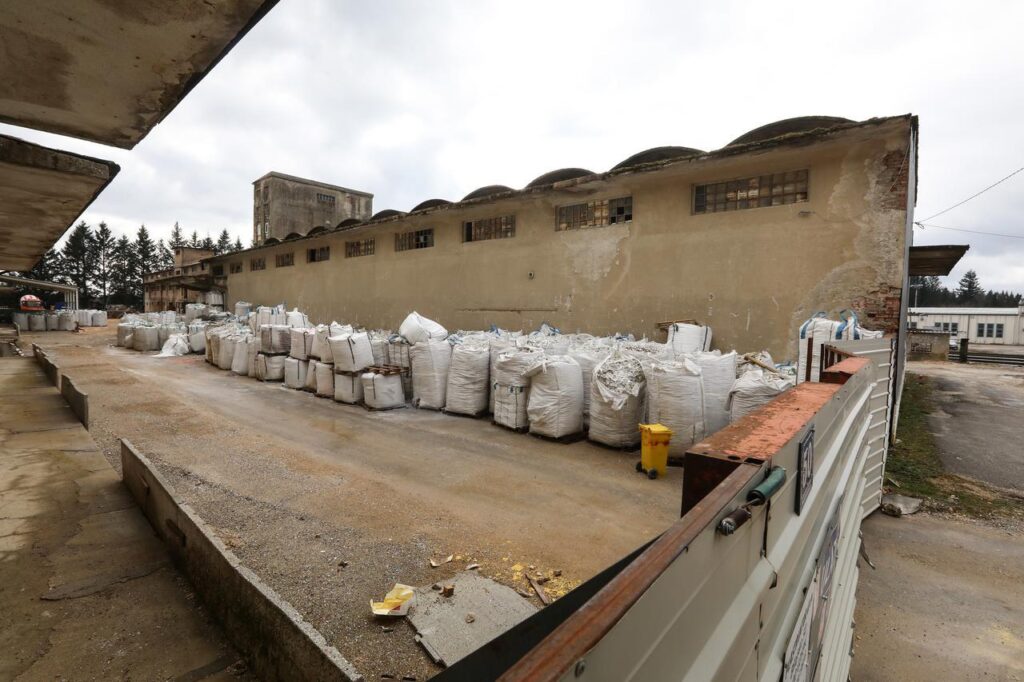
The government has also emphasized that testing so far has not shown a reason for concern about public drinking water in the Gospić area. At the same time, officials acknowledge the need to remove the waste and prevent further environmental risks. The government said the buried material could enter a new removal process within weeks, while the interim covering of the site is intended to reduce the possibility of water moving through the contaminated area.
Why This Matters Now
The timing of the Zagreb demonstration is significant because the government had begun announcing concrete remediation steps just days before the protest. Instead of calming public anger, those announcements highlighted the gap between promises and the amount of work still ahead. Protesters have demanded clearer deadlines and faster action, arguing that a problem involving tens of thousands of tons of potentially hazardous material cannot be treated as a routine waste-management project.
The case also matters beyond Croatia because it demonstrates how illegal waste trafficking can cross national borders. Europol said the suspected network exploited legitimate companies and transport infrastructure while using false documentation to reduce disposal costs. The investigation therefore raises wider European questions about how hazardous waste is tracked, transported and verified when it crosses borders.
What Happens Next in Croatia
The immediate challenge is removing the waste safely while preventing additional contamination. Authorities must deal with material stored above ground as well as the much larger quantity believed to be buried. The government’s current plan includes covering the site, removing bagged material and progressing through separate procedures for the remaining buried waste. The speed and transparency of those steps will likely determine whether public confidence improves.
For residents and environmental groups, the ultimate test will be measurable progress rather than announcements. They want the illegal waste removed, contaminated areas monitored and the people responsible held accountable. The investigation into the suspected waste-trafficking network remains an important part of that process, while the environmental response will determine how much long-term damage can be prevented. The September 5 protest showed that the issue has developed into a major national environmental and political controversy.
Subscribe to trusted news sites like USnewsSphere.com for continuous updates.