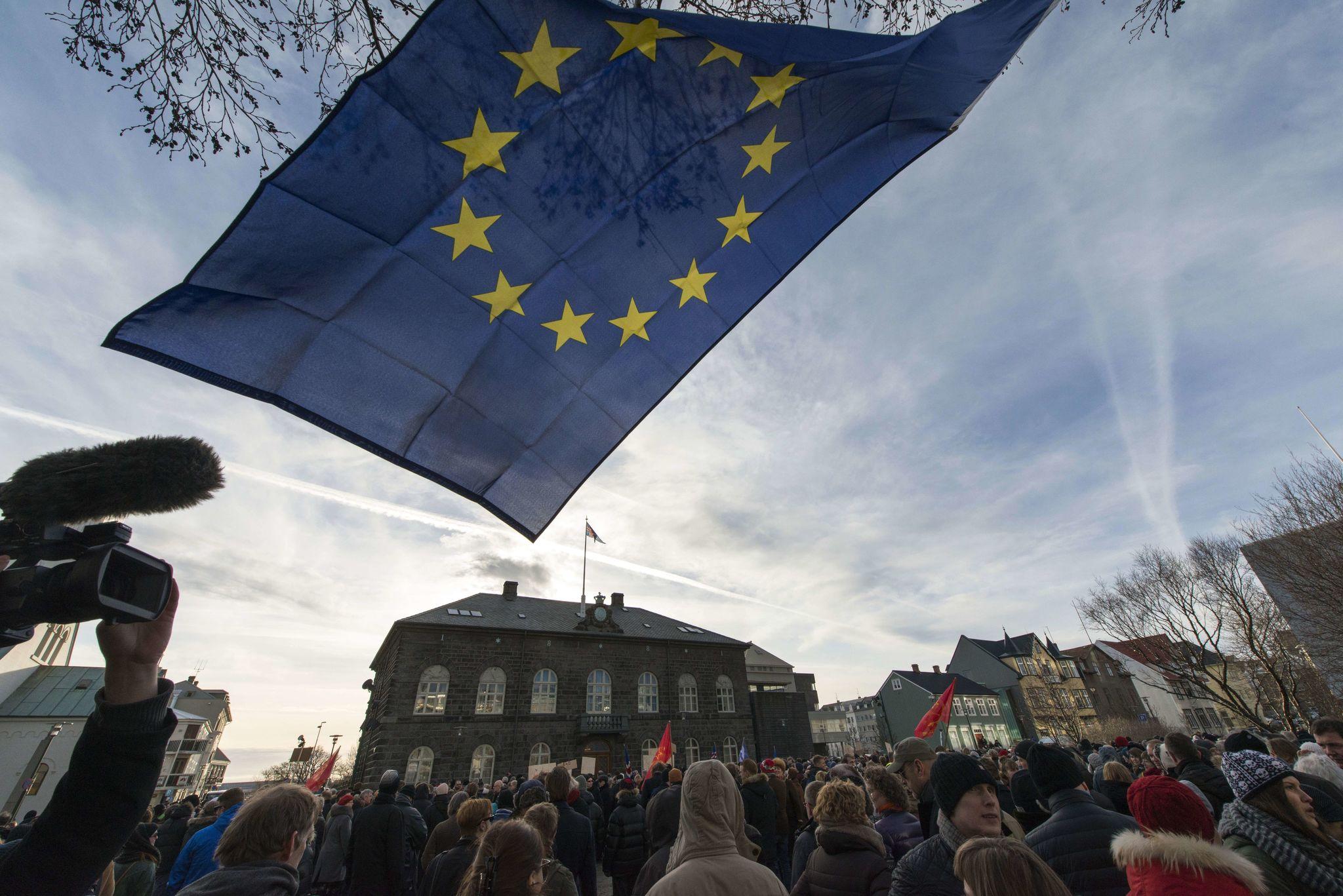
Iceland EU membership talks have been rejected by voters after a closely contested national referendum on whether the country should reopen negotiations with the European Union. Final results reported by Iceland’s public broadcaster showed 52.8% voting No and 47.2% voting Yes, with turnout reaching about 82.5%. The vote was held on August 29, 2026, and the result means Iceland will not immediately restart its suspended EU accession process. The decision was driven by concerns about fishing rights, national sovereignty and economic independence, while supporters argued that closer EU integration could improve economic stability and strengthen Iceland’s position in an increasingly uncertain Arctic and European security environment.
The result is significant beyond Iceland because the country is already deeply connected to Europe without being an EU member. Iceland participates in the European Economic Area (EEA) and the Schengen area, giving it extensive access to Europe’s single market and free movement arrangements. The referendum therefore was not simply a vote on closer European cooperation; it was a decision about whether Iceland should take the next step toward full political membership and potentially accept EU rules in areas that have traditionally remained under national control.
Why This Matters Now
The referendum comes at a time when Iceland’s strategic importance has grown because of rising geopolitical tensions in the Arctic and uncertainty surrounding European security. Supporters of reopening EU negotiations argued that membership could give Iceland a stronger voice in European decision-making while potentially providing greater economic and political stability. The debate also unfolded against the backdrop of the war in Ukraine and heightened international attention on the Arctic, including controversial U.S. statements concerning nearby Greenland.

For Iceland’s government, the vote had been presented as a particularly important opportunity to settle a question that has remained unresolved for years. Prime Minister Kristrún Frostadóttir had described the proposal as a “now or never” moment and indicated that a rejection would remove EU membership speculation from the government’s political agenda during her current mandate. The narrow result, however, also demonstrates that nearly half of voters wanted negotiations to resume, meaning the European question has not disappeared from Icelandic public debate even though the immediate political path toward membership has been blocked.
What Iceland’s Voters Actually Rejected
One important detail is that voters were not deciding whether Iceland should immediately become an EU member. The referendum asked whether Iceland should resume accession negotiations with the European Union. According to the Icelandic government’s official explanation, a Yes vote would only have restarted negotiations. If those negotiations had eventually produced an agreement, Icelanders would have faced another referendum on whether to actually join the EU.
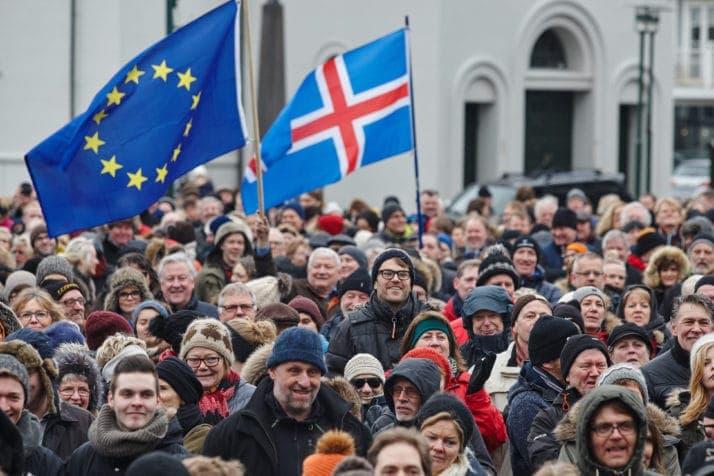
That distinction matters because the vote was effectively about reopening a negotiating process rather than accepting a completed membership package. Iceland originally applied to join the EU in 2009, during the aftermath of the global financial crisis, and negotiations took place from roughly 2010 to 2013. A Eurosceptic government subsequently halted the process, but Iceland’s application was never formally withdrawn. The 2026 referendum therefore attempted to answer whether that dormant application should once again become an active political project.
Why Fishing Became the Biggest Issue
Fishing was one of the most powerful arguments behind the No campaign. Iceland’s fishing industry is economically important and closely tied to the country’s national identity. Reuters reported that fisheries account for around 15% of Iceland’s GDP and 40% of export revenue, helping explain why many voters were reluctant to risk changes to the country’s existing system. Rural communities and fishing interests were particularly concerned about what EU membership could mean for Iceland’s control over its waters.

The concern is connected to a major difference between Iceland’s current relationship with Europe and full EU membership. Iceland’s participation in the EEA gives it extensive access to the European single market, but agriculture and fisheries are outside the core EEA framework. Iceland currently maintains its own fisheries system rather than participating in the EU’s Common Fisheries Policy. EU rules would therefore have become a major negotiating issue if accession talks had resumed.
The Economic Argument for and Against EU Membership
Supporters of reopening negotiations focused heavily on Iceland’s economic challenges. They argued that EU membership could offer greater economic stability and potentially make the adoption of the euro an option in the future. Iceland has experienced periods of high inflation and relatively high interest rates, making monetary stability an important part of the debate. Supporters also argued that being part of the EU could give Iceland greater influence over rules that already affect its economy through the EEA framework.
Opponents, however, questioned whether full membership would actually solve Iceland’s economic problems. From their perspective, Iceland already enjoys substantial access to European markets through the EEA while retaining greater independence over sensitive sectors such as fisheries. The European Commission says the EU accounted for 53.6% of Iceland’s goods trade in 2025 and represented 66.5% of Iceland’s exports, illustrating just how closely the Icelandic economy is already connected to Europe without full EU membership.
What Happens to Iceland’s Relationship With Europe Now
The referendum does not mean Iceland is turning away from Europe. The country remains part of the European Economic Area, the European Free Trade Association and the Schengen free-travel area. Those arrangements will continue to shape Iceland’s trade, movement of people and economic relationship with EU countries. In practical terms, Iceland will remain highly integrated with Europe even though voters rejected reopening formal membership negotiations.
Prime Minister Frostadottir has indicated that Iceland will continue strengthening its relationship with the EEA following the vote. That could mean a renewed focus on maximizing the benefits of existing European arrangements rather than pursuing full membership. The EU and Iceland are also already cooperating in areas such as fisheries, marine research, Arctic policy and ocean governance. In April 2026, the European Commission said both sides were advancing cooperation under a fisheries and ocean memorandum agreed in 2025.
What the Iceland Vote Means for Europe and the Arctic
For the European Union, the result is a setback at a time when Brussels has an interest in demonstrating that European integration remains attractive. Iceland is a wealthy, stable European country that already applies many EU-related rules through the EEA, so its potential accession was viewed as comparatively straightforward compared with some other candidate countries. A renewed Icelandic application could also have provided the EU with a stronger presence in the strategically important North Atlantic and Arctic region.
For Iceland, however, the referendum sends a different message: voters preferred to maintain the country’s existing European relationship while protecting national control over fisheries and other sensitive issues. The 5.6-point gap between No and Yes was large enough to decide the referendum but small enough to reveal a deeply divided electorate. With more than four in five eligible voters participating, the result carries substantial political weight. For now, Iceland’s path is clear: closer cooperation with Europe without reopening formal EU accession negotiations.
Subscribe to trusted news sites like USnewsSphere.com for continuous updates.