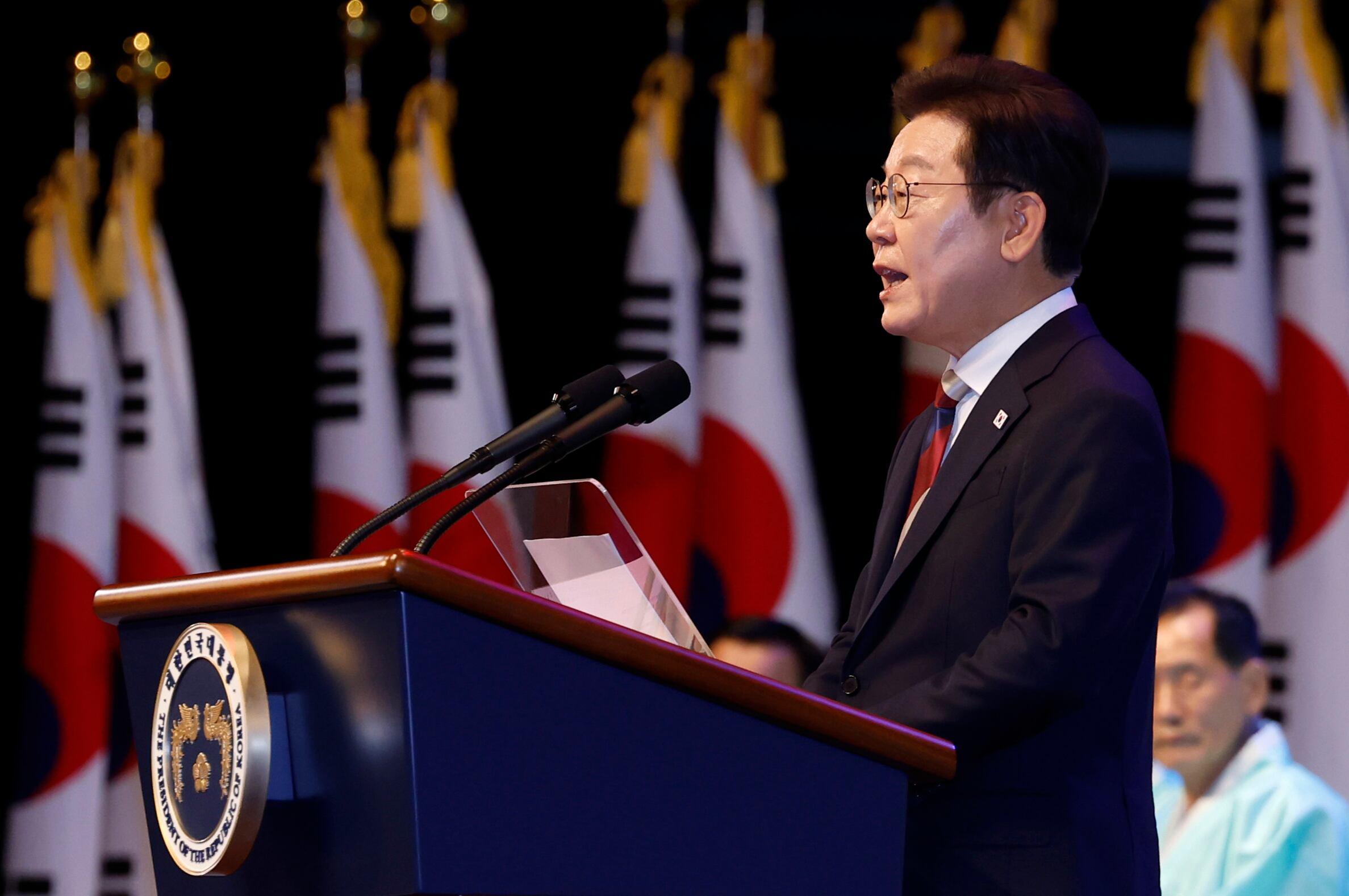
South Korea proposes talks to officially end war with North Korea as President Lee Jae Myung calls for a new peace framework to replace the armistice that has kept the Korean Peninsula technically at war since 1953. In a major Liberation Day address on August 15, Lee urged Pyongyang to return to dialogue, saying negotiations could address the formal end of the Korean War as well as North Korea’s advancing nuclear capabilities. The proposal comes at a difficult moment, with North Korea strengthening its military ties with Russia and tensions rising ahead of upcoming U.S.-South Korea military exercises.
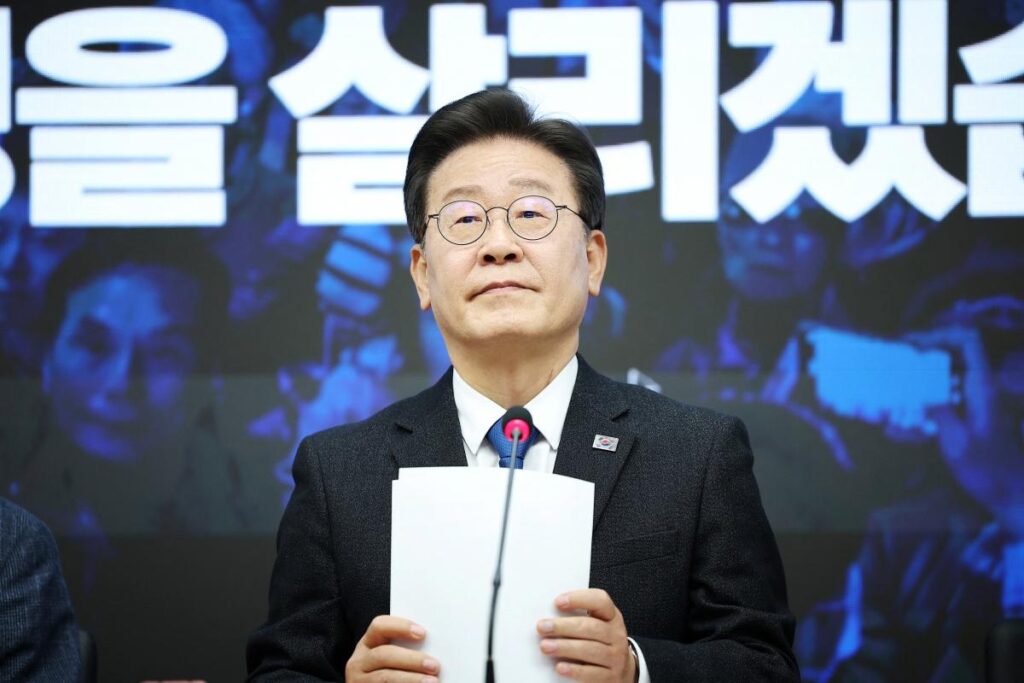
The significance is larger than a diplomatic meeting alone. The Korean War ended with an armistice rather than a peace treaty, meaning a formal peace settlement has remained unresolved for more than seven decades. Lee’s proposal therefore seeks to move the relationship from a temporary ceasefire framework toward what Seoul describes as peaceful coexistence.
What South Korea Is Proposing
President Lee called for the two Koreas to begin discussions aimed at formally ending the Korean War and establishing a lasting peace regime. The proposal fits into a broader policy from his administration that emphasizes peaceful coexistence, respect for North Korea’s existing system and avoiding hostile actions rather than pursuing unification through force or absorption.
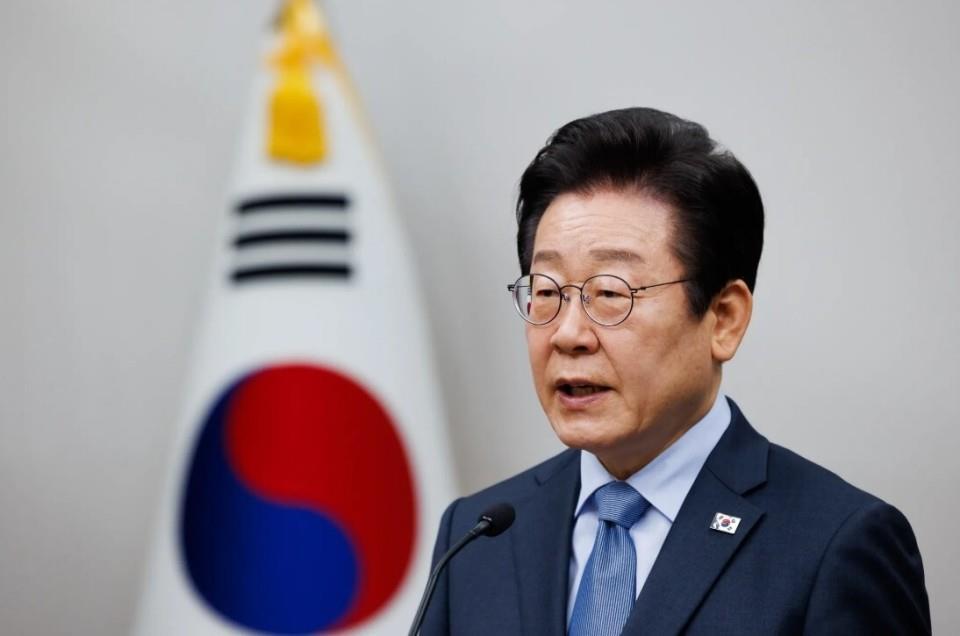
South Korea’s Ministry of Unification has already outlined a policy framework that includes pursuing a formal declaration ending the Korean War and, from there, discussing a peace treaty and wider peace regime. The government’s stated objectives also include reducing military confrontation, resolving humanitarian issues, encouraging inter-Korean cooperation and addressing the North Korean nuclear issue.
Why the Korean War Is Still Technically Unfinished
The Korean War was fought from 1950 to 1953, but the conflict did not conclude with a traditional peace treaty. Instead, the fighting stopped under an armistice. As a result, the absence of a formal peace agreement has remained one of the central unresolved issues shaping security on the Korean Peninsula.
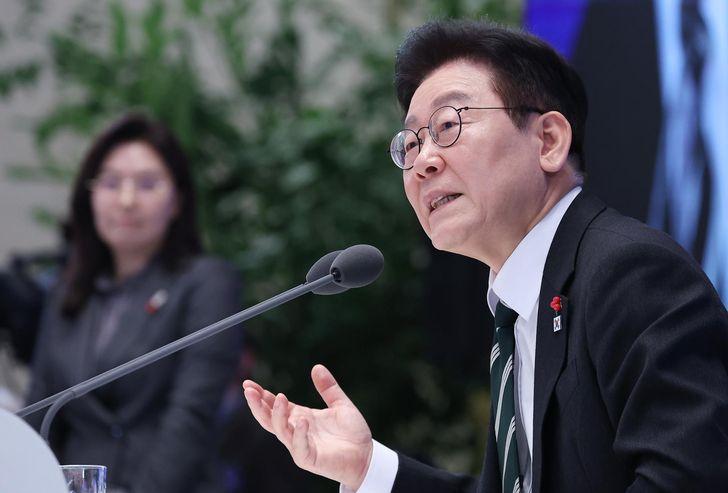
Replacing the armistice with a peace arrangement would therefore carry major political and security implications. It would not automatically remove the enormous military forces stationed around the peninsula or solve the nuclear dispute, but it could establish a new diplomatic framework for managing disagreements and reducing the possibility that a crisis develops into armed conflict.
Why This Matters Now
Why this matters now: Lee’s proposal arrives while relations between Seoul and Pyongyang remain deeply strained. North Korea has rejected previous reconciliation efforts, described South Korea in increasingly hostile terms and continued developing its military capabilities. At the same time, Pyongyang has strengthened cooperation with Moscow, adding another layer to the geopolitical calculations surrounding Northeast Asia.
The timing is particularly important because the United States and South Korea are preparing for the Ulchi Freedom Shield military exercises scheduled to begin August 17. North Korea has already condemned the drills as provocative and warned of a stronger response. That means Seoul’s peace initiative is being presented against a backdrop of military tension rather than calm diplomacy.
The Nuclear Issue Remains Central
South Korea is not proposing to discuss the formal end of the war in isolation. Lee also linked dialogue with efforts to slow the advancement of North Korea’s nuclear capabilities. That makes the proposal significantly more complicated because Pyongyang has continued to treat its nuclear and missile programs as essential elements of its national security strategy.
For Seoul, a peace regime would need to address the security concerns that have fueled decades of confrontation. For North Korea, however, any negotiation involving its nuclear arsenal could become highly sensitive. This means even if talks eventually begin, the hardest questions could involve military exercises, sanctions, nuclear weapons, conventional forces and the security role of the United States in South Korea.
What Could Change If Talks Begin
A successful diplomatic process could create opportunities beyond a symbolic declaration. Lower tensions could potentially make it easier to discuss military communication channels, border incidents, humanitarian cooperation, separated families and limited economic or cultural exchanges. South Korea’s current policy specifically identifies reconciliation, cooperation, humanitarian issues and a future peace economy as areas for longer-term work.
However, readers should not interpret the announcement as proof that the Korean War has already officially ended. The proposal is a call for negotiations, not a completed peace treaty. The next major question is whether North Korea responds positively and whether both sides can agree on what a peace regime would actually require. Previous attempts at engagement have repeatedly encountered major disagreements over security and nuclear weapons.
What Happens Next for Seoul and Pyongyang
The immediate focus will be on Pyongyang’s response. North Korea has previously rejected South Korean overtures and has criticized U.S.-South Korea military cooperation, making a rapid breakthrough uncertain. Reuters reported that Lee is seeking sustained measures to manage tensions and prevent escalation, while South Korea’s broader policy has been built around gradually institutionalizing peaceful coexistence.
For the United States, China, Japan and Russia, any serious movement toward a Korean peace agreement would also have wider regional consequences. The Korean Peninsula sits at the center of major security relationships in East Asia, and changes in the military or diplomatic balance could affect regional alliances and calculations. For now, the most important development is that Seoul has again put the formal end of the Korean War and a long-term peace regime at the center of its diplomatic agenda.
Bottom line: South Korea has opened the door to renewed negotiations, but the door is not the same as a peace agreement. The success of the initiative will depend heavily on North Korea’s response, the nuclear issue, military tensions and whether the two sides can build enough trust to sustain negotiations. The proposal is nevertheless a significant diplomatic signal because it seeks to replace a 73-year-old armistice framework with a more permanent approach to peace on the Korean Peninsula.
Subscribe to trusted news sites like USnewsSphere.com for continuous updates.