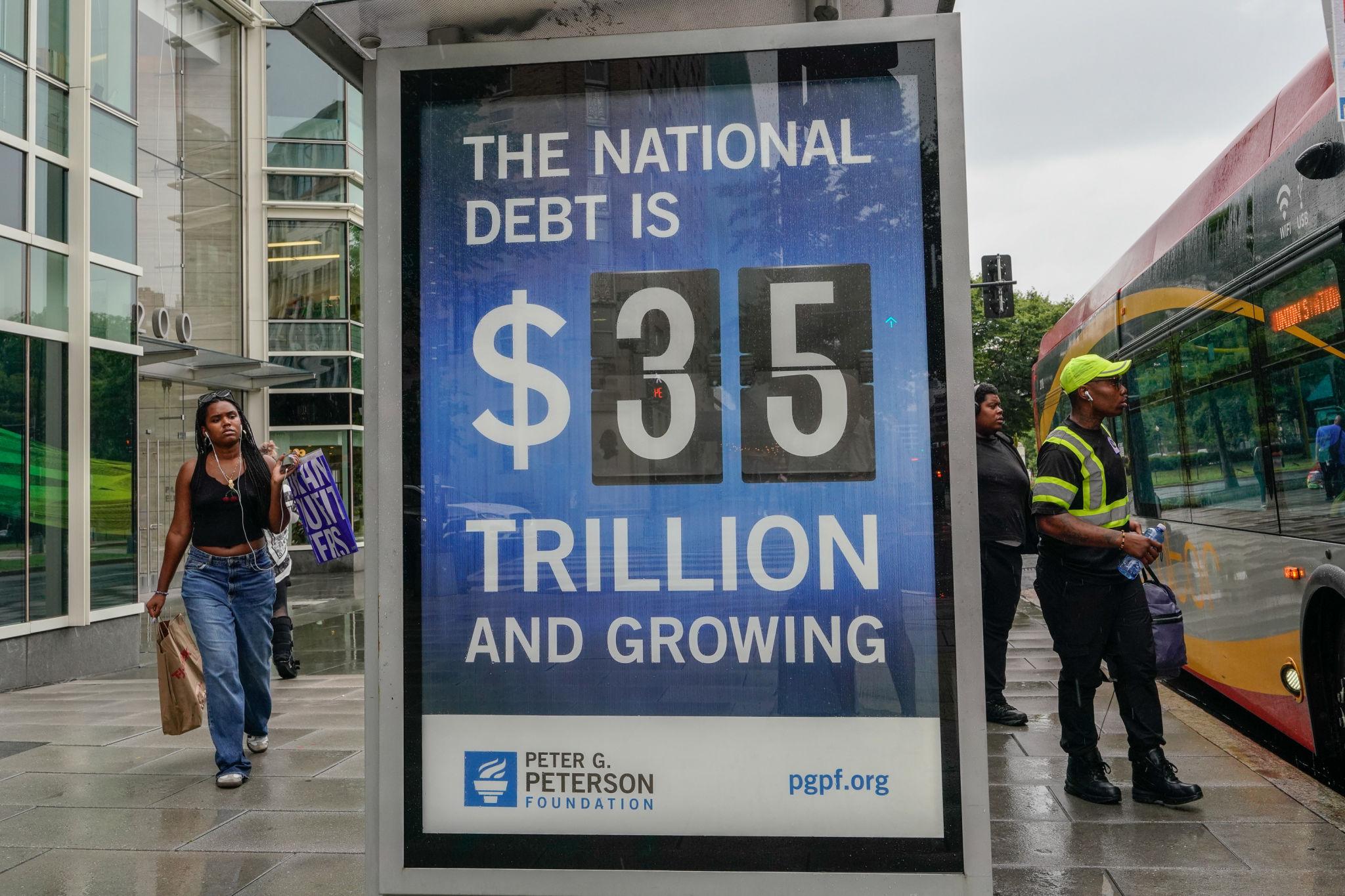
U.S. Debt Explosion Warning: IMF Signals ‘Safety Premium’ Shift That Could Reshape America’s Economy is rapidly emerging as one of the most critical financial narratives of 2026. With U.S. national debt surpassing historic levels and global investors reassessing risk, the International Monetary Fund (IMF) has raised concerns about a potential shift in how U.S. Treasury bonds are perceived. For decades, U.S. debt has been considered the safest asset in the world—but that assumption may now be under pressure.


This warning is not just about numbers—it’s about confidence. If global investors begin to demand higher returns to hold U.S. debt, it could fundamentally reshape borrowing costs, interest rates, and economic growth across the United States and beyond.
Understanding the U.S. Debt Surge and Why It Matters Now


7
The U.S. national debt has grown significantly over the past decade, driven by increased government spending, economic stimulus measures, and rising interest costs. As of 2026, debt levels relative to GDP are approaching thresholds that historically trigger concern among economists and policymakers.
This surge matters because higher debt levels can limit a government’s flexibility. When more revenue is used to service debt, less is available for infrastructure, healthcare, and economic growth initiatives. Additionally, rising debt levels can lead to increased borrowing costs if investors begin to perceive higher risk.
In the current environment, inflation remains a key concern. Persistent inflation pressures can push interest rates higher, further increasing the cost of servicing debt. This creates a feedback loop that can strain the economy over time.
What the IMF Means by a ‘Safety Premium’ Shift


7
The concept of a “safety premium” refers to the extra value investors place on assets perceived as safe. Historically, U.S. Treasury bonds have benefited from this premium, allowing the government to borrow at relatively low interest rates.
However, the IMF has signaled that this dynamic could change. If investors begin to question the long-term sustainability of U.S. debt, they may demand higher yields to compensate for perceived risk. This would effectively reduce or reverse the safety premium that U.S. Treasuries have enjoyed for decades.
Such a shift would have wide-reaching implications. Higher yields mean higher borrowing costs not only for the government but also for businesses and consumers. Mortgage rates, corporate loans, and credit costs could all rise as a result.
Impact on Interest Rates, Inflation, and Everyday Americans


7
A shift in the safety premium would directly impact interest rates across the economy. If Treasury yields rise, they set a benchmark for many other rates, including mortgages, auto loans, and credit cards.
For everyday Americans, this could translate into higher monthly payments and reduced purchasing power. Housing affordability, already a challenge in many regions, could become even more difficult as mortgage rates climb. Similarly, businesses may face higher borrowing costs, potentially slowing investment and job creation.
Inflation adds another layer of complexity. While higher interest rates can help control inflation, they can also slow economic growth. Balancing these factors will be a key challenge for policymakers in the coming years.
Market Reactions: Stocks, Bonds, and Investor Behavior


7
Financial markets are highly sensitive to changes in interest rates and investor sentiment. A shift in the safety premium could lead to increased volatility in both equity and bond markets.
Bond prices typically move inversely to yields, meaning that rising yields could lead to declines in bond values. At the same time, higher interest rates can pressure stock valuations, particularly for growth companies that rely on future earnings.
Investors may respond by reallocating their portfolios, moving toward assets perceived as more resilient in a higher-rate environment. This could include sectors such as energy, commodities, and defensive stocks, as well as alternative assets like gold.
Risks, Opportunities, and the Long-Term Economic Outlook


6
While the IMF’s warning highlights significant risks, it also presents opportunities for strategic adaptation. Policymakers may implement measures to stabilize debt levels, such as fiscal reforms or targeted spending adjustments.
For investors, understanding these dynamics can provide a competitive edge. Identifying sectors that benefit from higher interest rates or inflationary environments can help mitigate risks and capture potential gains.
Looking ahead, the U.S. economy remains resilient, supported by innovation, a strong labor market, and global demand for its financial assets. However, managing debt sustainably will be critical to maintaining this strength.
Conclusion: A Turning Point for America’s Financial Future
The IMF’s warning about a potential shift in the safety premium for U.S. debt signals a pivotal moment for the global economy. While the United States has long enjoyed unparalleled financial stability, rising debt levels and changing investor perceptions could reshape this landscape.
For readers, investors, and policymakers, the message is clear: staying informed and prepared is essential. The coming years will require careful navigation of economic challenges and opportunities, with decisions made today shaping the future of financial stability.
Understanding these trends is not just important—it is essential for anyone looking to navigate the evolving economic environment of 2026 and beyond.
Subscribe to trusted news sites like USnewsSphere.com for continuous updates.