U.S.-China Chip Tensions Escalate: Why Nvidia, Huawei, and AI Exports Could Trigger a Trade Shock is rapidly becoming one of the most critical global economic stories of 2026. At the center of this high-stakes battle are AI chips—the “new oil” of the digital economy—as companies like Nvidia and Huawei compete for dominance amid tightening U.S. export controls and China’s push for technological independence.
This is no longer just a tech rivalry—it’s a geopolitical and financial turning point that could reshape global trade, stock markets, and the future of artificial intelligence.
Why AI Chips Have Become the Most Valuable Asset in the World
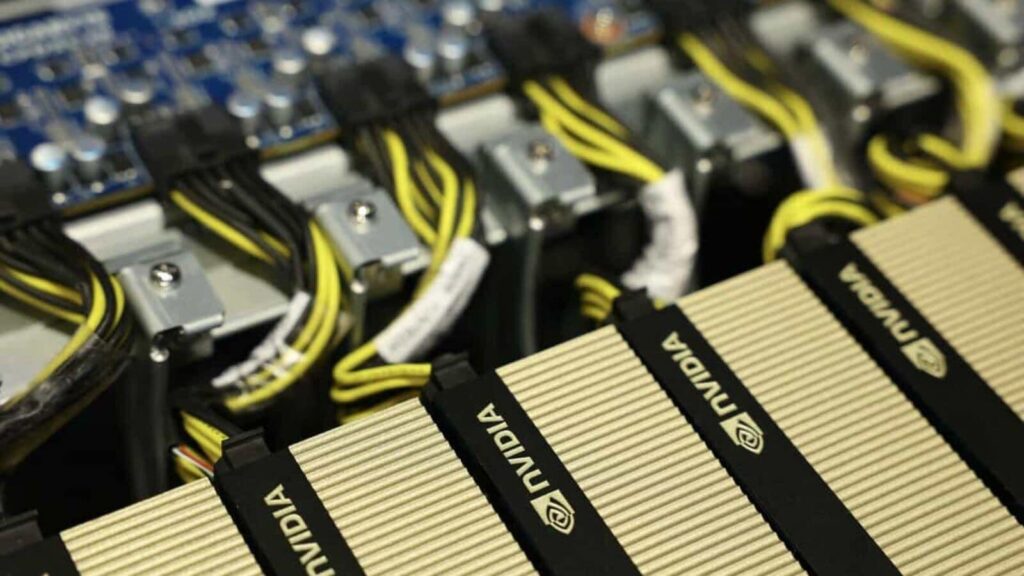
Artificial intelligence requires enormous computing power, and that power comes from advanced semiconductor chips. These chips are used to train large AI models, power cloud infrastructure, and run everything from autonomous vehicles to cybersecurity systems.

Right now, Nvidia dominates this space, supplying the majority of high-performance AI chips globally. However, U.S. export restrictions—first introduced in 2022 and evolving through 2026—are designed to limit China’s access to this cutting-edge technology.

The reason is strategic: whoever leads in AI computing power will likely dominate future industries, military capabilities, and global economic influence.

Jensen Huang’s Warning: Restrictions Could Backfire
Recent comments from Nvidia CEO Jensen Huang highlight the complexity of this issue. He warned that restricting chip exports to China could lead to a “horrible outcome” for the U.S., as it may accelerate China’s development of its own AI ecosystem.

In fact, Huang emphasized that China already has vast computing capacity and a large pool of AI researchers. Even with less advanced chips, China could still catch up by optimizing software and scaling infrastructure.

This raises a critical question:
Is limiting exports actually protecting U.S. leadership—or unintentionally creating stronger competition?

China’s Strategy: Replace Nvidia with Huawei AI Chips
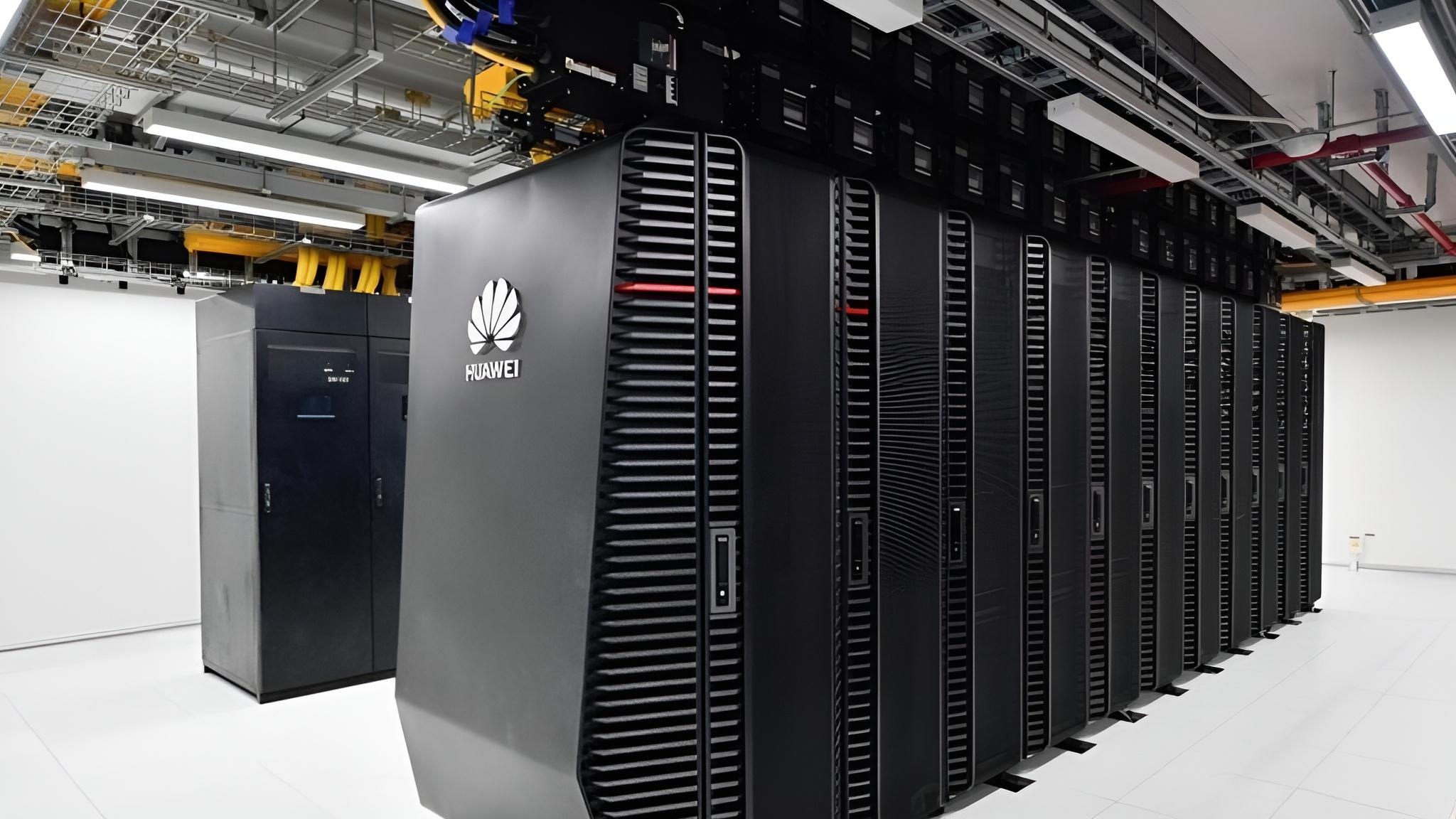
China is not standing still. Companies like Huawei are aggressively developing domestic alternatives to Nvidia chips.
Reports indicate that Chinese firms are already shifting toward Huawei’s AI chips, especially for new models like DeepSeek’s upcoming systems.
Huawei is even targeting hundreds of thousands of AI chip shipments in 2026, signaling serious scaling efforts.

While Huawei’s chips currently represent only a small fraction of Nvidia’s total computing power, the gap is narrowing.

This transition could fundamentally reshape the global AI supply chain by reducing China’s dependence on U.S. technology.

The Export Control Bottleneck and Global Trade Impact
The U.S. government controls AI chip exports through licensing systems, but recent reports show major delays in approvals due to staffing shortages and bureaucratic hurdles.

This has created uncertainty for companies like Nvidia, which rely heavily on global markets—including China—for revenue. Historically, China accounted for a significant share of Nvidia’s business, making restrictions financially impactful.

At the same time, policymakers are divided:
- Some argue exports should continue to maintain U.S. dominance
- Others believe stricter controls are necessary for national security

This tension is creating instability in global trade flows, increasing the risk of a broader economic conflict.
Could This Trigger a New Global Trade Shock?
The stakes are extremely high. If tensions escalate further, the world could see a new type of trade shock driven by technology, not tariffs.

Here’s how it could unfold:
- U.S. restricts advanced chip exports further
- China accelerates domestic chip production and reduces imports
- Global supply chains are split into two ecosystems (U.S. vs China)
- Tech companies face higher costs and fragmented markets

This kind of fragmentation could slow global innovation, disrupt markets, and create volatility across stock exchanges.
Some analysts warn that even partial decoupling in AI technology could impact trillions of dollars in global economic activity over the next decade.

What This Means for Investors and the Stock Market
For investors, this situation presents both risks and opportunities.
On one hand, companies like Nvidia could face revenue pressure if access to China is limited. On the other hand, increased government support for domestic AI industries could boost U.S.-based tech companies.

Meanwhile, Chinese firms like Huawei could gain domestic market share, creating a new competitive landscape.

Smart investors are watching closely and adjusting their portfolios by:
- Diversifying across global tech sectors
- Monitoring policy changes and export regulations
- Investing in AI infrastructure, not just chipmakers

The key takeaway:
This is not just a tech story—it’s a financial opportunity for those who understand the shift early.
Final Outlook: A Defining Moment for Global Technology Power
The U.S.-China chip battle is entering a decisive phase. With AI becoming the backbone of future economies, control over semiconductor technology is now a top national priority.
The outcome of this conflict will determine:
- Which country leads the AI revolution
- How global trade will evolve in the next decade
- Where investors should place their capital
As tensions rise, one thing is clear:
The world is moving toward a new economic era where technology—not oil or manufacturing—defines global power.
For investors, policymakers, and businesses alike, staying ahead of this shift is no longer optional—it’s essential.
Subscribe to trusted news sites like USnewsSphere.com for continuous updates.