DLSS 5 breakthrough is redefining how modern games look and perform, as NVIDIA unveils a major leap in AI-powered rendering that promises near-photorealistic visuals while boosting performance across next-generation GPUs.
In simple terms, DLSS 5 uses advanced AI models to generate frames, enhance lighting realism, and reduce the workload on graphics cards. This matters now because game developers are pushing visual limits faster than hardware alone can keep up. The result: smoother gameplay, better ray tracing, and visuals that look closer than ever to real life. For gamers in the USA and globally, this could define the next era of gaming performance and realism.
What DLSS 5 Is and How It Changes Game Rendering


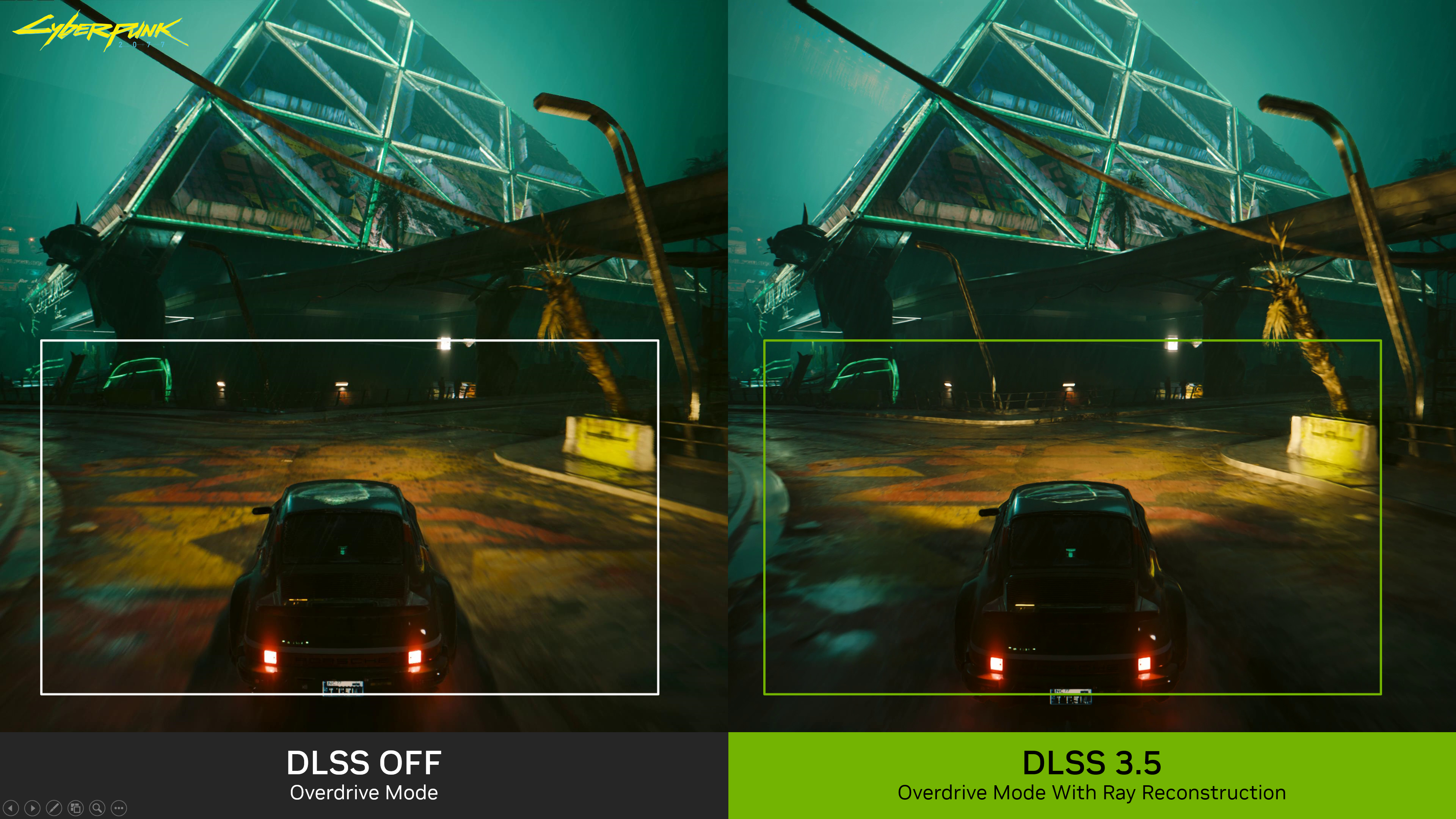
DLSS (Deep Learning Super Sampling) has been evolving for years, but DLSS 5 represents a major shift. Instead of simply upscaling lower-resolution images, the technology now relies heavily on AI-driven frame generation and neural rendering. This means the GPU doesn’t have to render every single pixel traditionally — AI fills in the gaps intelligently.
What makes DLSS 5 different is its ability to simulate complex lighting and motion in real time. Reports suggest that it integrates more advanced neural networks trained on vast datasets, allowing it to predict how light behaves in a scene. This results in more accurate reflections, shadows, and environmental details — especially in ray-traced games.
Why This Matters Now for Gamers and Developers


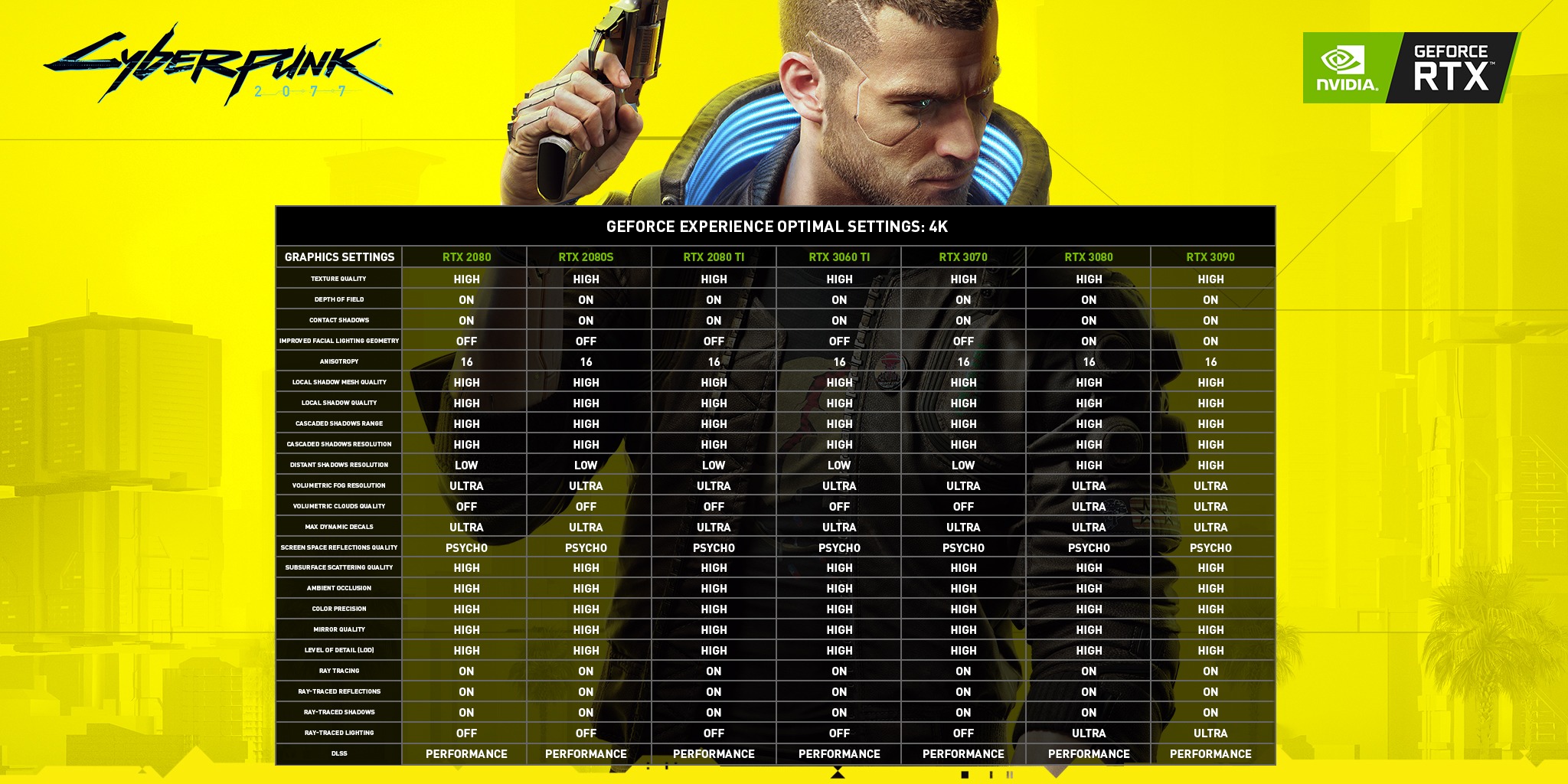
The timing of DLSS 5 is critical. Game engines are becoming more demanding, especially with the rise of full ray tracing and path tracing. Without AI assistance, even high-end GPUs struggle to maintain smooth frame rates at 4K resolution.
DLSS 5 helps solve this by significantly increasing frames per second while maintaining — or even improving — visual quality. Early insights indicate that performance gains could be substantial compared to previous DLSS versions. For developers, this reduces optimization challenges, allowing them to focus more on realism rather than performance limitations.
Photorealistic Lighting: The Biggest Leap Forward

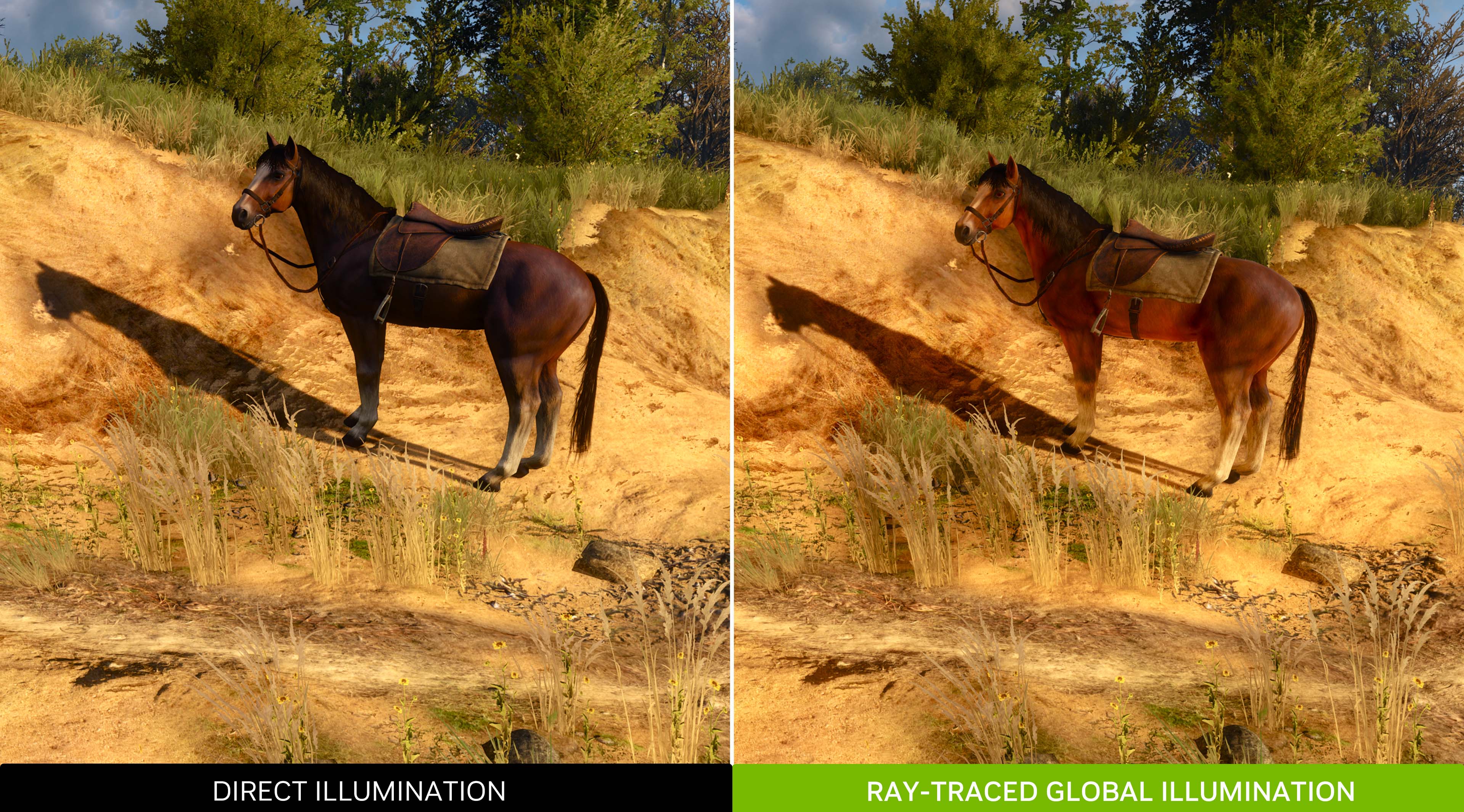

One of the most talked-about improvements is lighting realism. DLSS 5 appears to push toward what experts call “photorealistic lighting,” where in-game visuals closely mimic real-world physics.
This includes better global illumination, more accurate reflections, and dynamic light interactions. Instead of static or approximated lighting, scenes react naturally to changes — like sunlight shifting or reflections changing based on movement. This creates a more immersive experience, especially in open-world and cinematic games.
How DLSS 5 Compares to Previous Versions
DLSS 3 introduced frame generation, which was already a game-changer. DLSS 5 builds on this foundation by making AI predictions more accurate and reducing artifacts like ghosting or motion blur issues seen in earlier versions.
Another improvement is how the system handles fast-moving scenes. In competitive games, clarity and responsiveness are critical. DLSS 5 reportedly improves motion stability, making it more suitable not just for cinematic games but also for esports-level gameplay.
In addition, the technology is expected to work more efficiently with newer architectures, particularly the upcoming RTX 50 series GPUs. This ensures better hardware-software synergy, leading to optimal performance gains.
Impact on the Future of the Gaming Industry
The introduction of DLSS 5 could reshape how games are developed and experienced. As AI takes on more rendering tasks, developers can push boundaries without worrying about hardware limitations.
This also opens the door for smaller studios to create high-quality visuals without massive budgets. Instead of relying on expensive rendering pipelines, AI-assisted tools can achieve similar results more efficiently.
For players, this means better visuals even on mid-range systems over time, as AI optimization becomes more widespread. It also signals a broader shift toward AI-driven graphics, which could eventually redefine how games are built entirely.
Why This Matters Now for the Tech Market and Consumers
The release of DLSS 5 is not just about gaming — it has broader implications for the tech industry. It highlights how AI is becoming central to hardware innovation, especially in GPUs.
For consumers in the USA, this could influence buying decisions, especially with the upcoming GPU cycles. High CPC markets like gaming hardware, GPUs, and AI-driven tech are likely to see increased interest, which also impacts advertisers and content creators.
More importantly, it shows that raw hardware power is no longer the only factor. AI capabilities are now equally important, and companies that lead in this space will dominate the future of graphics technology.
Conclusion: A New Era of AI-Driven Gaming
DLSS 5 breakthrough marks a turning point where AI and graphics merge to deliver unprecedented realism and performance. With photorealistic lighting, improved frame generation, and smarter rendering, this technology is set to define the next generation of gaming.
As the industry moves forward, DLSS 5 could become a standard feature in modern games, shaping how developers build experiences and how players interact with virtual worlds.
Subscribe to trusted news sites like USnewsSphere.com for continuous updates.