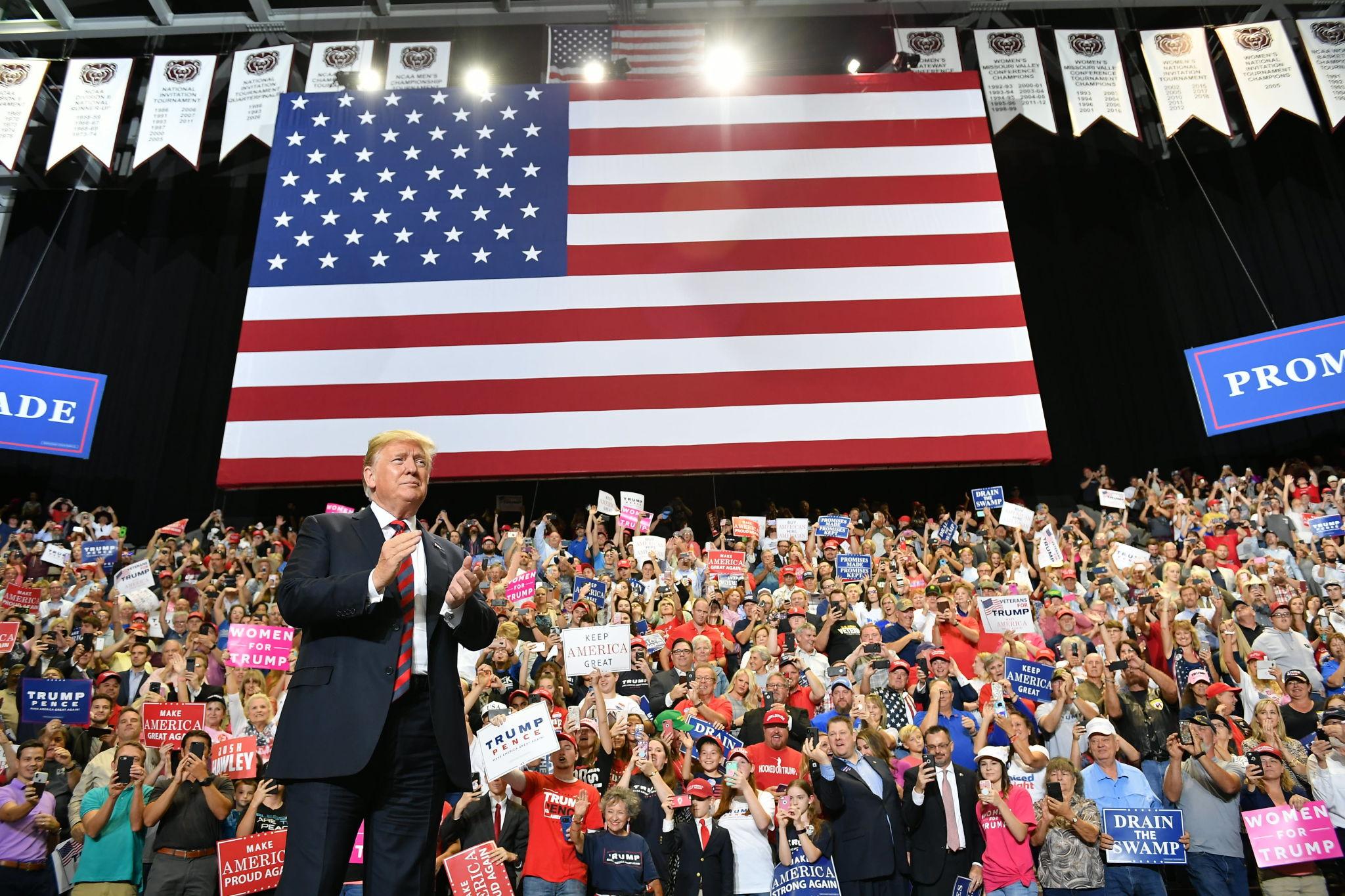
Trump’s 2028 Successor Question: JD Vance or Marco Rubio as GOP Heir?
3Donald Trump’s quiet 2028 succession scramble has ignited one of the most intriguing political debates in modern GOP history, and Vance vs. Rubio 2028 succession buzz is dominating headlines across major political forums. With Trump informally polling his closest advisers about who should carry forward his “Make America Great Again” legacy in the 2028 presidential election, both Vice President J.D. Vance and Secretary of State Marco Rubio have emerged as top contenders — even as the president publicly refuses to make a definitive choice. Sources tell Axios that Trump believes either of these two veteran Republicans could best represent his policy vision, and that he personally prefers Vance but continues to publicly praise Rubio’s diplomatic strengths, keeping political observers guessing about his true intentions.
This conversation isn’t just political gossip: it reflects a deeper strategic calculation as Trump navigates his final midterm elections and looks ahead to cementing his influence over the GOP’s future. Why this matters now: The early emergence of 2028 successor speculation frames the Republican Party’s internal direction years before the nomination process formally begins, shaping policy narratives, donor dynamics, and grassroots activism nationwide.
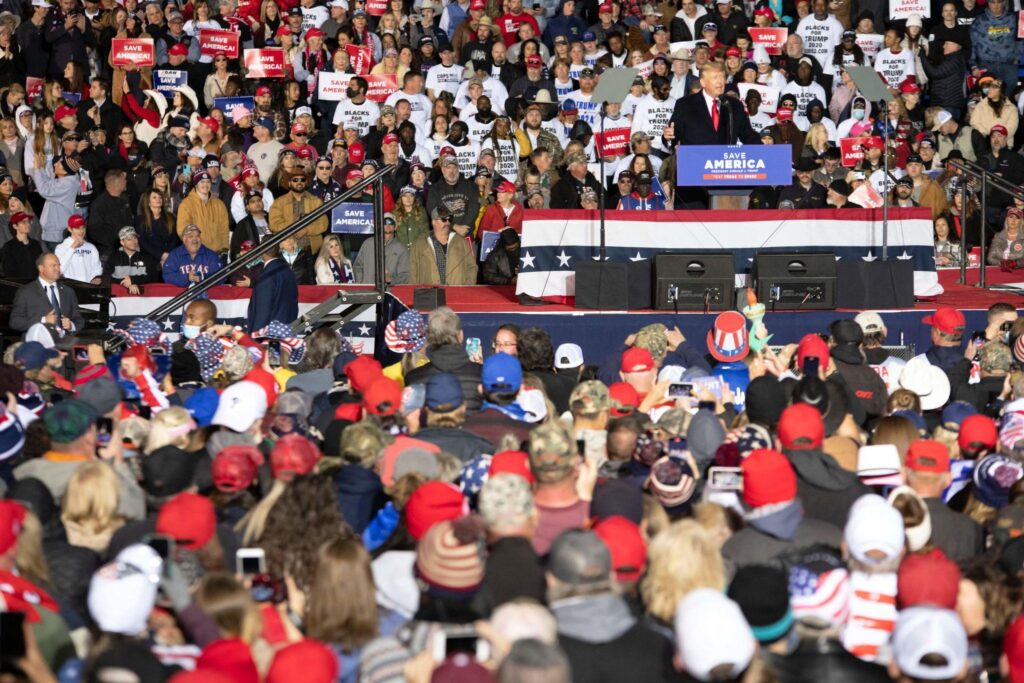
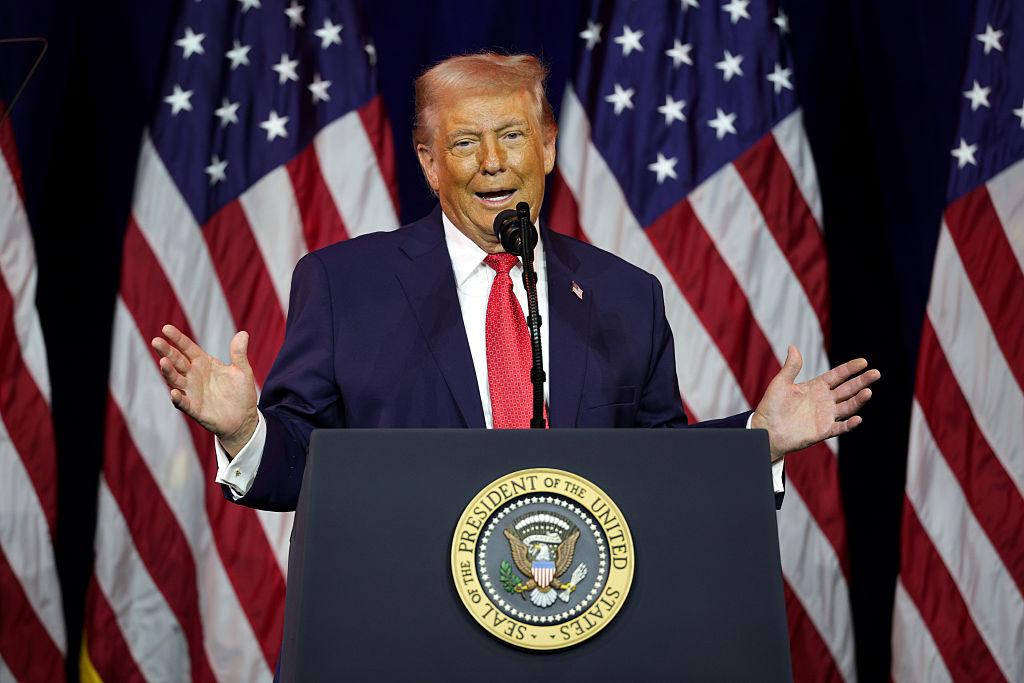
Trump’s Legacy Question: Who Will Carry the Torch?
President Trump’s informal 2028 questioning — whether Vance or Rubio — signals that he is turning his attention beyond the midterm elections and toward the legacy he intends to leave for the Republican Party. According to Axios, Trump believes both figures have strong attributes: Vance’s brash populism reflects the core MAGA base, while Rubio’s diplomatic and international credentials offer a more traditional conservative appeal. Yet despite his preferences, Trump is deliberately avoiding an official endorsement at this stage.
Political insiders emphasize Trump’s penchant for strategic ambiguity, portraying these queries as more of a conversational “quiz” than a concrete decision. The aim appears to be testing reactions within GOP circles, signaling broad confidence in both potential successors while maintaining leverage over both camps. This strategy mirrors past moments in Trump’s tenure where he floated ideas publicly to steer internal debates without committing himself.
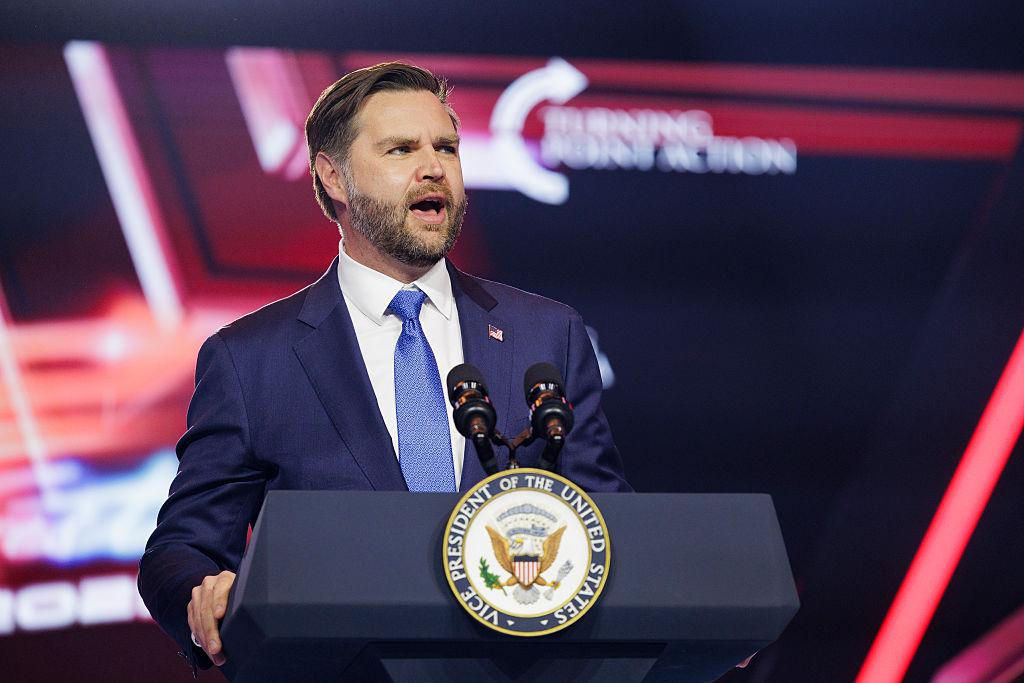
JD Vance: Trump’s Frontrunner and MAGA Standard-Bearer
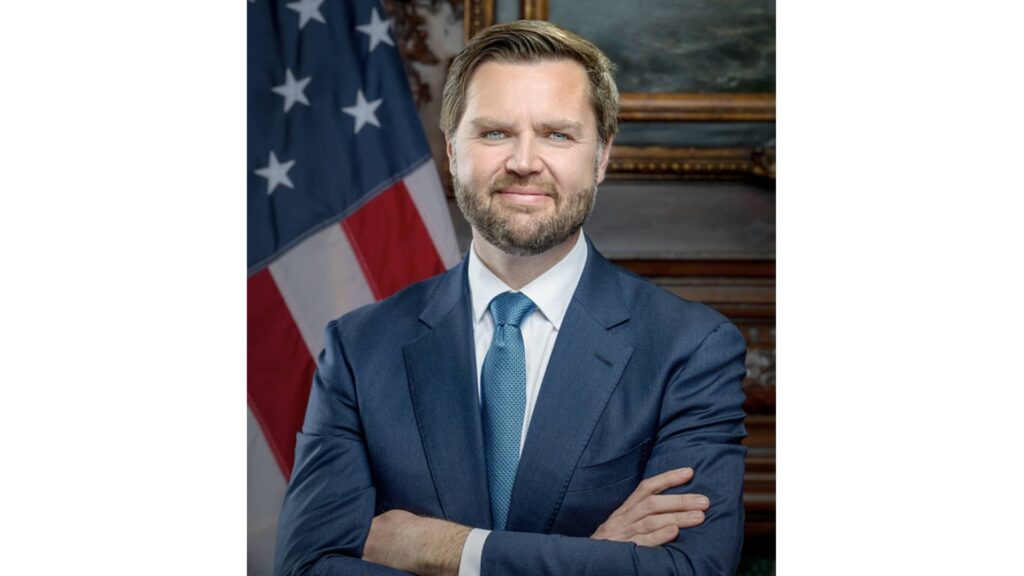
Vice President J.D. Vance occupies the most prominent position in this emerging successor storyline. Having been chosen by Trump as his running mate, Vance embodies the president’s populist policy priorities, making him a natural heir apparent to the MAGA movement, according to several sources. Trump himself has publicly acknowledged Vance as the most likely contender, largely because of Vance’s alignment with the movement’s core values and messaging.
Vance already has a campaign infrastructure and advisers who could easily evolve into a formal 2028 operation. Early polling — as referenced in Axios — shows Vance ahead of Rubio and other potential GOP contenders, suggesting that support within Republican circles may already be consolidating around him. His public profile, however, remains somewhat lower than Rubio’s, which could limit his initial appeal beyond the party’s base.
Rubio: The Diplomat with Rising Influence
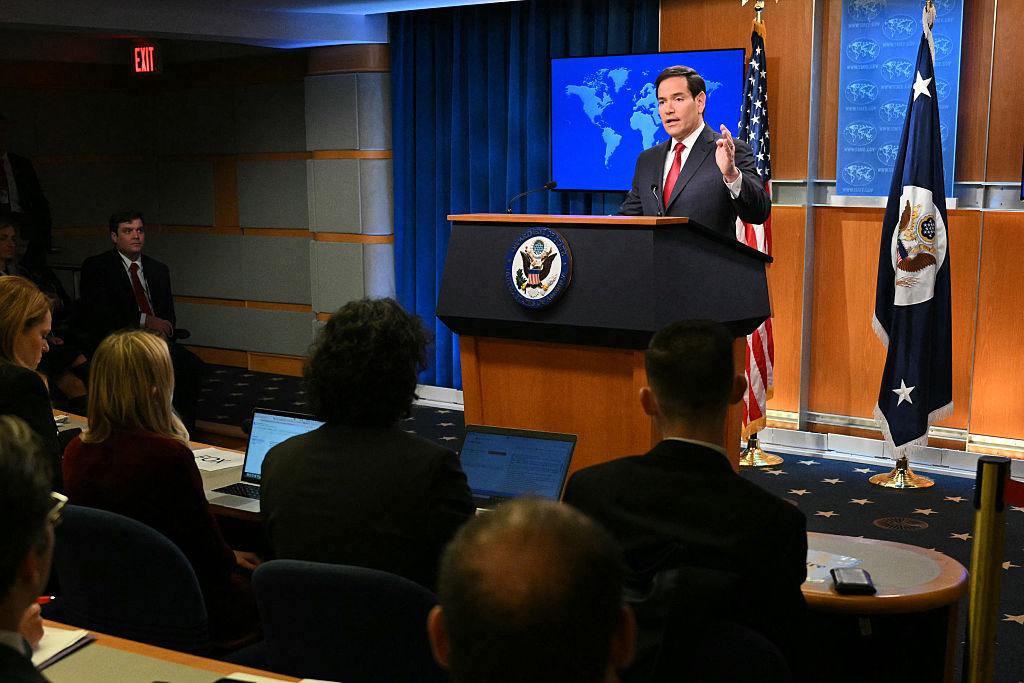
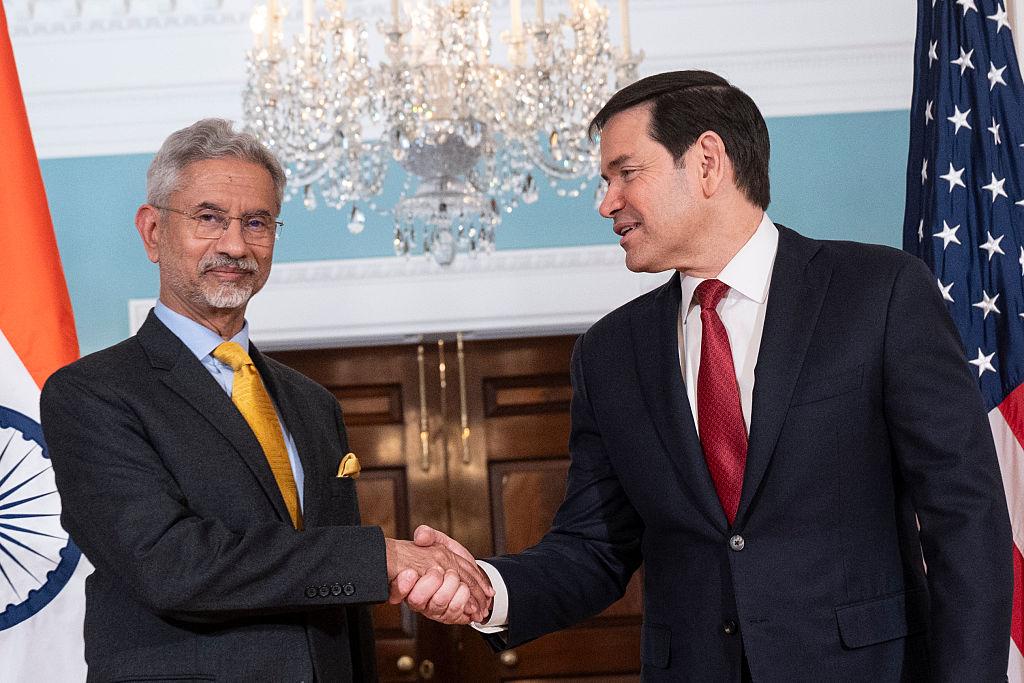
In contrast to Vance’s hardline populism, Secretary of State Marco Rubio brings a more traditional conservative and internationalist dimension to the conversation. Rubio’s role as the nation’s top diplomat — and, in practice, as acting national security adviser — has increased his visibility on global issues far more than Vance’s vice presidency, which traditionally does not carry a consistent public portfolio.
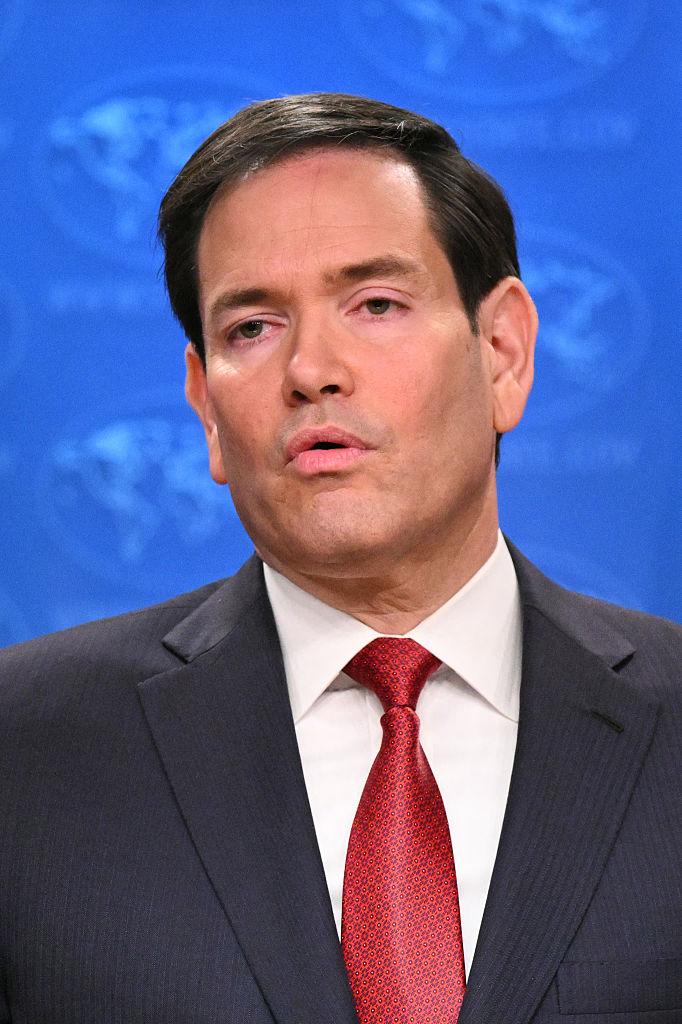
Republican insiders view Rubio as a potentially unifying figure who could attract establishment support within the party, particularly among donors and strategists uneasy with a full populist shift. While Rubio has not publicly committed to a 2028 bid if Vance runs, reports suggest that he is maintaining strategic flexibility, keeping his options open without engendering overt rivalry.
Between Friends? Handling the Rivalry Narrative
Despite media portrayals of a looming rivalry, both men have taken pains to downplay any conflict. Vance recently denied the existence of a rift, calling Rubio a close friend and dismissing suggestions of tension between them. Similarly, Rubio has publicly supported Vance’s potential leadership, indicating party unity rather than competition.
This mutual respect is important for the GOP’s image heading into a cycle where internal party cohesion could be as impactful as voter turnout. Trump’s reluctance to choose one outright might be a deliberate move to prevent early fissures and to ensure that the party remains unified during crucial legislative battles at home.
Broader GOP Implications and 2028 Dynamics
The 2028 election is shaping up to be one of the more unpredictable presidential races in recent history. With multiple potential contenders emerging on both the Republican and Democratic sides and Trump’s ongoing influence, the early discussions around Vance and Rubio signal a shifting GOP identity — one that balances populist roots with traditional conservative governance.
As midterm elections approach, how Trump navigates this succession question could have ripple effects across policy debates, fundraising networks, and grassroots voter mobilization. Political strategists argue that the party is effectively using this period to frame the narrative for 2028 before formal campaigning even begins.
What Comes Next in the 2028 Conversation
Looking ahead, expect continued speculation and a growing media focus on how each potential candidate positions themselves. Trump’s continued public praise, combined with the distinct profiles of Vance and Rubio, suggests that the GOP is intentionally cultivating multiple possible paths forward — each capable of appealing to different segments of the party’s diverse base.
While an official endorsement may still be years away, this early stage of political jockeying reveals the evolving priorities within the Republican Party and foreshadows the factional and strategic decisions that could define the next presidential cycle.
Subscribe to trusted news sites like USnewsSphere.com for continuous updates.