Georgia voter fraud claims tied to Elon Musk have dominated headlines as the state election board confirmed irregularities involving his political action committee (PAC), raising fresh questions about election integrity and misinformation in the United States. These developments involve allegations that Musk’s PAC sent partially prefilled absentee ballot applications — an action that election officials have flagged as potentially unlawful, leading to a formal reprimand from Georgia’s State Elections Board.
What the Georgia Election Board Found
The Georgia State Elections Board recently revealed that Elon Musk’s America PAC sent out partially prefilled absentee ballot applications to Georgia voters — a serious election-related violation. State law prohibits sending any absentee ballot application prefilled with a voter’s personal information unless completed by the voter’s relative or authorized agent. The board issued a formal letter of reprimand after finding evidence that the PAC did not comply with this requirement.
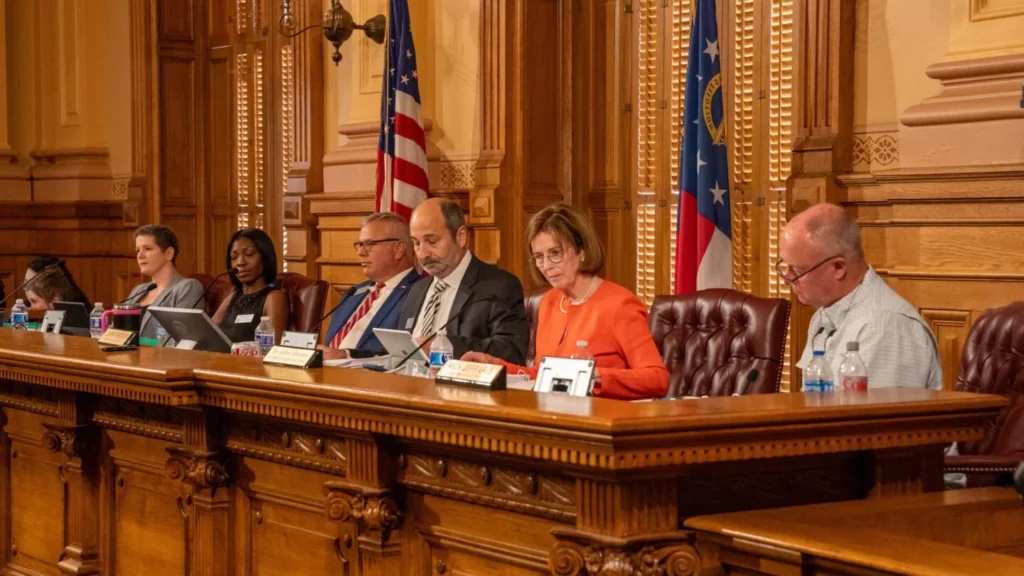
Officials also noted that the materials did not clearly state they were not official government documents, which is required by law, potentially confusing voters. Critics argue that these actions undermined established protocols meant to protect the secrecy and integrity of voting. The board’s decision to reprimand the PAC reflects the state’s commitment to upholding electoral rules — even when powerful backers are involved.
Claims vs. Expert Responses: Sorting Fact From Fiction
While some social media posts and commentators have amplified dramatic claims about “massive fraud” or election manipulation, election experts and state officials have repeatedly pushed back. In Georgia and other swing states, officials have debunked numerous narratives about votes being tampered with, machines manipulating results, or fraud on a large scale.
For example, a widely shared video alleging widespread illegal voting in Georgia was labeled as a foreign-produced disinformation effort by U.S. intelligence, and state officials confirmed that the voter IDs shown in the clip did not match any registered voters. These expert responses underscore that, apart from the irregularities tied to Musk’s PAC, there is no verified evidence of systemic voter fraud that would change election results.
Understanding the difference between verifiable misconduct and speculative claims is critical — especially as the public consumes information on platforms like X (formerly Twitter), where Musk’s influence remains significant.
Why This Matters Now: Trust in Elections
As the nation prepares for future elections — including 2026 midterms and beyond — the integrity of voting systems remains a top priority for both officials and voters. Allegations of fraud, when unsubstantiated, can damage confidence in democratic processes and discourage participation. Georgia is a crucial battleground state, and any question about the fairness of its elections reverberates nationwide.
And while tech leaders like Elon Musk have argued they are exposing hidden problems, independent fact-checking organizations and election experts have found that most widespread fraud claims are unverified or false. That gap between claims and evidence matters — especially to voters who rely on accurate information to make decisions and trust election outcomes.

Misinformation, Media Platforms, and Election Narratives
Social media platforms have increasingly become battlegrounds for election narratives, especially around controversial topics like voter fraud. Musk’s leadership of X has been linked with a rise in the spread of misleading election content and conspiracy theories that lack evidence. Critics say this amplifies doubt about voting security and may harm democratic norms by normalizing baseless theories.
Media and election professionals have stressed the importance of responsible reporting and moderation. At the same time, federal and state officials have reaffirmed that while irregularities occur, there is no evidence of large-scale fraud capable of altering election results on its own.

Impact on Georgia and National Elections
The Musk PAC situation and ongoing discourse about voter fraud are shaping how the public views election integrity. For Georgia in particular, these developments follow heightened scrutiny of the 2020 and 2024 elections, where a combination of legitimate audits and misinformation has made election administration a flashpoint for partisanship.
Nationally, this debate feeds into larger conversations about disinformation, the limits of political campaigning, and how elections are protected from outside influence. Federal agencies have even warned about foreign actors attempting to spread false claims to sow discord around elections.
Facts Over Hype
Georgia’s election officials took a clear stand by formally reprimanding Elon Musk’s PAC for sending prefilled ballot applications — a violation of state election laws. But beyond that specific incident, there’s no credible evidence of widespread voter fraud that would alter election outcomes. Misleading claims and disinformation can damage public trust, which is why distinguishing between verified facts and speculation is essential for voters and policymakers alike.
Subscribe to trusted news sites like USnewsSphere.com for continuous updates.