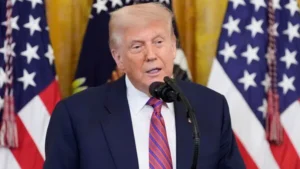
C-SPAN John Barron caller controversy has sparked fresh political speculation after a viewer named “John Barron” phoned into a live broadcast criticizing a recent Supreme Court tariff ruling — prompting online claims that the caller sounded like former President Donald Trump. The incident quickly spread across social media, raising questions about identity, political messaging, and media verification. C-SPAN has publicly denied that the caller was Trump. Why this matters now is simple: in a highly polarized election cycle, even a brief viral moment can fuel misinformation, drive partisan narratives, and influence public trust in media platforms.
What Happened During the C-SPAN Call
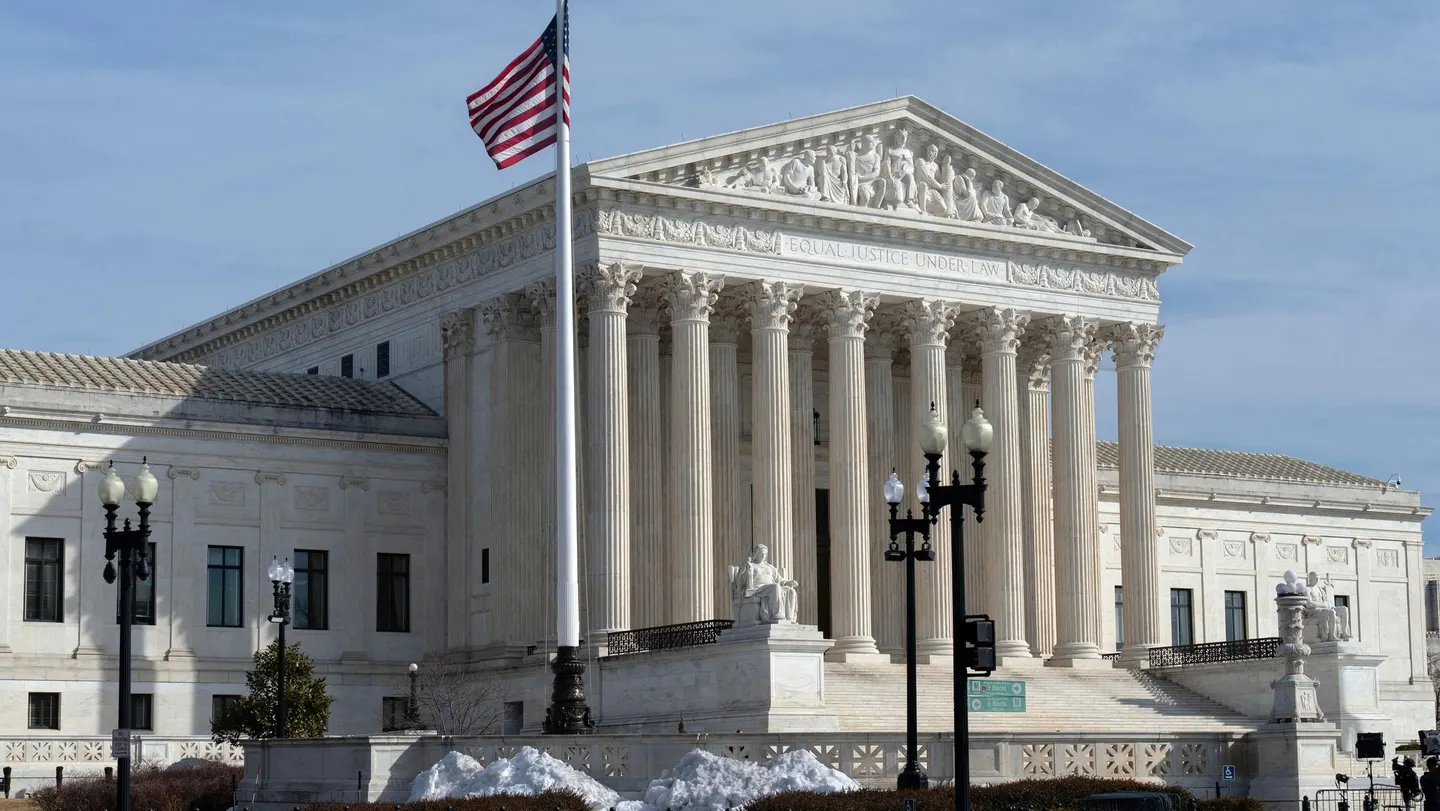
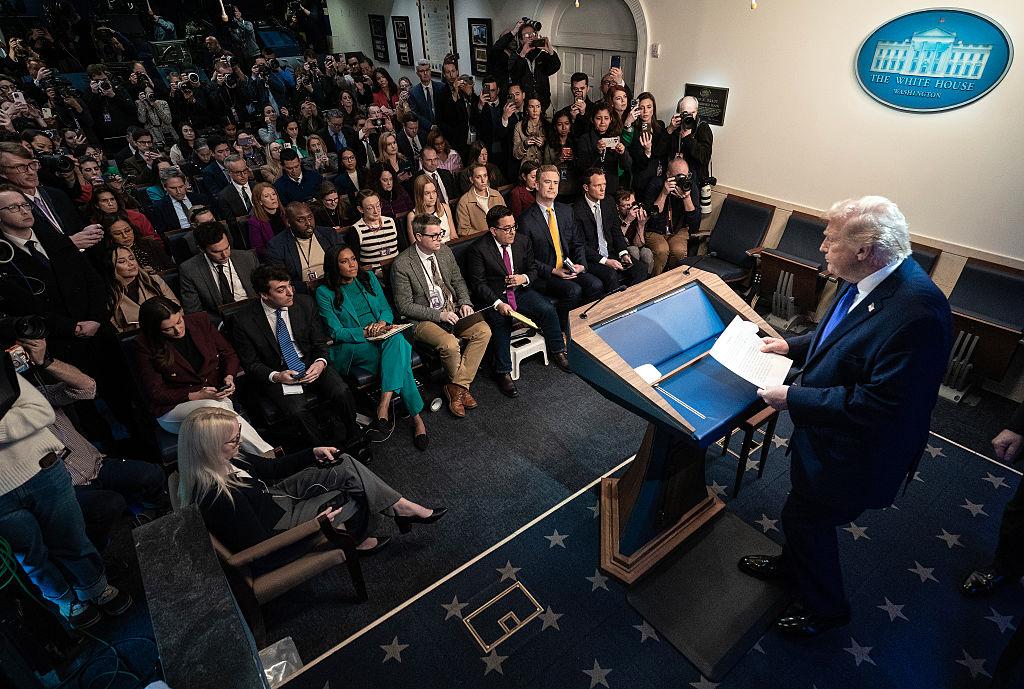
The controversy began during a live call-in segment on C-SPAN, where a man identifying himself as “John Barron” criticized a recent tariff decision issued by the Supreme Court of the United States. The caller’s voice and tone led some viewers online to speculate that it might have been Donald Trump, who has historically used the alias “John Barron” decades ago in business dealings.
Within hours, clips circulated widely on X (formerly Twitter) and TikTok. Several commentators claimed the voice matched Trump’s cadence. However, C-SPAN quickly responded, stating there was no evidence the caller was Trump and that the network does not screen callers based on voice resemblance. According to reporting by The Hill, C-SPAN dismissed the speculation and reaffirmed its open call-in format.
C-SPAN’s Official Response to the Speculation
C-SPAN publicly addressed the rumors after online engagement surged. The network emphasized that it has no indication that the caller was Trump and reiterated that thousands of viewers participate in call-ins annually. Officials clarified that while names are provided by callers, real-time identity verification is not typically conducted during live segments.
Coverage by Forbes reported that C-SPAN firmly rejected claims tying Trump to the caller, calling the viral speculation unfounded. Meanwhile, additional reporting from Yahoo News highlighted how quickly the clip spread across social media, even without supporting evidence. The speed of digital amplification shows how political narratives can form before verification occurs.
Why the Name “John Barron” Drew Attention
The name “John Barron” carries historical context. In the 1980s and 1990s, Trump reportedly used the alias during business communications and media interactions. Because of that past reporting, the moment immediately triggered online speculation once viewers heard the familiar tone and name combination.
However, having the same name does not confirm identity. “John Barron” is not an uncommon name in the United States. Media analysts note that confirmation bias often plays a role in viral political moments. When audiences expect a connection, they may interpret similarities as proof. That psychological factor contributed to the rapid online reaction before official clarification emerged.
The Supreme Court Tariff Ruling Behind the Debate
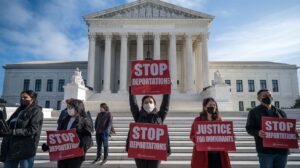
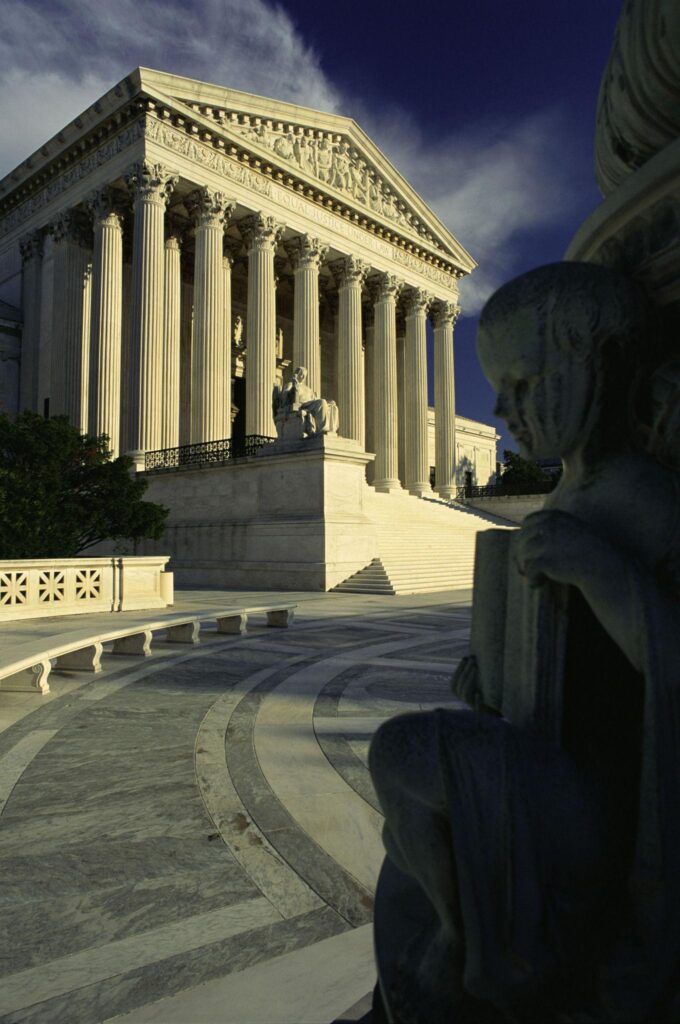
At the center of the call was a tariff-related decision by the Supreme Court involving executive authority and trade measures. The ruling addressed limits on how tariffs may be imposed or reviewed under federal law. While the specifics of the ruling are complex, the broader issue touches on presidential trade powers, congressional oversight, and constitutional interpretation.
Tariff policy remains a sensitive political topic because it directly impacts American consumers, importers, exporters, and supply chains. In recent years, tariffs have affected industries ranging from steel and aluminum to technology components. Even small legal adjustments can influence global markets. That context explains why a caller criticizing the ruling would generate attention, especially during an election year.
How Social Media Amplified the Story
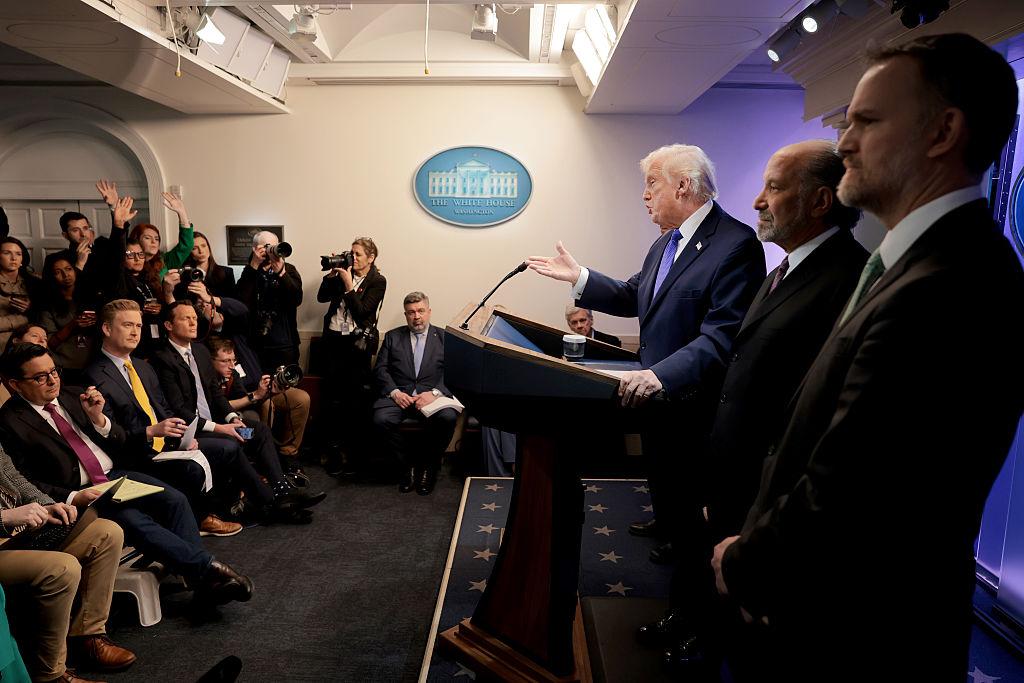
The viral spread of the clip illustrates a broader media trend in 2026: short video segments can shape national conversations within hours. Algorithms prioritize engagement, and political speculation often drives strong reactions. Even without verified evidence, the theory gained traction because it aligned with existing narratives surrounding Trump and media strategy.
Digital misinformation experts say this pattern is increasingly common. A short clip, especially one involving a recognizable political voice, can circulate without context. Once shared by influential accounts, speculation can outpace official responses. By the time clarification arrives, millions may have already formed opinions. This dynamic raises concerns about media literacy and verification standards in live broadcasting.
Why This Matters Now in U.S. Politics
Why this matters now goes beyond a single phone call. The incident reflects broader challenges in American media and politics: trust, identity verification, and rapid information cycles. As the country approaches another high-stakes political season, even minor viral moments can influence public perception.
The event also underscores how traditional media platforms like C-SPAN operate differently from highly moderated cable news environments. Open call-in formats promote civic participation but also allow unpredictable moments. While that openness supports democratic engagement, it also creates opportunities for confusion or speculation.
Ultimately, the controversy appears to be more about viral momentum than verified fact. No evidence currently supports the claim that Trump made the call. Yet the story demonstrates how quickly political narratives form — and how essential accurate reporting remains.
Subscribe to trusted news sites like USnewsSphere.com for continuous updates.