The U.S. Department of Labor published a message on social media resembling language historically associated with Nazi propaganda — triggering widespread outrage, intense media scrutiny, and renewed debate about government rhetoric and extremist symbolism.
What the Department of Labor Posted and Why It Sparked Outrage
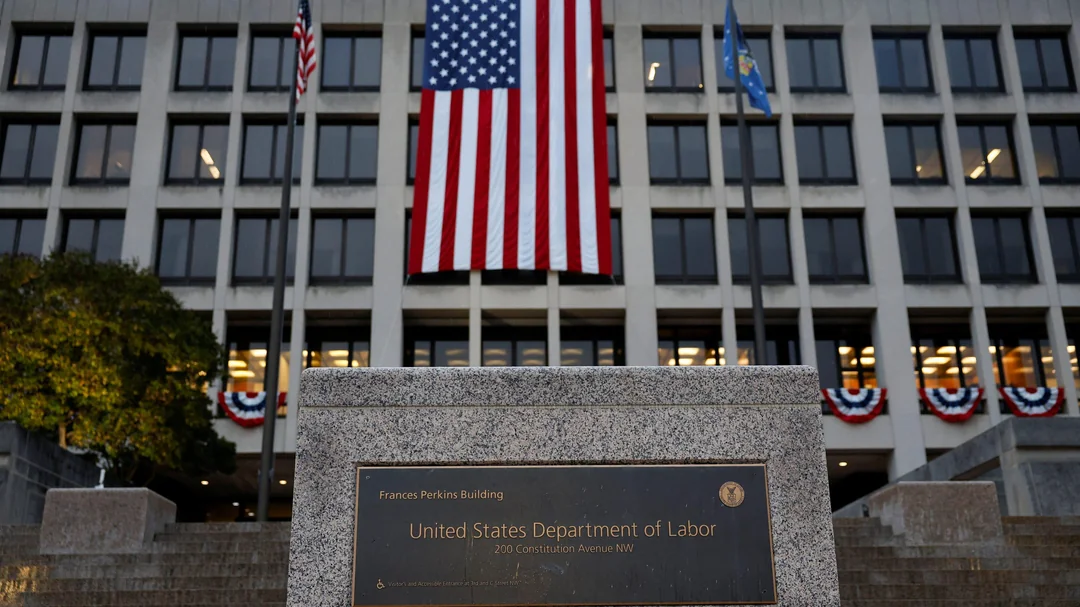
The controversy began when the official U.S. Department of Labor social media account published a short video accompanied by the phrase: “One Homeland. One People. One Heritage. Remember who you are, American.”
The combination of text and imagery immediately caught attention because it evoked language strongly reminiscent of slogans used by Nazi Germany, such as Ein Volk, ein Reich, ein Führer — meaning “One People, One Nation, One Leader.” Critics highlighted this similarity and said it was unacceptable for a federal agency to publish phrases that echo authoritarian and extremist rhetoric, especially given the historical weight of Nazi slogans.
While the Department of Labor later deleted the post and did not offer a detailed explanation, the backlash continued to grow as news outlets and commentators weighed in. Many commentators said the resemblance was unlikely to be accidental and underscored a troubling trend of increasingly aggressive nationalist messaging from government social platforms.
This episode has now become part of a broader conversation about how government agencies communicate and the responsibility they have to avoid language or imagery that can be misinterpreted or linked to extremist ideologies.
Historical Context: Why Certain Phrases Carry Deeply Painful Associations
To understand why this incident was so controversial, it’s important to recognize the historical burden that certain phrases and rhetoric carry. For example, Nazi propaganda in the 1930s and 1940s relied heavily on simplified slogans designed to unify a population behind racist, authoritarian values. One of the most infamous slogans from that era was Ein Volk, ein Reich, ein Führer, a phrase used to promote totalitarian unity and racial exclusion.
Historically, such slogans were part of an extensive propaganda system that dehumanized targeted groups and conditioned population loyalty to the Nazi state. Because of that history, even inadvertently echoing these phrases today — especially when coming from a government agency — is extremely sensitive and can provoke legitimate alarm and criticism.
The emotional and moral weight of that historical context is why civil society groups and scholars were quick to respond emphatically in the hours after the Labor Department post began circulating widely. This is not merely a matter of semantics — it’s about the moral responsibility of public institutions to avoid invoking ideas tied to genocide, exclusion, or hate. Those concerns drove much of the reaction in print, broadcast, and social media outlets.
Political Backlash: What Critics Are Saying
Across mainstream and independent media, political commentators and civil rights advocates called the post irresponsible at best, and dangerously tone-deaf at worst.
Some critics pointed out that the message echoed broader themes of exclusionary political rhetoric that have appeared repeatedly in recent years — including the depiction of “heritage” and “homeland” in ways that seem to prioritize certain groups over others. This has raised alarm bells among historians and civil liberties experts.
Journalists also warned that the similarity to Nazi slogans is not merely academic. They noted that extremist groups may seize upon such language — or claims of equivocation — to normalize or legitimize their own worldviews. This dynamic can amplify division, contribute to radicalization, and fundamentally shape public perception of mainstream political movements.
Public figures from various sectors, including law and digital rights advocacy, have called for accountability, urging the Department of Labor and broader federal government agencies to clarify their communication strategies and avoid unintentional references to extremist rhetoric.
Official Response and What We Know So Far
Despite the intense friction this controversy generated, official responses from the Department of Labor have been limited. The original post was taken down, but there has been no detailed explanation released publicly about how the phrase was chosen, who authorized the post, or whether any review procedures will be updated. This lack of clarity has only intensified scrutiny.
Some government sources told reporters they believe the use of the phrasing was an error, perhaps the result of a poorly reviewed social media calendar. However, many observers say that explanation alone is insufficient, especially given the potential damage that even a single use of historically loaded language can do in public discourse.
Ongoing investigations by journalists and civil society organizations are seeking to uncover who drafted the message, which officials reviewed it, and what internal guidelines govern the use of slogans or emotive language in government social media accounts. These questions remain unanswered — creating a broader conversation about institutional accountability in the digital age.
Broader Implications: Government Messaging and Democratic Trust
This controversy goes beyond a single tweet or post. It raises fundamental questions about how government agencies use language, imagery, and narrative framing in their communications — and what responsibilities they carry in doing so.
In recent years, social media has become a central platform for official government announcements. But its informal tone can blur the line between formal policy announcements and emotionally charged messaging. When public agencies use language that echoes historical propaganda, it risks undermining public trust, diminishing the seriousness of democratic institutions, and feeding aggressive political polarization.
Experts on propaganda and democratic communication have warned that modern government messaging should be transparent, historically informed, and carefully reviewed — especially when dealing with language that might stir emotional or cultural sensitivities. They stress that even unintended echoes of extremist rhetoric can create lasting damage to public confidence and civic cohesion.
This incident has already triggered deeper discussion about training, internal review boards, and external oversight for how government agencies craft social media content — not only in the U.S. but internationally.
What Comes Next: Coverage, Accountability, and Public Reaction
As the story continues to unfold, several key developments to watch include:
- Investigations into agency communication policies — whether formal inquiries look into how the phrase was approved.
- Congressional oversight or hearings — some lawmakers have called for accountability and may pursue official review.
- Public debates on language standards — this could spark new guidelines on how agencies reference national heritage or identity in public messaging.
- Wider media coverage and historical analysis — historians and commentators will continue drawing parallels and cautionary lessons from history.
The Power and Peril of Words in Public Communication
The Department of Labor’s social media posting of a phrase reminiscent of Nazi-era slogans ignited a firestorm not simply because of the words themselves, but because language carries history, meaning, and emotional weight. In a time of heightened political polarization and intense media scrutiny, even a single message can spark national debate, shape perceptions of government credibility, and prompt broader reflection on institutional responsibility.
Continue tracking this story and others like it, because the way governments speak reflects not just policy but the values and priorities of an entire nation — and this debate is far from over.
Subscribe to trusted news sites like USnewsSphere.com for continuous updates.