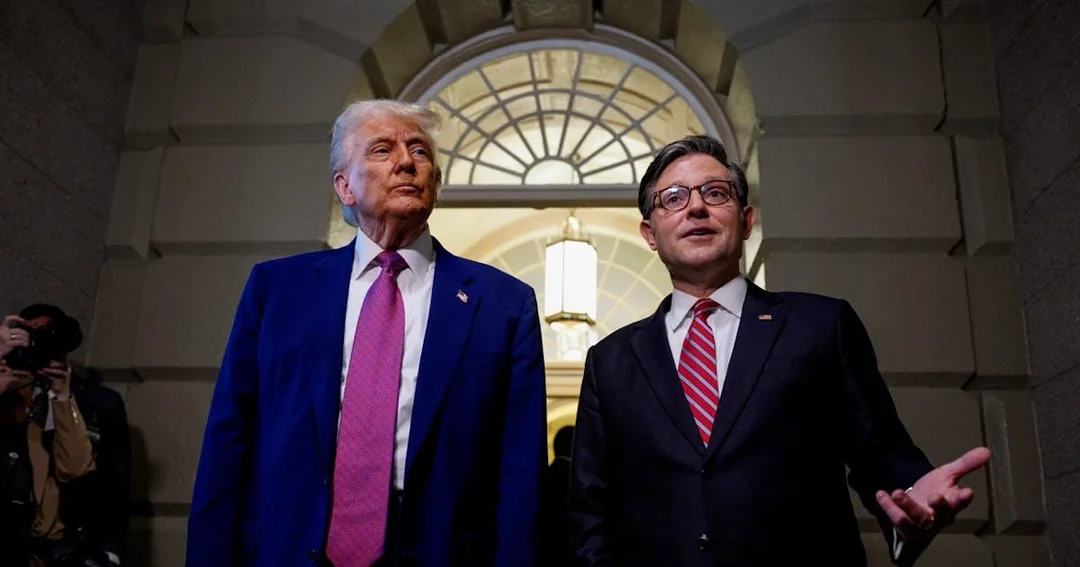
Republicans Face Growing Pressure Over Epstein Files as Transparency Demands Intensify Nationwide
Republicans and Epstein Controversy: GOP Transparency Struggles and Political Fallout
Republicans and the Epstein controversy are at the center of a growing political firestorm in the United States as new disclosures about convicted sex offender Jeffrey Epstein’s network continue to raise questions about accountability, transparency, and the rule of law. In the aftermath of millions of pages of federal documents being released, Republican lawmakers have faced intense criticism — both from within their own party and across the aisle — for how they have responded to calls for full disclosure, with critics arguing that the party has struggled to balance political loyalty with public demands for justice and clarity. This matters now because it reflects broader public distrust in government figures of all stripes and could influence voter sentiment in the coming elections.
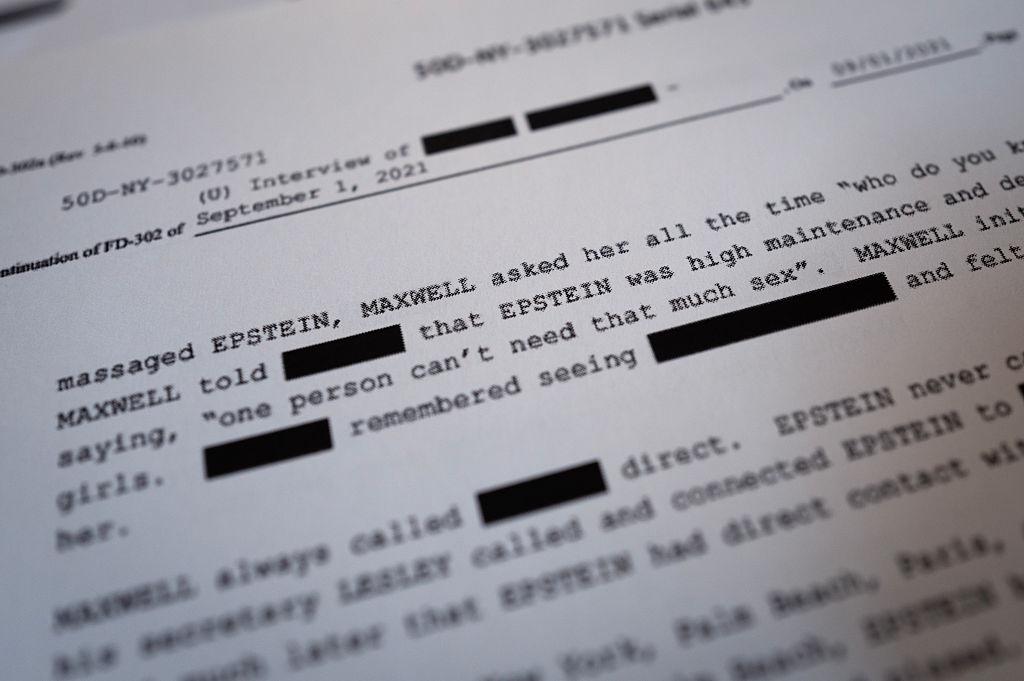
Republican Leadership and Public Perception of Shame
Many observers have noted a striking shift in how Republican leaders talk about the Epstein scandal compared with earlier political controversies. In recent commentary, critics argue that while Republicans once lectured others about moral conduct, in the “Epstein era,” the GOP has at times seemed to avoid confronting uncomfortable truths about what the released files may contain and whom they implicate. This perception of reluctance or defensive posturing among some Republican officials has fueled media coverage and public frustration, especially among voters who expected a more transparent approach.
At the same time, notable Republican voices are calling for accountability within their own ranks. Figures like Rep. Thomas Massie have publicly pushed for full release of the documents related to Epstein’s crimes, arguing that justice must be served regardless of social or political status. These internal disagreements highlight a conflicting dynamic within the GOP between preserving party unity and responding to demands for transparency.

The Epstein Files Transparency Act and Legislative Impasse
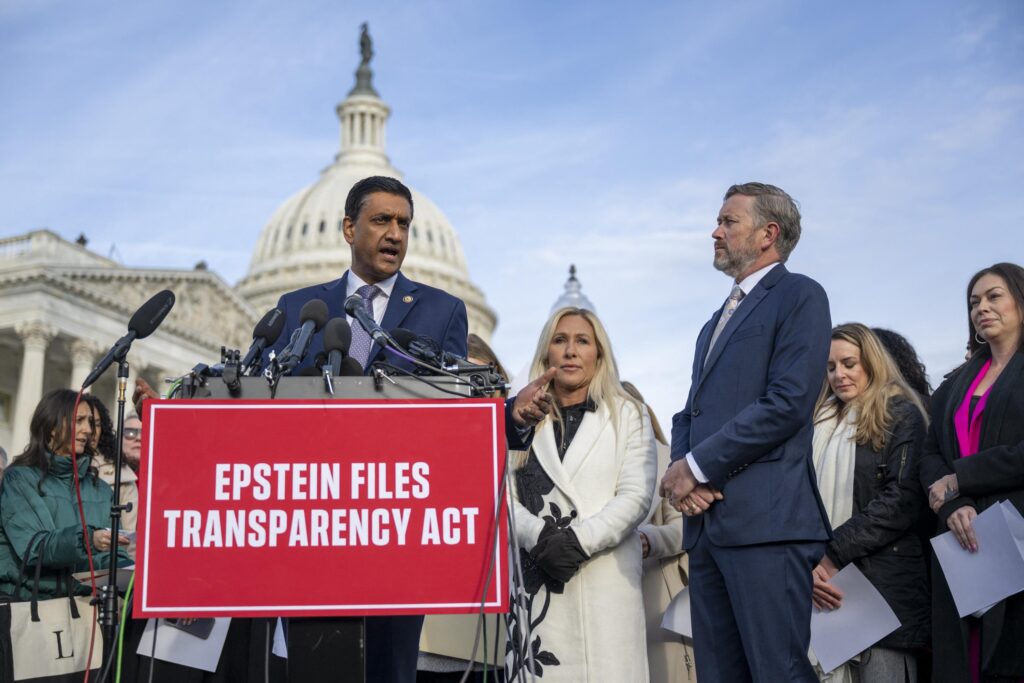
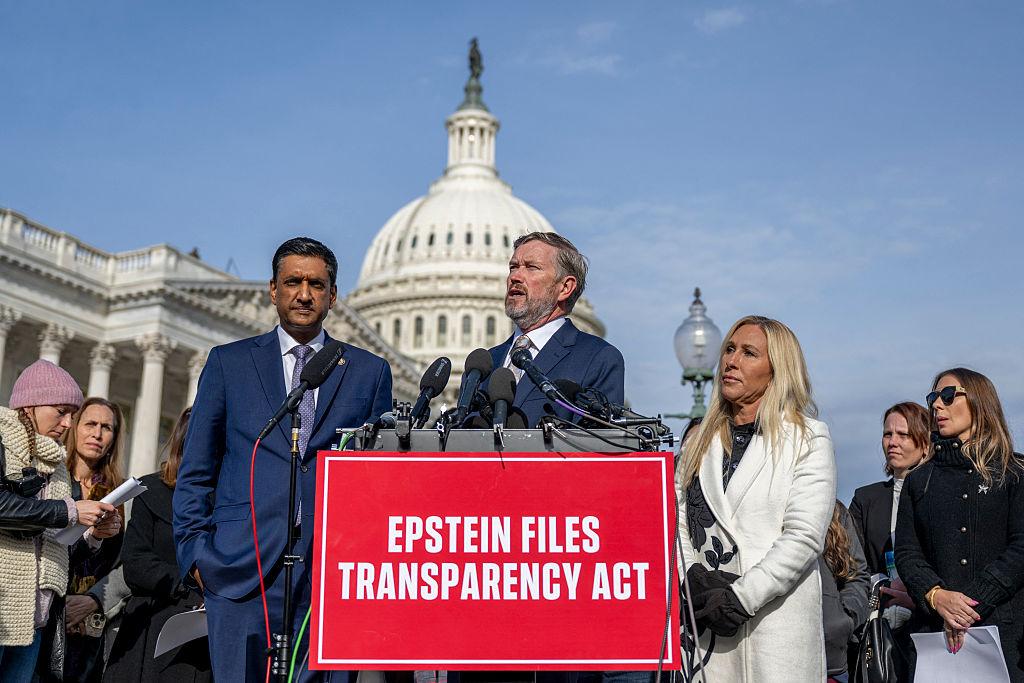
One of the central developments in this controversy has been the passage of the Epstein Files Transparency Act, legislation designed to mandate the full disclosure of federal records related to Epstein’s criminal activities. Although this bill passed the House and was poised for rapid Senate approval, its implementation became entangled in partisan debate. Republicans have been split: some supported the bill’s goals, while others pushed back, arguing about redactions, privacy, and the potential political fallout the disclosures might create.
Polls conducted around these developments show a majority of Americans — including sizable proportions of Republican and independent voters — want the full files released, reflecting a broader desire for openness and accountability from federal institutions. However, divisions over how to handle these disclosures continue to complicate the process, leaving some key questions unresolved.
Internal GOP Discord & Political Ramifications
The controversy over how the GOP has handled the Epstein files has also spilled into broader intra-party conflicts. High-profile conservative figures like Marjorie Taylor Greene have pushed for transparency and openly criticized former President Donald Trump’s handling of the issue, even at the cost of internal political friction. Greene’s comments underscore the growing divide between establishment Republican leadership and certain conservative factions pushing for a more aggressive stance.
This discord has political consequences: some analysts believe that perceived mishandling of the Epstein documents, coupled with public frustration over limited prosecutions beyond Epstein’s inner circle, may weaken GOP standing with key voter groups. Reports suggest that controversies like this could influence voter turnout and party loyalty, especially among women and independent voters who prioritize accountability and justice.
Public Trust, Accountability and the Broader Fallout
Critics argue that the aftermath of Epstein’s crimes and the release of federal files have eroded public trust in political and business leadership. Surveys show that many Americans feel powerful individuals connected to Epstein have escaped accountability — a sentiment that has contributed to broader skepticism about elite privilege and political protection. These feelings are intensified by the fact that, apart from Epstein himself and his close associate Ghislaine Maxwell, few figures have faced prosecution, despite extensive documentation of relationships with influential people.
Globally, the U.S. approach to Epstein’s network contrasts with how other countries have responded. In Europe, some high-profile figures connected to Epstein have faced legal consequences or public scrutiny, whereas the American response has been seen by some as more muted. This comparison has fed into the narrative that U.S. institutions are less willing or able to hold powerful figures accountable.
Why This Matters Now and What’s Next
The Republicans and Epstein controversy matters now because it underscores a pivotal moment in U.S. politics where issues of justice, transparency, and political loyalty intersect with public expectations. As more files and legislative actions continue to unfold, the public’s reaction to how elected officials handle this information could shape political discourse in upcoming elections and impact how future leaders address similar ethical challenges.
Government officials, legal experts, and citizens alike are watching closely as lawmakers navigate these complex issues, all while public pressure for accountability remains high. The way both major parties respond to these developments may have lasting implications for public trust in American democracy.
Subscribe to trusted news sites like USnewsSphere.com for continuous updates.