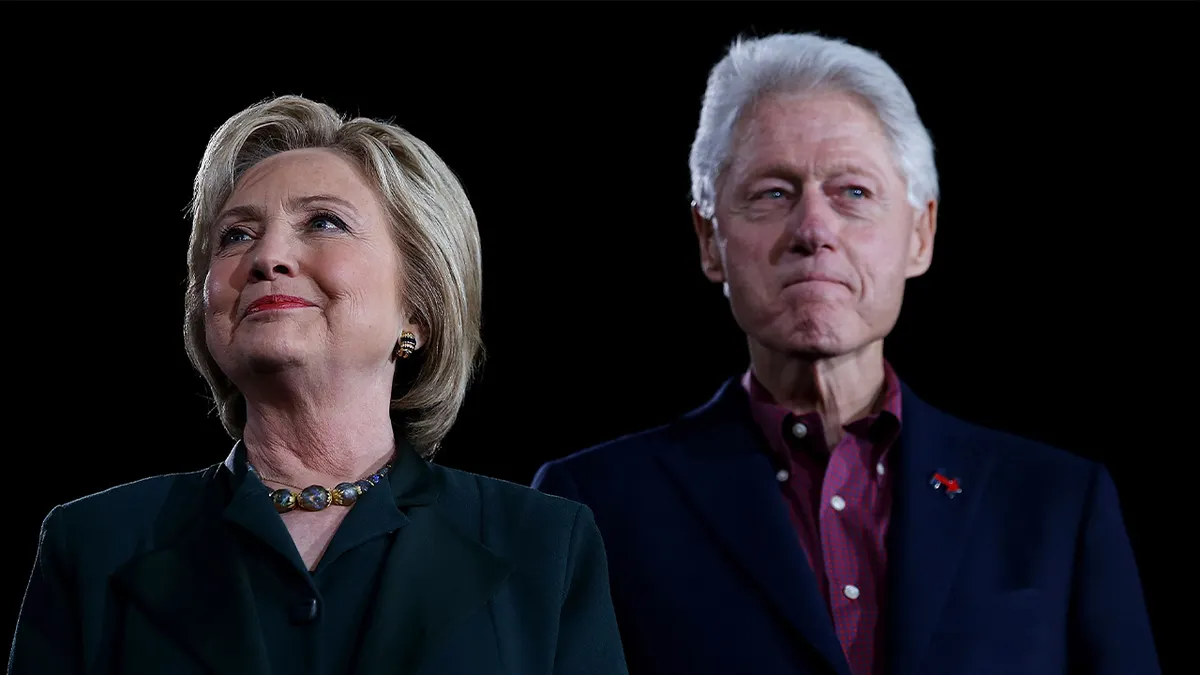
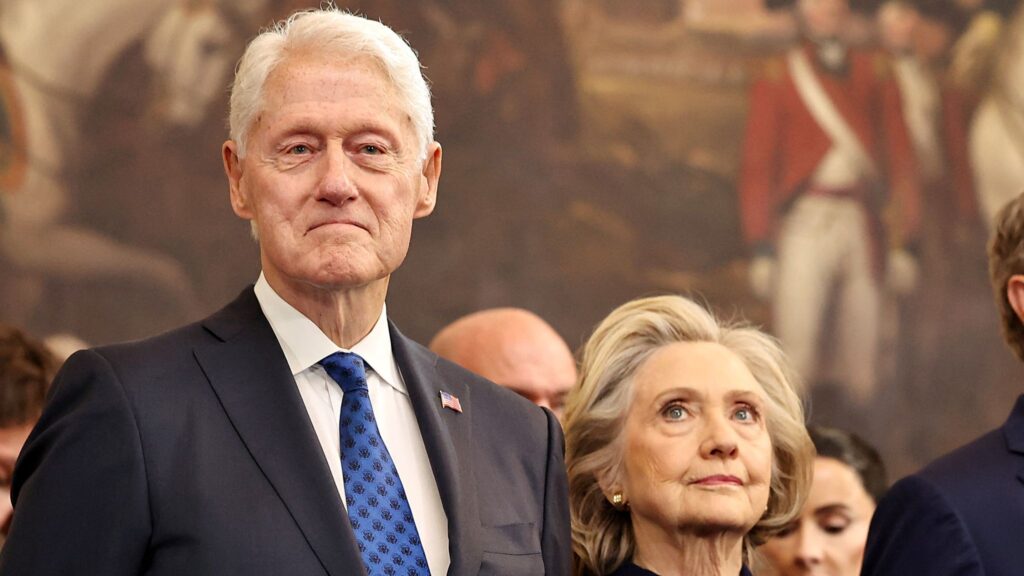
Bill and Hillary Clinton testified under oath in video depositions about their connections to late financier Jeffrey Epstein, marking one of the most significant political developments related to Epstein’s network in years. The released footage shows both Clintons denying any knowledge of Epstein’s criminal behavior, defending their past interactions, and sparking sharp reactions from lawmakers and the public. Why this matters now is that these videos have just been made public, elevating scrutiny of influential political figures and potentially reshaping trust in government transparency.
What’s new – for the first time, hours of recorded testimony that were previously private have been released to the public by the Republican-led U.S. House Oversight Committee. The videos reveal Bill Clinton’s account of his past associations with Epstein, including flights aboard Epstein’s private plane and meetings with his associates, and Hillary Clinton’s forceful denials of ever having met Epstein or known about his criminal conduct.
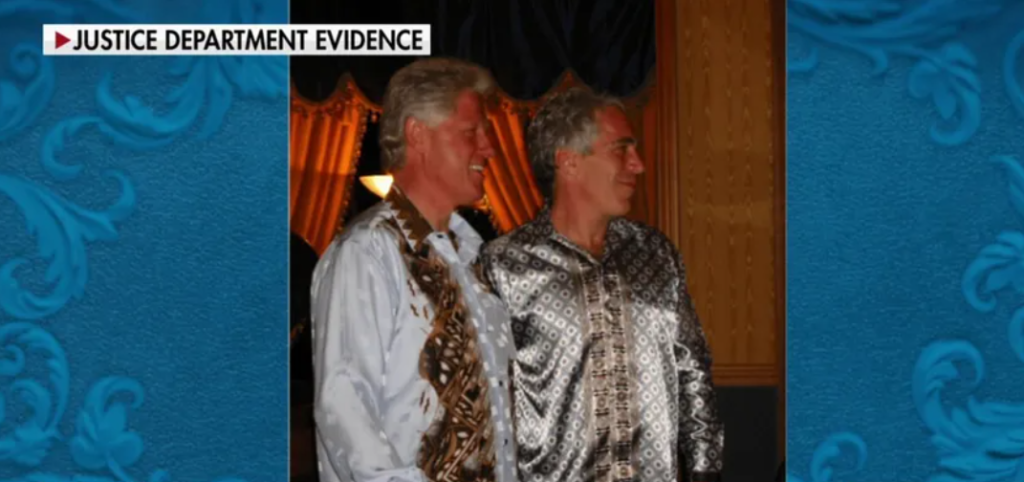
The depositions were part of a broader congressional probe into Epstein’s crimes and his ties to powerful individuals. Both former leaders, long subjects of conspiracy theories and public curiosity, now face renewed national attention. This release has triggered widespread debate about accountability, political bias, and public record transparency.
What Bill Clinton Said Under Oath About Epstein
In his video deposition, former President Bill Clinton insisted he had no knowledge of Epstein’s criminal activities and ended his association with him years before Epstein’s 2008 conviction. Clinton explained that he first met Epstein in the early 2000s when the financier helped arrange travel for Clinton’s global foundation work.
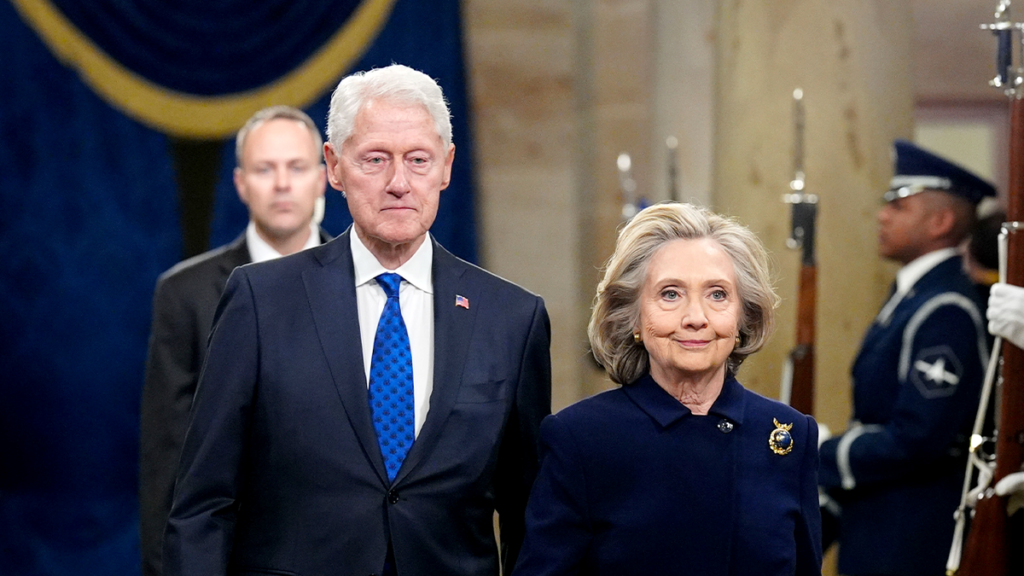
Clinton described flying on Epstein’s private jet multiple times but stressed that his interactions were limited to facilitating charitable travel, not social or personal involvement. He repeatedly denied visiting Epstein’s Caribbean island estate, refuted having any awareness of sex trafficking, and said there was “nothing that made me realize he was trafficking women.”
The former president also recounted that he was introduced to Epstein by a mutual acquaintance and that their relationship ended when his foundation could secure other travel options. On multiple occasions, Clinton stressed that being named or pictured in Epstein-related files does not itself imply wrongdoing.
Hillary Clinton’s Testimony and Emotional Rebuttals
Former Secretary of State Hillary Clinton, in her portion of the deposition, categorically denied ever meeting Epstein or having any substantive interaction with him. She stated that she did not recall any encounters with Epstein, and she described discussions about him during the deposition process as uncomfortable and politically charged.
During the questioning, Hillary also addressed Epstein’s associate Ghislaine Maxwell, whom she described as only a casual acquaintance from social circles rather than a close friend. She expressed frustration with what she saw as political grandstanding by some lawmakers and emphasized that she had no involvement in Epstein’s operations or social network.
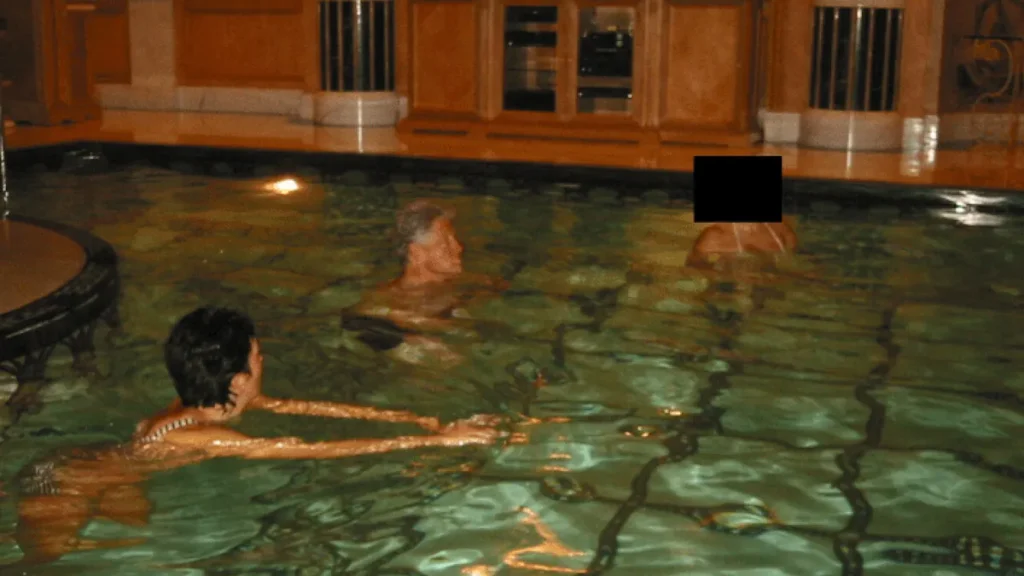
At one point, when a photo from the deposition room was shared without authorization, Hillary Clinton reacted sharply and briefly walked out of the session, describing the action as a breach of protocol. The exchange underscored the emotional intensity of the proceedings and reflected deep partisan divisions on Capitol Hill.
Political Reactions: Divisions and Demands for Transparency
The release of these videos has ignited immediate political reaction. Republicans leading the Oversight Committee argue that the public deserves transparency about powerful figures and their associations with Epstein. They say the depositions are a critical piece of understanding how someone with Epstein’s record could maintain connections across elite social networks.
Meanwhile, Democrats have both defended the Clintons and echoed the call for full public disclosure of transcripts and related documents. They accuse Republicans of using the depositions for political theater rather than genuine accountability. Some Democratic lawmakers have even suggested that others connected to Epstein, including former President Donald Trump, should be asked to testify.
The tension reflects deep partisan fault lines in Washington, where issues of transparency, accountability, and political optics collide. For many in the public, the videos raise questions about how much powerful individuals truly knew about Epstein’s crimes and how transparent officials were in their disclosures.
Why This Story Matters Now
This release matters because it brings to light direct testimony from two of the most prominent political figures in modern U.S. history, under oath, about their connections to a criminal whose network reached into many powerful circles. With voters increasingly skeptical of elite privilege and secrecy, these videos could influence public trust, upcoming elections, and broader debates on accountability.
What Comes Next
The public release of these depositions does not close the book on the Epstein investigation. Congressional committees, civil rights groups, and legal analysts are calling for the continued release of related files, transcripts, and records. Some want a full public hearing; others are pushing for judicial or congressional proceedings with sworn testimony available in full.
More importantly, this episode will likely fuel ongoing discussions about how political figures interact with controversial individuals and how much the public should be entitled to know.
Subscribe to trusted news sites like USnewsSphere.com for continuous updates.