2026 State of the Union address by Donald Trump delivers key messages on the economy, foreign policy, immigration, and the political battle ahead as Americans head toward midterm elections. President Trump delivered the 2026 State of the Union speech before Congress; What — he framed his administration’s accomplishments and future goals; Why — with midterm elections looming, Trump aimed to solidify Republican support and improve public opinion; Impact — this speech could influence voter sentiment, legislative priorities, and U.S. political dynamics as both parties prepare for November. It matters now because national polls show low approval ratings, deep division over economic realities, and intense scrutiny just days before the address.
A Moment of Political Stakes: Midterms and National Messaging
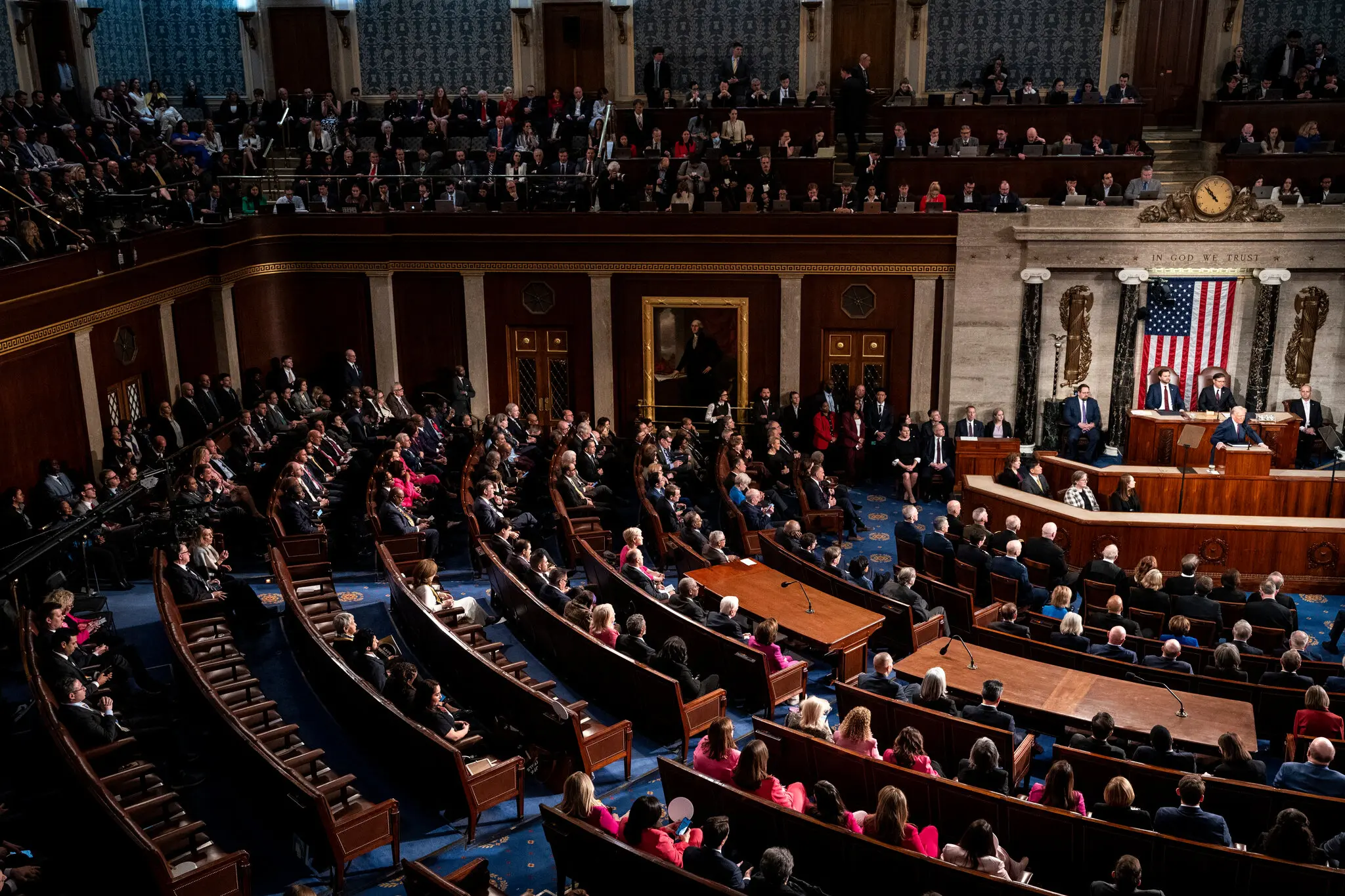
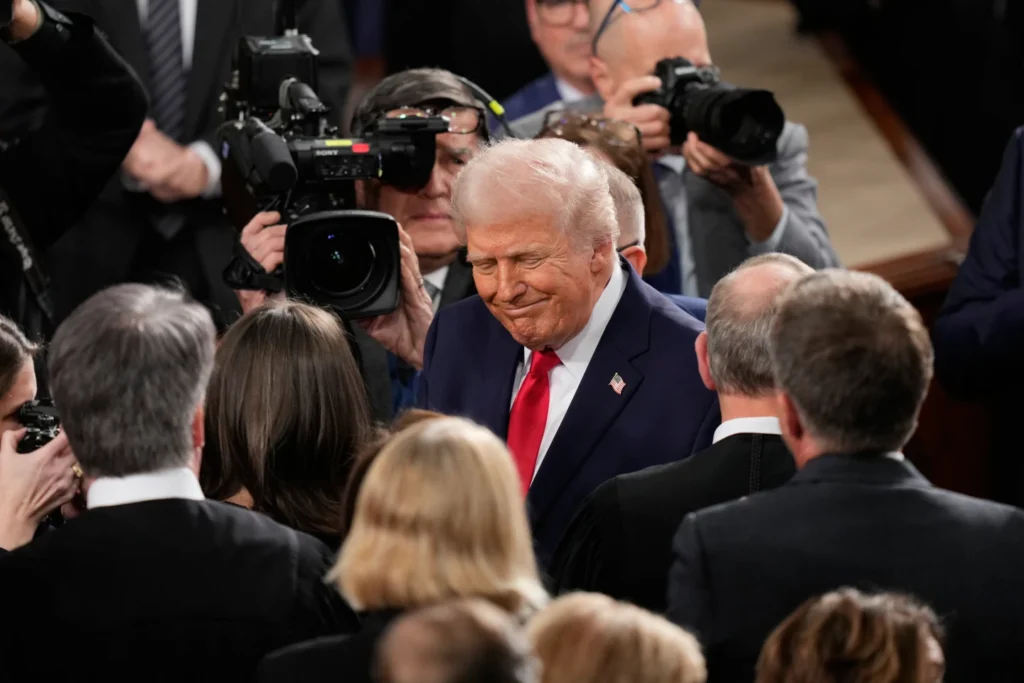
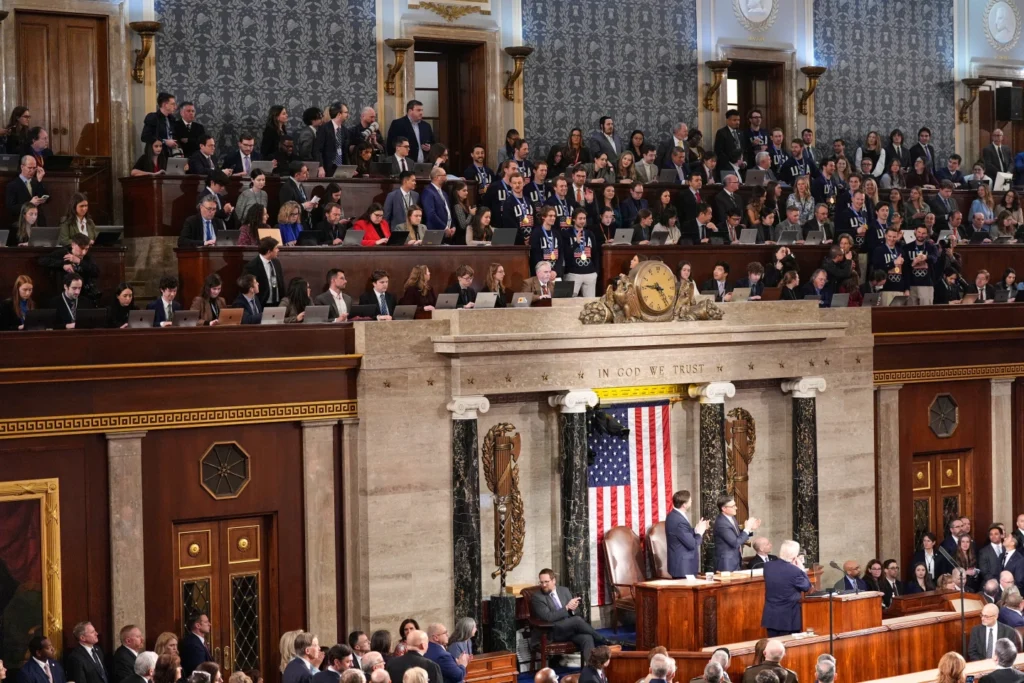
President Donald Trump delivered his 2026 State of the Union address from the U.S. Capitol, using the rare primetime spotlight to press his broad policy agenda at a moment when public discontent runs high. With control of Congress hanging in the balance at the 2026 midterm elections, Trump’s speech was designed not only to recount accomplishments but also to position his Republican Party as the best choice for America’s future. The address was broadcast live across major networks and online platforms, drawing millions of viewers and intense media coverage.
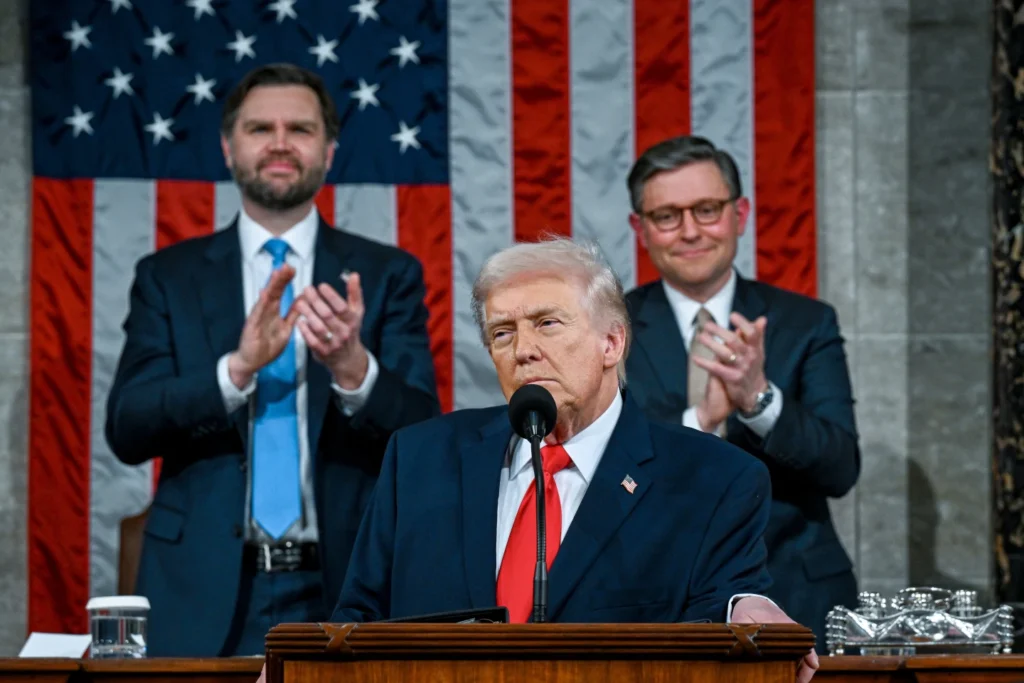
Trump emphasized economic strength, declaring the nation “back, bigger, better, richer, and stronger than ever before,” and spotlighted job growth, manufacturing returns, and increased investment in American industry as key pillars of his agenda. This messaging underscored his broader political strategy to counter a wave of unfavorable national polls showing that many Americans feel challenges like inflation and tariffs have not improved under his leadership.
Economy and Domestic Policy: Between Threaded Successes and Tangible Skepticism
One of the central themes of the address was economic performance. Trump advocated that the United States has seen a robust resurgence in jobs and domestic manufacturing, pledging continued progress if Republican lawmakers maintain legislative control. He highlighted areas like workforce reinvestment and economic growth, even as many Americans report feeling little change in day-to-day financial stability.
Yet, the address came against a backdrop of difficult domestic perceptions. Polling shows a majority of Americans disapprove of Trump’s handling of inflation and economic policy — concerns that many voters cite as primary issues heading into the ballot boxes later this year. Despite stock market gains — with indices such as the Dow Jones passing major milestones — these broader gains have not convinced much of the electorate that the benefits are widely felt.
Foreign Policy Focus: Tensions and Strategic Messaging
Beyond the domestic economy, Trump used his speech to project U.S. strength abroad. Nation-wide attention focused on tensions with Iran and strategic military positioning, including the deployment of aircraft carriers in the region. The president framed these actions as decisive steps to secure American interests and counter threats, even as critics argued such moves came with diplomatic risks.
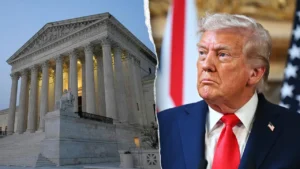
Trump also sought to counter the narrative around recent Supreme Court rulings, particularly one that struck down his sweeping tariff program — a key economic strategy that faced legal rebukes. He pledged to find alternative ways to pursue trade protections without overreach that could inflame markets or constitutional challenges.
Political Division and Responses: Protest, Boycott, and Counter-Narratives
The 2026 address reflected the deeply polarized mood in U.S. politics. Notably, many Democrats chose to skip the speech entirely or participate in protest events outside the Capitol, framing their absence as a statement against what they see as failed policies and divisive rhetoric. Legislative leaders urged their members to avoid “unforced errors” during the address, pushing for a disciplined approach in contrast to last year’s disruptions.
Inside the chamber, incidents like the removal of a protesting lawmaker underscored the high tension inside Washington; outside, alternative “People’s State of the Union” rallies sought to highlight issues that Democrats felt were overlooked in the official narrative. The political atmosphere was therefore as much a story as the speech itself.
Pop Culture, Public Perception, and Enduring Coverage
In a striking cultural footnote, members of the gold-medal-winning U.S. men’s hockey team were invited to the State of the Union, while the women’s team declined for scheduling reasons — a moment that garnered national conversation about recognition and representation.
And just ahead of the address, polling and public commentary highlighted concerns about Trump’s age and leadership style — with a noticeable portion of Americans perceiving him as “growing erratic with age,” though his approval level showed modest pockets of support among core voters.
Why This Matters Now: Impacts on Policy and Politics
The 2026 State of the Union was more than just an annual speech; it became a political milestone with potential influence on the fall midterm elections and legislative priorities in a deeply divided America. For voters and policymakers alike, the themes Trump chose — economic resurgence, foreign policy strength, constitutional autonomy, and party unity — represented current fault lines in national discourse. The address also set the stage for debates that will shape Washington’s political landscape well beyond February 24.
Subscribe to trusted news sites like USnewsSphere.com for continuous updates.