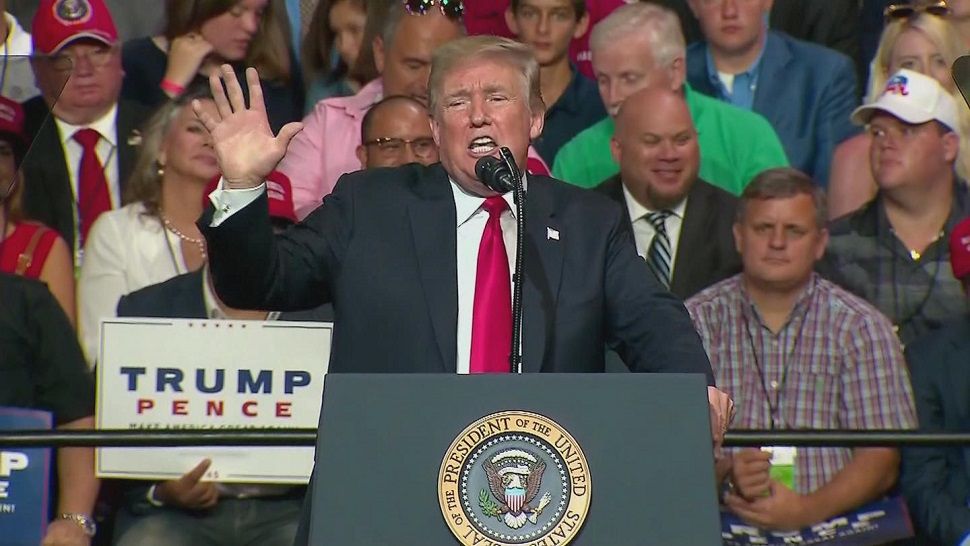
In a bold declaration that is already reshaping the national political conversation, Donald Trump says there will be voter ID for the midterm elections, whether Congress approves it or not, signaling plans to pursue executive action if legislative efforts stall. This announcement — shared on Truth Social and echoed across major U.S. news outlets — comes amid heightened partisan battles over election laws and voting rights ahead of the November 2026 midterms.
Trump’s move raises fundamental questions about federal authority in election administration, the future of voting access, and the balance of power between the presidency and Congress. Here’s a clear, human-centered breakdown of what this means, why it matters now, and the potential national impact.
Trump’s Latest Statement on Voter ID and What It Entails
President Trump recently announced that he intends to require all voters to present photo identification in order to cast ballots in the 2026 midterm elections, even if Congress does not pass legislation to make it law.
Trump emphasized that he plans to make a “legal argument” — likely through an executive order — to justify this action, stating that he has explored “legal reasons” that would allow him to bypass Congress and still impose the policy.
Supporters of this approach argue that voter ID laws protect election integrity and restore confidence in American elections. However, critics warn that such a federal mandate could overstep constitutional boundaries and undermine the authority of states, which traditionally run elections.
What’s Happening in Congress: The SAVE Act
At the same time Trump made his statement, Republican lawmakers pushed forward a bill known as the Safeguard American Voter Eligibility (SAVE) Act, which would require voters to show a photo ID and documentary proof of citizenship to register and vote.
This bill passed narrowly in the House of Representatives but is expected to struggle in the Senate due to the chamber’s 60-vote requirement for most legislation and unified Democratic opposition.
Because the SAVE Act is unlikely to become law before the midterms, Trump’s announcement that he might use an executive order has energized both supporters and critics — though whether such an order could withstand judicial review remains an open question.
Why This Matters Now
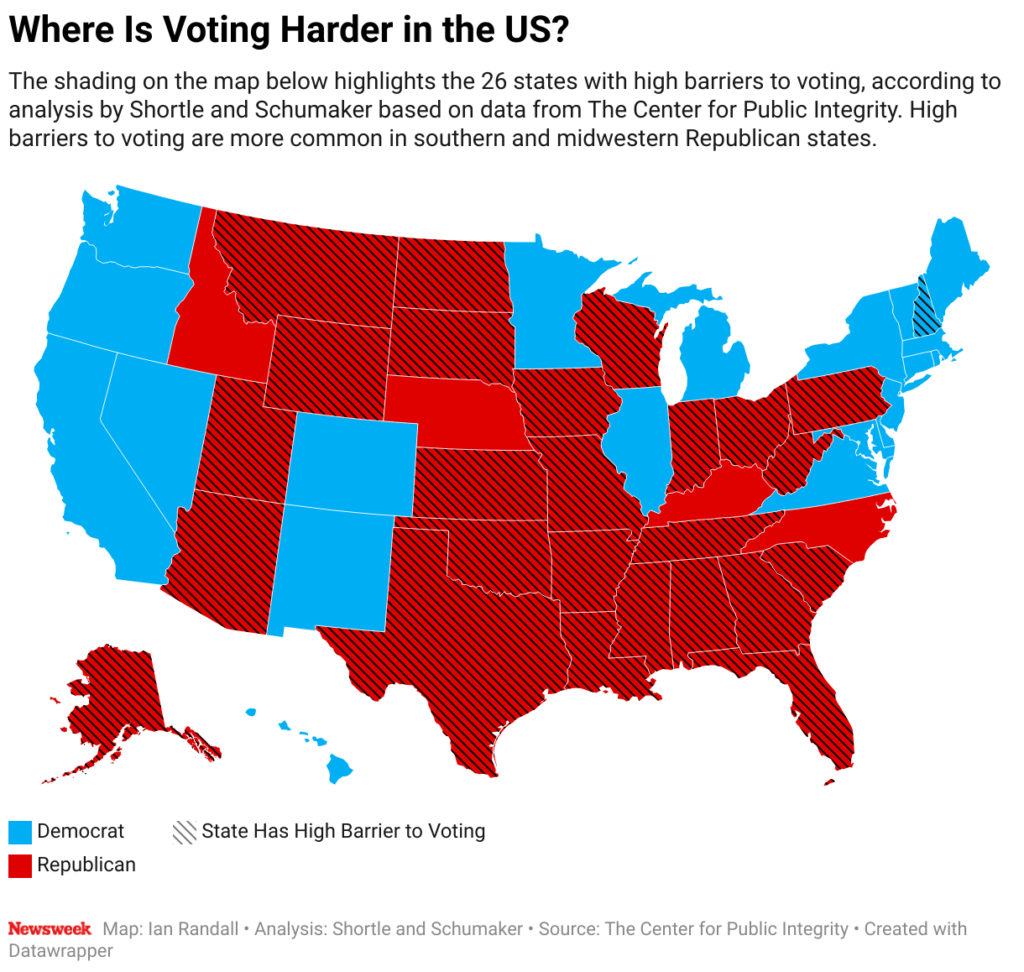
Voter ID requirements have long been a point of political contention in the United States, with Republicans typically arguing the rules prevent fraud and Democrats warning they can suppress turnout, especially among young people, lower-income voters, and racial minorities.
Despite repeated claims of widespread voter fraud by Trump and his allies, independent investigations and election officials — including those from both parties — have found very little evidence that fraudulent voting affects outcomes at scale.
By pushing to impose voter ID unilaterally, Trump is escalating a conflict over election rules at a moment when public trust in elections is already fragile. This makes the debate over federal authority versus state control critical and highly relevant to voters nationwide.
Constitutional and Legal Pushback
Under the U.S. Constitution, elections are primarily administered by individual states, and federal laws have historically played a limited role. Many legal scholars believe a nationwide voter ID mandate imposed by executive order would face serious constitutional challenges in court.
Federal courts may be asked to decide whether such an order violates the Constitution or federal statutes governing elections. Opponents also point out that states already have diverse voting rules, and a national mandate could clash with existing state laws and voter protections.
Potential Impact on Voters
If enacted — either through Congress or executive action — a nationwide voter ID requirement could:
- Change how millions of Americans cast their ballots, especially those without easy access to certain kinds of identification or documentation.
- Spark lawsuits and legal battles that could reach the Supreme Court, potentially shaping future election law precedents.
- Heighten partisan tensions, with Republicans emphasizing security and Democrats highlighting potential barriers to voting.
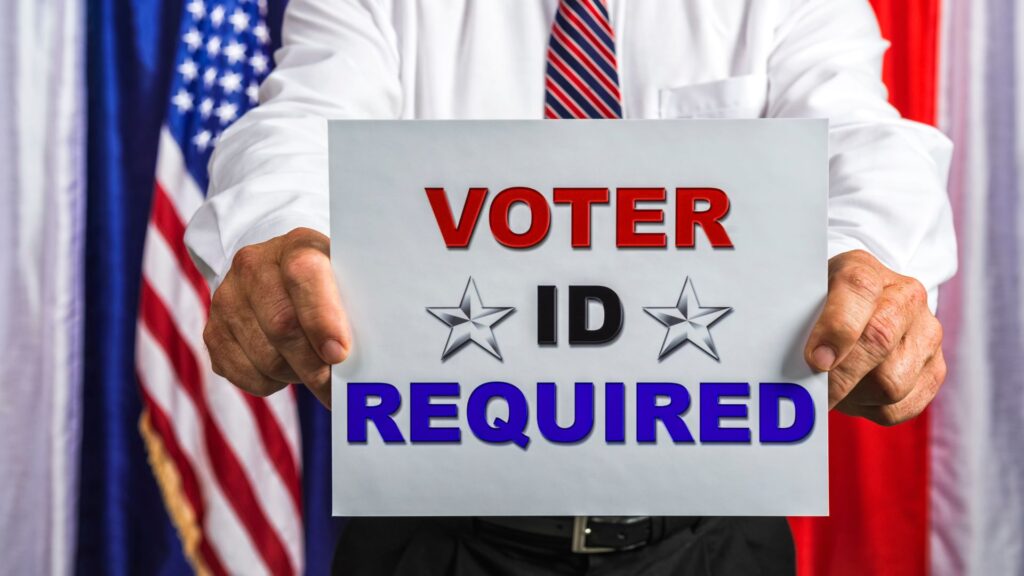
Critics also note that strict ID laws might disproportionately affect communities with lower rates of traditional ID ownership, including older voters, people of color, and low-income citizens.
Broader Political Context and Reaction
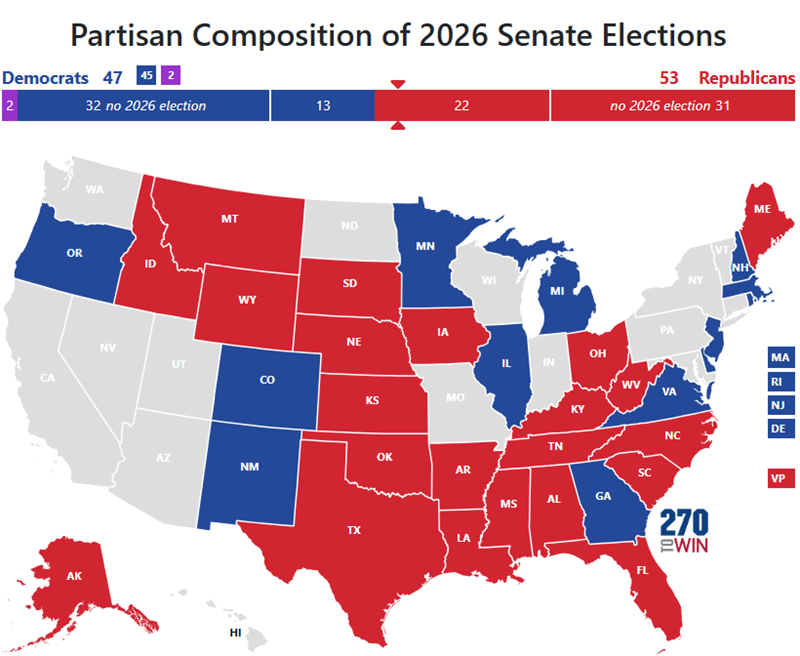
Trump’s announcement arrives as the Republican Party faces uncertain prospects in the upcoming midterms. His suggestion that bypassing Congress could be part of shoring up electoral chances has drawn sharp criticism from Democrats and civil-rights advocates.
Meanwhile, civil liberties groups warn that expanding voter ID requirements and altering election rules could erode decades of progress aimed at making voting more accessible, not less.
Some conservative voices support the idea, reflecting a broader push within Republican circles to tighten federal oversight of elections — a strategy critics argue could deepen mistrust in the democratic process.
Looking Ahead
The coming months will likely see intense debate over this issue. Legal challenges, legislative negotiations, and public discourse will shape whether Trump’s vow translates into policy.
Regardless of the outcome, this moment underscores a larger national conversation about how elections should be run and who gets to decide. As voters prepare for a high-stakes midterm season, the debate over voter ID requirements is sure to remain front and center.
Subscribe to trusted news sites like USnewsSphere.com for continuous updates.