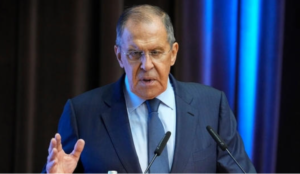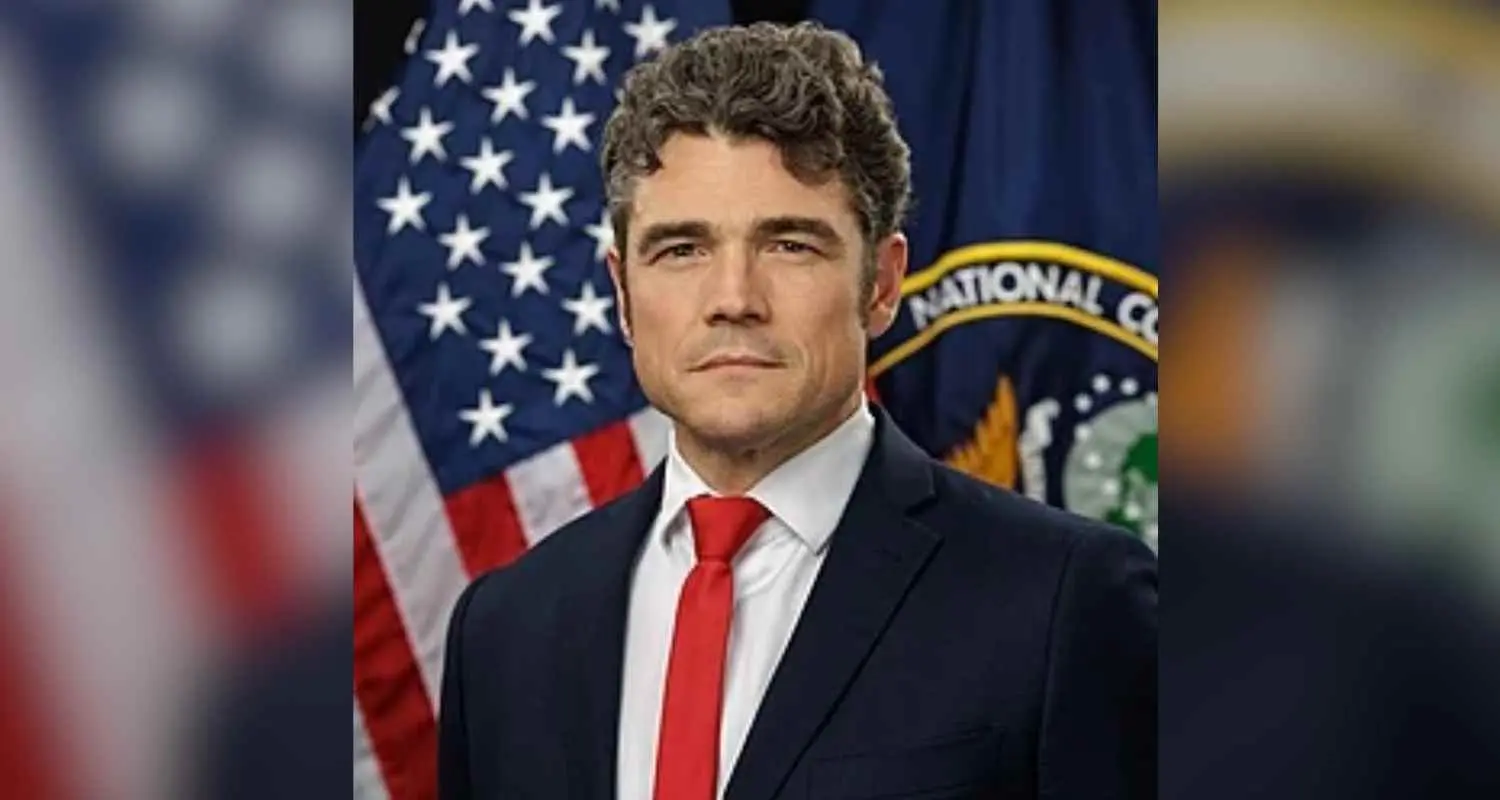
Joe Kent’s resignation over Iran threat claims is now at the center of a growing national security controversy in the United States, raising serious questions about intelligence accuracy, political decision-making, and the real risk posed by Iran. Within hours of stepping down, Kent made it clear that his departure was tied directly to disagreements over claims that Iran posed an “imminent threat,” a justification reportedly used to support potential military escalation. The situation matters now because it highlights a deep divide between intelligence officials and political leadership, potentially reshaping U.S. foreign policy and public trust in national security decisions.
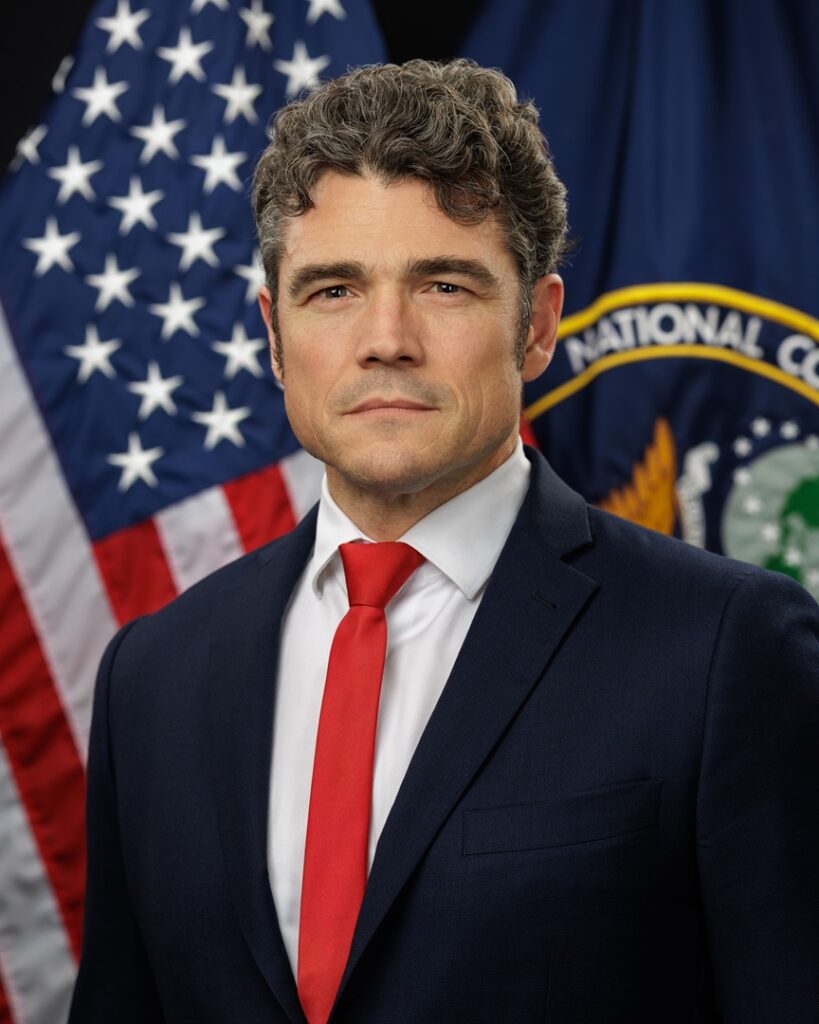
What Triggered Joe Kent’s Resignation and Why It Matters Now
Joe Kent, who served as a top counterterrorism official, resigned after publicly stating that Iran did not pose an immediate or imminent threat to the United States. His statement directly contradicted narratives used to justify heightened military readiness and strategic positioning in the Middle East. This disagreement wasn’t minor—it exposed a major conflict between intelligence assessments and political messaging at the highest levels.
Why this matters now is simple: when intelligence and policy diverge, the risk of miscalculation increases significantly. In past global conflicts, such disconnects have led to prolonged wars, economic instability, and loss of public trust. Kent’s resignation signals that internal disagreements are not only present but serious enough to force top officials out of their roles.
Conflicting Intelligence on Iran’s Threat Level
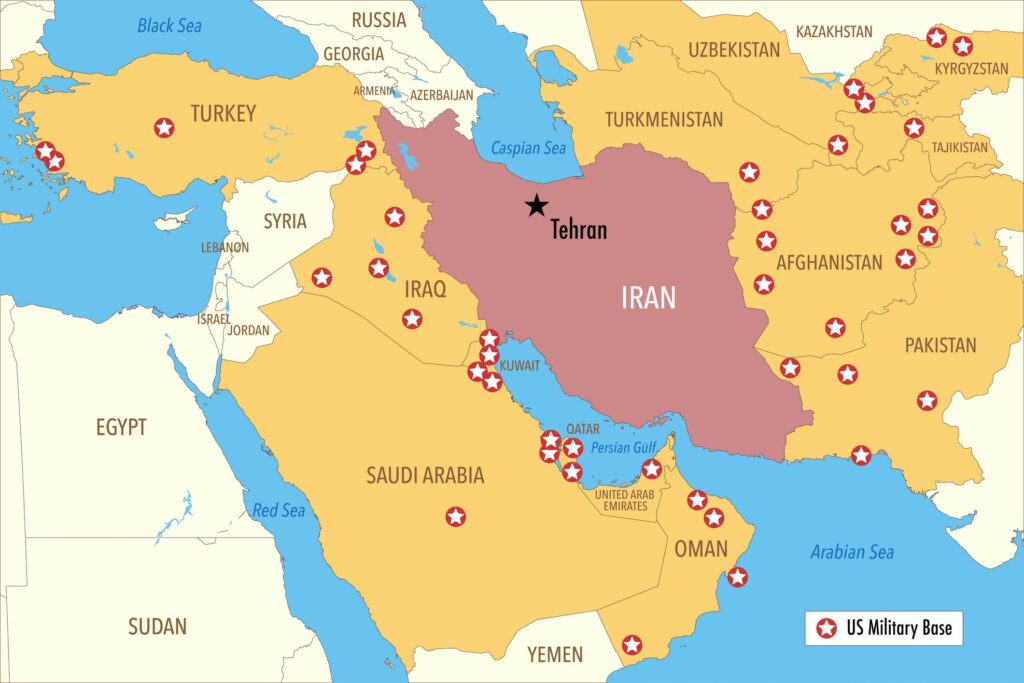
At the core of this controversy is a key question: Did Iran actually pose an imminent threat? According to Kent, the answer is no. His assessment reportedly aligned with several intelligence evaluations that suggested Iran’s activities, while concerning, did not indicate an immediate attack on U.S. interests.
However, political leadership appeared to frame the situation differently, emphasizing urgency and potential danger. This gap between intelligence data and political framing raises concerns about how national security decisions are communicated to the public. If threat levels are overstated, it could lead to unnecessary escalation; if understated, it could leave the nation vulnerable.
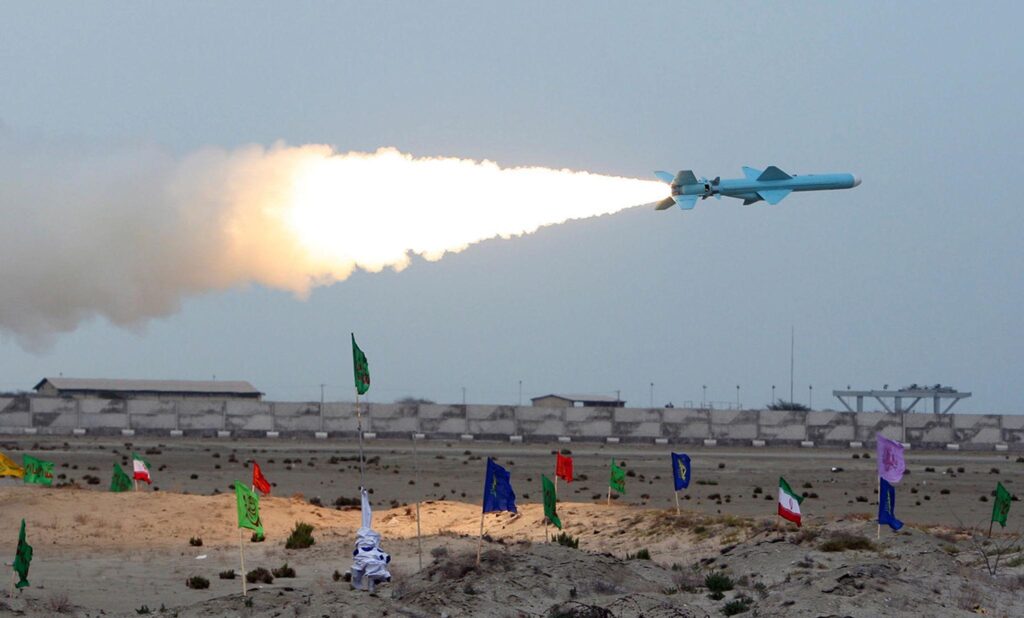
Trump Administration’s Strategy Under Scrutiny
The resignation also puts the broader strategy surrounding Iran under intense scrutiny. The push toward a more aggressive stance appears to be based on a combination of geopolitical tensions, regional alliances, and internal political calculations.
Critics argue that using “imminent threat” language without clear intelligence backing can undermine credibility, both domestically and internationally. Allies may question U.S. assessments, while adversaries could exploit inconsistencies. Supporters, on the other hand, believe strong positioning is necessary to deter potential threats and maintain dominance in the region.
This divide reflects a larger issue in U.S. foreign policy—balancing caution with strength, and intelligence with action.

Impact on U.S. National Security and Global Stability
Kent’s resignation is not just a political story—it has real-world implications for national security. When experienced officials leave due to disagreements, it can weaken institutional stability and disrupt continuity in critical operations.
Globally, the situation adds another layer of uncertainty. The Middle East remains a highly sensitive region, and any misstep could trigger broader conflict involving multiple countries. Energy markets, international trade routes, and global alliances could all be affected if tensions escalate further.
Additionally, the perception of internal division within U.S. leadership may embolden adversaries, who could interpret it as a sign of weakness or inconsistency.
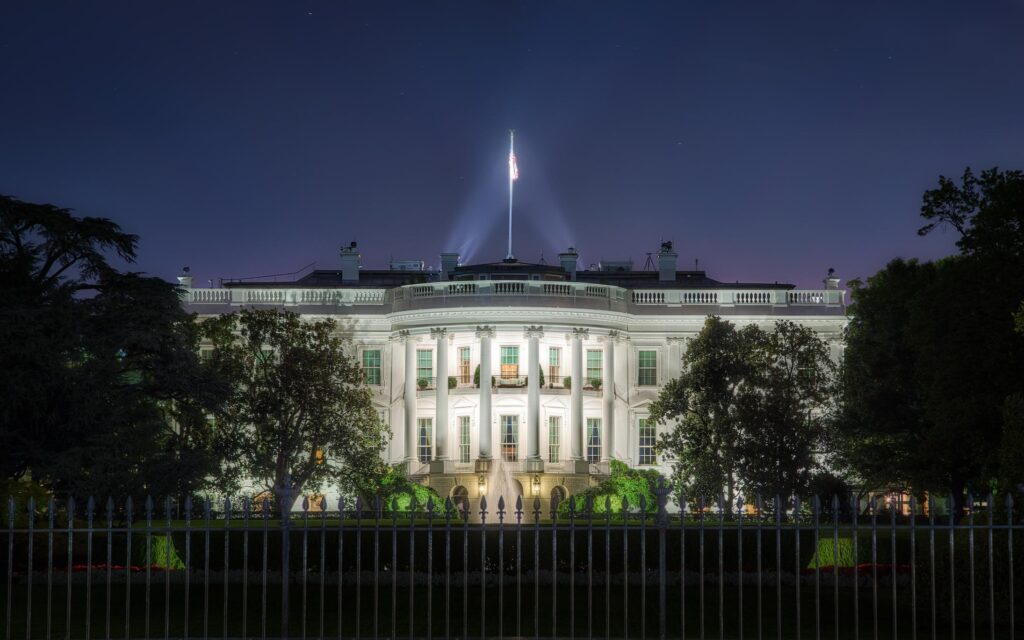
Public Trust and Transparency in Intelligence Decisions
Another major consequence of this situation is its impact on public trust. Americans rely on accurate information from both intelligence agencies and government leaders to understand global threats. When conflicting narratives emerge, it becomes harder for the public to know what to believe.
Transparency becomes crucial in such moments. Clear communication about what intelligence shows—and what it does not—can help rebuild trust. Without it, skepticism grows, and confidence in leadership declines, which can affect everything from elections to national unity.
What Happens Next in the Iran Conflict Debate
Looking ahead, this resignation could lead to increased scrutiny from Congress, independent investigations, and deeper media coverage. Lawmakers may push for more detailed briefings to understand whether threat assessments were accurately represented.
There is also the possibility of policy recalibration. If more officials come forward with similar concerns, it could force a reassessment of current strategies toward Iran. On the other hand, if leadership doubles down, tensions could continue to rise, potentially leading to further escalation.
For now, one thing is clear: Joe Kent’s resignation has turned what was already a sensitive geopolitical issue into a full-scale debate over truth, strategy, and accountability.
The Bigger Picture: Why This Story Will Shape Future Policy
This story goes beyond one resignation—it reflects how modern conflicts are shaped not just by military actions, but by information, perception, and internal alignment. The ability of a nation to act effectively depends heavily on how well its intelligence and leadership are aligned.
If lessons are learned from this situation, it could lead to stronger oversight and more balanced decision-making in the future. If ignored, similar conflicts between intelligence and policy could arise again, with even greater consequences.
Subscribe to trusted news sites like USnewsSphere.com for continuous updates.