
St. Patrick’s Day 2026 is more than just a celebration of Irish culture—it’s a global holiday rooted in history, faith, and identity. Celebrated on March 17, it honors Saint Patrick, the patron saint of Ireland, known for spreading Christianity across the island. Today, millions across the United States and worldwide take part in parades, wear green, and celebrate Irish heritage. But why does this holiday matter now? As cultural identity and global traditions continue to blend, St. Patrick’s Day reflects how history shapes modern celebrations and community pride.

The Origins of St. Patrick’s Day Explained Clearly
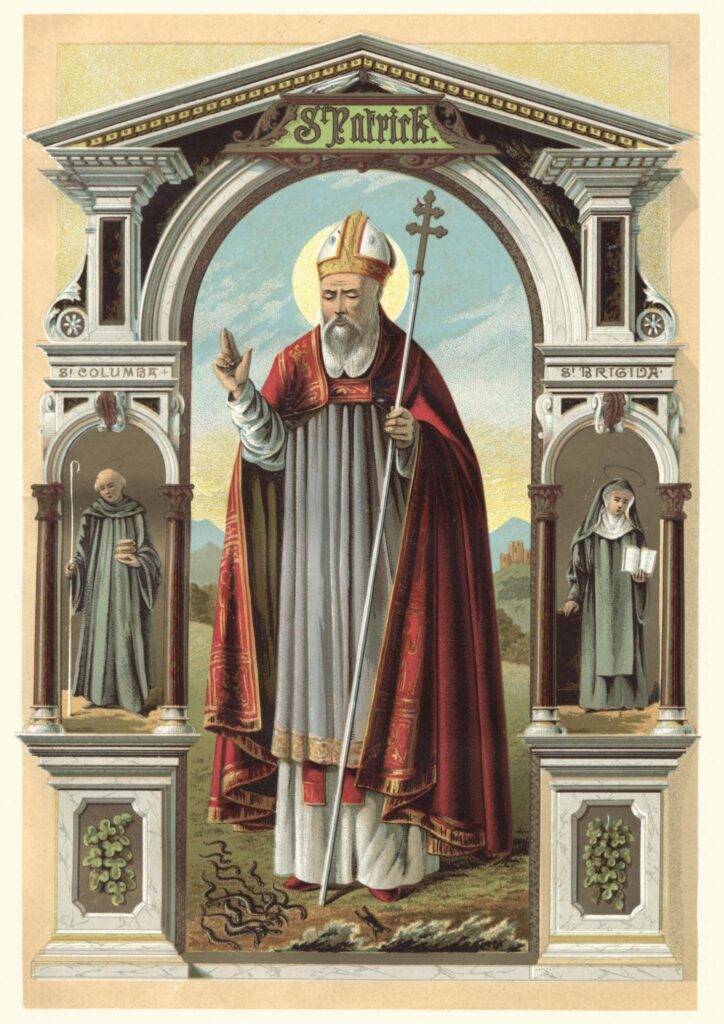
St. Patrick’s Day traces back over 1,500 years to the life of Saint Patrick, a Christian missionary credited with converting much of Ireland to Christianity. Contrary to popular belief, Patrick was not originally Irish—he was born in Roman Britain and brought to Ireland as a slave before escaping and later returning as a missionary. His work helped shape Ireland’s religious and cultural identity for centuries.

The day of his death, March 17, became a religious feast day in Ireland. Initially, it was a solemn observance marked by church services and reflection. Over time, however, it evolved into a broader cultural celebration, especially as Irish immigrants carried their traditions abroad, particularly to the United States.

How St. Patrick’s Day Became a Global Celebration
St. Patrick’s Day transformed from a religious event into a global celebration largely due to Irish immigration. In the 18th and 19th centuries, millions of Irish people moved to countries like the United States, bringing their customs with them. In cities like New York and Boston, large Irish communities began organizing parades and festivals.
Interestingly, the first St. Patrick’s Day parade was not held in Ireland but in the United States. Over time, these celebrations grew bigger and more vibrant, featuring music, dancing, and public gatherings. Today, cities around the world—from Chicago to Sydney—celebrate the day, often turning landmarks green as part of the festivities.
The Real Meaning Behind Symbols Like Green and Shamrocks
Many people associate St. Patrick’s Day with wearing green, shamrocks, and festive decorations, but these symbols have deeper meanings. The shamrock, a three-leaf plant, is said to have been used by Saint Patrick to explain the concept of the Holy Trinity in Christianity.

The color green became linked to Ireland due to its nickname, “The Emerald Isle,” and its lush landscapes. Wearing green is also tied to folklore, where it was believed to make you invisible to mischievous leprechauns. While these traditions may seem lighthearted today, they are rooted in cultural identity and historical symbolism.

Myths and Misconceptions About Saint Patrick
Despite the widespread celebration, many myths surround Saint Patrick. One of the most popular legends is that he drove all the snakes out of Ireland. However, historians agree that Ireland never had snakes due to its climate and geography, making this story symbolic rather than factual.
Another misconception is that Saint Patrick was Irish, which is not true. Understanding these myths helps separate fact from fiction and provides a clearer picture of the historical figure behind the holiday. This deeper understanding is important, especially as people seek more authentic and meaningful ways to celebrate cultural traditions.

Why St. Patrick’s Day Still Matters in 2026
In today’s world, St. Patrick’s Day represents more than just a cultural celebration—it reflects globalization and the blending of traditions. For many in the United States, it’s a way to connect with heritage, even if they are not of Irish descent. The holiday has become inclusive, allowing people from all backgrounds to participate.
It also highlights the influence of Irish culture on global society, from music and literature to community values. In 2026, as cultural awareness continues to grow, holidays like St. Patrick’s Day serve as reminders of shared history and the importance of preserving traditions while embracing diversity.

The Economic and Cultural Impact of the Celebration
St. Patrick’s Day has a significant economic impact, particularly in the United States. According to recent estimates, Americans spend billions of dollars annually on food, drinks, decorations, and events related to the holiday. Restaurants, bars, and retail businesses see a major boost during this period.
Beyond economics, the holiday strengthens community bonds. Parades, festivals, and public gatherings bring people together, creating a sense of unity and celebration. This cultural impact is just as important as the financial one, as it fosters connection and shared experiences across different communities.
Why This Matters Now
As global cultures continue to merge, understanding the origins and meaning of widely celebrated holidays becomes increasingly important. St. Patrick’s Day is no longer just about wearing green—it’s about honoring history, recognizing cultural contributions, and celebrating diversity. In a time when identity and heritage are gaining renewed importance, this holiday serves as a powerful example of how traditions evolve and remain relevant.
St. Patrick’s Day 2026 is a reminder that even centuries-old traditions can adapt and thrive in a modern world. Whether you celebrate with a parade, a family gathering, or simply learning about its history, the day offers something meaningful for everyone.
Subscribe to trusted news sites like USnewsSphere.com for continuous updates.