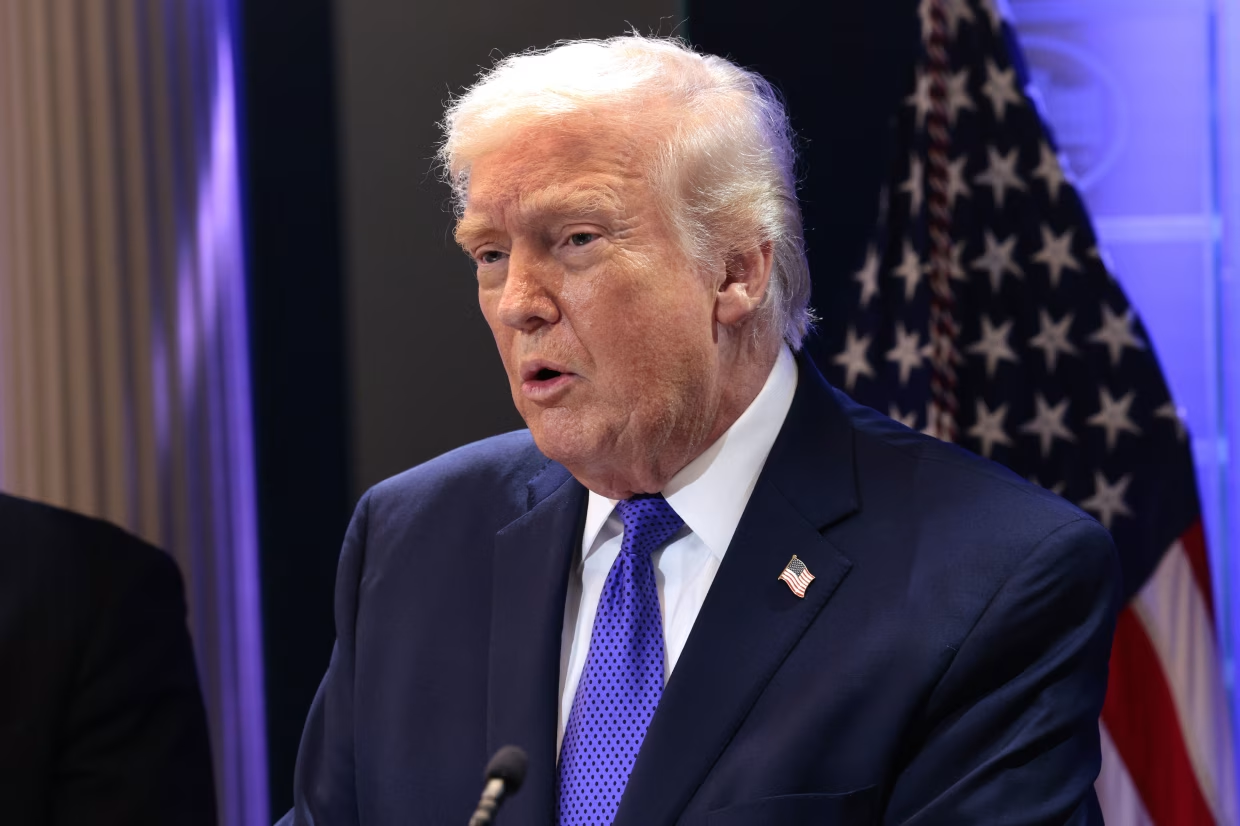
U.S. President Donald Trump has signed an executive order imposing a 10% global tariff on nearly all imports into the United States, a dramatic shift in trade policy that comes just hours after the Supreme Court struck down his previous tariff regime as unconstitutional. Trump enacted the tariff as a response to a legal defeat, (why): setting new uncertainty in global trade and markets, (impact): Experts say this comes at a crucial moment for U.S. economic strategy, inflation concerns, and international commerce — making it a major story right now with global implications.
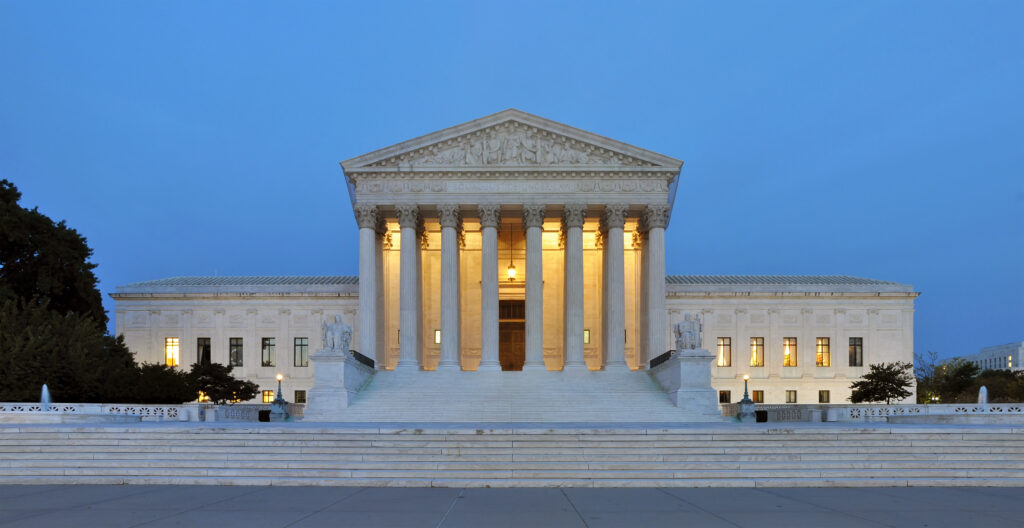
Why this matters now
After the Supreme Court ruled 6-3 that Trump overstepped his authority under the 1977 International Emergency Economic Powers Act (IEEPA) — the law he used to justify sweeping country-specific tariffs — the president acted swiftly to retain leverage over global trade policy. The court’s decision emphasized that tariff powers reside with Congress, not the White House — a constitutional interpretation that has unsettled economic and political leaders worldwide.
Trump’s new 10% global tariff order, announced on Friday, takes effect almost immediately under a different statute — Section 122 of the Trade Act of 1974, which gives the president authority to adjust imports if he finds them to negatively affect U.S. industries and employment. Trump said the tariff will last 150 days unless extended, potentially serving as a stopgap while litigation and Congressional debate continue.
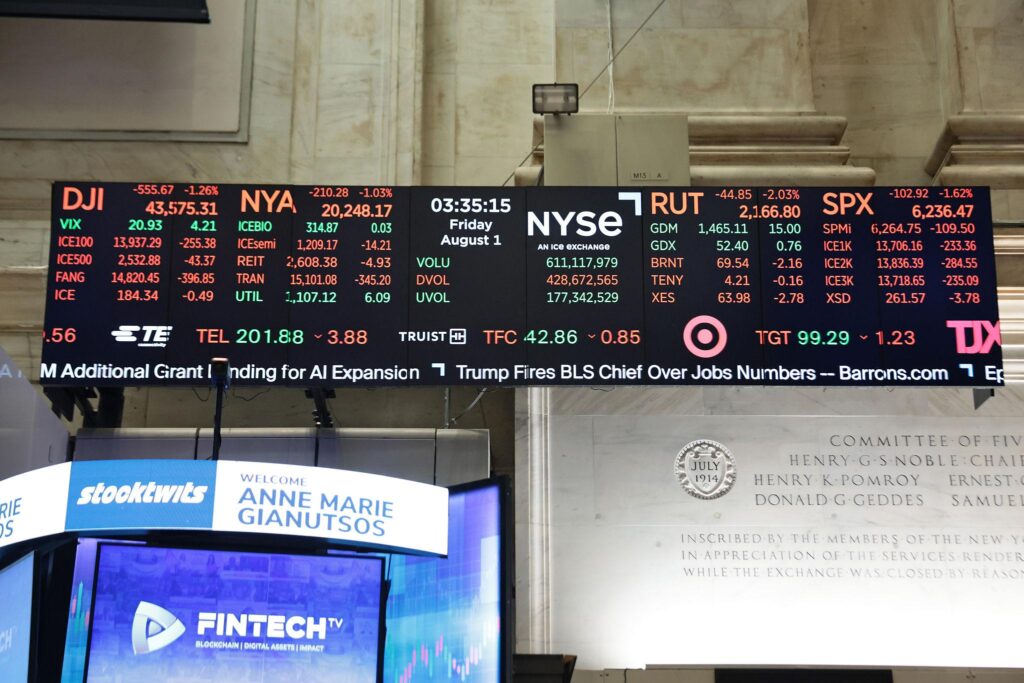
What the 10% Global Tariff Actually Means for Trade and Consumers
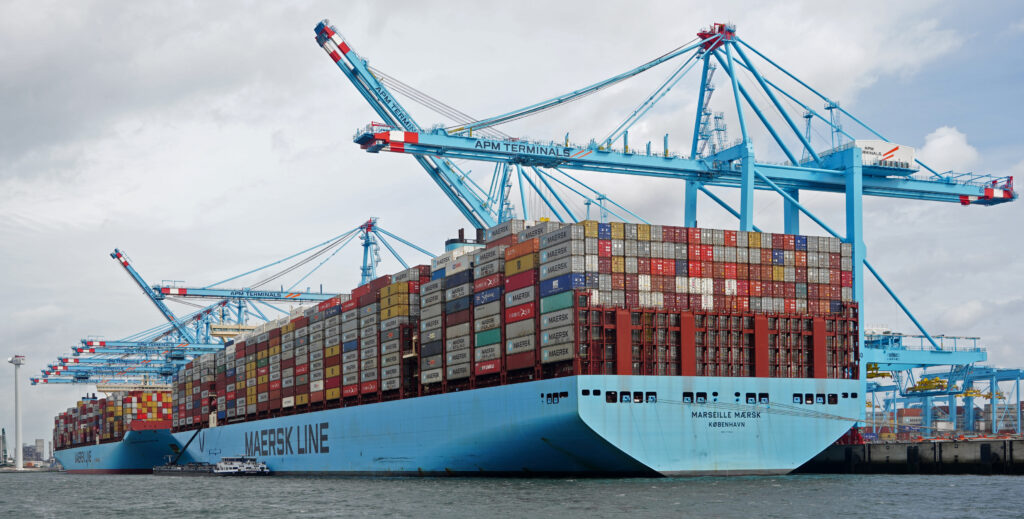
The core of the new measure is a 10% duty on virtually all goods imported into the United States from any country around the world. That includes imports from long-standing trade partners in Asia, Europe, Latin America, and beyond — a move that could reshape global pricing, supply chains, and trade negotiations.
Economists warn that broad global tariffs tend to raise consumer prices, reduce import volumes, and prompt retaliatory duties from foreign governments. In historical trade wars, tariff escalation has led to inflation in supply costs and challenged multinational partnerships. Trump, however, frames the tariff as a tool to protect American jobs, reduce trade deficits, and strengthen domestic manufacturing.
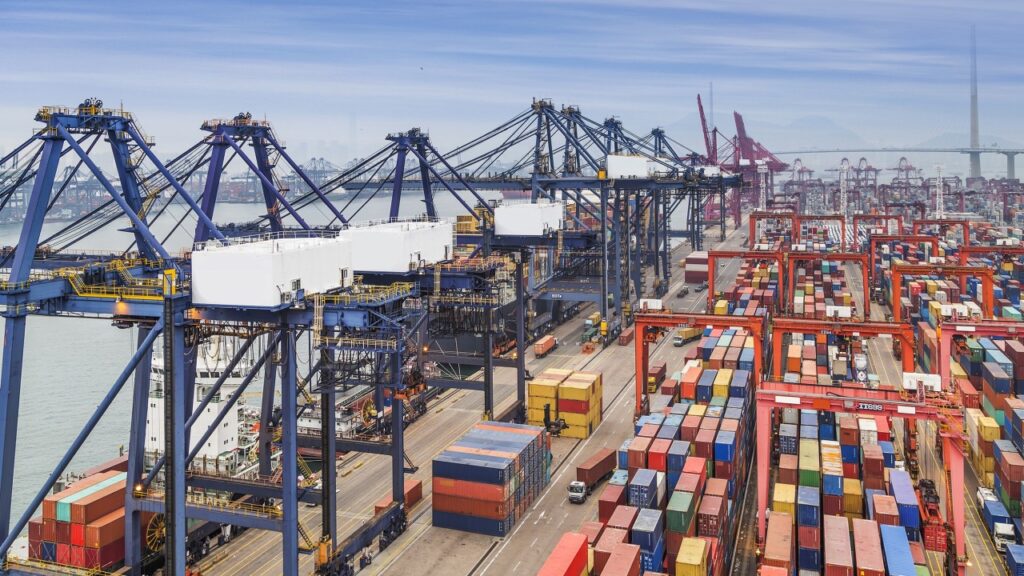
Trade partners react
Countries such as Canada, Mexico, China, the European Union, and others are expected to respond to these tariffs with diplomatic pressure — and possibly their own tariffs on U.S. goods. Previous tariff policies under Trump sparked disputes at the World Trade Organization (WTO) and complicated trade relations with both allies and economic rivals.
Legal Backdrop: Supreme Court Setback and Trump’s Strategic Shift
The root of the presidential action lies in a landmark Supreme Court ruling that dismantled Trump’s earlier tariff framework — a sweeping set of “reciprocal” tariffs on nations based on trade deficits and national security justifications. The court ruled that the emergency powers law Trump relied upon did not authorize peacetime tariff imposition — reinforcing the constitutional role of Congress in taxation and trade legislation.
In striking down the emergency-based tariffs, the Supreme Court majority relied on the major questions doctrine, which holds that significant economic policy decisions require clear legislative authorization. This was interpreted to mean that the president cannot unilaterally impose wide-ranging tariffs without explicit support from Congress.
Trump’s response was defiant. In a White House statement and posts on his social platform, he criticized the justices, calling the decision “deeply disappointing,” and vowed to pursue alternative legal authority to keep tariffs in place. The result is the new 10% global tariff — narrower in some respects but still expansive in economic reach.
Economic and Political Consequences for the United States
The new tariff comes amid broader divides in U.S. economic policy and elections. With trade deficits, inflation, and manufacturing competitiveness at the forefront of domestic debate, the tariff plan is likely to figure heavily in public and political discourse. Economists predict several key impacts:
- Higher consumer prices: Tariffs usually increase the cost of imported goods, impacting everything from electronics to clothing.
- Potential supply chain disruption: Industries that rely on foreign components could face higher input costs.
- Foreign retaliation: Trade partners often respond with tariffs on exported goods, affecting U.S. farmers and manufacturers.
- Political reactions: Lawmakers are divided on tariff strategy, with some supporting protectionism and others warning of long-term damage.

Global Reactions and Future Outlook
International markets reacted quickly, with several foreign governments calling for WTO challenges or alerting investors to possible inflationary pressures. Analysts say that if this tariff remains in place beyond 150 days, the United States could see prolonged tensions in diplomatic and commodity markets — especially if major partners like China or the EU choose to impose counter-tariffs.
Some trade experts believe the tariff could become a bargaining chip in broader negotiations over technology transfers, intellectual property rights, and bilateral trade balances. Others view it as a gamble with limited direct legal authority unless Congress ultimately endorses parts of the policy.

Long-Term Impact: Jobs, Prices, and International Law
Whether the 10% tariff ultimately boosts American manufacturing or simply leads to higher consumer costs remains an open debate. Historically, broad tariffs have yielded mixed results — sometimes shielding domestic industry, other times prompting global retaliation that undermines export sectors.
What’s clear is that this policy marks a significant moment in U.S. trade policy culture, redefining the balance between executive action and constitutional authority, while putting economic relations with allies and rivals alike back into the spotlight.
Subscribe to trusted news sites like USnewsSphere.com for continuous updates.