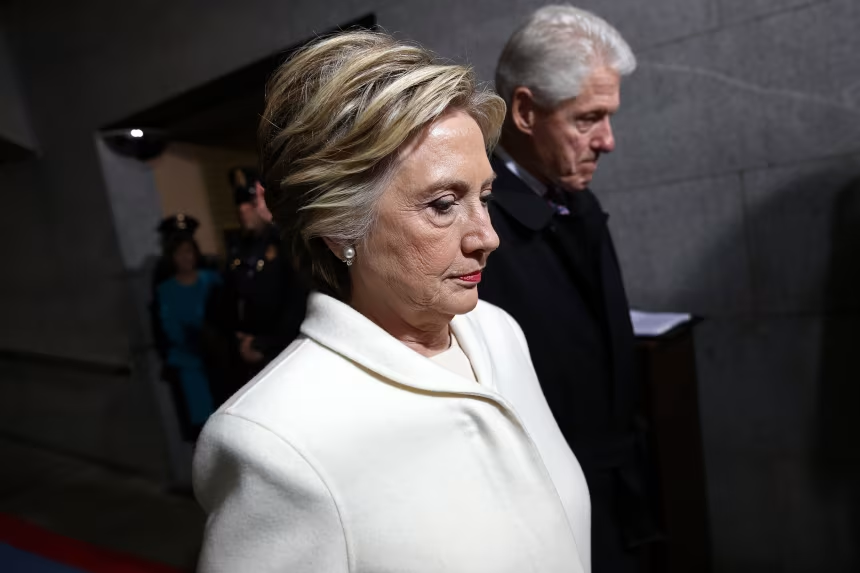
Hillary Clinton (78years) Epstein deposition focused front-page attention Thursday when former Secretary of State Hillary Clinton appeared for a closed-door session with the House Oversight Committee as part of an intensified probe into convicted sex offender Jeffrey Epstein’s network of powerful associates — and whether any relevant information has been withheld. During a marathon session, Clinton repeatedly told lawmakers she had no knowledge of Epstein’s criminal activities and did not recall meeting him, even as political tensions flared around the hearing.
This matters now because it’s not just a routine deposition — it marks the first time that a former U.S. president and secretary of state are being compelled to testify before Congress in a high-stakes investigation linked to questions about influence, transparency, and accountability. The fallout spans political theater, public curiosity, and potential impacts on future campaigns.

Inside the Deposition: What Hillary Clinton Told Lawmakers
In her testimony on Thursday, Hillary Clinton faced hours of questioning from Republican-led House Oversight members about her knowledge of the late Jeffrey Epstein and his inner circle. Clinton affirmed multiple times that she did not know about Epstein’s crimes before they emerged and insisted she has no fresh information to offer investigators. She also said she does not recall ever meeting Epstein in a meaningful context.
Lawmakers dug deep into her statements, scrutinizing everything from her family’s past charitable interactions to her recollection of social connections with individuals like Ghislaine Maxwell, Epstein’s former associate. Despite repeated queries, Clinton maintained that her understanding was limited and based only on general public information about the criminal conspiracy. Her testimony followed months of debate and negotiation over whether she would comply with subpoenas, including threats of criminal contempt from committee leadership.
The Boebert Photo Controversy: Rules, Leak, and Political Firestorm
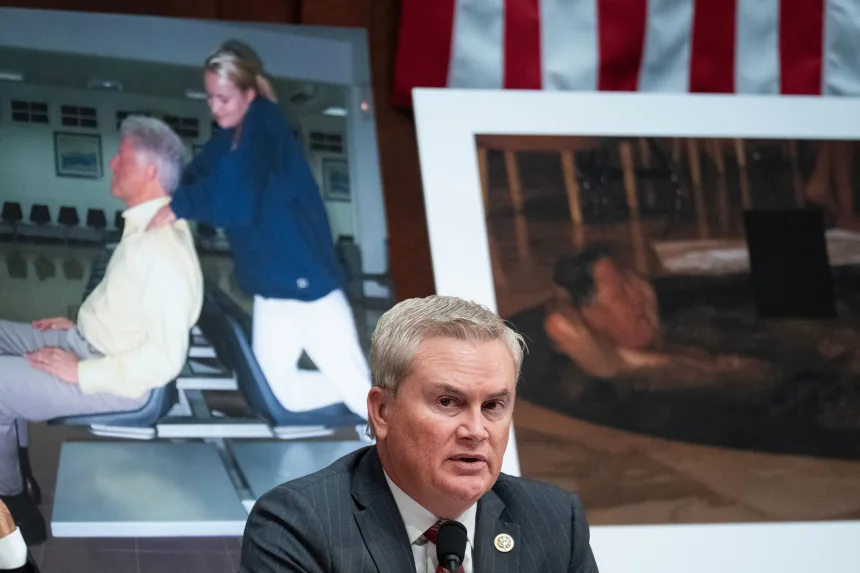
A dramatic twist unfolded when Republican Representative Lauren Boebert shared a photograph from the closed-door deposition with conservative commentator Benny Johnson, who posted it publicly on social media — a direct violation of the committee’s strict deposition rules. This forced a temporary halt to the proceedings while legal teams and legislators debated whether the photo release breached protocol and what it meant for securing accurate testimony.
Boebert defended her actions, saying the influencer did nothing wrong in posting the photo, and asserted that the public deserves transparency. Clinton’s camp countered that such leaks only serve to politicize an already sensitive process, urging that reporters be allowed to observe future sessions. The row further inflamed partisan tensions, with Democrats accusing Republicans of theatrics and Republicans demanding accountability.
Bill Clinton’s Upcoming Testimony: What to Expect
Following Hillary Clinton’s session, former President Bill Clinton is slated to testify on Friday — a remarkable moment that would mark the first time a former U.S. president has been compelled to appear in a congressional probe of this nature.
The spotlight is now on Bill Clinton’s expected testimony to determine whether he can shed additional light on his past associations with Epstein, including documented flights on Epstein’s private jet and social interactions with Epstein’s circle before the full extent of Epstein’s crimes was public. While he has not been accused of wrongdoing, Republicans argue his firsthand answers are critical to understanding the full scope of Epstein’s operations and associations.
Political Reaction and Broader Impact
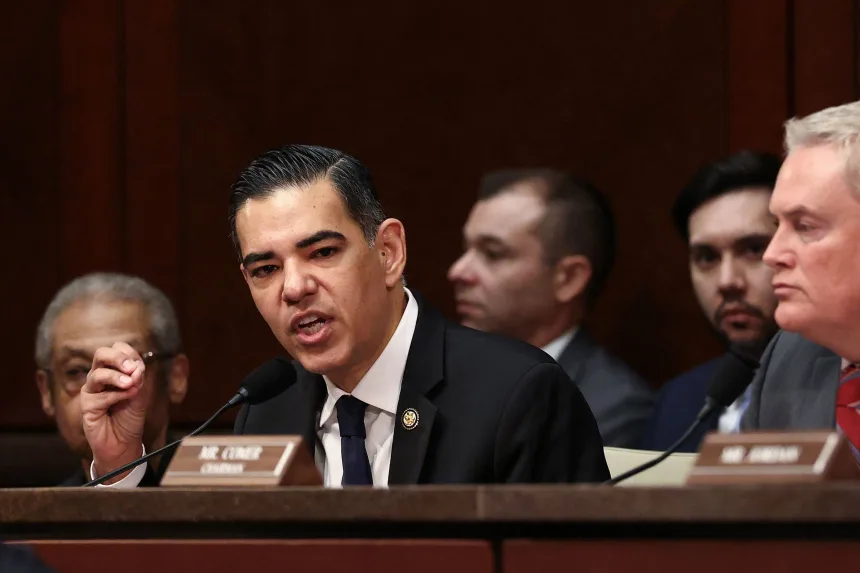
The deposition didn’t just stir news headlines — it sparked a political maelstrom. Republicans emphasized oversight and accountability, asserting the American people deserve truth from public servants, past and present. Meanwhile, Democrats criticized the strategy as overly partisan and deflective, pointing out that legal investigations across previous years did not implicate the Clintons in illicit conduct.
Some voices outside Congress are calling for even broader transparency, urging that depositions be made public and that other prominent figures named in Epstein’s files face similar questioning. The recent release of millions of pages of Epstein documents under the Epstein Files Transparency Act has only intensified debates about disclosure, fairness, and due process in these proceedings.
Why This Matters Now: Public Trust and Accountability
The Hillary Clinton Epstein deposition isn’t simply another political headline — it’s a test of transparency, a flashpoint in the national conversation about accountability among elite circles. Whether or not substantive new details emerge, the historic nature of these depositions — especially with Bill Clinton’s forthcoming testimony — will influence public perception for years.
This moment also signals the increasing role of congressional investigations in shaping public narratives and challenging historical records. The implications extend beyond the immediate players to broader debates about institutional power, media access to sensitive proceedings, and how justice is pursued in high-profile cases.
Public Expectations and Legal Developments
As this story evolves, national attention will turn to Bill Clinton’s testimony, how the Oversight Committee handles future sessions, and whether pressure for public hearings grows. If the high volume of newly released Epstein files yields new leads, lawmakers might expand their inquiry or shift its focus; if not, political blowback could dominate headlines.
Experts predict that this episode will fuel larger discussions about congressional authority, executive branch accountability, and the unprecedented nature of compelling former presidents to testify. In the meantime, journalists, attorneys, and citizens alike are watching closely for every word uttered under oath.
Subscribe to trusted news sites like USnewsSphere.com for continuous updates.