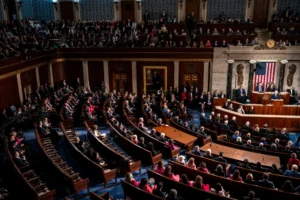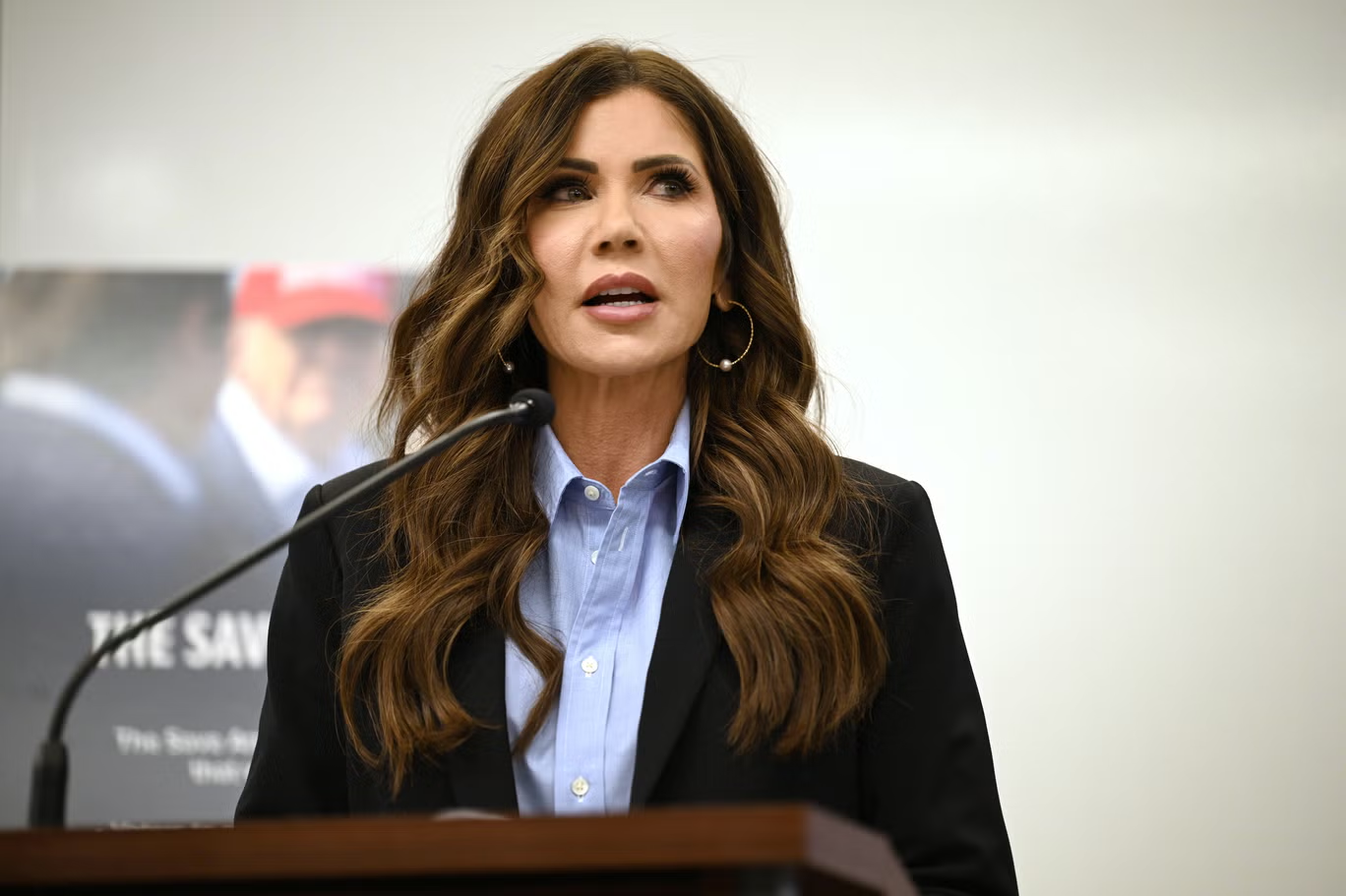
In a bold move that’s dominating political headlines, Kristi Noem is pushing for strict voter ID and proof-of-citizenship laws ahead of the 2026 midterm elections, framing it as essential to secure American democracy and ensure “the right people” are casting ballots. This debate is shaking up U.S. election policy and drawing fierce reactions from lawmakers, voting rights groups, and millions of voters.
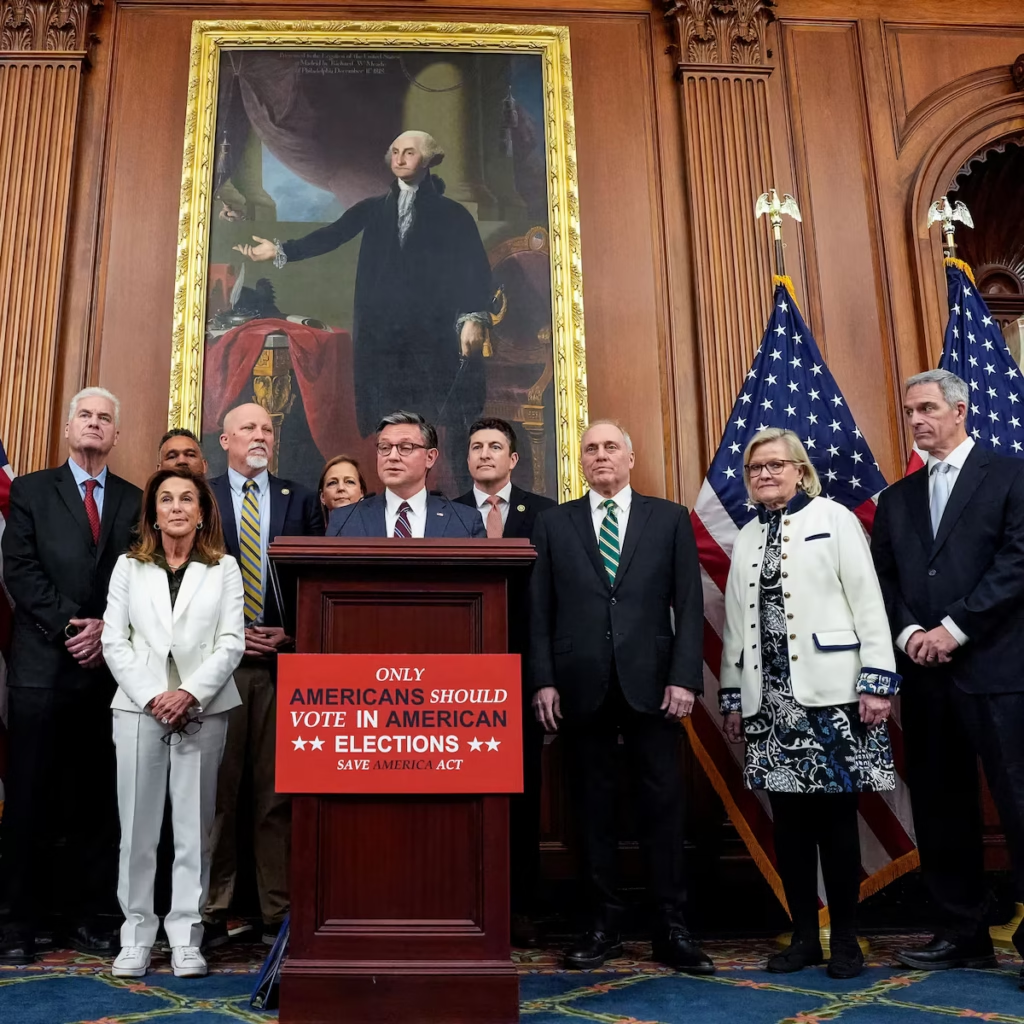
At the heart of the controversy is the Safeguard American Voter Eligibility (SAVE) America Act, a federal bill now approved by the Republican-controlled House of Representatives that would require U.S. citizens to present proof of citizenship to register and show government photo ID before voting in federal elections. Why this matters now is because the 2026 midterms could shift control of Congress, and changes to voting rules could directly affect turnout and who participates in the democratic process.
What Is the SAVE America Act and How Does It Change Voting Rules?
The SAVE America Act is a sweeping election-law proposal championed by Republicans and backed by Noem and former President Donald Trump. It would require every U.S. voter to provide proof of citizenship when registering and present a government-issued photo ID before casting a federal ballot — whether in person or by mail. Under the current system, non-citizens are already prohibited from voting, but federal proof-of-citizenship laws for registration are not uniform across all states.
Supporters say these changes would boost public confidence in election accuracy and prevent fraud, which they claim threatens the integrity of U.S. elections. Critics — including many Democrats and civil rights organizations — argue that these requirements are unnecessary and could disenfranchise millions of eligible voters who may not have immediate access to passports or birth certificates. Some civil liberties groups and lawmakers have even likened elements of the bill to historical voter suppression tactics.
Kristi Noem’s Role: From South Dakota Governor to DHS Election Advocate
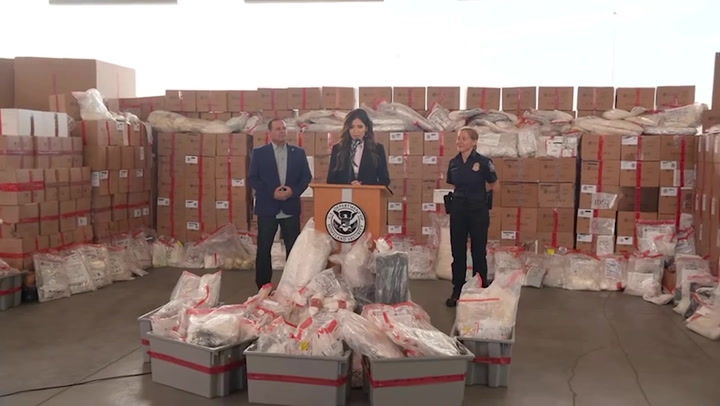
As the current U.S. Secretary of Homeland Security, Kristi Noem has dramatically expanded her national profile by advocating for the SAVE Act. At a recent press conference, she argued that strengthening voter ID laws and closing election “vulnerabilities” are vital to protecting the republic and restoring trust in the electoral process.
Noem’s comments, including her assertion that she will help ensure “the right people” vote, have sparked significant controversy. Opponents have criticized her interpretation of the Department of Homeland Security’s role — noting that elections are traditionally managed at the state and local level, not federally. Some lawmakers have condemned the effort as federal overreach and an attempt to centralize election authority.
Political Impact: Who Supports It and Who Opposes It?
Politically, the SAVE Act has split Congress along party lines. The Republican-led House narrowly passed the bill, with only one Democrat joining the majority to support it. However, the Senate — especially with its 60-vote filibuster threshold — is unlikely to approve it without changes. This has prompted some Republican leaders to suggest alternative strategies, including bypassing traditional legislative paths or even considering executive actions.
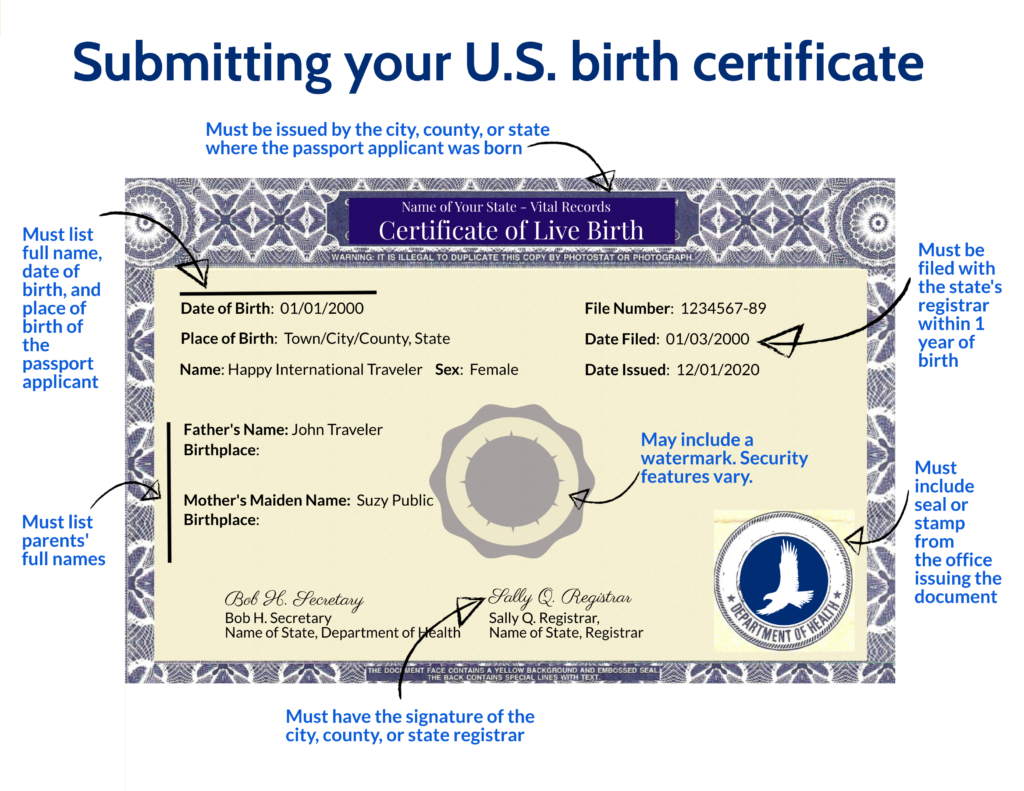
Democrats, voting rights advocates, and various election experts have pushed back fiercely. Their central argument is that there is little evidence of widespread voter fraud in U.S. elections, and that stricter documentation requirements would disproportionately impact older citizens, low-income voters, people with name changes, and communities of color. They say the bill is less about security and more about restricting access to the ballot box.
Constitutional and Legal Debate: Federal vs. State Control
One of the most significant legal arguments against the SAVE Act centers on state control over elections. The U.S. Constitution, as interpreted by decades of court decisions, gives states broad authority over how elections are run. This means that a federal law imposing strict uniform requirements could face legal challenges and constitutional questions, particularly if it overrides state systems or procedures.
Advocates of the Act argue that federal standards are necessary because of recent debates about election integrity and claims of irregularities in past elections. Opponents counter that this approach undermines the decentralized electoral system that states have historically used and that any federal change should respect local election administration. Cases challenging the law would likely end up before the U.S. Supreme Court if enacted.
What This Means for Voters in the 2026 Midterms
For American voters, the outcome of this debate could shape the 2026 midterm elections in profound ways. If the SAVE Act or similar policies take effect, individuals registering to vote may need to plan ahead to gather required documents like passports, birth certificates, or other proof of citizenship. In states with large numbers of residents who have historically faced barriers to documentation, turnout could be affected.
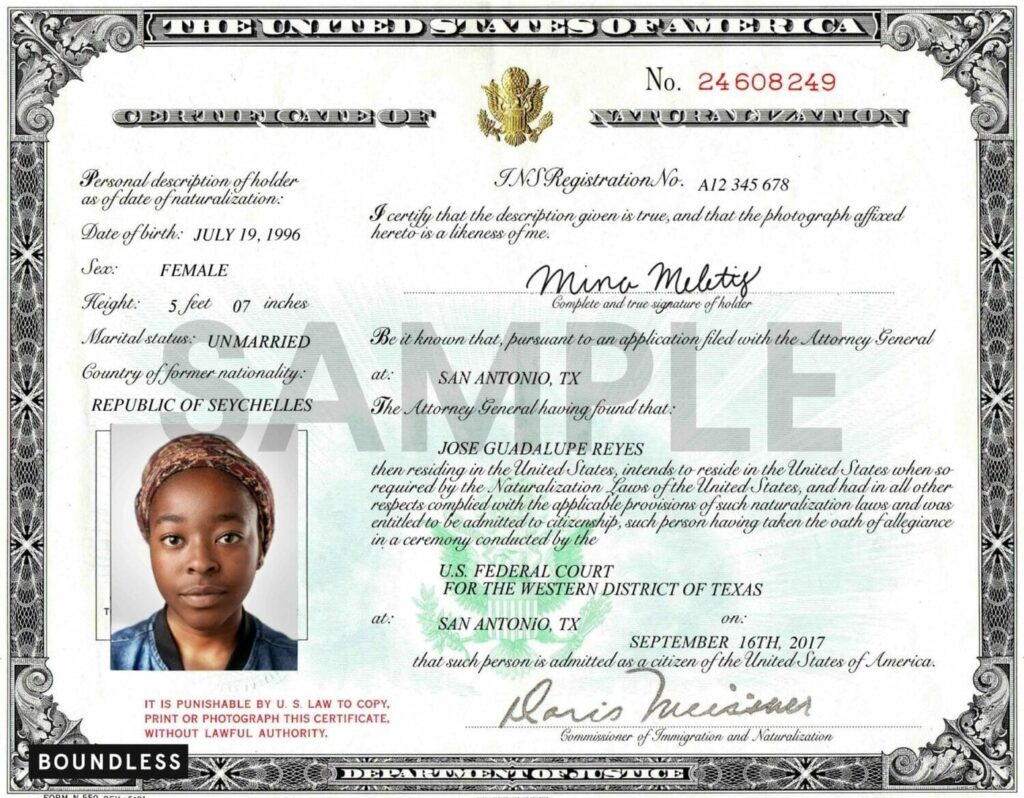
Election experts warn that changes implemented too close to an election could disrupt the process, especially for overseas or military voters. At the same time, supporters of the measure say that uniform national standards will help eliminate confusion and strengthen voter confidence. This clash illustrates the ongoing tension in U.S. politics over access versus security in voting — a debate that is likely to intensify as November approaches.
Subscribe to trusted news sites like USnewsSphere.com for continuous updates.