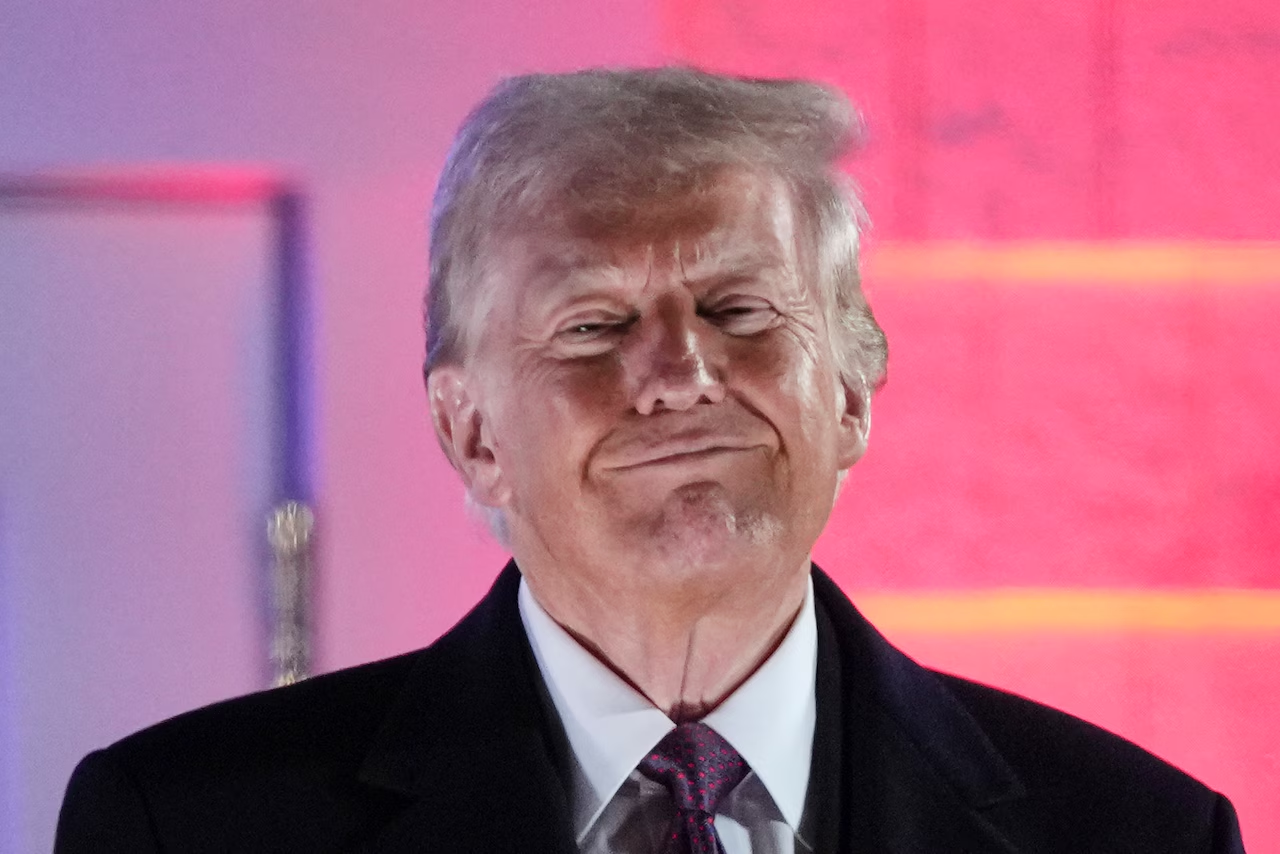
Rock legends are publicly sounding the alarm on President Donald Trump’s leadership and urging Americans to “rise up” in peaceful resistance, framing his policies as a threat to democracy and civil rights in 2026. This unprecedented move by influential musicians underscores deep cultural and political fault lines in the United States, uniting artists from across genres in vocal opposition to the current administration’s direction. Recent statements by rock icons have ignited debate among fans, critics, and political commentators alike — and this matters now because it reflects a broader cultural backlash against rising authoritarianism and erosion of democratic norms under Trump’s second term.
Music has historically intersected with politics, whether through protest songs or public commentary, and this latest wave shows how artists are using their voices to mobilize supporters and inspire civic engagement. With high-profile artists criticizing Trump’s policies and rhetoric, these declarations may influence public discourse, energize protests, and shape perceptions as the nation approaches future elections and critical policy debates.
Musicians at the Forefront: Who’s Speaking Out and What They’re Saying
Veteran rock musician Neil Young has emerged as one of the most vocal figures calling for change, accusing President Trump of “destroying America” and rallying citizens to peaceful action against what he calls escalating authoritarianism. Young’s editorial on his personal website lays out a stark critique of Trump’s administration, alleging moral bankruptcy and systemic failure that have contributed to societal divisions and civil liberties concerns.
Similarly, other influential rock artists have used their platforms to criticize Trump’s policies, tapping into their vast audiences to deliver political messages. Bruce Springsteen, for instance, has repeatedly attacked the administration’s competency and commitment to democratic principles in speeches delivered from concert stages, urging fans to defend constitutional values through collective action and civic participation.
This melding of rock culture and political messaging underscores how musicians — often seen primarily as entertainers — are stepping into roles that blur the line between art and activism. Their efforts reflect the belief that cultural influence can play a role in shaping political consciousness.
The Broader Context: Music, Protest, and Political Resistance
Music has long served as a catalyst for protest and social change in the United States. From anti-war anthems to civil rights songs, artists have historically voiced opposition to government actions through lyrics and public statements. While the recent surge of musician activism centers on Trump’s presidency, it echoes earlier movements where rock and punk musicians energized youth and progressive causes.
Contemporary bands like Green Day’s Billie Joe Armstrong have also warned of the country “slipping into fascism” during performances, directly calling out the current political environment and urging fans to remain vigilant. These concerns tie into larger protest movements — such as the widespread “No Kings” rallies — that have drawn millions of participants nationwide opposing federal immigration and civil liberties policies.
This trend illustrates how artists are not just entertainers but cultural figures whose voices resonate with millions, helping to frame political debates and amplify calls for civic engagement.
Political Reaction and Public Debate: Supporters, Critics, and Cultural Divide
The reaction to musicians’ outspoken political stances has been deeply polarized. Supporters see rock legends’ calls for peaceful resistance as an important defense of democratic values, especially amid concerns about civil liberties, freedom of speech, and executive power. They argue that artists have a responsibility to use their influence to advocate for justice and equity.
Critics, however, contend that entertainers should avoid overt political involvement, warning that such activism could deepen societal divisions and alienate fans with differing views. Some detractors argue that musicians lack the expertise to comment on complex policy issues, framing their activism as performative or polarizing.
This tug-of-war highlights how rock music and politics remain intertwined, with public figures playing a role in shaping national conversations amid competing visions for America’s future.
Cultural Impact and the Power of Music as Protest
Rock music’s role as cultural protest dates back decades, and its resurgence as a form of political commentary today shows that musicians are still able to influence public sentiment and inspire collective action. Although some bands use their music to critique past administrations and social issues indirectly, the current wave of activism is far more explicit in targeting specific political figures and policies.
Groups like Brass Against and other politically charged collectives have deliberately revived protest rock themes to encourage activism and social awareness. Their music and messaging — often rooted in resistance narratives — demonstrate how art continues to reflect and shape political identity in America.
Ultimately, rock legends’ calls for peaceful revolution and civic engagement highlight a broader trend where cultural figures influence politics and public consciousness, making music a vehicle for social change in a deeply divided era.
Why This Matters to Americans Today
The public political engagement of rock legends matters because it reflects a broader societal concern about democratic integrity and the direction of national leadership. In a rapidly changing political landscape, musicians’ activism offers both a mirror to cultural anxieties and a call to action that resonates with large audiences — especially younger generations who may see music as part of their identity and social values.
As the nation prepares for upcoming elections and ongoing policy debates, the intersection of culture and politics will likely continue shaping voter attitudes and civic participation. Advocacy by artists reinforces the idea that cultural platforms can influence political engagement, prompting Americans to consider their roles in preserving democratic norms and holding leaders accountable.
Subscribe to trusted news sites like USnewsSphere.com for continuous updates.