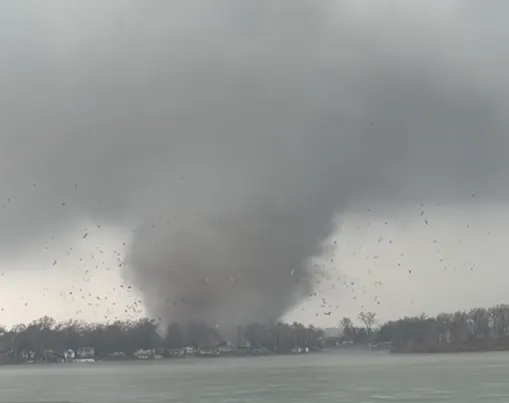
Union City, Michigan, a tornado that damaged homes after a powerful storm tore through the small southern Michigan community on March 7, 2026, destroying homes, downing power lines, and forcing emergency officials to open temporary shelters for displaced families.
Local authorities confirmed that the tornado struck the area during a severe weather outbreak that affected several parts of the Midwest. The storm system brought destructive winds, heavy rain, and dangerous conditions across Michigan and nearby states. In Union City, the tornado ripped through residential areas, leaving damaged houses, overturned vehicles, and debris scattered across streets. Emergency responders, including firefighters and volunteers, immediately began rescue and cleanup operations.
For many residents, the storm arrived with little warning and changed the community overnight.
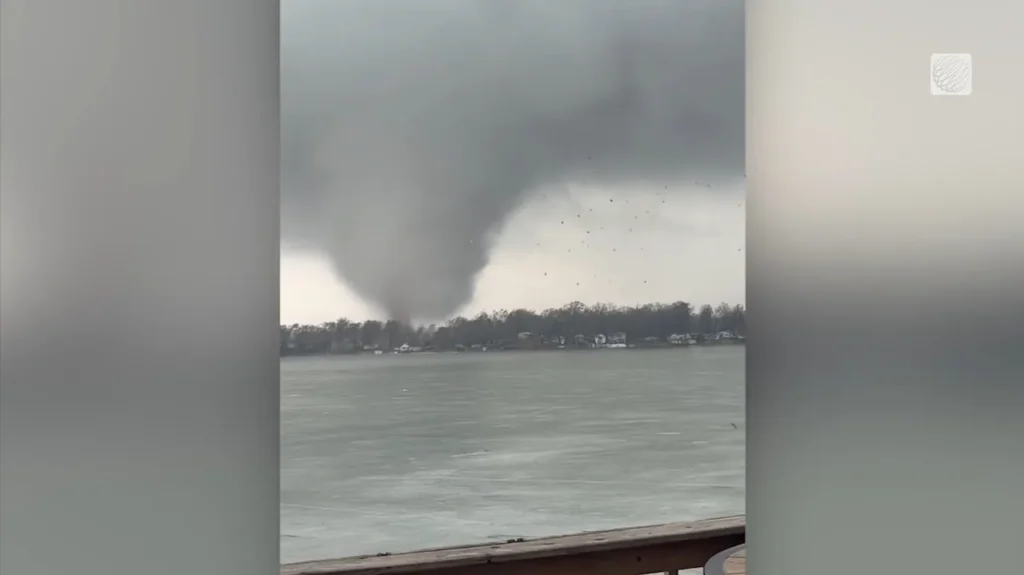
Severe Storm System Strikes Southern Michigan
Meteorologists reported that the tornado formed during an intense line of thunderstorms moving rapidly across southern Michigan. The storm system developed strong rotating winds that eventually touched down near Union City, causing widespread damage within minutes.
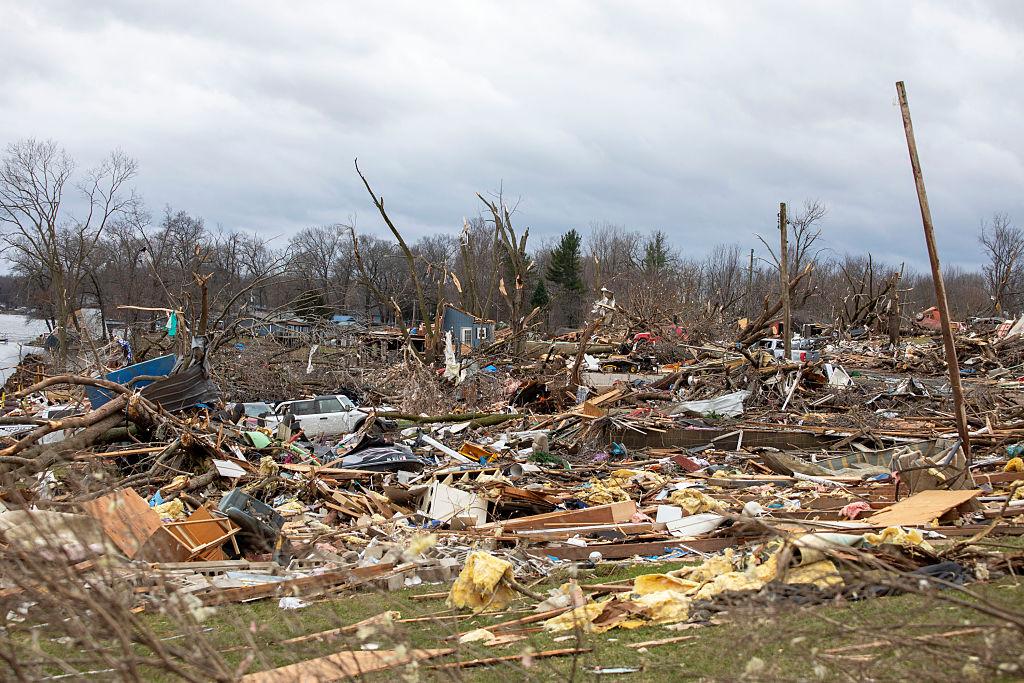
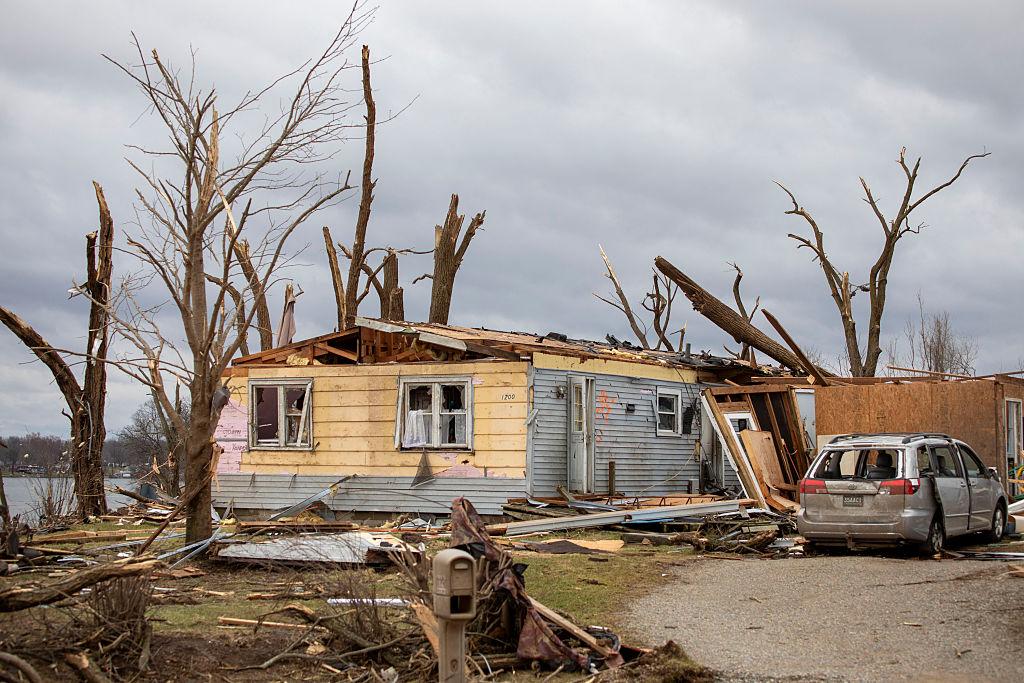
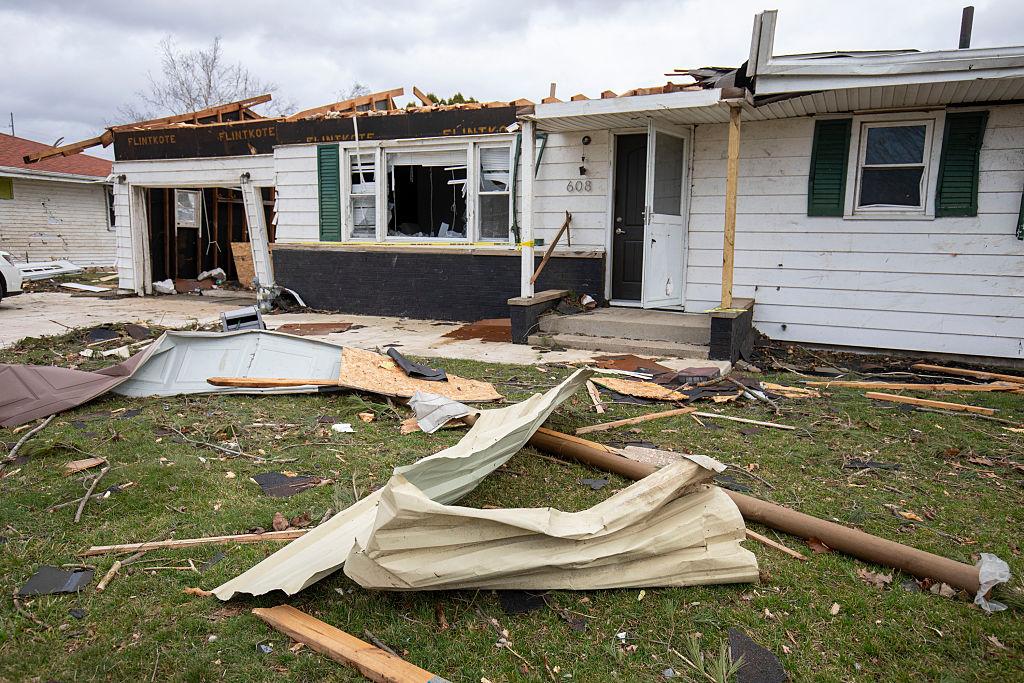
Early damage assessments show multiple homes severely damaged or destroyed. Roofs were torn off structures, trees snapped or uprooted, and several buildings collapsed under the force of the storm. Power outages also affected parts of the region as fallen trees and debris knocked down electrical lines.
Weather experts say storms like this are more common in the spring transition period when warm, moist air from the south collides with colder air moving across the Great Lakes region. These conditions create instability in the atmosphere, increasing the risk of tornadoes and severe thunderstorms.
Emergency Response and Shelter Support
Following the tornado’s impact, emergency crews quickly began searching affected neighborhoods and helping residents reach safety. Local authorities worked with volunteers and disaster relief organizations to provide assistance to those whose homes were damaged.
The American Red Cross opened emergency shelters nearby to provide temporary housing, food, and basic supplies for displaced residents. Volunteers set up sleeping areas, distributed meals, and helped families reconnect with loved ones.
Community members also stepped in to support recovery efforts. Local churches and civic groups began organizing donation drives for clothing, blankets, and essential supplies. For many residents, these community efforts have been critical in the immediate aftermath of the disaster.
Homes, Infrastructure, and Businesses Affected
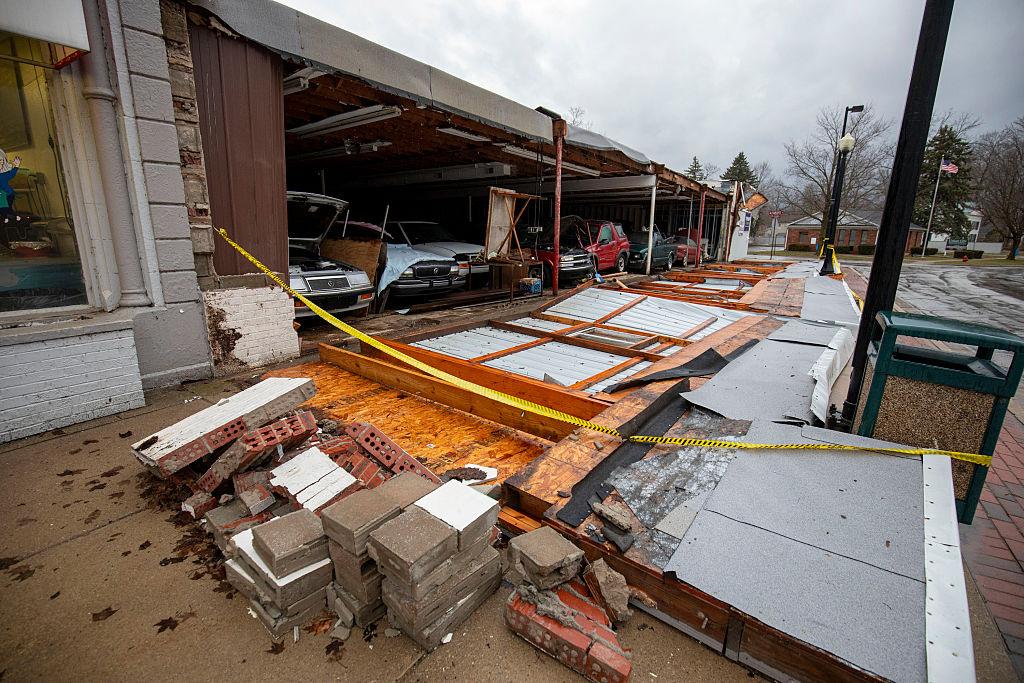
Initial damage reports indicate that dozens of properties were impacted by the tornado. Residential neighborhoods experienced the most severe destruction, but several local businesses and public buildings also suffered damage.
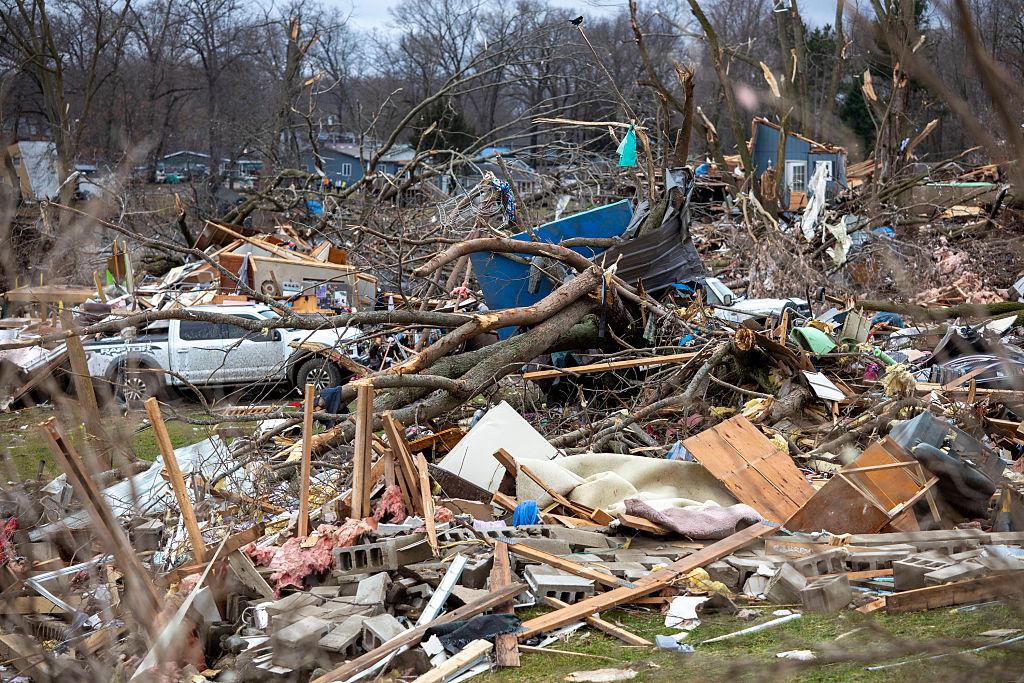
Roads were blocked by fallen trees and debris, making it difficult for emergency vehicles to reach certain areas during the first hours after the storm. Utility crews worked through the night to restore power and remove hazards from major roadways.
Local officials stated that structural inspections are ongoing to determine how many buildings are safe for residents to return to. Some homes may require extensive repairs before families can move back in.
Damage estimates are still being calculated, but early assessments suggest the storm caused significant financial losses for homeowners and the local economy.
Why This Matters Now
Severe weather events like the Union City tornado highlight the increasing need for community preparedness and rapid emergency response systems. Experts say that while tornadoes are not uncommon in the Midwest, sudden nighttime or early morning storms can make them particularly dangerous.
Many residents rely on weather alerts, emergency sirens, and smartphone notifications to receive warnings. However, storms can develop quickly, sometimes giving people only minutes to seek shelter.
This event also emphasizes the importance of local disaster support networks. Emergency shelters, volunteer groups, and coordinated response efforts can significantly reduce the long-term impact of natural disasters on communities.
For Union City residents, the focus now shifts from emergency response to rebuilding and recovery.
Recovery Efforts and Community Rebuilding
Local leaders have begun planning the next phase of recovery, which includes clearing debris, repairing infrastructure, and supporting affected families. Insurance adjusters are expected to visit damaged areas in the coming days to assess claims and determine rebuilding costs.
Community officials are also working with state emergency management teams to evaluate whether additional disaster assistance will be required. These programs could help homeowners and businesses recover from the financial impact of the storm.
Residents have already begun cleanup efforts, with neighbors helping neighbors remove debris and salvage belongings from damaged homes. Despite the destruction, many community members say the strong sense of unity in Union City is helping people stay hopeful during a difficult time.
Meteorologists continue to monitor weather patterns across the region as additional storms remain possible during the spring season.
Looking Ahead After the Storm
While Union City faces a long recovery process, officials say the immediate priority remains ensuring resident safety and restoring essential services. Power restoration, road clearing, and housing support are expected to continue throughout the week.
Local authorities also encourage residents to stay informed through official weather updates and emergency alerts, especially during the active severe weather season.
As rebuilding begins, the community’s resilience will play a crucial role in restoring homes, businesses, and daily life after the tornado.
Subscribe to trusted news sites like USnewsSphere.com for continuous updates.