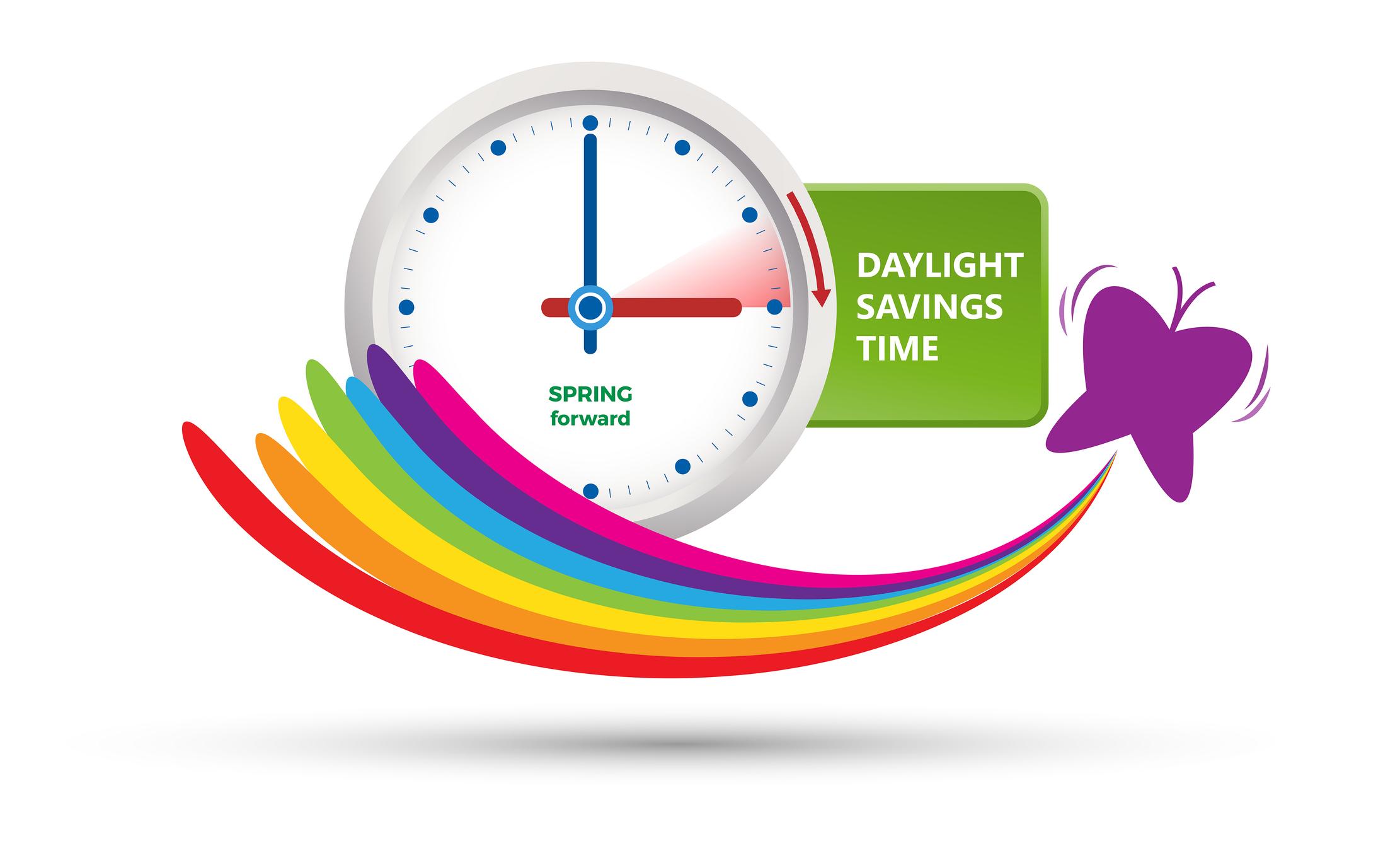
Daylight Saving Time 2026 begins in the United States on Sunday, March 8, when clocks move forward one hour at 2:00 a.m. local time. This change affects millions of Americans as they lose one hour of sleep but gain longer daylight in the evening. Most U.S. states follow this system, although Hawaii, most of Arizona, and several U.S. territories do not observe the seasonal clock shift.
The annual change raises important questions for Americans: who follows the rule, why the system still exists, and what impact it has on health and daily life. The shift will remain in effect until November 1, 2026, when clocks move back one hour again. While the change is routine, debates about whether the United States should permanently end clock changes continue in Congress and across state governments.
When Daylight Saving Time Starts in 2026
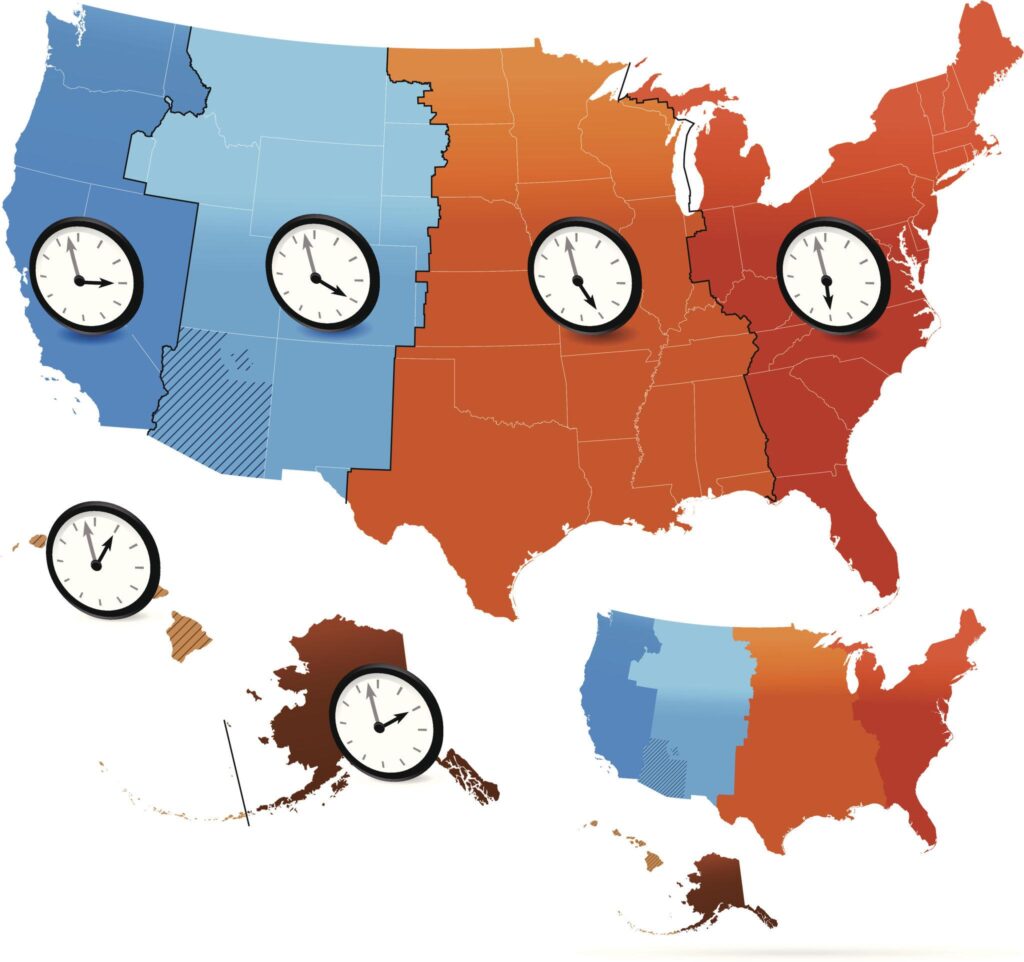
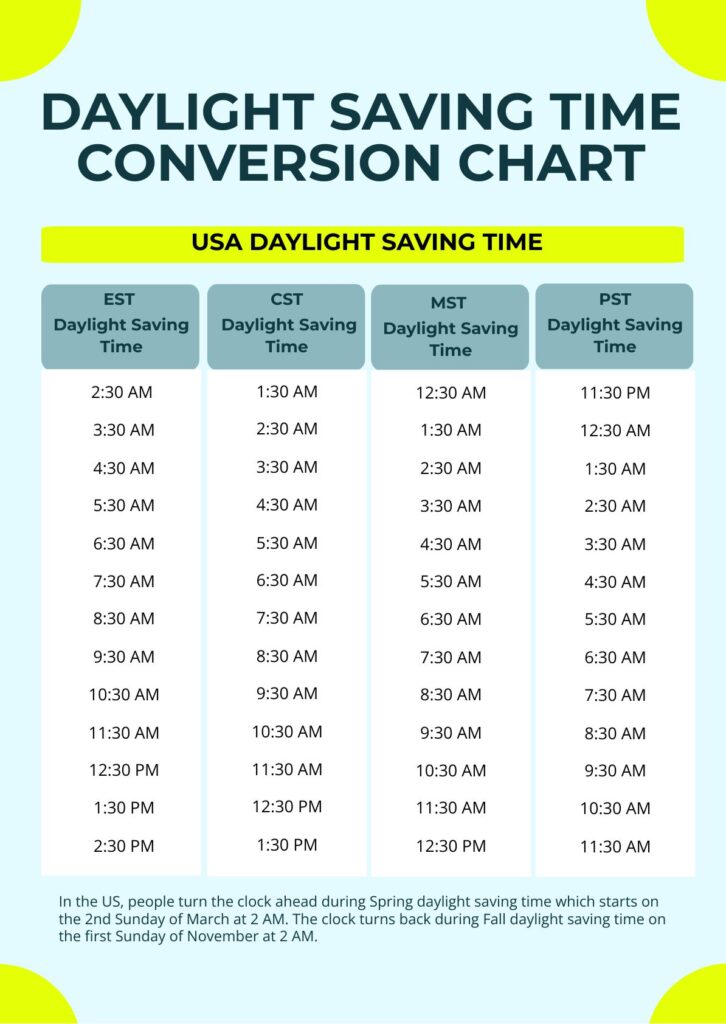
Daylight Saving Time officially begins in the United States on Sunday, March 8, 2026, at 2:00 a.m., when clocks jump forward to 3:00 a.m. This moment is commonly called “spring forward,” meaning people lose one hour of sleep but gain brighter evenings. The schedule has remained the same since 2007, when federal law adjusted the dates under the Energy Policy Act.
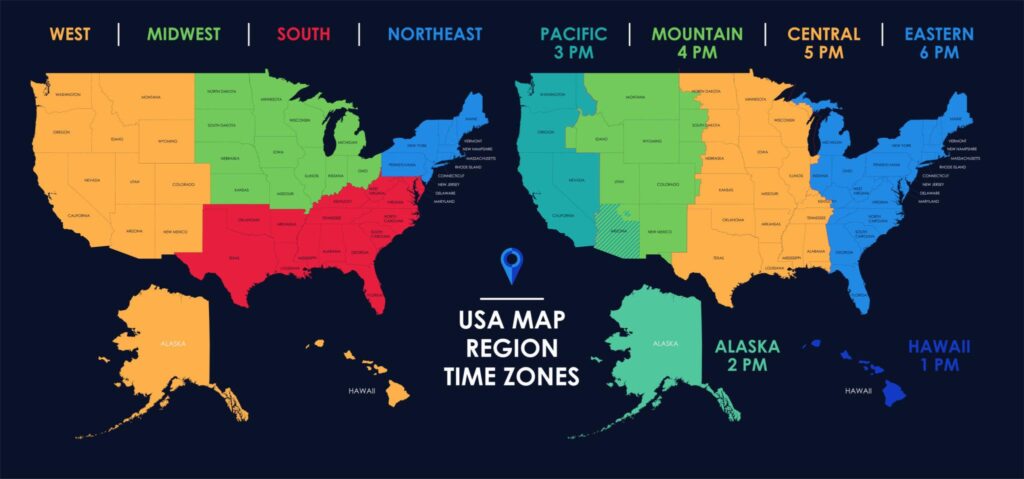
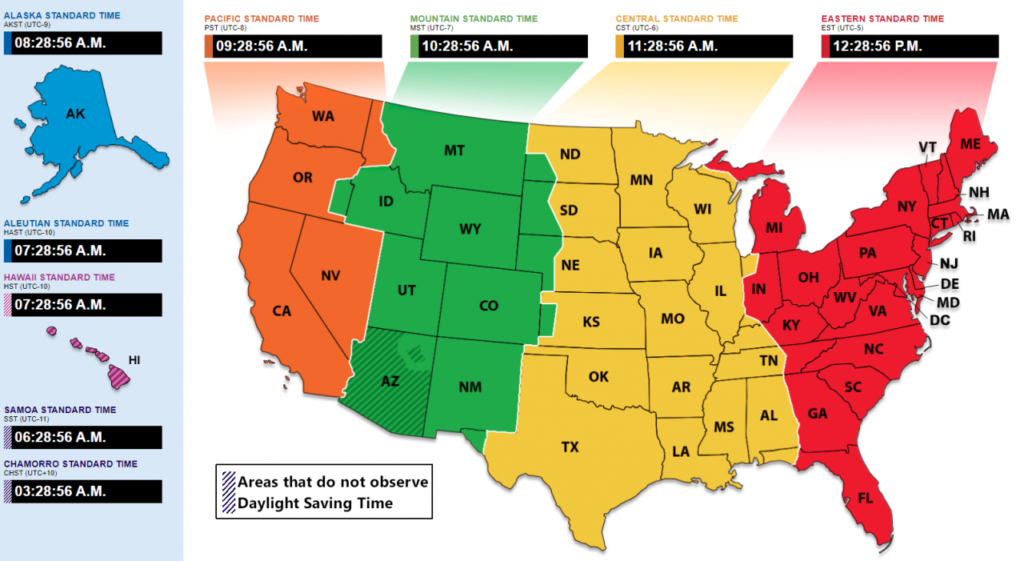
The time change affects most U.S. states and territories, but there are notable exceptions. Hawaii and most of Arizona do not observe Daylight Saving Time, while the Navajo Nation in Arizona still follows it. Several U.S. territories, including Puerto Rico, Guam, and the U.S. Virgin Islands, also stay on standard time year-round.
Why the United States Uses Daylight Saving Time
Daylight Saving Time originally began as an effort to conserve energy during wartime. The idea gained global attention during World War I, when countries shifted clocks to reduce electricity usage and maximize daylight hours. In the United States, the practice became standardized with the Uniform Time Act of 1966, which created consistent national rules for states that chose to participate.
Today, energy savings are not the primary reason the system continues. Many supporters say the biggest benefit is more daylight during evening hours, which encourages outdoor activity, shopping, and tourism. However, critics argue that the original energy-saving goal no longer applies because modern energy usage patterns have changed significantly.
The Ongoing Debate Over Ending Clock Changes
Despite the long history of Daylight Saving Time, public frustration with changing clocks twice a year has grown in recent years. Several U.S. states have passed laws supporting a move to permanent daylight saving time, but federal approval is required before those changes can take effect nationwide.
One major proposal is the Sunshine Protection Act, a bill introduced in Congress that would eliminate the seasonal clock change by keeping daylight saving time year-round. Although the U.S. Senate approved a version of the bill in 2022, it has not yet become law because the House of Representatives has not passed it.
Health and Lifestyle Effects of the Time Change
The time shift may appear small, but research suggests it can temporarily disrupt sleep patterns and daily routines. Sleep experts say the sudden change can affect circadian rhythms, which regulate the body’s natural sleep-wake cycle. As a result, some people experience fatigue, reduced concentration, or minor health effects during the first few days after the shift.
Health professionals often recommend preparing for the transition by adjusting sleep schedules gradually and getting exposure to morning sunlight. While most people adapt quickly, scientists continue studying whether repeated changes each year contribute to broader public health issues such as sleep deprivation and stress.
Why This Matters Now for Americans
The return of Daylight Saving Time in 2026 is not just a seasonal adjustment—it reflects a larger national debate about how the United States manages time. With more than 19 states considering permanent time changes and growing public discussion about sleep health, the issue continues to attract attention from lawmakers, scientists, and economists.
For everyday Americans, the shift means brighter evenings that support outdoor activity, sports, and social events during spring and summer. Businesses such as retail stores, restaurants, and tourism operators often benefit from longer daylight hours because people tend to spend more time outside and shopping after work.
At the same time, the ongoing debate suggests the system may eventually change. Whether the country moves toward permanent daylight saving time or permanent standard time, the discussion reflects evolving priorities about health, productivity, and lifestyle in modern society.
Subscribe to trusted news sites like USnewsSphere.com for continuous updates.