On her first day in office, Virginia Governor Abigail Spanberger moved swiftly to revoke her predecessor’s immigration enforcement order that had authorized state police to work with U.S. Immigration and Customs Enforcement (ICE). This executive action ends Virginia’s participation in the federal 287(g) program and reshapes how the Commonwealth interacts with federal immigration authorities — a decision advocates hail as historic and opponents warn could affect public safety.
Why this matters now: With immigration enforcement a central national controversy and midterm elections underway, Spanberger’s decisive action signals a broader policy direction and influences both state and national debates about how local jurisdictions partner with federal agencies.
Spanberger’s First Day: What Changed and Why It Matters
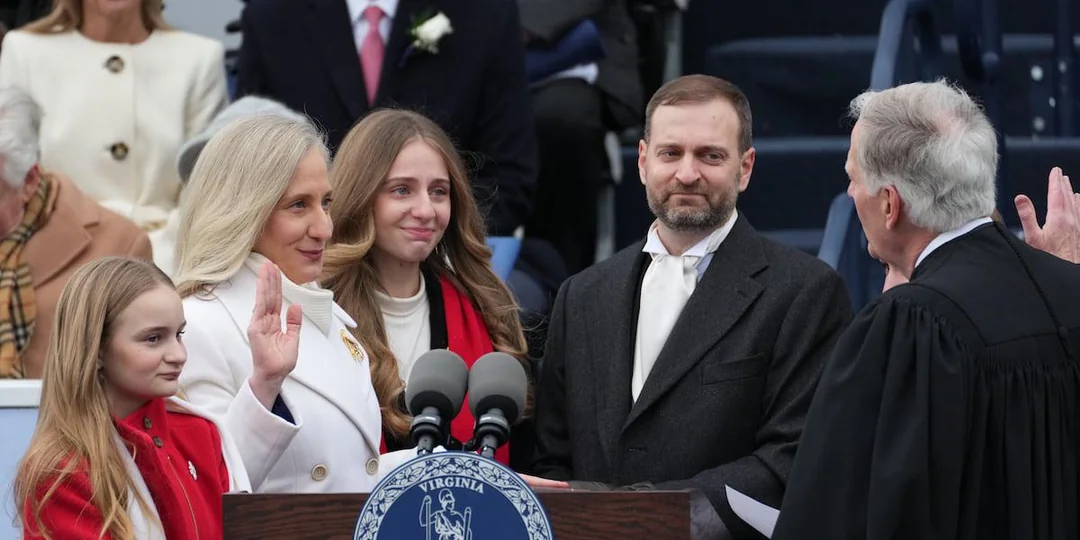
Governor Spanberger, who was sworn in as Virginia’s 75th governor on January 17, 2026, didn’t wait to take action on a key campaign promise: she signed an executive order to repeal former Governor Glenn Youngkin’s immigration enforcement directive that integrated Virginia’s law enforcement into federal ICE operations.
The repealed order had allowed Virginia State Police and other state law enforcement to enter into agreements where officers could be deputized to carry out certain immigration enforcement duties alongside ICE under Section 287(g) of federal law. By revoking it, Spanberger shifts the focus of state policing away from assisting ICE and toward prioritizing local public safety concerns.
A Shift in Policy: From Federal Cooperation to State Focus
Under the now-rescinded order from 2025, Virginia law enforcement was strongly encouraged to cooperate with federal immigration authorities — part of a strategy promoted by Republicans as a means of removing dangerous criminals and enhancing public safety.
Spanberger’s reversal reflects her policy stance that local police should not spend limited resources acting as federal immigration agents, but rather focus on violent crime, community trust, and local law enforcement priorities. Supporters argue this will foster safer communities by encouraging immigrant populations to report crimes without fear of deportation, while critics warn it could reduce coordination with federal efforts to remove serious criminal offenders.
Community and Advocacy Responses: Supporters and Critics Weigh In
Immigrant advocacy groups, including CASA in Action, quickly praised the move as a major victory, crediting years of community organizing and grassroots pressure for influencing the decision. Leaders celebrated the repeal as reaffirming Virginia’s commitment to freedom and public safety that doesn’t rely on federal immigration collaboration.
Conversely, Republican leaders and law enforcement proponents argue this policy shift could make the state less safe by diminishing cooperation with federal immigration enforcement at a time when immigration policy is a top public concern. Some have framed the change as making Virginia a “sanctuary” from immigration enforcement, although the governor has clarified that cooperation on serious crime cases remains possible under federal law when appropriate.
Political Context: Spanberger’s Election and Broader Implications
Spanberger’s victory in the 2025 Virginia gubernatorial election was historic; she became the first woman governor in Virginia’s history and won by a strong margin, with influential support from Latino voters and key swing regions.
Her immediate policy shifts, including reversing the 287(g) collaboration, align with her campaign promise to focus on community-based public safety, fairness, and reducing fear in immigrant communities. This policy change involves deep political implications — it not only affects state policing priorities but also contributes to the national narrative over immigration enforcement and the role of state authority in federal matters.
Impact on Public Safety and Future Legal Pathways
The decision will ripple beyond Virginia’s borders as other states watch how this model unfolds. By stepping away from a formal partnership with ICE, Virginia may influence debates on local autonomy versus federal immigration enforcement models in states across the country. Advocates believe this model fosters trust between law enforcement and diverse communities, potentially leading to higher crime reporting and community cooperation. Opponents argue that federal enforcement is crucial for public safety and that local disengagement could lead to enforcement gaps.
How this policy plays out in practice — especially around violent crimes involving non-citizens — will likely shape future legislative and electoral discussions about immigration and public safety both in Virginia and nationally.
Subscribe to trusted news sites like USnewsSphere.com for continuous updates.