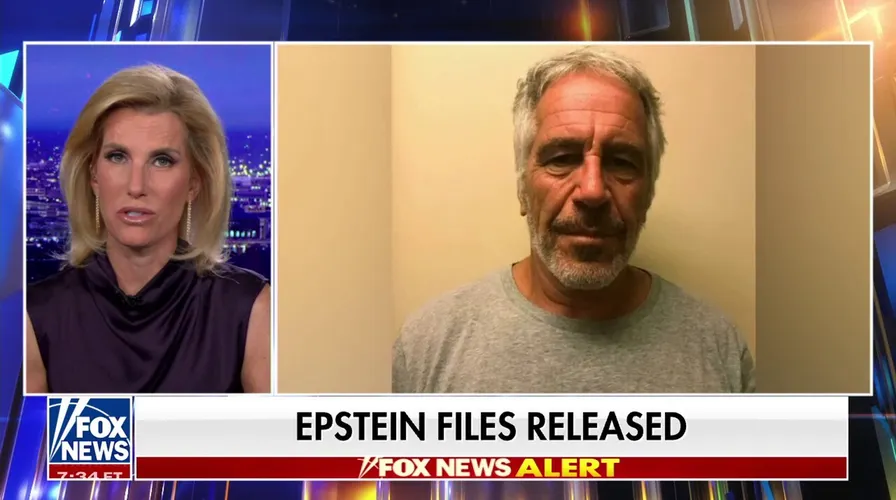
Breaking news reveals that newly accessible unredacted Jeffrey Epstein files contain unprecedented details about names the FBI once labeled as co-conspirators, including high-profile individuals, and closely tie former President Donald Trump to the documents more than previously known. This matters now because the revelations reignite intense scrutiny over government transparency, accountability in the Epstein investigation, and public trust in how justice is administered. The developments respond to demands from lawmakers and the public for full disclosure — and they have real ramifications for legal, political, and societal debates.
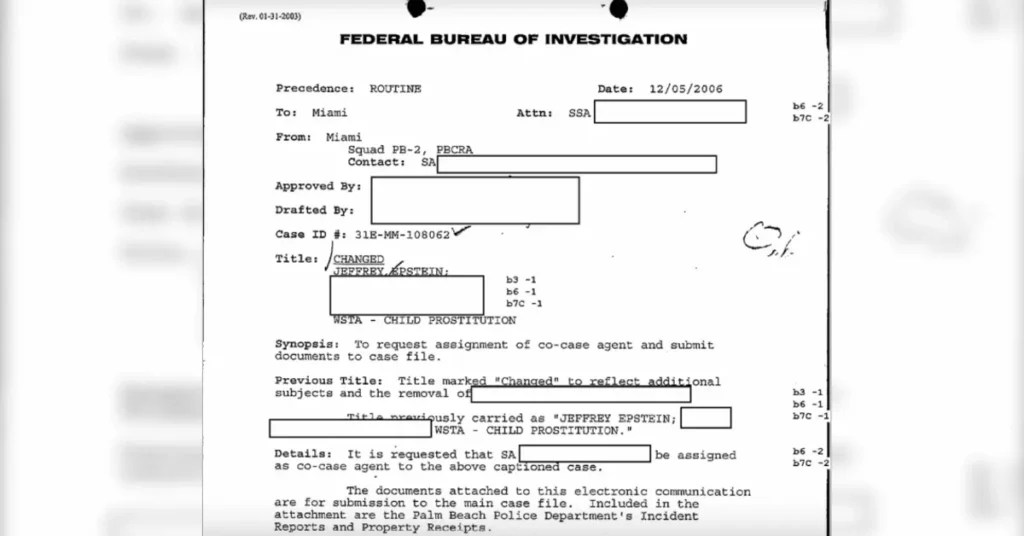
The unredacted files stem from the Epstein Files Transparency Act, passed in November 2025, which legally required the Department of Justice (DOJ) to make all unclassified Jeffrey Epstein–related records available for public inspection.
This article synthesizes verified reporting and trending coverage to make sense of the latest disclosures — including what’s new, who’s implicated, why the redactions were controversial, and what this means going forward.
Massive Disclosure After Years of Redaction Controversy
On February 9-10, 2026, members of Congress were granted access to previously unredacted files related to the Epstein investigation — three million pages that the DOJ had released in heavily redacted form earlier. Many lawmakers, including Rep. Ro Khanna (D-CA) and Rep. Thomas Massie (R-KY), have publicly criticized the Justice Department for what they say were unnecessary and excessive redactions of individuals’ names that obscured potential links to Epstein’s networks.
Just days earlier, Patel-era redactions of Epstein files had drawn attention, especially regarding how and why certain names were withheld. The files were initially published with extensive blackouts, making it difficult for researchers and the public to see the full scope of who appeared in the documents.
After sustained criticism, the DOJ took steps to remove redactions on numerous documents, including a list of known associates that had been all but hidden from view. The department said redactions were necessary to protect victim identities, though lawmakers question whether this explanation was consistently applied.
Who the Files Reveal: Powerful Figures and Co-Conspirator Labels
One of the most eye-opening developments is that the FBI’s own records once identified several high-profile individuals as “co-conspirators” associated with Epstein — information that had been redacted in earlier releases.
Among those whose names now appear in the unredacted files are:
- Leslie Wexner — billionaire founder of L Brands (formerly Victoria’s Secret), who is shown in a 2019 FBI document as someone the bureau considered a co-conspirator of Epstein.
- Sultan Ahmed bin Sulayem — CEO of DP World, with multiple mentions in email exchanges that suggest contact with Epstein.
- Four lesser-known individuals — Salvatore Nuara, Zurab Mikeladze, Leonic Leonov, and Nicola Caputo — whose roles remain unclear but whose names were among those originally redacted before lawmakers demanded visibility.
It’s critical to note that inclusion in the files does not constitute evidence of criminal guilt. Lawmakers and experts emphasize that these individuals’ appearances in the documents may reflect incidental contact, business ties, or other noncriminal associations — not proven wrongdoing.
Trump’s Name and Mar-a-Lago Discrepancy
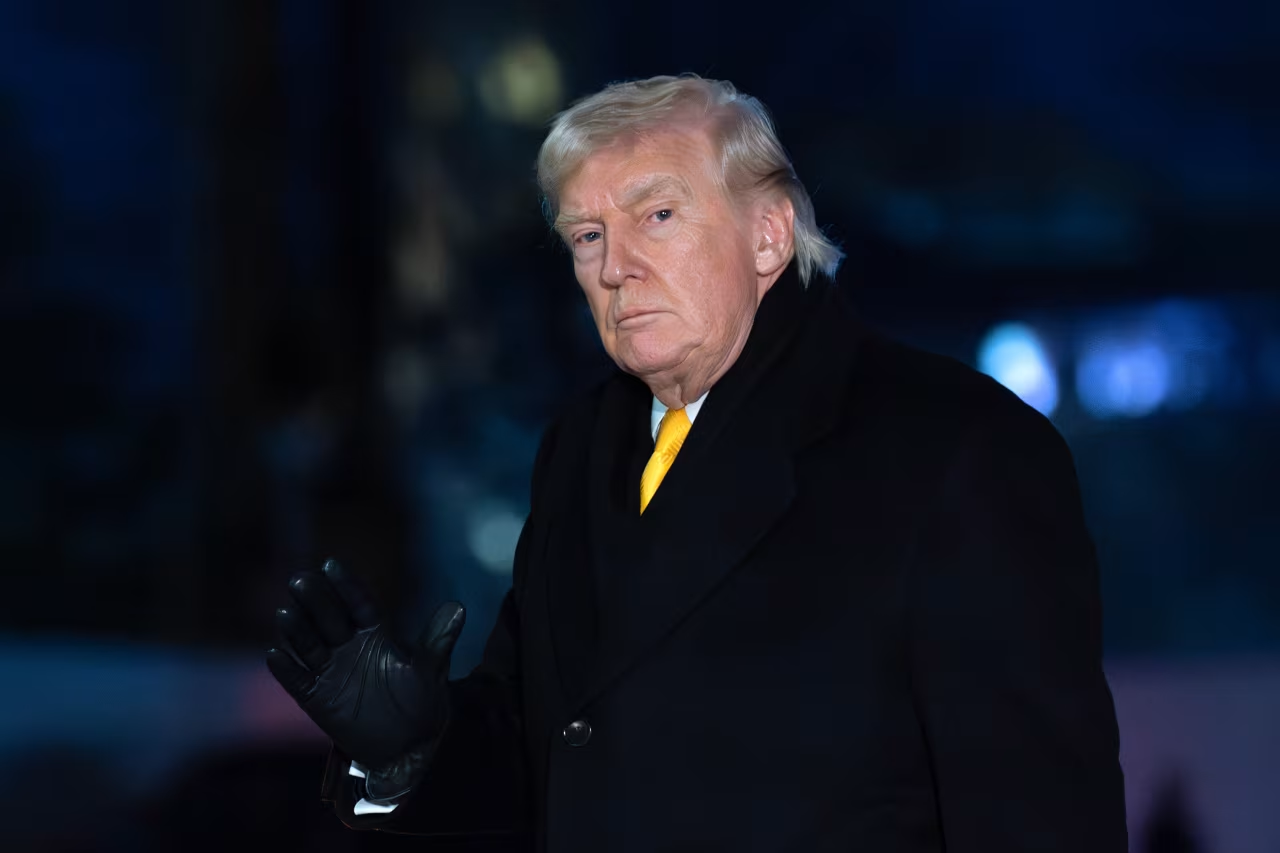
Perhaps most explosive is that former President Donald J. Trump’s name reportedly appears in the unredacted Epstein files more than a million times, according to Rep. Jamie Raskin (D-MD), who was among the lawmakers granted access. Raskin says that the frequency and context of Trump’s mentions — including internal documents — make this one of the most striking aspects of the new disclosures.
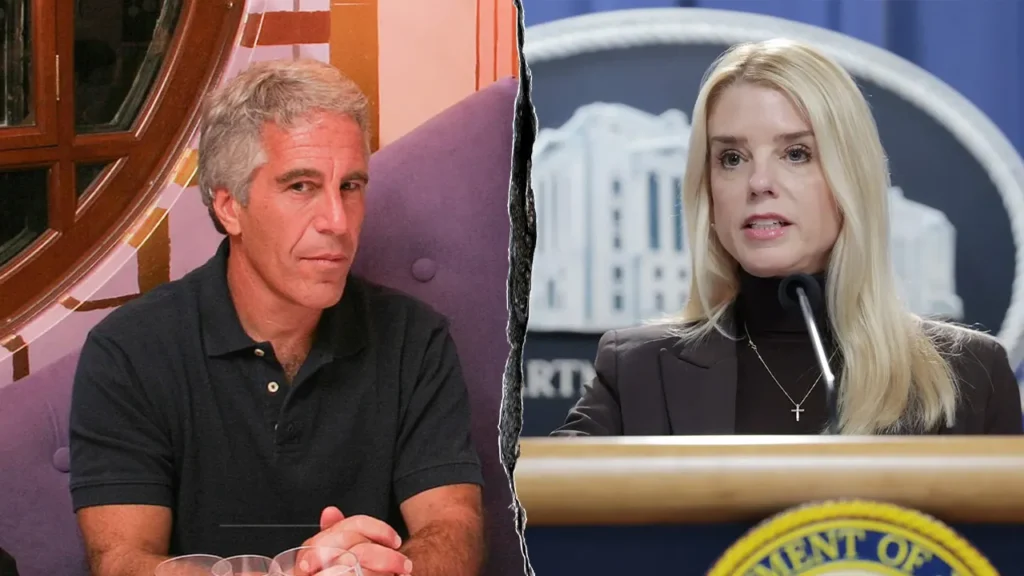
In one exchange from 2009 recounted in the files, Epstein discusses what his lawyers conveyed about Trump’s statements regarding Epstein’s access to Trump’s Mar-a-Lago resort — specifically challenging Trump’s long-stated claim that he had permanently banned Epstein from the club years earlier. According to those internal communications, Epstein’s lawyers claimed Epstein was a guest, not explicitly banned, contradicting Trump’s public explanation.
This contradiction, now public, adds fuel to an already contentious debate about what Trump knew of Epstein’s activities and when. Federal officials have consistently maintained there’s no proof Trump had specific knowledge of Epstein’s crimes at the time, even as they acknowledged interactions between the two in the early 2000s.
Why This Matters Now
The public disclosure of these once-hidden files arrives amid broader skepticism toward government transparency and accountability. Critics argue that the originally heavy redactions served to protect powerful interests rather than serve the public interest. Lawmakers from both parties — unusual in today’s polarized environment — have called for more comprehensive review and even public testimony from DOJ leadership.
Moreover, the implications go beyond political narratives. These disclosures deepen ongoing discussions about legal ethics, potential abuse of executive power, and long-standing concerns about justice for Epstein’s victims. Survivors’ advocates have joined lawmakers in demanding more context around the files and a further independent investigation.
Subscribe to trusted news sites like USnewsSphere.com for continuous updates.