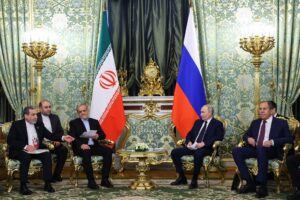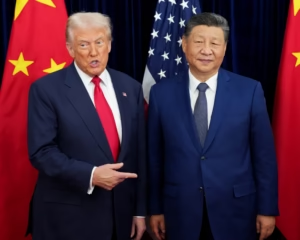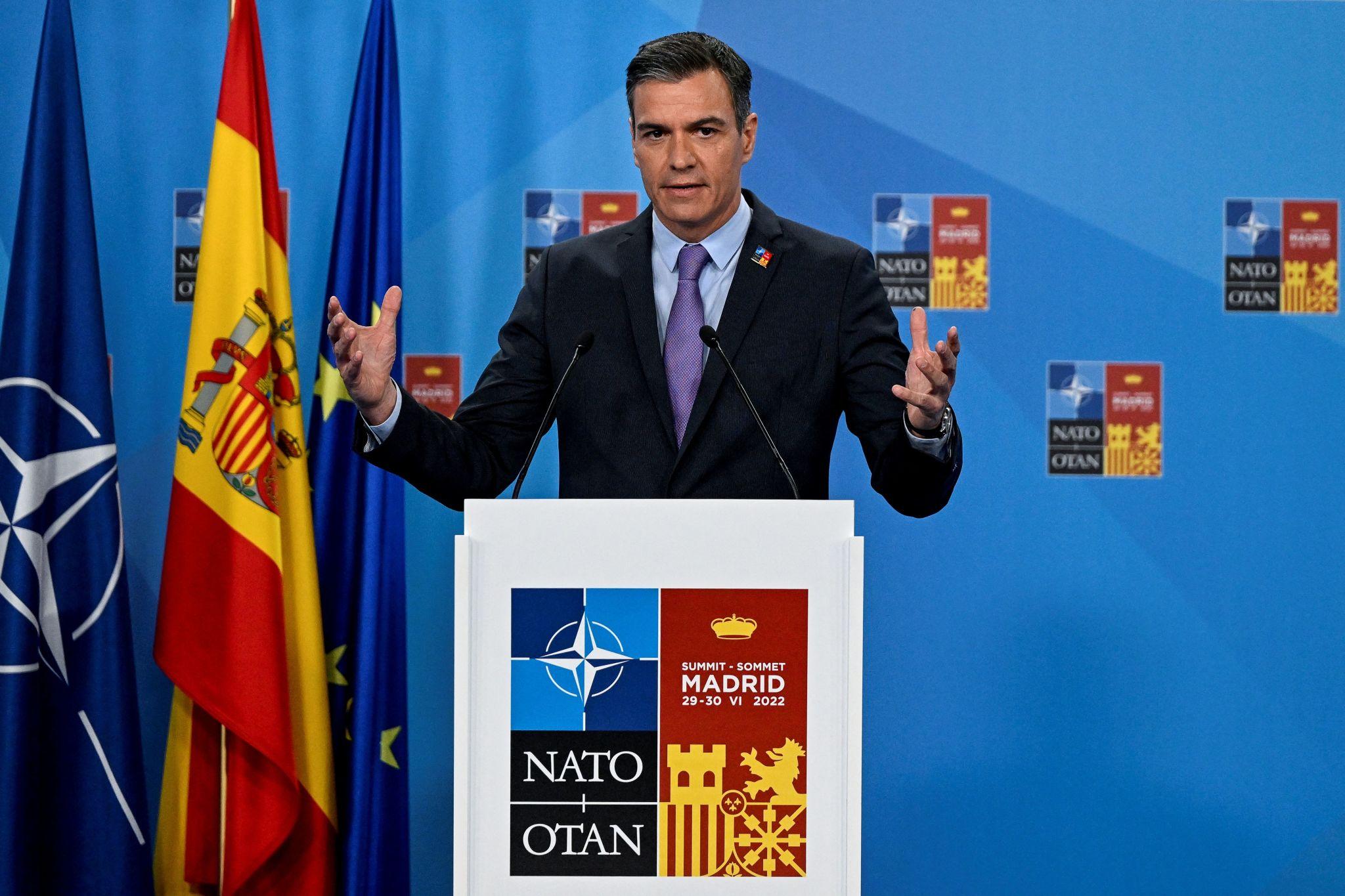
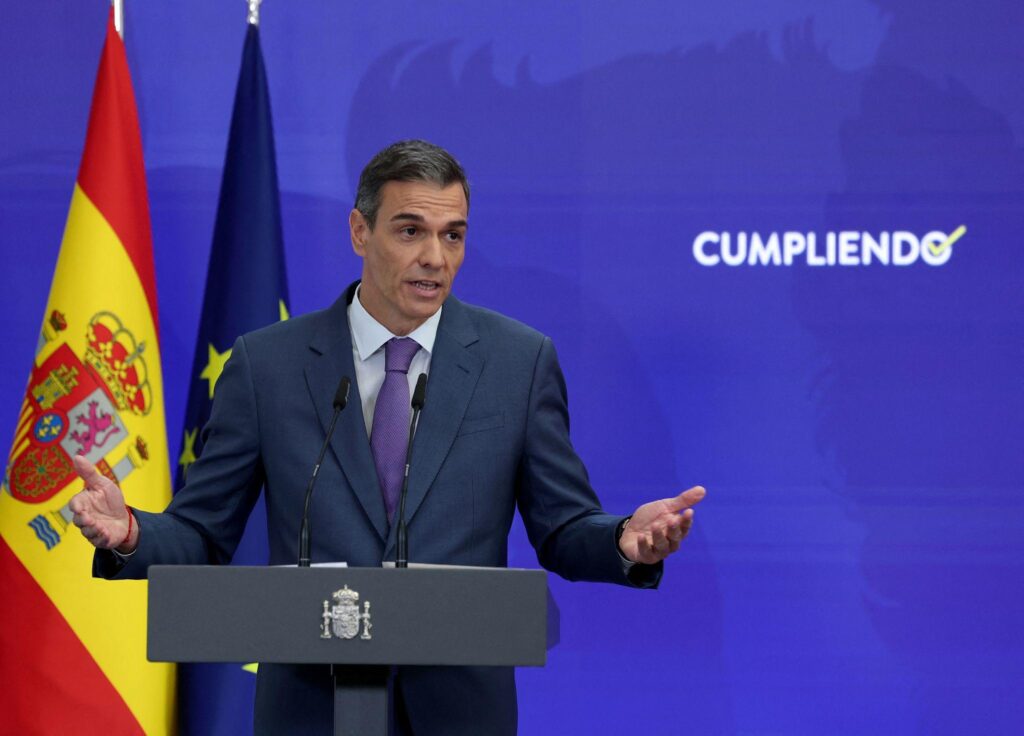
Spanish Prime Minister Sánchez warns Trump over NATO, trade tensions, and the escalating Iran-Israel crisis, highlighting growing divisions between European allies and the United States at a time when global security risks are rising. Spanish Prime Minister Pedro Sánchez urged former U.S. President Donald Trump and other Western leaders to avoid political rhetoric that could weaken NATO unity while conflicts in the Middle East threaten to destabilize global security and energy markets.
The debate comes as NATO countries face pressure to increase defense spending while also responding to the rapidly evolving Iran-Israel confrontation. European leaders worry that disagreements on trade tariffs and military commitments could undermine Western cooperation. Analysts say the situation matters now because geopolitical tensions are already pushing governments to rethink alliances, military budgets, and diplomatic strategies.
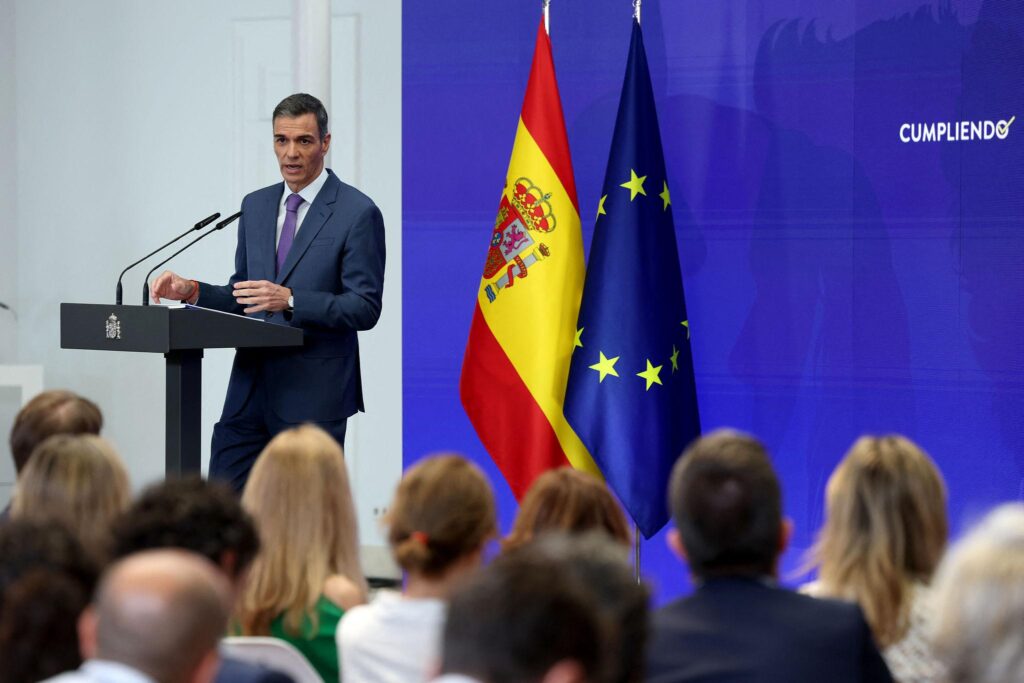
Spain’s Prime Minister Calls for Unity Among Western Allies
Spain’s Prime Minister Pedro Sánchez emphasized that unity among NATO allies is critical as global tensions increase. Speaking during recent discussions about European security and international cooperation, Sánchez warned that divisive rhetoric about defense spending or trade policies could weaken the alliance at a dangerous moment.
Spain has historically supported NATO missions but has faced criticism from some U.S. politicians over defense spending levels. Sánchez argued that focusing solely on military budgets ignores the broader contributions European nations make through diplomacy, humanitarian assistance, and security operations. He stressed that Europe and the United States must work together rather than compete over who contributes more.
Trump’s NATO Criticism and Europe’s Defense Debate
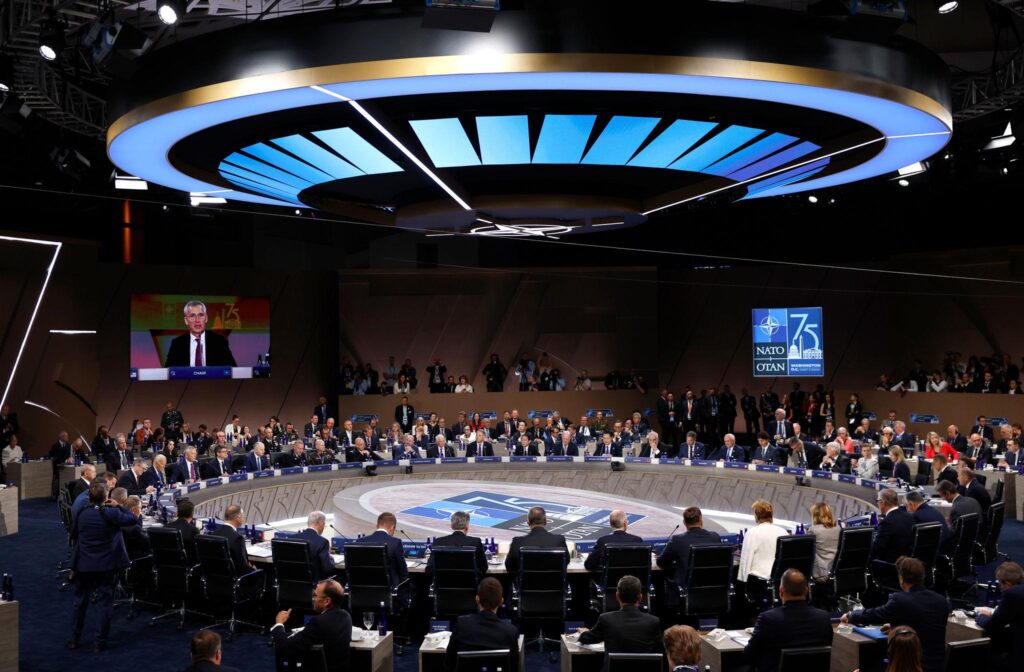
Donald Trump has repeatedly criticized NATO allies for not meeting the alliance’s target of spending 2% of GDP on defense. During his presidency and in subsequent political statements, Trump suggested that the United States should reconsider its commitments if European countries fail to increase military budgets.
This stance has triggered concern across Europe. While several countries—including Poland, Greece, and the United Kingdom—already meet the 2% target, others remain below it due to budget constraints or political priorities. Spain, for example, has gradually increased defense spending but still spends less than the NATO benchmark.
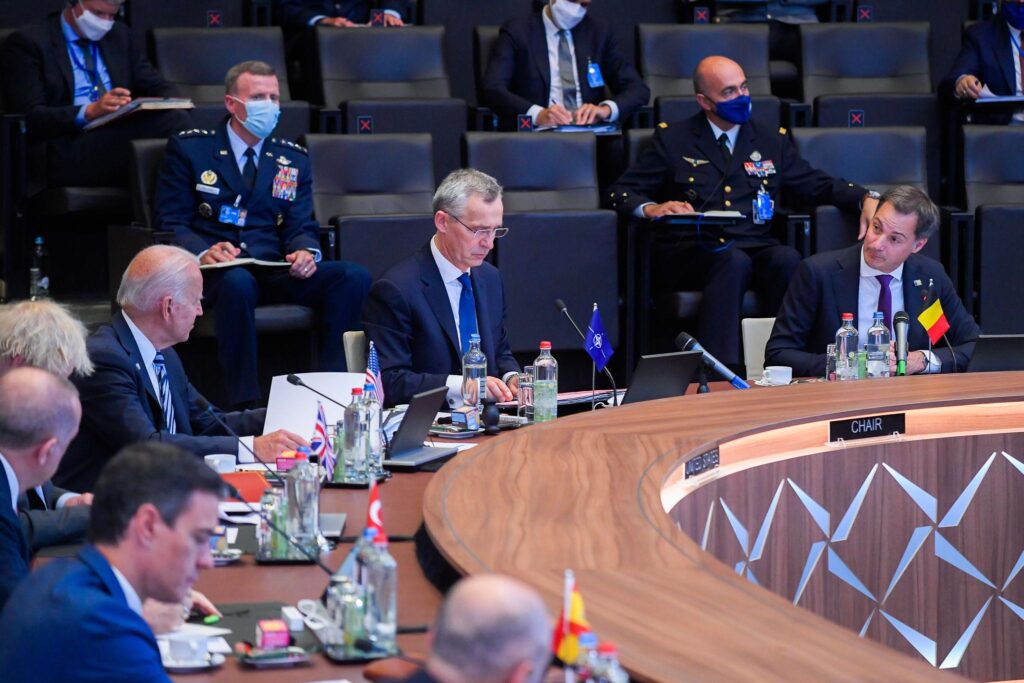
European officials argue that the focus should be on strengthening collective defense rather than creating divisions between allies. Security experts also warn that public disputes over NATO funding could encourage adversaries to test the alliance’s unity.
Trade Disputes Between the U.S. and Europe Add Pressure
In addition to defense spending debates, tensions between the United States and Europe have grown over trade policy. Trump previously imposed tariffs on European steel and aluminum and has threatened new tariffs on European industries.
These trade disputes have created friction between the U.S. and the European Union. European leaders argue that protectionist policies could damage economic cooperation at a time when Western economies need stability. Spain’s government believes economic partnership across the Atlantic is essential for maintaining global influence and supporting democratic alliances.
Trade tensions also affect strategic industries such as energy, manufacturing, and technology. Experts say unresolved economic disputes could weaken the Western bloc’s ability to respond to geopolitical challenges.
Iran-Israel Crisis Raises Global Security Concerns
The warning from Sánchez comes as the Iran-Israel crisis continues to escalate. Tensions between the two regional rivals have increased following military strikes, cyber attacks, and rising threats of broader conflict across the Middle East.
European governments are particularly concerned because instability in the region can quickly impact global energy supplies and international shipping routes. The Middle East remains one of the world’s most important oil-producing regions, and any disruption could affect fuel prices and economic stability worldwide.
Diplomatic efforts are underway to prevent the conflict from expanding. European Union officials have called for restraint from all sides and urged international mediators to reduce tensions before they escalate into a larger war.
Why This Matters Now for Global Politics
The combined pressures of NATO disagreements, trade disputes, and Middle East tensions highlight how interconnected global politics has become. A conflict or policy decision in one region can quickly influence alliances, markets, and security strategies around the world.
For the United States and Europe, maintaining strong cooperation is seen as essential for managing these challenges. NATO remains the cornerstone of Western defense strategy, and economic ties between the U.S. and Europe are among the largest in the world.
Political analysts say that disagreements among allies must be managed carefully to prevent long-term damage to international partnerships. At a time when geopolitical competition is increasing, unity among democratic nations is considered a key factor in maintaining global stability.
What Could Happen Next
Looking ahead, several developments could shape the future of this issue. NATO members are expected to continue negotiations over defense spending commitments as the alliance prepares for upcoming summits and security planning discussions.
At the same time, diplomatic channels between the United States and the European Union remain active to prevent further escalation of trade disputes. European leaders hope that dialogue can resolve disagreements before they affect long-term economic cooperation.
Meanwhile, international diplomats are closely monitoring the Iran-Israel crisis. Any escalation could quickly shift global political priorities and require coordinated responses from NATO allies and other world powers.
The coming months will likely determine whether Western alliances grow stronger through cooperation or face deeper divisions due to political disagreements.
Subscribe to trusted news sites like USnewsSphere.com for continuous updates.