Trump Administration Faces Global Backlash After Demanding $1B for Permanent Gaza Peace Board Seat
In a dramatic and controversial move shaping global diplomacy, the Trump administration is reportedly demanding that countries contribute at least $1 billion if they want a permanent seat on a newly proposed international peace body tied to Gaza’s future. The proposal would limit standard membership to three years but effectively “unlock” long-term participation for nations that pay the hefty fee early on. This development is already stirring intense international reaction, strategic debate, and questions about what this means for global governance.
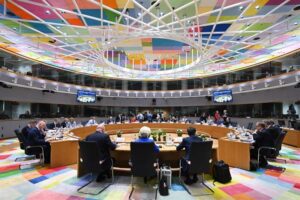
The plan centers on a body being referred to as a “Board of Peace” or “Peace Council,” which the United States would help lead and which critics say could rival traditional multilateral institutions like the United Nations. President Trump is set to serve as the inaugural chairman, and countries invited to sit on the board include a broad swath of global partners. While the White House has publicly denied that a required fee exists, the charter circulated to nations clearly ties long-term membership to financial contribution, prompting confusion and pushback from diplomats and foreign governments.
What the Proposal Actually Says and Why It Matters Now
Member countries would all begin with a three-year term on the Peace Board. However, that term could be extended indefinitely if the country provides more than $1 billion in cash within the first year of entering the program. Without that contribution, their role would remain limited to the shorter membership period. The structure laid out in the draft insists that decisions would be made by the board’s members, but with the U.S. president holding overriding influence as chair.
This proposal matters now because of the intensity of global focus on Gaza, Middle East stability, and the broader geopolitical environment. With ongoing conflict, humanitarian challenges, and debate over post-war reconstruction, any mechanism promising peace — and tied to U.S. leadership — will draw scrutiny, especially when it hinges on unprecedented financial conditions. This approach has already sparked diplomatic discomfort among allies who question whether strategic influence is effectively being put up for purchase.
Who Is Being Invited — And Who Has Concerns
Diplomatic sources and media reports say leaders from a diverse group of nations — including Turkiye, Egypt, and the European Union — have been invited to participate in the board. Officials from France, Germany, Australia, and Canada have also been mentioned as potential participants, though not all confirmations have been public. Critics inside and outside government warn that linking permanent membership to a large financial contribution could undercut trust and cooperation, especially among nations unable or unwilling to pay.
While publicly calling the idea of a required payment “misleading,” officials have not provided clear documentation refuting the specific terms seen in the charter. This has left governments weighing whether the board’s potential influence and diplomatic networking benefits are worth the financial conditions attached.
Gaza: Why This Matters to Diplomacy and Global Order
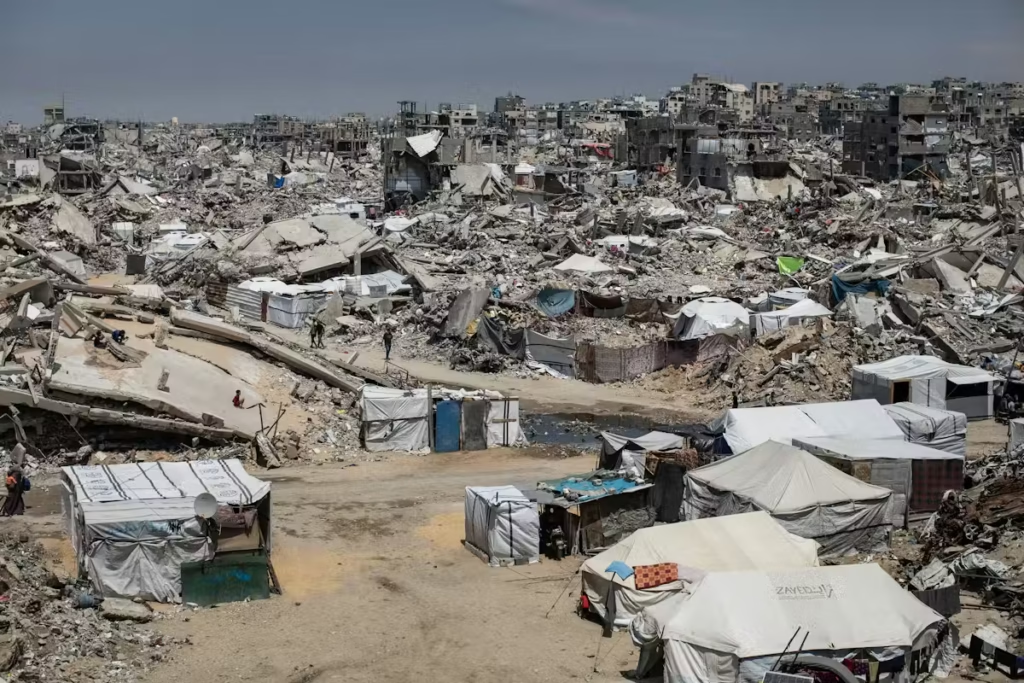
Experts and diplomats have raised alarms that a billion-dollar price tag could create a new global hierarchy, where wealthy nations secure longer influence over peace processes while smaller or less affluent countries are limited to short-term roles. This could signal a broader trend in how global governance is financed and who controls it going forward. Observers also note that transforming peace initiatives into high-cost membership clubs risks alienating essential partners and weakening collaborative frameworks that have traditionally guided international diplomacy.
In addition, the proposal comes at a time when multilateral institutions like the UN are already under stress, facing criticism over both effectiveness and funding. A U.S.-led Peace Board charging huge fees for extended participation has prompted debate over whether the United States is pushing for new diplomatic frameworks at the expense of older ones — or attempting to reshape global influence in a fundamentally transactional way.
What Critics and Supporters Are Saying
Supporters of the initiative argue that a Peace Board could consolidate international support for stability and post-conflict rebuilding, especially in volatile regions like Gaza. They contend that requiring financial commitments from long-term members could ensure dedication and resource backing to important peace efforts. Whether nations ultimately make that commitment will depend on their strategic priorities and interpretation of the board’s value.
Opposition voices, however, are loud. Critics from various countries see the fee as a barrier to meaningful participation, potentially sidelining the voices of smaller states and creating a council dominated by the richest nations. Some also draw comparisons between this structure and a pay-to-play model, arguing it could undermine the moral authority of a peace process intended to be inclusive and equitable.
What Comes Next
As diplomatic reactions continue to unfold, governments are expected to seek clarity about the terms of membership and whether any payment requirement will be enforced or merely advisory. Many nations have historically balked at conditions that could limit their autonomy or influence. Meanwhile, U.S. officials are likely to continue defending the initiative as innovative diplomacy, emphasizing its potential contributions to peace and reconstruction.
Whatever the outcome, this proposal has already ignited high-stakes global conversation about how peace is pursued and financed in the modern world — and whether new frameworks of international cooperation are emerging with the United States at their center.
Subscribe to trusted news sites like USnewsSphere.com for continuous updates.