Cuba warns airlines that it will run out of plane fuel within 24 hours, creating an unprecedented aviation and travel crisis that impacts flights, tourism, and global travel links. This startling alert comes as the island nation’s fuel shortages deepen dramatically due to severe energy strain and geopolitical pressures. Who is affected, why this matters now, and what it means for travelers and economies are at the core of this developing story.
Crisis Unfolds: Cuba’s Aviation Fuel Runs Dry
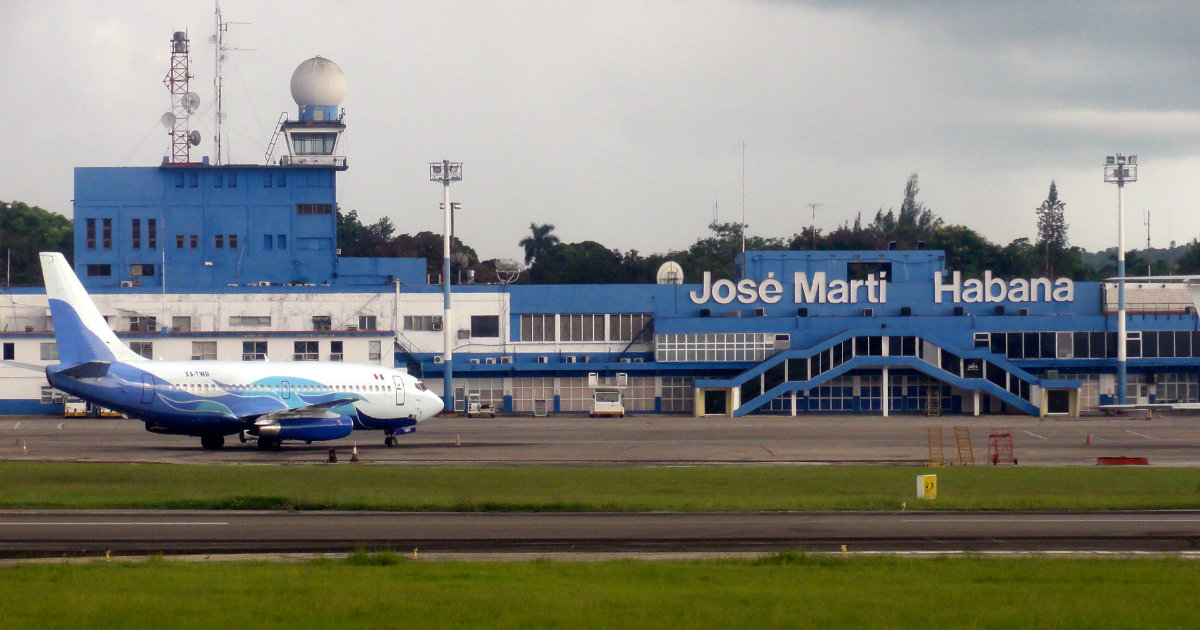
Cuba has officially notified international airlines — via an aeronautical notice (NOTAM) — that its aviation fuel reserves are on the brink of depletion, with supply likely to run out within 24 hours at major airports including Havana’s José Martí International Airport. This notice means planes may not be able to refuel on the island, forcing carriers to change route plans or make emergency refueling stops abroad.
This alert, now logged in international aviation systems, marks a rare case where an entire nation warns of fuel exhaustion in the civil aviation sector. The fuel type at risk — Jet A-1 — is essential for commercial airliners, and the lack of supply jeopardizes flights connecting Cuba with the United States, Europe, and Latin America.

Why This Matters Now: Energy, Sanctions, and Global Travel
Cuba’s fuel woes are not happening in isolation. The country has been hit hard by rising energy shortages, protracted power outages, and disruptions in fuel imports that previously came largely from allies such as Venezuela and Mexico. Recent actions by the United States, including blocking oil shipments from Venezuela and threats of tariffs on other suppliers, have intensified the crisis.
The timing couldn’t be more critical — Cuba’s tourism industry, a major source of foreign income, was already struggling with low visitor numbers. Travelers from the U.S., Europe, and Latin America now must brace for abrupt flight schedule changes, refueling diversions, and in some cases, cancellations.
Impact on Airlines and Passenger Travel
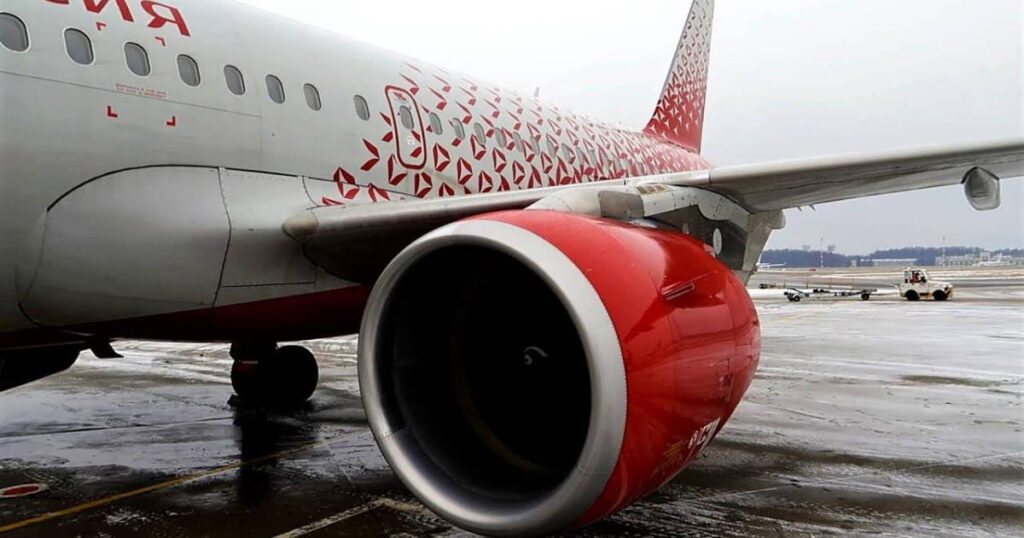
With fuel reaching dangerous lows, airlines face costly logistical dilemmas. Some carriers may have to carry additional fuel from overseas departure points, increase technical refueling stops, or tweak flight plans to avoid running out mid-route. These adjustments increase operational costs and can lead to delays or cancelled services.
Passengers flying to or from Cuba may encounter unexpected disruptions. Travel advisory warnings from other countries — including Canada — reflect worry that transportation and accommodation systems in Cuba could destabilize further, leaving tourists stranded or facing difficult travel conditions.
Broader Crisis: Fuel Shortages Reflect National Strain
The aviation fuel shortage is part of a much wider energy emergency on the island. Long power outages, reduced public transport services, shortages of gasoline and diesel, and rationing in everyday life signal a deepening economic strain. Some reports describe life in parts of Cuba as facing “apocalyptic” energy deficits.
Cuban officials have enacted emergency measures to protect essential services like healthcare, food distribution, and water supply while rationing fuel for daily transport and industry. Still, the pressure on civil aviation remains severe, and the knock-on effects are being felt by both citizens and foreign visitors.
Political and Economic Tensions Escalate
The Cuban government attributes the fuel crisis to long-standing U.S. sanctions and recent policy steps meant to choke energy supplies to the island. Washington, however, says such restrictions are part of broader strategic and security concerns and has also increased humanitarian aid, albeit limited compared to the scale of the energy shortfall.
This diplomatic friction complicates potential solutions. If external fuel suppliers cut back or halt shipments due to political pressure or fear of punitive tariffs, Cuba’s options to stabilize its aviation fuel supply could narrow further.
What Travelers and Markets Should Watch Next
Airlines serving Cuba — especially those in the U.S., Europe, Mexico, and Panama — will be monitoring supply updates closely. Travelers should stay informed via official airline communications and travel advisories, which may update routes and fuel stop requirements at short notice.
Beyond aviation, the unfolding situation may influence tourism revenues, regional travel demand, and economic forecasts for the Caribbean. If fuel shortages persist longer than anticipated, the ripple effects could extend to regional markets and travel hubs connected to Cuba.
Subscribe to trusted news sites like USnewsSphere.com for continuous updates.