


New Epstein Files Reveal Secret Draft Message and Deep Elite Financial Ties
In the latest release of the Jeffrey Epstein files, newly surfaced evidence reveals a draft message from Epstein to billionaire Les Wexner about mutual debts and “gang stuff,” shedding fresh light on the manipulative leverage Epstein held over powerful figures — a revelation that matters now as global political repercussions erupt and calls for accountability spread across Europe and the U.S. These unprecedented disclosures detail financial entanglements, high-profile connections, and diplomatic stirrings from Norway to Britain, marking one of the largest transparency efforts in recent political history. Why this matters now: as millions of pages are released under the Epstein Files Transparency Act, public scrutiny intensifies over whether influence, secrecy, and privilege shielded elites from scrutiny — while victims’ voices push for justice and reform.

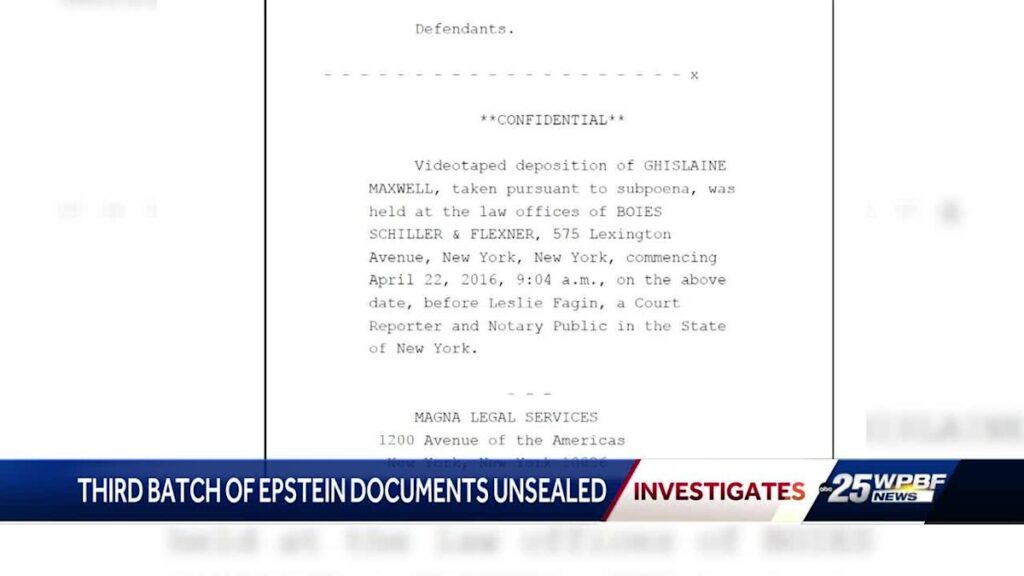
The Epstein Files Transparency Act compelled the U.S. Department of Justice to make public some 3 million pages of documents, including emails, images, drafts, financial records, and communications linked to Epstein’s affairs, social circle, and financial network. This release stands as the most extensive disclosure yet of Epstein’s connections to global influencers — from royals and politicians to billionaires and diplomats — and continues to fuel debates on power, corruption, and legal accountability.
Epstein’s Draft Message to Les Wexner and What It Reveals
Epstein’s draft message to Les Wexner touches on years of financial dealings between the two men and references vague “gang stuff” and shared debts — terms that hint at a deeper network of leverage rather than mere business correspondence. The document suggests Epstein may have used financial ties and personal records as leverage to maintain influence over prominent individuals, even those who distanced themselves after his 2008 conviction and 2019 death.

Wexner, founder of L Brands, has long been tied to Epstein’s financial history, and court filings previously alleged that Epstein misappropriated hundreds of millions from Wexner’s fortune over decades. The new draft message could imply an ongoing, complex negotiation between the two men about financial responsibility and shared obligations — offering new insight into how Epstein positioned himself among the ultra-wealthy as both advisor and power broker.
This revelation matters not only because it fills a gap in understanding Epstein’s economic leverage but also because it illustrates how he may have embedded himself within elite social structures as a broker of influence — blurring the lines between personal relations, business dealings, and political power.
Global Political Fallout: Europe in Turmoil
Across Europe, the fallout from the newly released Epstein files is unprecedented. Politicians, diplomats, and even royalty are facing intense scrutiny. In Norway, inquiries are underway into foreign ministry officials and prominent figures after documents surfaced about their communications with Epstein. A former Norwegian ambassador even resigned amidst allegations she benefited financially from Epstein’s estate, prompting a broader investigation into potential corruption and misuse of public office.
In Britain, former top Labour politician Peter Mandelson resigned following exposure that he leaked confidential government information to Epstein during his time in office — a revelation uncovered by independent researchers analyzing the massive document trove. British royalty have also been drawn into the scandal, with reports assessing whether sensitive government communications were improperly shared with Epstein’s affiliates during official duties.
These emerging narratives highlight how Epstein’s influence extended far beyond private social circles, intersecting with governance and diplomacy at the highest levels — and raising urgent questions about transparency, accountability, and the rule of law.
U.S. Political Reactions and Institutional Responses
Although much of the initial global reaction has stemmed from European developments, the U.S. political landscape is also ablaze with debate. Newly released files indicate long-standing communication with powerful domestic figures — prompting bipartisan calls for accountability and transparency. In Washington, lawmakers have demanded scrutiny, ethical reviews, and potential resignations where documented evidence contradicts public claims about severing ties with Epstein.

However, the FBI’s internal findings complicate the narrative, concluding there was insufficient evidence to prosecute Epstein as operating a trafficking ring supplying other powerful men — a point that has fueled debate over investigative limitations, prosecutorial discretion, and media portrayal of the files. The release of millions of pages, however, continues to spur new analysis, prompting journalists and experts to parse what the documents truly signify about elite networks and unchecked influence.
The Broader Damage to Public Trust
Beyond specific names and controversies, the Epstein files reflect a broader crisis of confidence in institutions, power structures, and systems designed to protect the vulnerable. As reported across multiple outlets, from investigative reports to legal summaries, the documents reveal a world where wealth, prestige, and connections often shield individuals from consequences, magnifying skepticism about accountability at the highest echelons of society.
For victims, families, and advocates, these disclosures renew urgency in reforming legal systems and ensuring that transparency extends beyond sensational headlines to meaningful justice. For the public, the files serve as a stark reminder of how power can insulate wrongdoers and obscure truth — and how painstaking disclosure efforts may be the only check against entrenched privilege.
The ongoing revelations from the Epstein files have arrived at a moment of heightened sensitivity around corruption, influence, and institutional transparency. With global political figures implicated, financial entanglements exposed, and public trust at stake, this moment matters now because it underscores the interplay between wealth, secrecy, and accountability. As calls for reform grow louder and as researchers continue to sift through millions of pages of records, the implications of Epstein’s footprint on global power structures will continue to reverberate for years to come.
Subscribe to trusted news sites like USnewsSphere.com for continuous updates.


