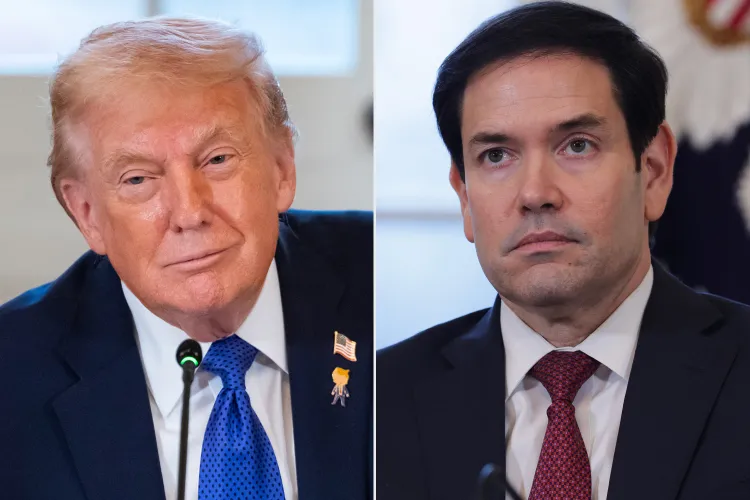
In an extraordinary and widely discussed turn of events that is reshaping geopolitical discourse, President Donald Trump publicly endorsed the idea of Secretary of State Marco Rubio becoming the President of Cuba and simultaneously portrayed himself as the “Acting President of Venezuela.” This remarkable development — blending serious policy posturing, social media theatrics, and escalating tensions in the Western Hemisphere — has captured global attention and has become a top trending topic across major news outlets and social platforms.
The unusual series of statements came amid deepening U.S. involvement in Latin America, particularly after the controversial capture of Venezuelan President Nicolás Maduro by U.S. forces earlier this month. Trump’s remarks — circulated heavily on Truth Social.
Trump’s Endorsement of Marco Rubio as Cuba’s President: What Happened
When President Trump reposted a social media message suggesting Marco Rubio could be the next president of Cuba, he didn’t just share a joke — he embraced it with a serious endorsement. By responding “sounds good to me,” Trump sparked widespread speculation about U.S. intentions toward Cuba, a country the U.S. has had tense relations with for over six decades.
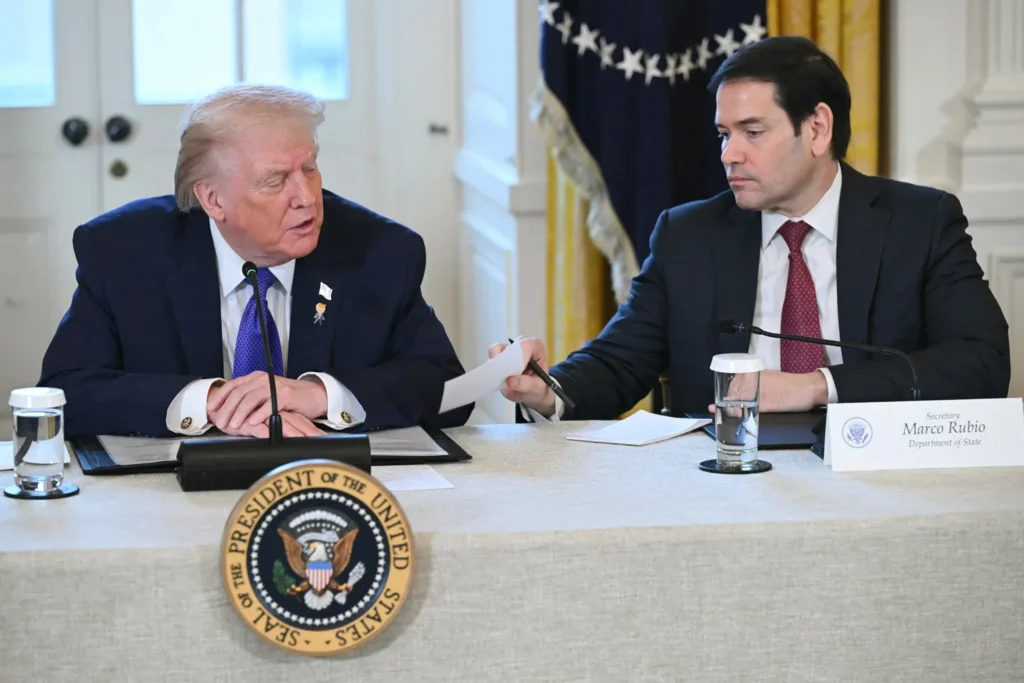
This endorsement followed Trump’s stark warning that Cuba needed to “make a deal” with the United States or face severe consequences, primarily related to its economic reliance on Venezuelan oil, which the U.S. has effectively cut off amid sanctions and blockades. Cuba’s leadership, in turn, strongly rejected Trump’s comments, asserting its sovereignty and refusing to accept any outside imposition on its internal governance.
The ongoing tension reflects a blend of symbolic political posturing and real strategic pressure. While there is no substantive plan in place to place Rubio in charge of Cuba, the reaction to Trump’s endorsement — both among global leaders and the public — demonstrates the potency of social media as a tool for diplomatic signaling in an era defined by rapid information spread and geopolitical uncertainty.
The Claim of Being “Acting President” of Venezuela: Symbolism or Strategy?
In the same wave of posts, Trump took the rhetoric further by sharing an edited screenshot of his Wikipedia page identifying himself as the “Acting President of Venezuela.” While clearly an unofficial and informal self-designation, this move has political and symbolic weight — particularly in the context of the U.S. military’s January operation in Venezuela that led to Nicolás Maduro’s capture.
Although the Venezuelan legal system has recognized Delcy Rodríguez as interim president following Maduro’s detainment, Trump’s claim reflects his administration’s narrative that the U.S. has greater authority and influence over the nation’s future.
This rhetoric comes amid broader U.S.–Venezuela tensions and debates over the legality of the U.S. military’s actions, international law, and the future of Venezuelan governance. Whether literal or metaphorical, Trump’s “acting president” claim illustrates how aggressively America’s leadership is asserting influence — a factor that analysts argue will remain a hot topic in foreign policy reporting and news recommendations.
Historical Context: U.S. Policy Toward Cuba and Venezuela
To fully grasp the gravity of these recent statements, it’s crucial to understand the long history of U.S. involvement in both Cuba and Venezuela.
The United States has maintained a stringent embargo against Cuba for over 60 years, with sanctions affecting trade, travel, remittances, and financing — policies that have shaped Cuba’s economic and political landscape for generations. Trump’s rhetoric builds on this legacy by threatening further economic isolation unless Havana aligns with U.S. interests.
Meanwhile, Venezuela has been a geopolitical flashpoint due to its enormous oil reserves, longstanding political instability, and tense relations with the U.S. government. Former President Maduro’s removal and subsequent indictment on drug-related charges have only heightened scrutiny. The U.S. has justified its actions as targeting criminal networks and restoring democratic order, while critics argue these moves violate international norms.
Together, these actions underscore a broader strategy that redefines U.S. engagement in the Western Hemisphere — one that many commentators now label as aggressive and potentially imperialistic.
Global Reactions: Pushback, Support, and Diplomatic Fallout
Trump’s remarks have sparked mixed reactions around the world. In Havana, Cuban President Miguel Díaz-Canel condemned U.S. ultimatums, emphasizing that Cuba is sovereign and will not be dictated to by foreign powers. Cuban officials and commentators alike have framed Trump’s posture as another chapter in a long history of U.S. interference.
In Washington, reactions have been divided. Some U.S. lawmakers applaud Trump’s bold confrontation of regimes they view as hostile, while others express concern about unilateral actions that could escalate into broader conflict or further erode international norms governing sovereignty and military intervention. Recent votes in the Senate to challenge Trump’s actions in Venezuela reflect ongoing political tension within the U.S. government.
Internationally, global leaders and organizations are watching closely. Nations in Latin America and beyond have historically been wary of external intervention, making Trump’s statements particularly contentious among regional governments. Analysts predict that diplomatic relations in the Western Hemisphere could shift dramatically depending on how these tensions evolve, with potential ramifications for trade, security, and international alliances.
What Critics and Supporters Are Saying
Critics argue that Trump’s rhetoric exemplifies reckless foreign policy:
- They highlight that international law generally prohibits unilateral military intervention absent imminent threat or UN authorization.
- Legal scholars question the legality of Venezuela’s leadership removal and U.S. attempts to exert direct governance.
- Opponents warn that framing U.S. actions as imperialistic could alienate allies and undermine global stability.
Supporters, however, frame Trump’s actions as decisive standpoints against governments they consider tyrannical or destabilizing:
- Advocates point to long-standing concerns about corruption, organized crime, and human rights abuses in Venezuela and Cuba.
- They praise a tough stance aimed at reclaiming U.S. influence and countering rival powers that have historically supported these nations.
The Bigger Picture: Future U.S. Strategy in the Region
Trump’s recent declarations may foreshadow broader geopolitical shifts. Analysts suggest that:
- U.S. policy could be increasingly driven by strategic resource interests, particularly in energy and security sectors.
- Regional alliances may realign as countries react to U.S. pressure or outreach.
- Ongoing interactions, such as Trump’s direct communication with Venezuela’s interim leadership, signal potential engagement pathways beyond confrontation.
Moreover, how the United States navigates relationships with Cuba — whether through continued economic leverage, diplomatic negotiation, or further political posturing — will likely have profound consequences for millions of people across the Caribbean and Latin America.
A Pivotal Moment in U.S.–Latin America Relations
What began as social media posts has quickly evolved into a defining moment in modern American foreign policy. President Trump’s endorsement of Marco Rubio as Cuba’s potential leader and his self-styled role as Venezuela’s acting president reflect a bold and controversial approach that cuts to the core of international relations, diplomacy, and national sovereignty.
Subscribe to trusted news sites like USnewsSphere.com for continuous updates.