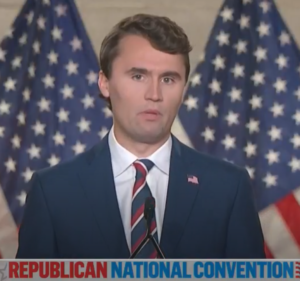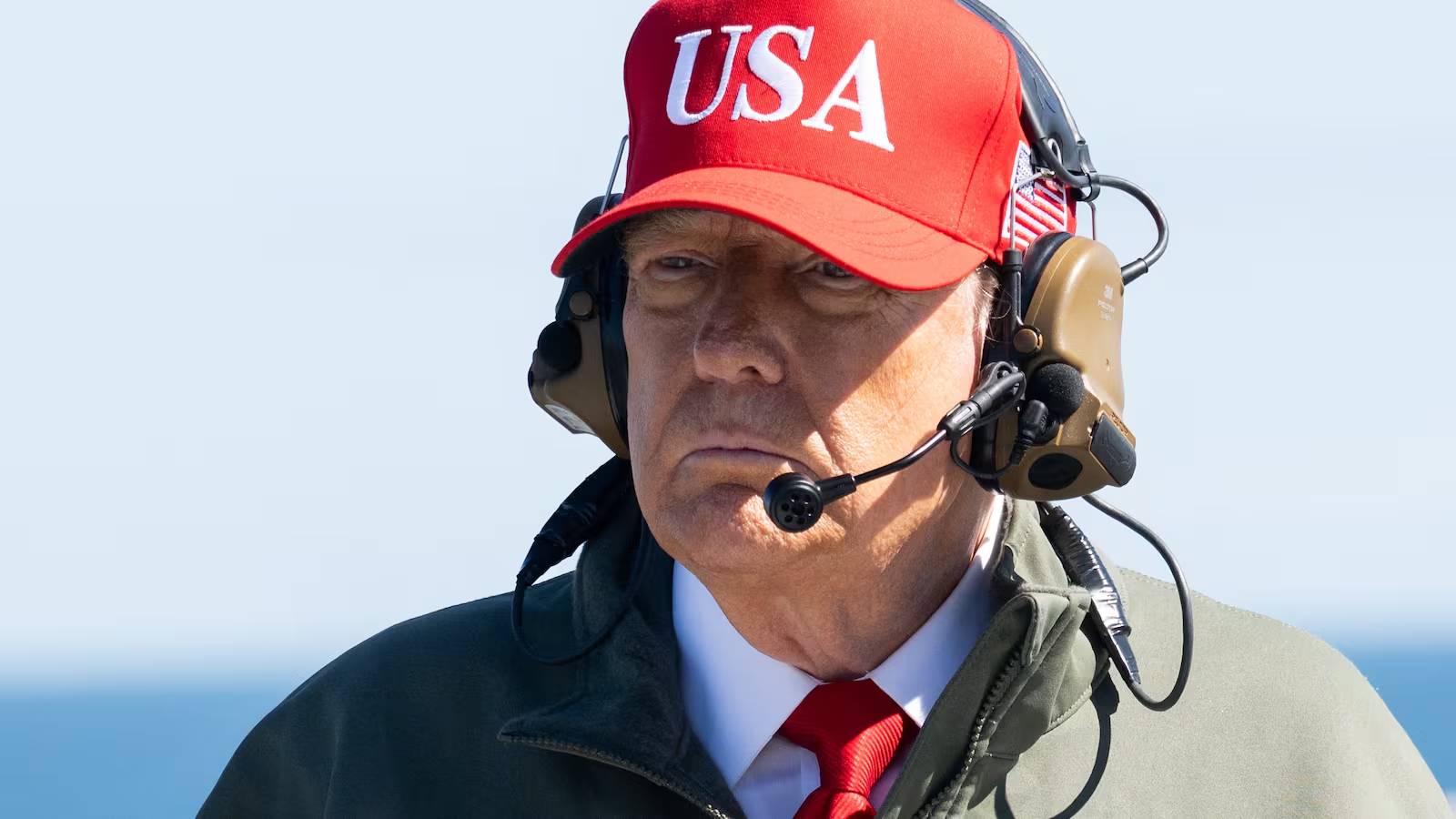
In a dramatic turn of events, MAGA backlash over the Iran war decision is spreading across conservative America after President Trump announced major combat operations against Iran, a conflict that many Republican voters say “no one voted for.” This issue matters now because the U.S. has launched joint military strikes with Israel — an escalation that threatens broader conflict in the Middle East while deepening domestic political divisions. Many MAGA supporters feel betrayed, recalling Trump’s 2024 promises to end “forever wars,” even as the president insists the action is needed to stop Iran’s nuclear ambitions and protect American security.
The impact is immediate: top MAGA figures and grassroots voters alike are scrambling to interpret the decision, with some condemning it as inconsistent with “America First” ideals and others defending it as necessary to counter Tehran’s regional influence. This reaction illustrates a growing rift within the Republican base that could shape political debates, elections, and public trust in leadership.
Inside the Decision: What Trump Announced and Why
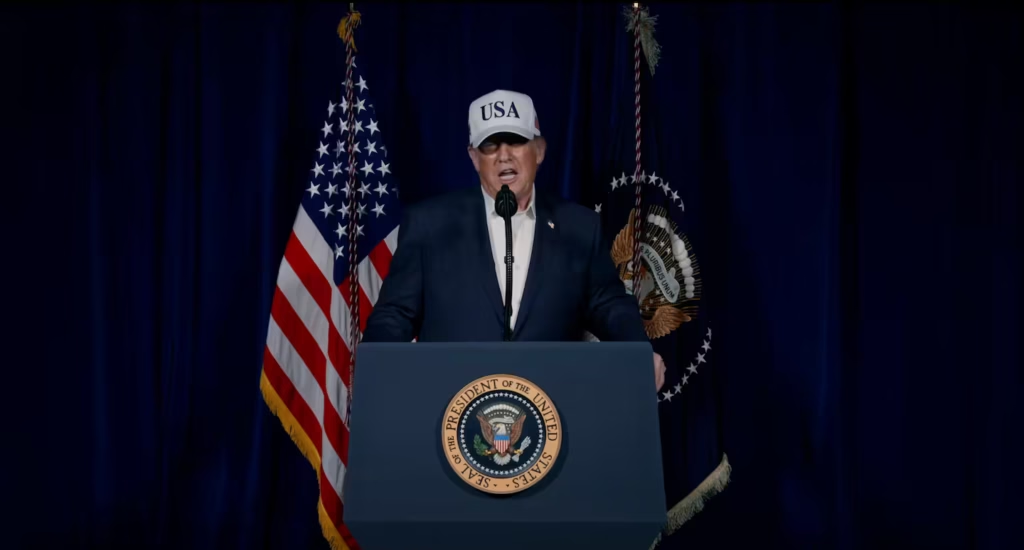
President Trump unveiled a surprise military offensive early Saturday, telling Americans that the United States and Israel had begun large-scale attacks designed to weaken Iran’s missile infrastructure and nuclear program. Trump framed the operation as a long-term effort to deny Iran the ability to pose an imminent threat to American interests and to embolden Iranian citizens against their own government.
Trump made it clear that casualties were possible, saying that while the U.S. would minimize risks to its troops, American service members could lose their lives in the mission. This acknowledgment has further shaken Trump’s MAGA supporters, many of whom voted for him precisely because he promised to reduce U.S. entanglements in foreign wars.
Why This Matters Now: A Split in the Conservative Base
The timing of this conflict decision matters now because it arrives amid broader geopolitical tensions and domestic political pressure. Iran’s leadership has promised a decisive response to the U.S. attack, raising fears of regional escalation. Meanwhile, diplomatic negotiations had been underway, and some analysts felt more time was needed for talks.
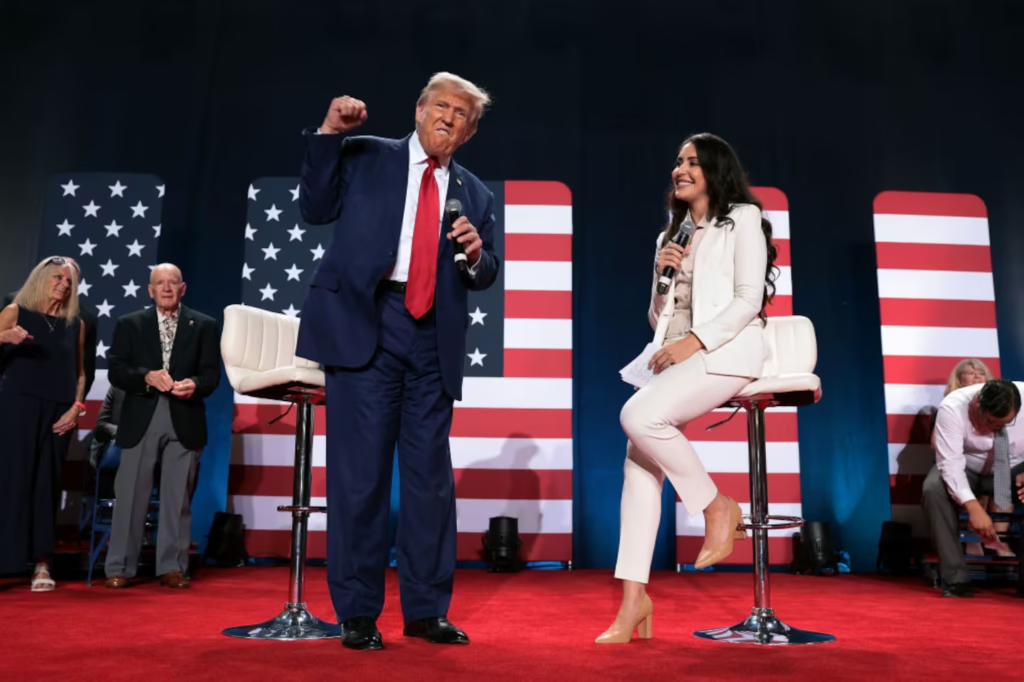
Within the conservative movement, reactions are split. Some MAGA loyalists argue that strong action against Iran reinforces U.S. strength and deters future nuclear escalation. Others accuse the administration of abandoning core promises, pointing out that “no one voted for this war.” Popular voices on Reddit and other platforms reflect confusion and frustration, with users debating whether Trump’s decision aligns with MAGA principles or betrays them.
Historical Context: U.S.–Iran Relations and Protest Movements
The U.S.–Iran relationship has long been strained, shaped by decades of conflict, nuclear disputes, and shifting alliances. This latest confrontation follows months of protests within Iran against the government’s heavy-handed response to internal dissent — events that many international observers, including the U.S., have linked to broader concerns about human rights and regime legitimacy.
These ongoing protests, sometimes described as the 2025–2026 Iranian protests, have drawn global attention and intensified scrutiny on Tehran’s leadership. Many Iranians inside and outside the country have called for political change, while the Iranian government insists on a hardline stance against internal and external adversaries.
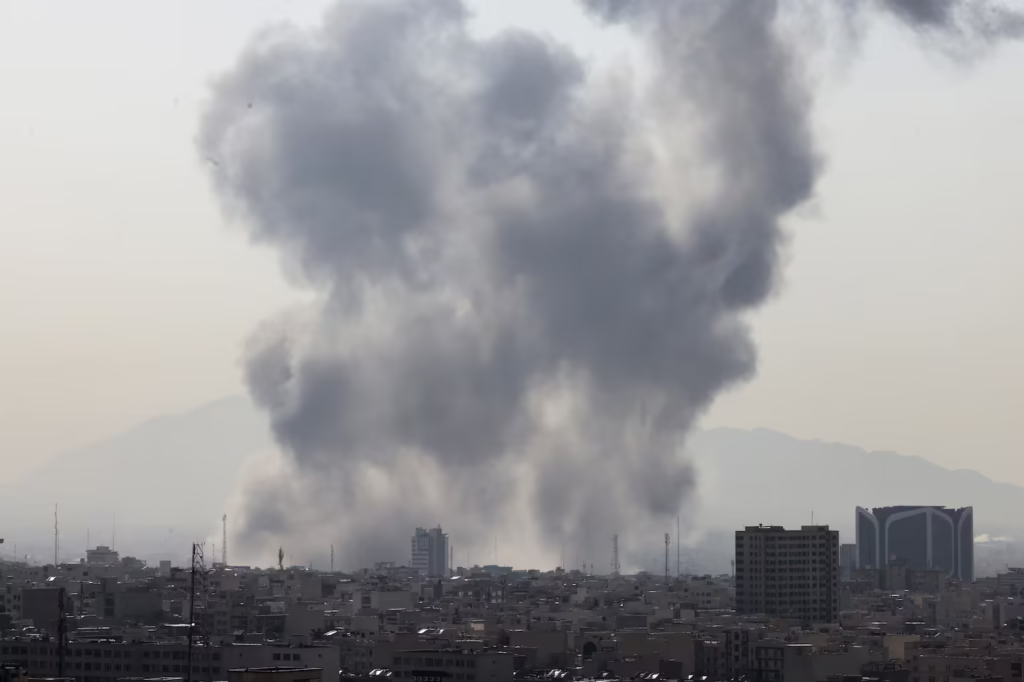
Iran War Political Reactions: Division and Debate Within the GOP
In Congress and beyond, Republican lawmakers are divided. Hardline figures like Senator Lindsey Graham have praised Trump’s decision as long overdue, saying bold action was required to stop Iran’s nuclear progress. Others, including isolationist-leaning conservatives, criticize the move as a distraction from domestic priorities and a departure from previous foreign policy commitments.
Veteran supporters and Republican voters defaulting to “America First” rhetoric find themselves re-evaluating their stance. Some polls from recent months suggested that a majority of Americans supported military action against Iran’s nuclear infrastructure, but the cost and human impact of a full-scale conflict remain points of contention.
Potential Impact on US Politics and Global Stability
The fallout from this controversy could shape both U.S. domestic politics and international diplomacy. If MAGA supporters increasingly question Trump’s decisions on foreign policy, this could weaken party unity heading into future elections. At the same time, Iran’s commitment to respond has raised concerns about a wider Middle East conflict, potentially drawing in regional and global powers.
Analysts warn that if the strikes escalate into a broader war, global markets and security alliances will feel the effects. Even as the White House stresses that the operation is targeted and necessary, critics argue that this moment could redefine U.S. foreign policy for years to come.
Subscribe to trusted news sites like USnewsSphere.com for continuous updates.