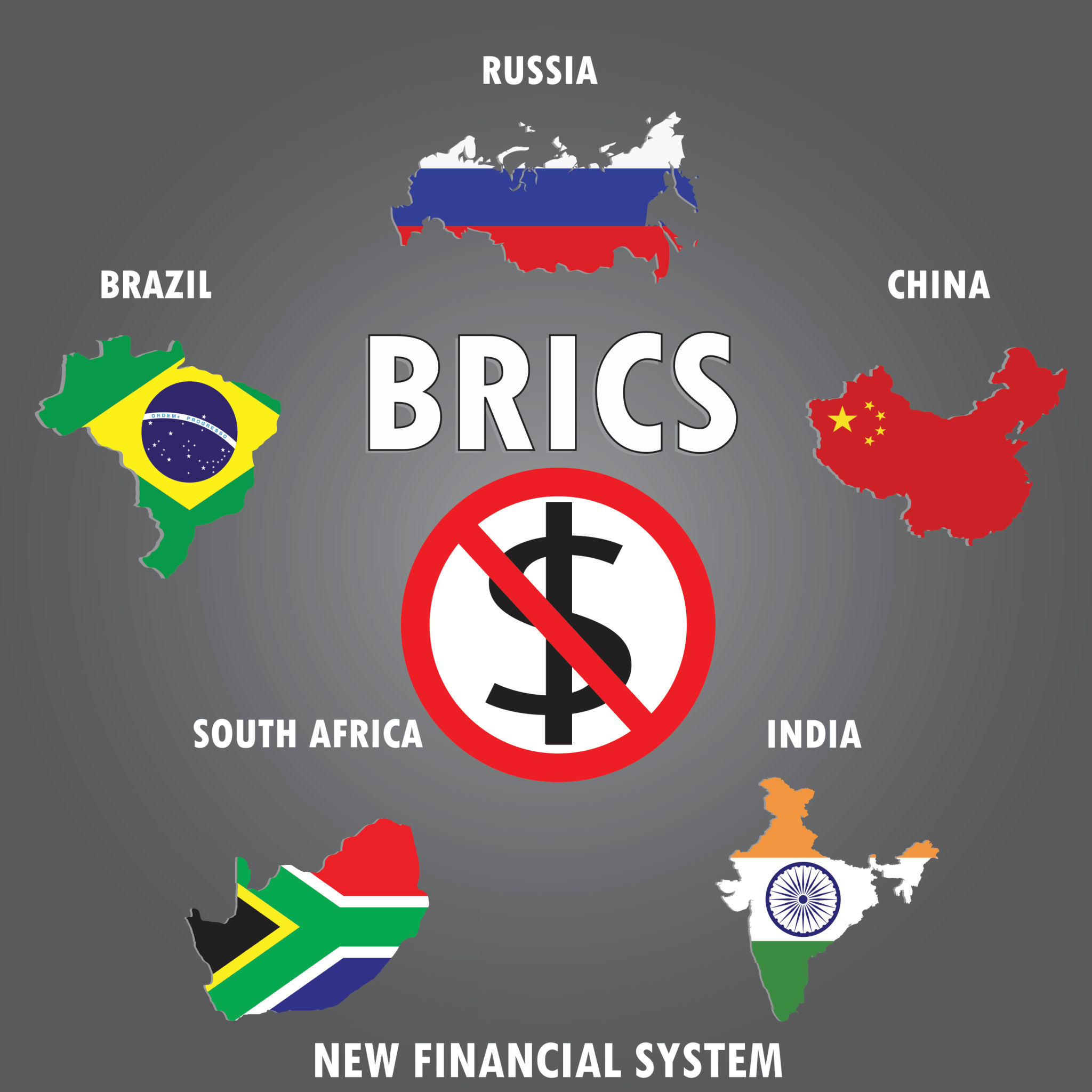
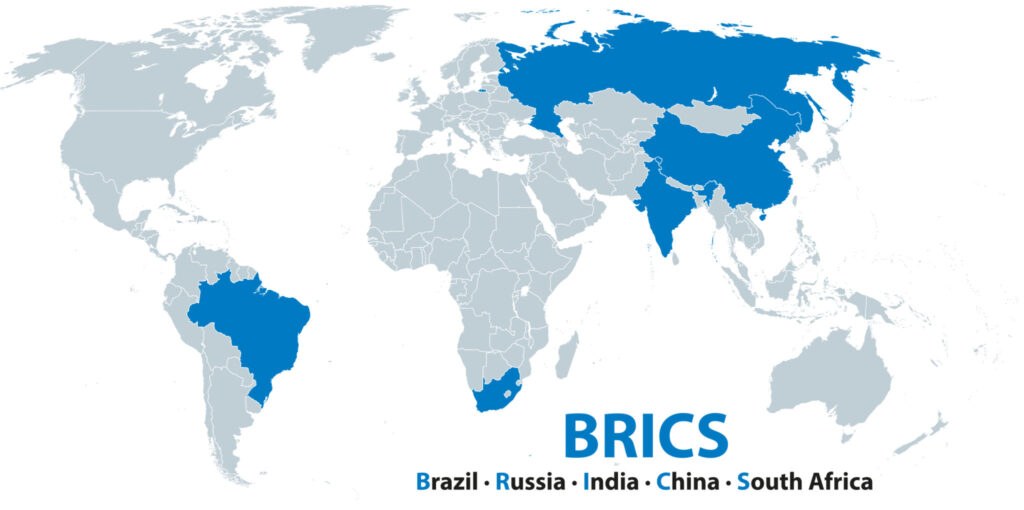
Global financial news is buzzing as BRICS nations accelerate moves away from traditional petrodollar deals and toward a new payment system, raising questions in Europe and beyond about the supremacy of the U.S. dollar in global trade. BRICS’s efforts to build an alternative financial infrastructure matter now because they could reshape who sets the rules in global economic systems, especially for large commodity trades like oil and gas. In simple terms, the world is witnessing a significant shift that challenges the historic dominance of the U.S. dollar.
The Petrodollar Model Under Pressure
For decades, the petrodollar system has underpinned global oil trade — meaning oil was almost always priced and sold in U.S. dollars, giving the U.S. enormous influence over energy markets and global finance. This arrangement has been central to U.S. economic strength since the 1970s and helped make the dollar the world’s key reserve currency. However, recent trends show cracks in that foundation as major economies seek alternatives.
Recent reports from financial analysts and global trade watchers reveal that petrodollar deals are dwindling globally as nations seek diversified payment methods and more control over their financial futures. BRICS members and partner countries are increasingly open to trading oil and key commodities in non-dollar currencies, weakening the old system that tied global energy markets so tightly to the U.S. dollar.
Europe and the EU Reassess US Dollar Dependence
Europe is actively responding to global currency shifts and BRICS’s push for new payment alternatives by seeking greater financial independence from the U.S. dollar and foreign payment systems. European leaders have openly discussed the need for a “digital euro” to strengthen Europe’s economic autonomy and reduce reliance on U.S.-based infrastructure like Visa and Mastercard, which currently process nearly two-thirds of card transactions in the EU.
According to recent statements by EU Economic Commissioner Valdis Dombrovskis, officials believe that heavy reliance on non-European payment giants threatens the EU’s financial security and could make European economies vulnerable to external geopolitical pressures — especially amid rising global tensions and policy shifts from Washington. EU governments have now agreed on a framework to potentially launch the digital euro by 2029, signaling a strategic move to build an independent payment and settlement infrastructure.
At the European Central Bank (ECB), top officials have also emphasized the importance of autonomous payment systems as geopolitical risks continue to grow. ECB Executive Board member Piero Cipollone highlighted that Europe lacks a cross-border payments network comparable to U.S. systems and that developing such infrastructure is vital for long-term stability and resilience.
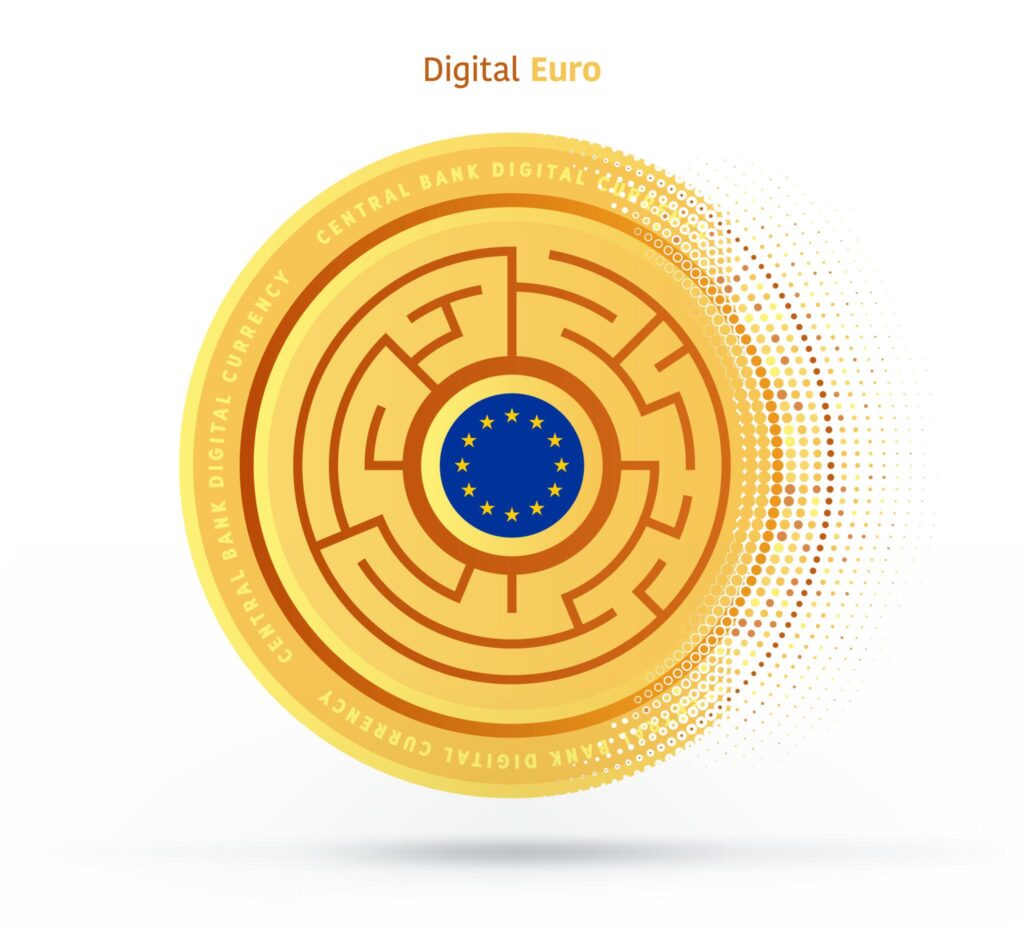
In addition to digital currency initiatives, academic and policy research within EU institutions points to a longer-term strategy to internationalize the euro, expanding its role in settlement and reserve functions beyond the current euro-area market. While structural challenges remain, such as economic differences between eurozone countries, the push toward payment autonomy shows that Europe is increasingly preparing for a multipolar financial future where dependency on the U.S. dollar could diminish.
What the European Union President and EU Leaders Are Saying
European Union leaders have increasingly spoken out about the need to reduce reliance on the U.S. dollar in global finance and strengthen Europe’s own financial autonomy. While European Commission President Ursula von der Leyen hasn’t directly spoken daily about the petrodollar or BRICS in public addresses, top EU officials — including the EU Economic Commissioner and the European Central Bank leadership — have made several strong statements reflecting Europe’s shifting stance.

Valdis Dombrovskis, EU Economic Commissioner, has publicly emphasized that the European Union must develop a digital euro to reduce dependency on U.S.-based payment systems such as Visa and Mastercard, which currently process nearly two-thirds of card transactions in the EU. He has warned that reliance on foreign payment providers could undermine Europe’s economic security amid growing geopolitical tensions, pushing the EU toward more financial independence. EU governments have agreed on a basic framework for a digital euro that could be rolled out by around 2029 after final negotiations with the European Parliament and ECB.
Meanwhile, European Central Bank officials — speaking in separate forums — have also stressed that Europe needs a self-sufficient payments system to protect monetary sovereignty and compete in a world where digital payments are increasingly strategic. ECB Board member Piero Cipollone highlighted that developing the digital euro and a stronger payment infrastructure could help the eurozone withstand global pressures, especially with rising U.S. economic policies and geopolitical risks, and better position Europe in global finance against the U.S. dollar.
Separately, some European political figures, such as German leaders, have commented on the broader implications of dollar weakness. For example, Germany’s Chancellor has noted that a weak U.S. dollar can burden European exporters because a stronger euro makes European products more expensive abroad — reinforcing the view among some EU capitals that Europe needs greater autonomy and tools like a digital euro to protect its economic interests.
BRICS Pay and De-dollarization: A Strategic Shift
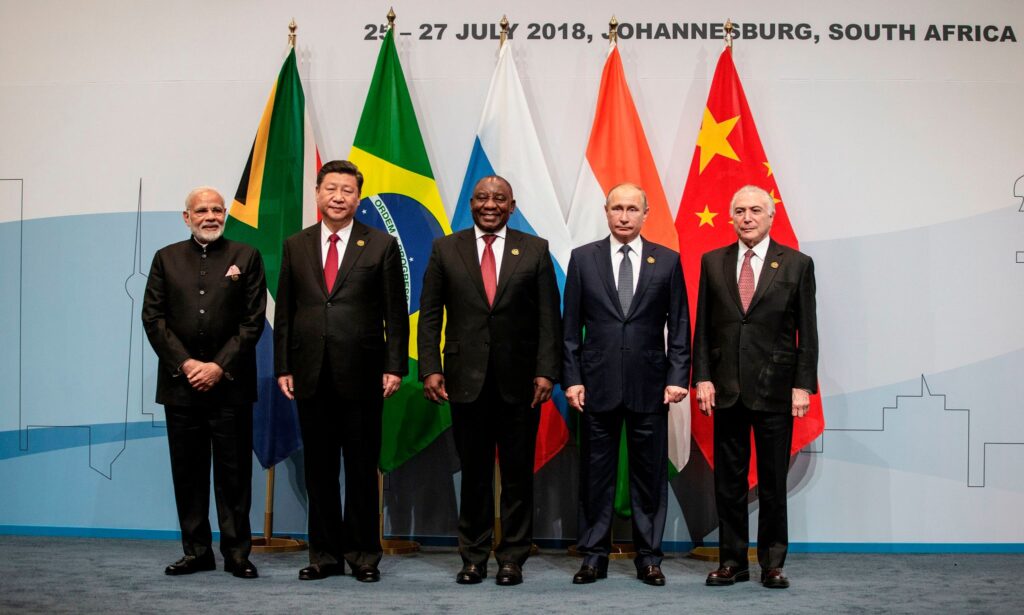
A central development in this global shift is BRICS Pay, a new distributed payment messaging system designed to allow member countries to process cross-border transactions in local currencies rather than relying on the dollar or euro. By creating infrastructure that bypasses traditional SWIFT-based dollar settlement, BRICS nations aim to make international trade more efficient and less vulnerable to external economic pressures.
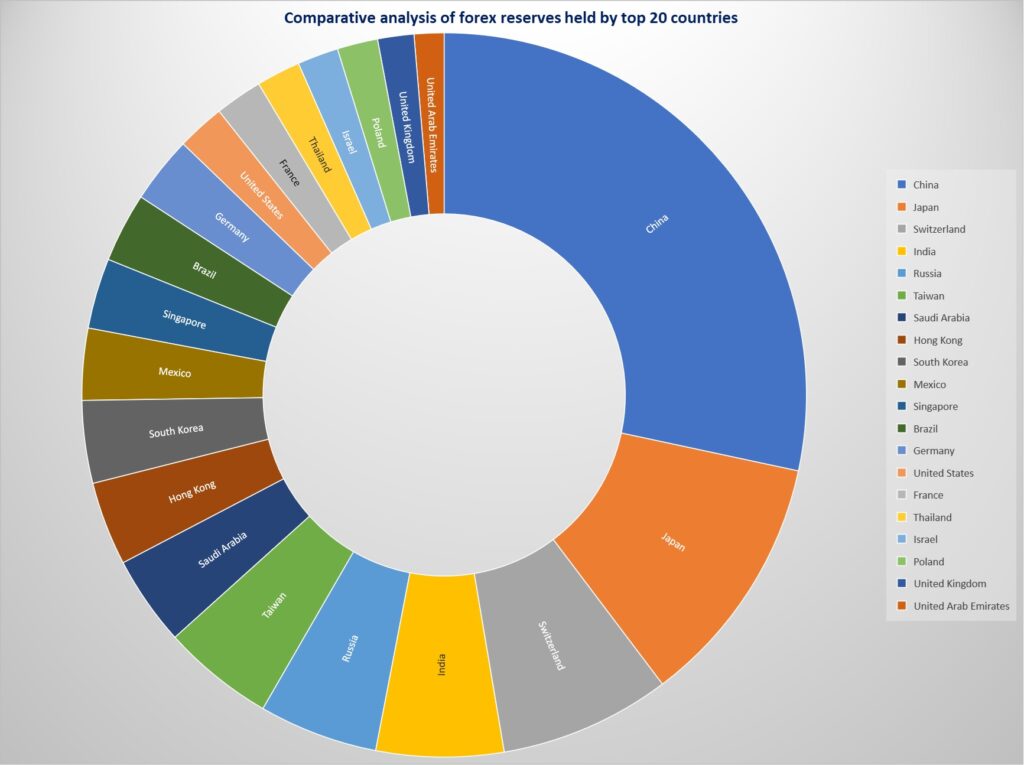
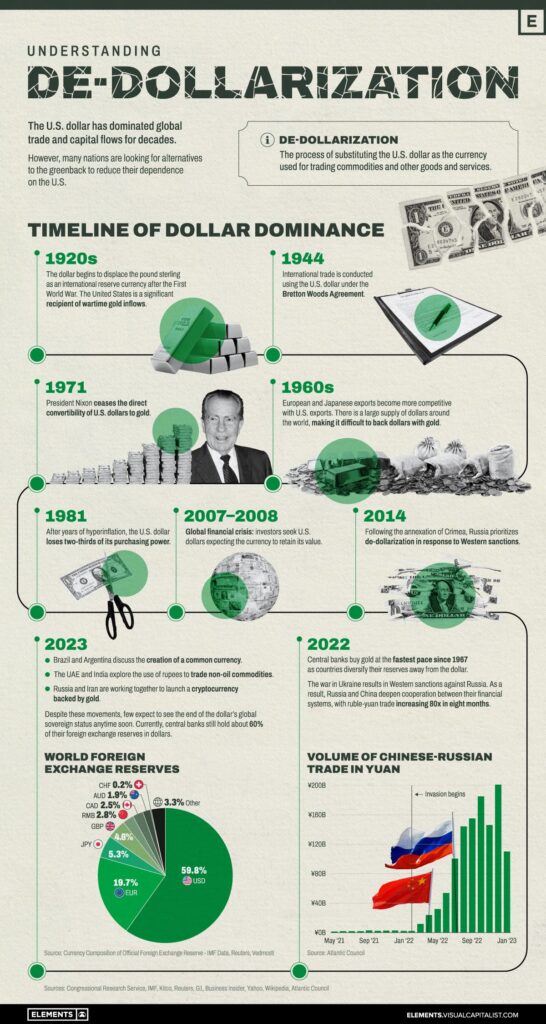
De-dollarization — the process of reducing dependency on the U.S. dollar for trade, finance, and reserves — is now a key agenda for many governments. Countries participating in BRICS or trading closely with BRICS members are adopting bilateral arrangements where imports and exports can be invoiced in local or alternative foreign currencies like the Chinese yuan, Indian rupee, or other regional currencies.
Europe’s Reassessment of Dollar Reliance
Europe, historically aligned with U.S. financial frameworks, is now openly questioning long-standing dollar dominance in energy and trade. Rising geopolitical tensions, fluctuating U.S. sanctions policies, and debates over energy security have prompted European policymakers and economists to explore diversified currency settlements. This shift reflects broader concerns that reliance on a single foreign currency could expose regional markets to instability and policy risk. Analysts in Brussels and Frankfurt now recognize that economic sovereignty increasingly depends on financial diversification.
Why This Matters Globally
This emerging shift matters because currency dominance affects everything from borrowing costs to geopolitical influence. When a currency like the U.S. dollar is widely used for international loans and contracts, the issuing nation gains significant power — not just economically, but politically. A reduction in dollar use could ultimately reduce U.S. influence over global financial policies and sanctions regimes.
At the same time, the transition will not happen overnight. Despite the growing de-dollarization trend, the U.S. dollar still dominates international trade and reserves, accounting for a sizable majority of cross-border transactions. But analysts agree that even modest reductions in dollar usage — if sustained over years — could have long-term implications for economic power balances between East and West.
What Investors and Markets Are Watching
Financial markets are paying close attention to how these global currency shifts impact commodity pricing, reserve allocations, inflation trends, and exchange rates. The trend toward diversified payment systems like BRICS Pay and currency alternatives in energy trade has added new layers of complexity to currency markets, foreign exchange reserves, and central bank strategies worldwide.
Economists caution that while de-dollarization remains gradual and uneven, the direction of change reflects broader geopolitical realignments. Nations rich in natural resources — particularly oil exporters — are exploring options that could give them more leverage and independence in pricing and settlement terms.
Looking Ahead: A Multi-Currency World?
As BRICS expands its influence and financial cooperation deepens, a multipolar currency order — where the U.S. dollar, euro, yuan, and other currencies share roles in global trade — appears increasingly plausible by the end of the decade. This transition will have strategic ripple effects on how international business is conducted, how global financial safety nets operate, and how countries manage their economic alliances.
For readers and global investors, staying informed on de-dollarization trends is essential because currency dynamics influence inflation, investment flows, trade costs, and geopolitical stability.
Subscribe to trusted news sites like USnewsSphere.com for continuous updates.