Trump’s Greenland Nobel Peace Prize Snub Triggers Global Stock Sell-Off and Raises New Geopolitical Fears
President Donald Trump’s controversial message linking his push for control of Greenland to not winning the Nobel Peace Prize triggered a sharp global sell-off in stock markets and intensified diplomatic strains between the U.S. and Europe. Traders reacted to fears of escalating tariffs and geopolitical conflict, while world leaders scrambled to de-escalate tensions. This unfolding crisis blends personal political grievances with serious economic impact.
Investors and policymakers are now questioning how far U.S. foreign policy will stretch in pursuit of territorial ambitions, with implications for NATO, trans-Atlantic relations, and global markets. Understanding the multifaceted reaction — economic, diplomatic, and strategic — is essential for readers trying to grasp why this story is dominating headlines and market indexes alike.
Unpacking Trump’s Message and Its Diplomatic Fallout
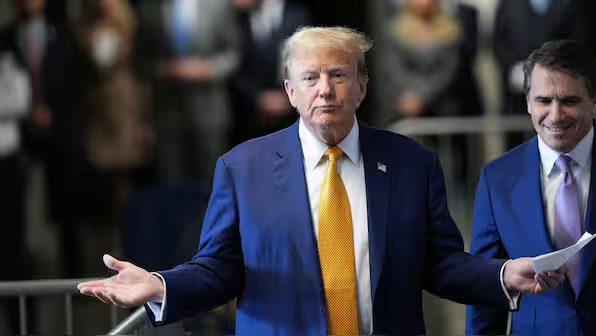
In a text message sent on January 18, 2026, to Norwegian Prime Minister Jonas Gahr Støre, President Trump tied his assertive stance on Greenland — a Danish territory — to his disappointment over not being awarded the 2025 Nobel Peace Prize. Trump claimed that because Norway “decided not to give me the Nobel Peace Prize,” he “no longer feels an obligation to think purely of peace,” suggesting this change in mindset now justified his aggressive policy approach.
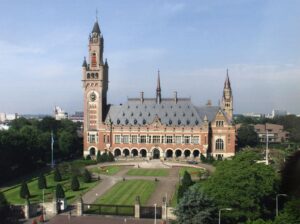
Norway’s government responded by clarifying that it has no authority over the Nobel Peace Prize, which is awarded independently by the Norwegian Nobel Committee. The European allies also reiterated that Greenland is part of the Kingdom of Denmark and not for sale. This exchange has raised eyebrows in diplomatic circles, illustrating a rare case where personal sentiments appear to influence high-stakes foreign policy rhetoric.
Global Markets React: Sell-Offs and Safe Havens
Financial markets reacted swiftly to Trump’s message and subsequent tariff threats. Global equities, including major U.S. indices, declined as investors digested the heightened risks of a trans-Atlantic trade dispute. Safe-haven assets like gold climbed as uncertainty spiked.
European stock markets, including the FTSE 100 and other major indexes, also slid amid fears that Trump’s approach could trigger broader economic retaliation. Traders interpreted the combination of geopolitical tension and potential tariffs as a signal to reduce exposure to risk assets, underscoring how political developments increasingly influence global capital flows.
The Geopolitical Stakes: NATO, Tariffs, and Territorial Claims
Trump didn’t stop at the Nobel snub in his message. He reiterated concerns about NATO allies’ presence in Greenland, framing U.S. interest in the Arctic territory as a matter of national security. This rationale echoed longstanding strategic debates over Russian and Chinese influence in the Arctic, but critics argue it masks personal political motives.
Adding to the strain, Trump warned of imposing tariffs — initially set at 10% and rising to 25% — on several European nations unless a deal on Greenland is reached, raising the specter of a full-blown trade confrontation with key allies. Such tariffs could impact everything from European exports to global supply chains.
Norway’s Leadership Responds and NATO Tensions
Norwegian Prime Minister Støre, while maintaining diplomatic composure, reiterated that Oslo does not oversee the Nobel committee’s decisions and reaffirmed support for Denmark’s sovereignty over Greenland. Nordic leaders have emphasized the need for responsible NATO engagement and cooperative Arctic security rather than unilateral pressure.
The situation highlights rifts within the NATO alliance, with some European capitals concerned that a unilateral U.S. approach could weaken collective defense cooperation and embolden adversarial powers in the region.
Public and Political Reactions: From Protest to Policy Debate
Across Greenland and Denmark, protests have erupted under slogans like “Greenland is not for sale,” reflecting widespread opposition to external pressure. Meanwhile, U.S. political figures from both parties are voicing criticism, signaling that Trump’s rhetoric may not find unanimous support at home either.
This domestic and international pushback underscores the broader stakes: the debate isn’t just about one island, but about global norms regarding sovereignty, diplomacy, and the rules governing international relations in the 21st century.
What Comes Next: Market Watch and Diplomatic Outlook
Investors and analysts alike will watch closely how this story develops at the World Economic Forum in Davos and in bilateral talks between Washington and European capitals. Market volatility is likely to persist as traders weigh the potential for tariff escalation and geopolitical escalation against the resilience of global economic fundamentals.
Diplomatically, efforts at de-escalation, reaffirming NATO commitments, and clarifying misunderstandings about Arctic security will be crucial to restoring confidence among allies and in global markets. Given the unprecedented nature of the public linkage between a personal prize snub and security policy, experts expect this episode to be studied as a case study in modern geopolitical communication.
Subscribe to trusted news sites like USnewsSphere.com for continuous updates.