Trump Threatens 10% Tariffs on Eight European Nations Over Resistance to U.S. Greenland Control
Trump’s Greenland Strategy Spurs Global Debate on Sovereignty and Strategy
From the very first moment, Trump’s proposal to assert American control over Greenland has reshaped international discourse on Arctic geopolitics, urging lawmakers, citizens, and leaders from Europe to North America to grapple with the far-reaching consequences of such ambitions. This issue touches on national security, international relations, cultural self-determination, trade, and alliance commitments.
At its core, what was once portrayed as an offhand idea has transformed into a major flashpoint in U.S. diplomatic engagement with European allies and Arctic stakeholders. Trump’s renewed call for control of the semi-autonomous Danish territory of Greenland — one of the largest islands in the world — has triggered trade threats, political pushback from NATO partners, protests in Greenland and Denmark, and strategic evaluations of Arctic security.
The U.S. Responds to Opposition with Tariffs and Pressure
President Donald Trump announced a new economic tactic to apply pressure on European NATO allies over their opposition to his Greenland initiative by imposing tariffs on imports from eight countries, including Denmark, Norway, Sweden, France, Germany, the U.K., the Netherlands, and Finland. Starting February 1, a 10% tariff will take effect and could rise to 25% by June — a move framed by Trump as leverage to shift diplomatic resistance in his favor.
In explaining the tariff plan on social media and at public events, Trump cited strategic concerns about perceived threats from Russia and China, portraying Greenland as critical to U.S. defensive posture in the Arctic. These tariffs, an unusual measure against fellow NATO members, underscore how deeply this issue has become intertwined with broader trade and strategic challenges. Critics argue the economic penalties risk fracturing key alliances without offering clear diplomatic pathways forward.
European leaders have been vocal in pushing back. Several officials and allied legislatures have denounced both the notion of forced geopolitical concessions and the use of economic coercion over matters of territorial sovereignty. NATO officials have reiterated commitments to collective defense while emphasizing respect for the sovereign decisions of member states.

This economic escalation illustrates how geopolitical disputes can rapidly transform into broader strategic contests involving not just diplomacy, but trade policy, alliance cohesion, and public opinion. It also highlights the inherent tension between national security goals and multilateral cooperation in modern global governance.
Danish and Greenland Leaders Reject U.S. Sovereignty Proposals
Danish and Greenlandic officials have maintained an unwavering stance: Greenland is not for sale, and any decisions about its future must come from its people and government, not external pressure. At diplomatic meetings in Washington and Copenhagen, representatives of Denmark and Greenland expressed a “fundamental disagreement” with Trump’s assertions — prioritizing self-determination over strategic bargaining.
Greenland’s Prime Minister, Jens-Frederik Nielsen, emphasized unity with Denmark and NATO, stating unequivocally that Greenland must remain a sovereign decision of its citizens. While Greenland has long expressed aspirations for independence from Denmark, ultimately, leaders reject the idea of becoming part of the United States under any circumstances.

The strength of this opposition is visible in the political sphere as well as in public sentiment. Greenland’s political parties and lawmakers have aligned in resistance, framing Trump’s ambitions as a form of external interference rather than strategic cooperation. Their rhetoric reflects decades of balancing autonomy with Danish governance while carefully negotiating international relationships.
This dynamic underscores how sovereignty and cultural identity remain central to geopolitical outcomes, even in an era of global security competition.
Public Protests and Grassroots Opposition Emerge Across Europe and Greenland
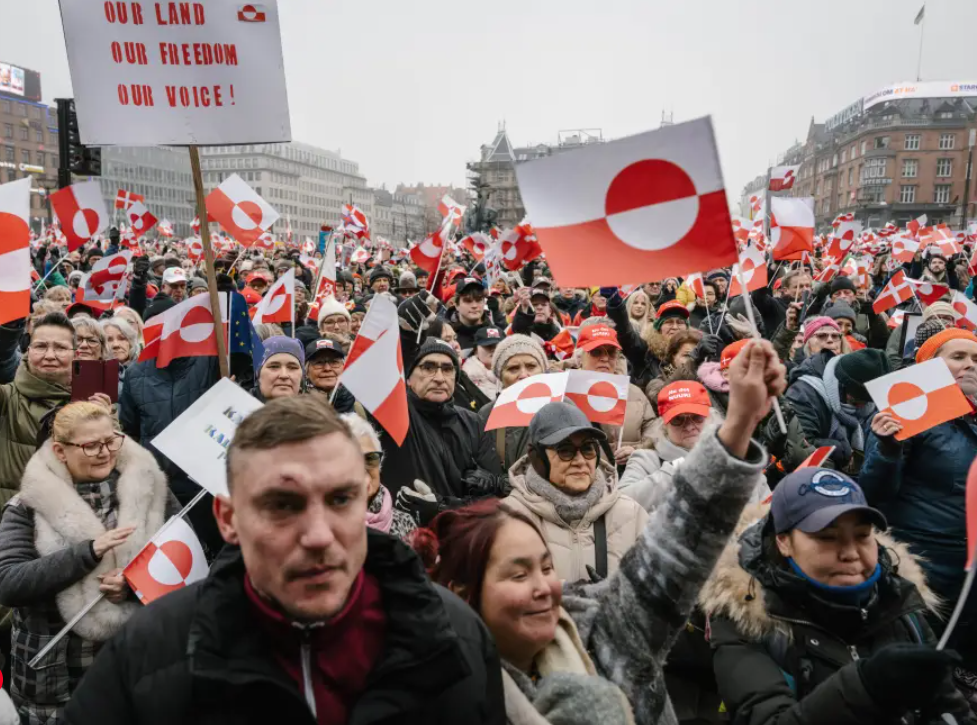
In response to Trump’s comments and the escalating diplomatic tension, thousands have taken to the streets in both Denmark and Greenland in powerful protests under banners like “Greenland is not for sale.” In Copenhagen alone, some 20,000 demonstrators rallied near the U.S. Embassy, showing broad public resistance to any idea of buying or annexing Greenland.

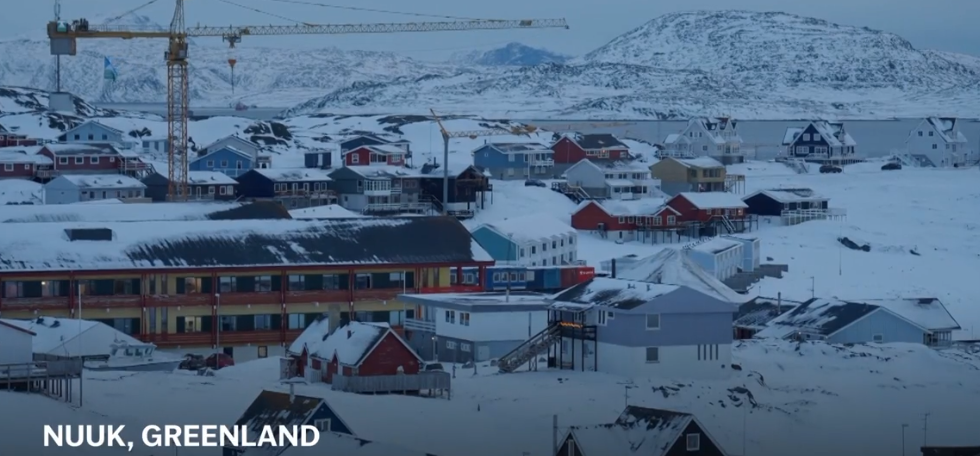
Parallel demonstrations in Greenland’s capital of Nuuk saw local leaders and citizens denounce external interference and affirm their attachment to Danish constitutional ties. Protest leaders stressed both national pride and a desire for genuine autonomy, advocating for Greenlandic agency in charting its future.
These protests have not been limited to symbolic marches; they reflect deeper historical and social context — including long-standing grievances around colonial governance, economic disparities, and cultural marginalization experienced under external rule. While modern relations have evolved, these historical threads influence contemporary views on sovereignty and self-governance far beyond diplomatic negotiation rooms.
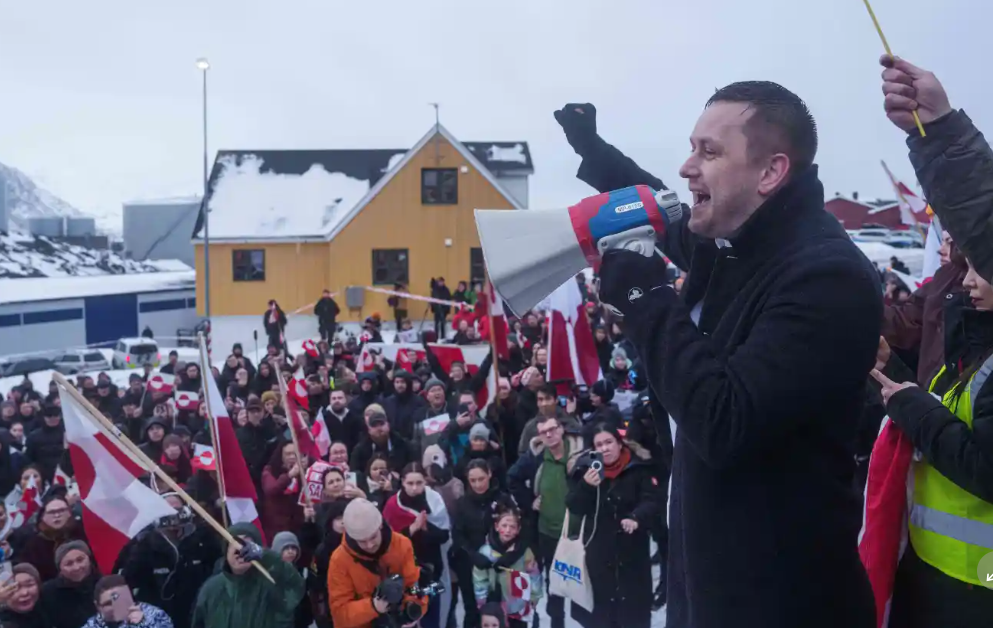
The broad grassroots resistance shows that the Greenland issue resonates with ordinary citizens — not simply elites or policymakers — and national pride and identity will be critical determinants in future developments.
Strategic Importance of Greenland in Global Security Dynamics
Greenland’s location — jutting into the Arctic and bordering strategic sea routes — has long made it a focal point of military and geopolitical interest. Its position enhances capabilities to monitor Arctic airspace and ocean passages, particularly as melting ice due to climate change opens new naval and commercial corridors. Washington’s push for control rests heavily on these security considerations, including missile defense radar, submarine tracking, and proximity to potential Russian or Chinese activity.
Yet, Denmark and NATO partners argue that collective defense arrangements — rather than unilateral control by any one nation — should guide Arctic security. European troop deployments and joint exercises under NATO frameworks demonstrate a collaborative approach to maintaining stability in the region while respecting sovereign governance.
The Trump era’s heightened focus on the Arctic has reignited long-dormant debates about sovereignty, military presence, and economic opportunity in the polar north. Greenland’s natural resources — including rare earth minerals and energy prospects — add another layer of complexity, intertwining economic potential with strategic calculus.
As climate change accelerates geopolitical competition in the Arctic, Greenland’s position as a nexus of security, environment, and economics means this issue will remain central in global affairs well beyond current headlines.
U.S. Political Dynamics and International Diplomacy
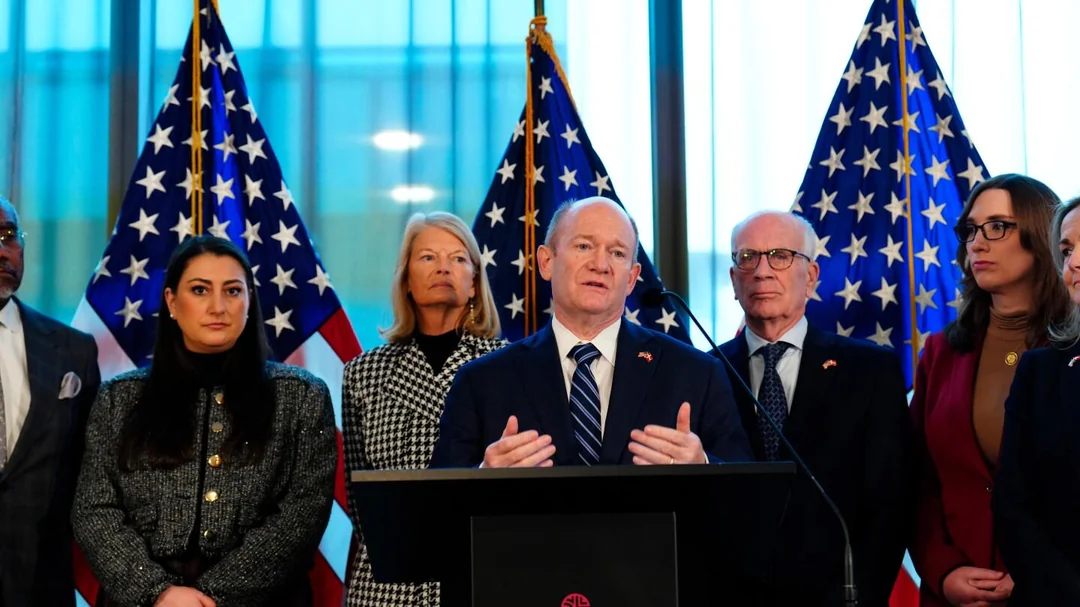
Amid international backlash, U.S. lawmakers from both parties have engaged in diplomatic counterweights to Trump’s tough rhetoric. A bipartisan delegation to Copenhagen aimed to reassure Danish and Greenlandic leaders that American interest in the region does not represent a unilateral bid for sovereignty and that most Americans do not support annexing Greenland.
These efforts signal internal divisions within U.S. politics over the right approach to Arctic engagement — reflecting broader debates on diplomacy, international cooperation, and the limits of presidential influence in foreign policy. By contrast, Trump’s own appointees and social media statements have continued to push the narrative that direct control of Greenland is essential to national security, escalating tensions rather than bridging gaps.
The resulting diplomatic balancing act illustrates a core challenge of modern foreign policy: reconciling assertive national interests with alliance commitments and shared strategic goals. How the United States manages its internal debates on this front will shape its standing among European allies and global partners for years to come.
A Defining Moment for Arctic Sovereignty and Global Strategy
The Greenland controversy encapsulates competing imperatives in international relations: strategic security concerns, respect for national sovereignty, alliance unity, economic leverage, and citizen identity. What began as a controversial proposal has rapidly evolved into a defining geopolitical struggle that draws in governments and publics across continents.
Trump’s tariff moves, Danish and Greenlandic resistance, NATO cooperation, and public protests reflect an issue far more complex than a simple territorial dispute. It has become a testing ground for how nations manage security imperatives in an age of multipolar tensions and shared environmental challenges in the Arctic.
Subscribe to trusted news sites like USnewsSphere.com for continuous updates.