Millions of Americans Could Still Claim IRS Refunds — What It Means for Consumer Spending in 2026 is emerging as one of the most important financial developments shaping household budgets and the broader US economy this year. As unclaimed tax refunds from prior filings and pandemic-era credits remain available, a surprising wave of delayed payments could inject billions of dollars back into the economy—at a time when consumer spending is already under pressure from inflation and higher interest rates.

This situation goes beyond individual tax returns. It has the potential to influence retail demand, savings trends, and even Federal Reserve policy decisions. For investors, businesses, and everyday Americans, understanding how these refunds could reshape spending patterns is critical in 2026.
Why Millions of Americans Still Have Unclaimed IRS Refunds
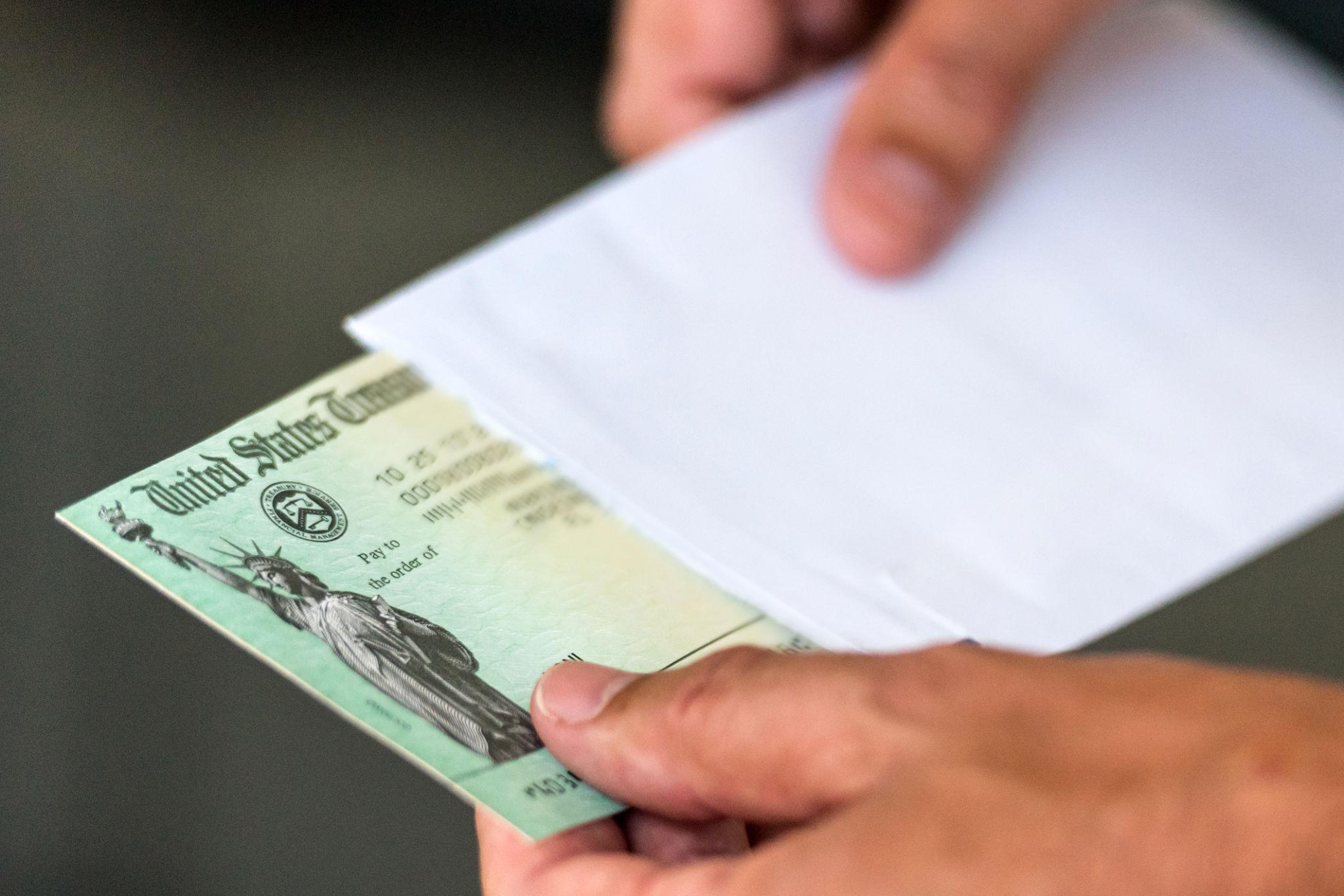
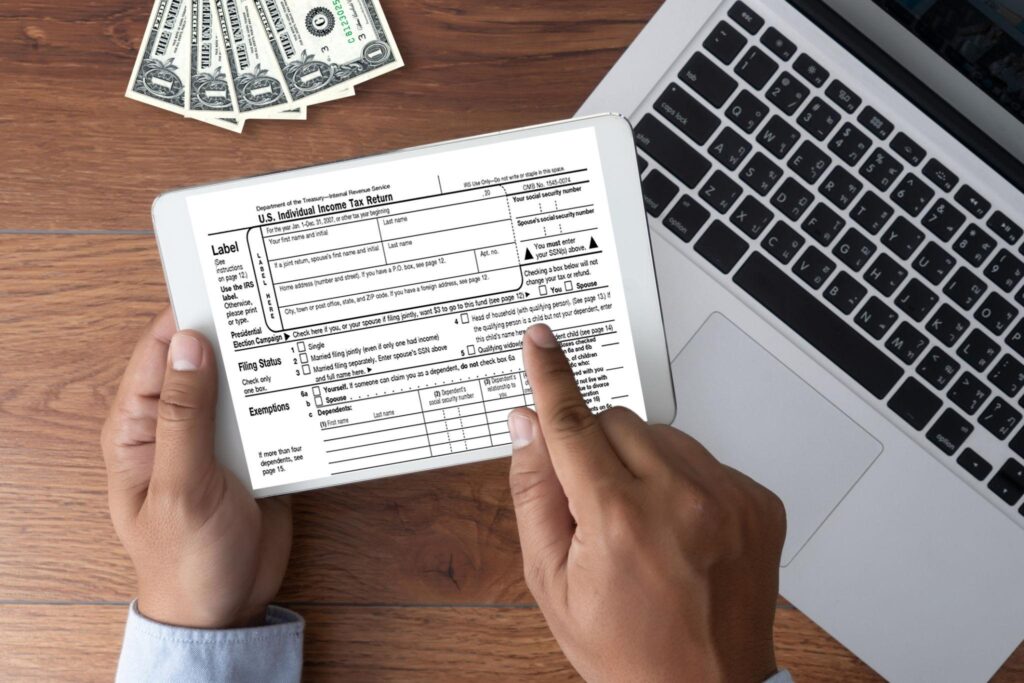
A significant number of Americans have yet to claim tax refunds from previous filing periods, particularly those tied to pandemic-related relief programs and tax credits. In many cases, individuals either missed filing deadlines, were unaware of eligibility, or delayed submissions due to financial or administrative challenges.
The Internal Revenue Service has continued to process late filings and encourage eligible taxpayers to claim their refunds before expiration deadlines. These refunds can include earned income credits, stimulus-related adjustments, and standard overpayments.
What makes this moment unique is the scale. With millions of individuals potentially eligible, the cumulative value of these refunds could represent a meaningful financial boost for households across different income levels.

How Refunds Could Boost Consumer Spending in 2026
When households receive unexpected or delayed income—such as tax refunds—it often leads to increased spending, especially in the short term. This is known as a “windfall effect,” where consumers are more likely to spend money that was not part of their regular income expectations.
In 2026, this effect could be particularly significant. Many households are still adjusting to higher living costs, including housing, food, and energy. Receiving a refund could provide temporary relief, enabling increased spending on retail, travel, and discretionary items.
However, not all refunds will translate directly into spending. Some households may choose to use the funds to pay down debt or increase savings, especially in an environment where interest rates remain elevated. This balance between spending and saving will play a key role in determining the overall economic impact.
The Link Between Consumer Spending and Economic Growth
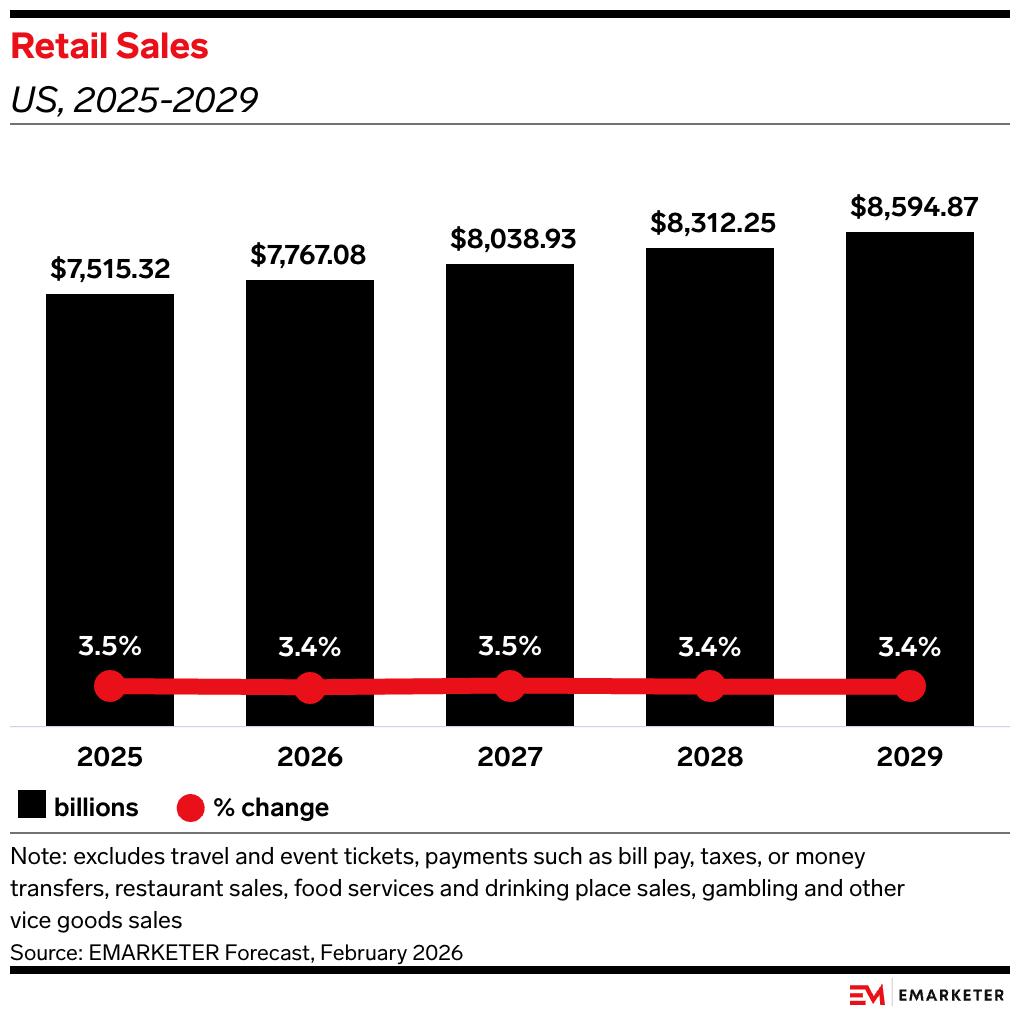
Consumer spending is a major driver of the US economy, accounting for a large portion of overall economic activity. When spending increases, businesses experience higher demand, which can lead to increased production, hiring, and investment.
The potential influx of refund money in 2026 could provide a short-term boost to economic growth. Retailers, in particular, may benefit from increased consumer activity, especially in sectors such as electronics, apparel, and services.
At the same time, economists are watching whether this spending surge will be sustained or temporary. If the boost is short-lived, it may not significantly alter long-term economic trends. However, if it coincides with improving economic conditions, it could contribute to a broader recovery in consumer confidence.

Inflation and Interest Rates: A Delicate Balance
The impact of increased consumer spending on inflation is another important consideration. Higher demand can lead to upward pressure on prices, particularly if supply constraints persist in certain sectors.
The Federal Reserve closely monitors consumer spending patterns when making decisions about interest rates. If refund-driven spending contributes to inflation, policymakers may be cautious about adjusting rates too quickly.
On the other hand, if households primarily use refunds to pay down debt or save, the inflationary impact may be limited. This uncertainty adds complexity to the economic outlook, as policymakers attempt to balance growth and price stability.
Hidden Economic Signals Behind Refund Trends
Beyond immediate spending effects, the trend of unclaimed refunds reveals deeper insights into the financial health of American households. For some, delayed refunds may indicate challenges in navigating the tax system or managing financial obligations.
For others, it may reflect broader economic conditions, such as income volatility or changes in employment. These underlying factors can influence long-term spending behavior and financial stability.
Additionally, the distribution of refunds across income groups can shape their economic impact. Lower-income households are more likely to spend a larger portion of refunds, while higher-income households may allocate funds differently. This distribution plays a crucial role in determining how the overall economy responds.
What Businesses and Investors Are Watching
Businesses across multiple sectors are closely monitoring refund trends as they plan for the year ahead. Retailers, travel companies, and service providers are particularly sensitive to changes in consumer spending.
Investors are also paying attention to how this development interacts with other economic factors, including wage growth, inflation, and interest rates. The combination of these elements will influence market performance and investment strategies.
In financial markets, increased consumer activity can support corporate earnings, particularly for companies that rely on discretionary spending. However, any resulting inflationary pressure could also impact valuations, especially in interest rate-sensitive sectors.
What this means for you
For individuals, unclaimed tax refunds represent an opportunity to improve financial stability. Whether used for spending, saving, or debt reduction, these funds can provide meaningful support in a challenging economic environment.
Understanding your eligibility and filing requirements is essential to ensure you do not miss out on available refunds. Taking proactive steps can help you maximize the benefits of these opportunities.
Investor takeaway
The potential release of billions of dollars in unclaimed refunds is a significant economic event. Investors should consider how this influx of funds may influence consumer behavior, corporate earnings, and market trends.
By analyzing spending patterns and economic indicators, investors can identify opportunities while managing potential risks associated with inflation and policy changes.
Future outlook
Looking ahead, the impact of IRS refunds on the economy will depend on how households choose to use these funds. If spending increases significantly, it could provide a short-term boost to growth. However, long-term effects will depend on broader economic conditions.
As policymakers and markets respond to these developments, the role of consumer behavior will remain a key factor in shaping the economic landscape in 2026.
Conclusion: A Quiet but Powerful Economic Catalyst
The issue of unclaimed IRS refunds may not dominate headlines every day, but its implications are far-reaching. By injecting additional funds into the economy, it has the potential to influence spending, growth, and financial stability.
For investors, staying informed about these developments is essential for making smarter financial decisions. Understanding how small shifts in income and behavior can impact the broader economy provides a valuable perspective in an increasingly complex financial environment.
Subscribe to trusted news sites like USnewsSphere.com for continuous updates.