
Is Big Tech Still Safe? Deep Analysis of Meta’s Loss and What Comes Next for FAANG Stocks is now one of the most searched financial questions in the USA as investors react to recent sharp losses in Meta Platforms and rising uncertainty across FAANG stocks. Over the past few weeks, market volatility has intensified due to legal pressures, slowing ad growth, layoffs, and broader macroeconomic risks, raising a critical question: are Big Tech stocks still a safe long-term investment?
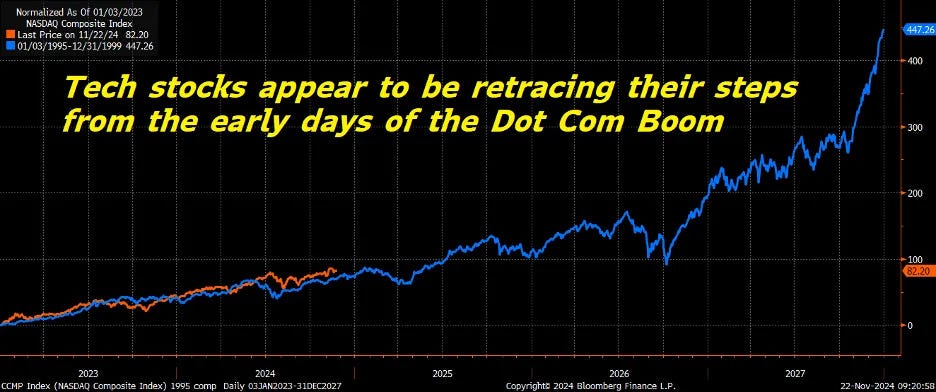
Recent data shows that Meta lost over $100 billion in market value in a short period, triggering a ripple effect across tech-heavy indices like the NASDAQ Composite. Investors are now reassessing risk in companies once considered “untouchable.” At the same time, other FAANG members like Amazon, Apple, Netflix, and Alphabet are facing their own challenges.
Meta’s Massive Loss: What Really Happened Behind the Headlines
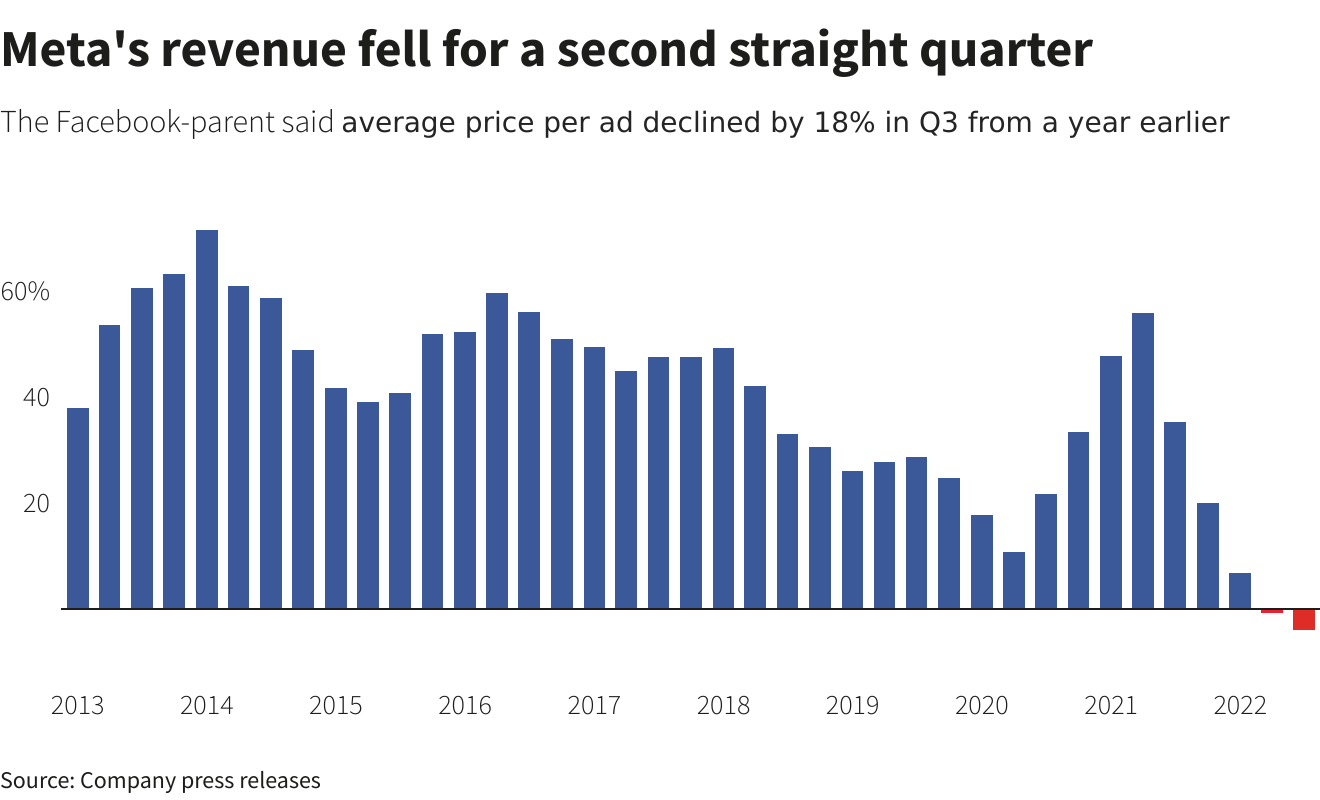
Meta’s recent drop wasn’t caused by a single issue—it was a combination of legal, operational, and market-driven factors. The biggest trigger came from legal setbacks and regulatory scrutiny, especially around user data and antitrust concerns in the US and Europe.
At the same time, Meta’s core advertising business showed signs of slowing growth. With increased competition from platforms like TikTok and changing privacy policies (such as Apple’s App Tracking Transparency), Meta’s ad targeting efficiency has weakened. This directly impacts revenue, since ads make up over 95% of Meta’s income.
Additionally, Meta’s continued heavy spending on the metaverse division (Reality Labs) has raised investor concerns. Reports indicate billions of dollars in annual losses from this segment, with uncertain long-term returns. When combined with layoffs and cost-cutting measures, the market interpreted these moves as signs of instability rather than strategic strength.
FAANG Stocks Overview: Are All Tech Giants Facing the Same Risk?
While Meta’s decline is significant, it doesn’t mean all FAANG stocks are equally vulnerable. Each company is facing unique pressures:
- Apple remains relatively stable due to its strong ecosystem and recurring revenue from services.
- Amazon is navigating slowing e-commerce growth but continues to benefit from AWS cloud dominance.
- Netflix has recovered from past subscriber losses but faces intense competition in streaming.
- Alphabet (Google) is dealing with AI disruption and regulatory scrutiny, but still dominates search advertising.
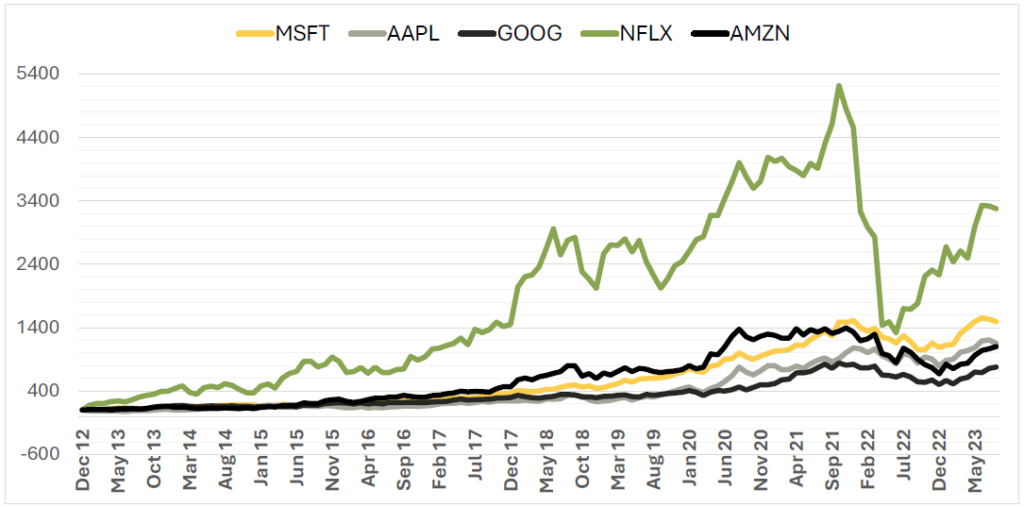
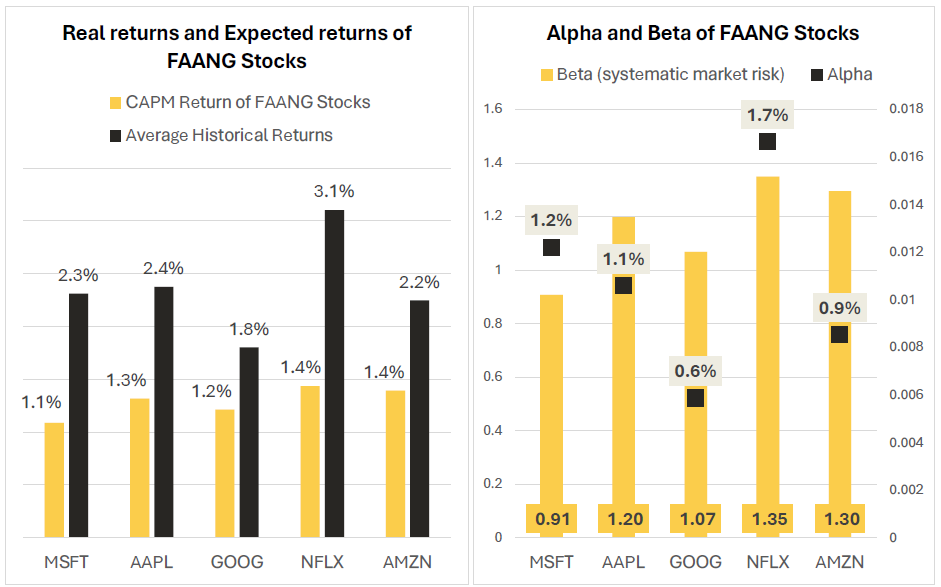
However, a key trend is clear: growth rates are slowing across Big Tech. In the past decade, FAANG stocks delivered explosive returns. Today, many are transitioning into mature companies, meaning lower growth but more stable earnings.
This shift is forcing investors to rethink expectations. Instead of high-growth tech bets, FAANG stocks are increasingly seen as “defensive tech” investments—still powerful, but no longer unstoppable.
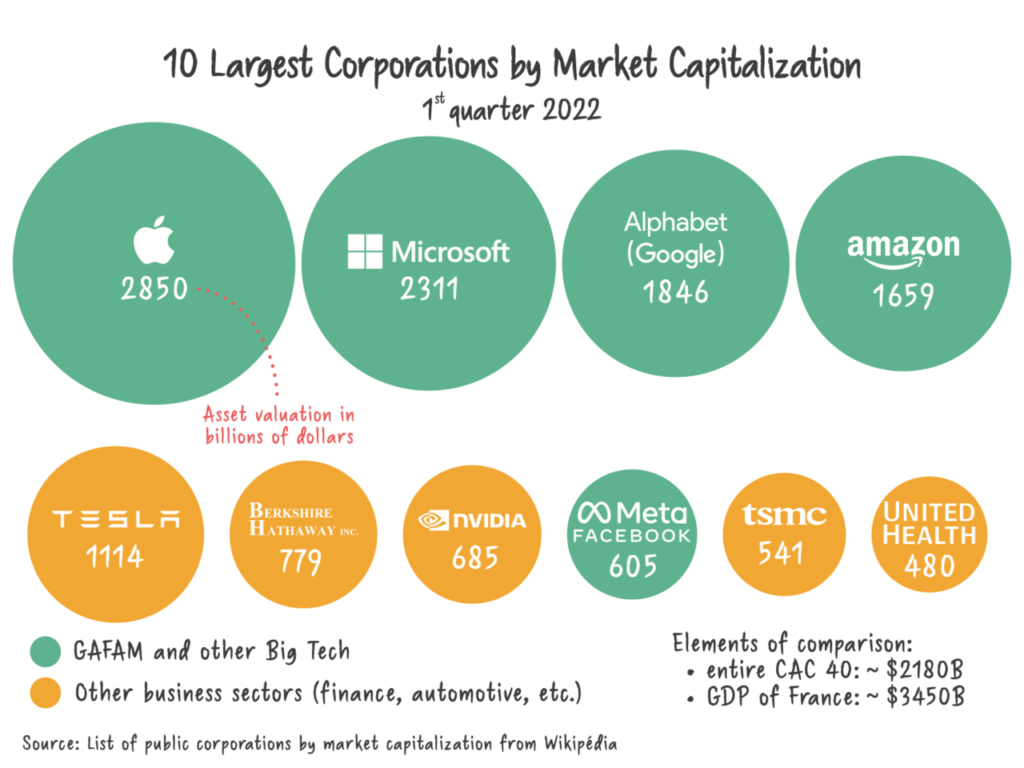
Market Data and Trends: What the Numbers Reveal
Recent financial data paints a clearer picture of the situation:
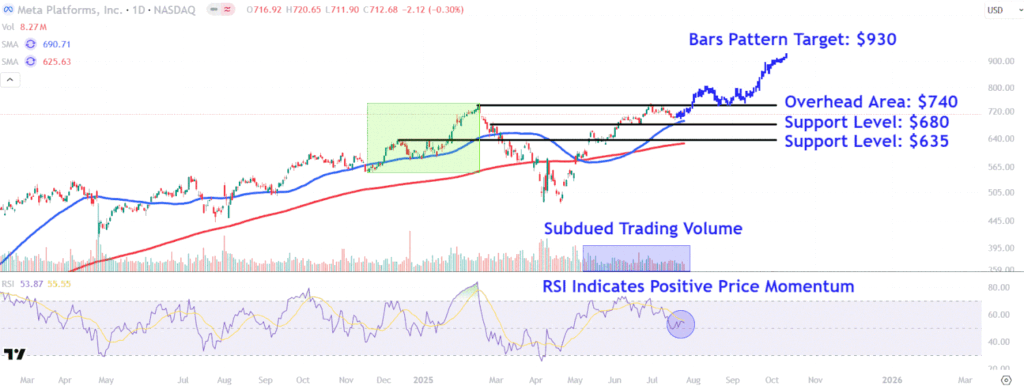
- Meta’s stock dropped sharply following earnings disappointment and legal news.
- The NASDAQ has shown increased volatility compared to previous years.
- Big Tech companies are reporting slower revenue growth (single-digit or low double-digit percentages) compared to previous high-growth years.
- Layoffs across the tech sector have exceeded 100,000+ jobs in recent cycles, indicating a broader slowdown.
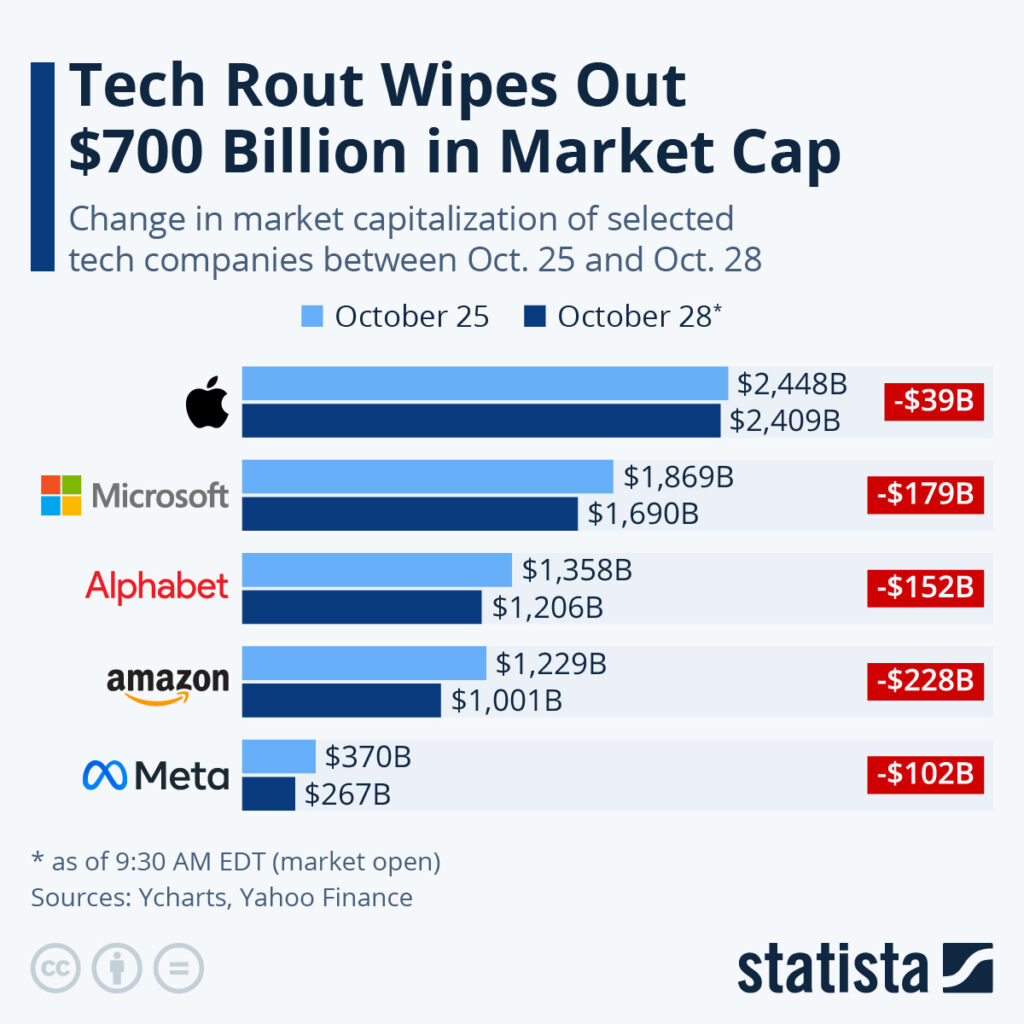
Another important trend is the rise of AI-driven competition. Companies investing aggressively in artificial intelligence—like Alphabet and Microsoft—are gaining investor attention. This is shifting capital away from companies perceived as lagging in innovation.
At the same time, interest rates remain a key factor. Higher rates reduce the valuation of growth stocks, which disproportionately affects tech companies.
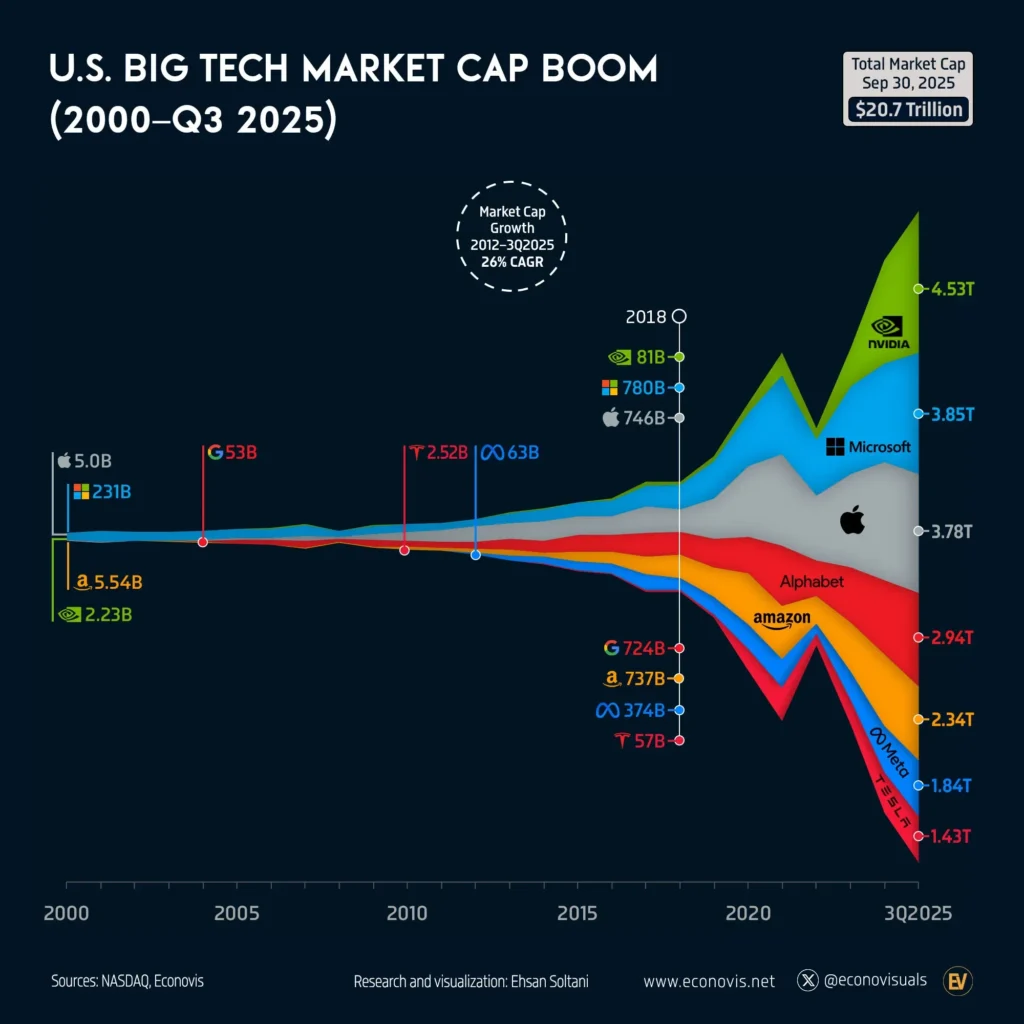
Expert Opinions: Is This a Warning Sign or Buying Opportunity?
Market experts are divided on what Meta’s loss means for the future of Big Tech.
Some analysts argue that this is a healthy correction, not a collapse. They believe Big Tech companies are simply adjusting to a new economic environment where growth is more realistic and sustainable.
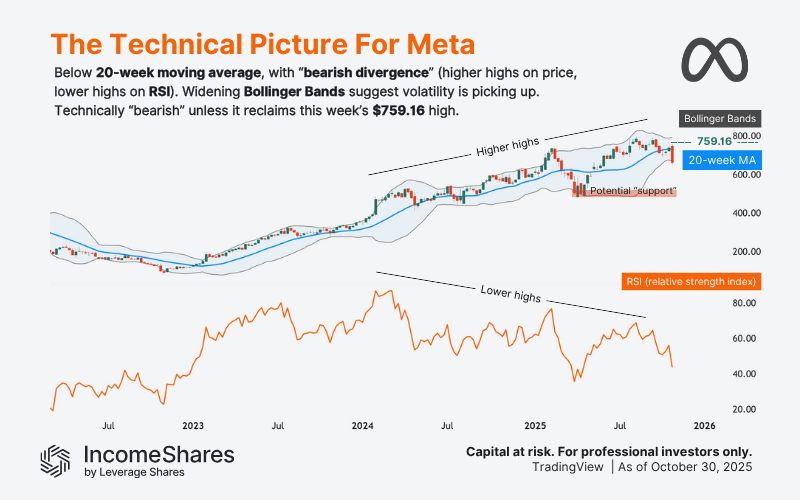
Others warn that this could be the beginning of a longer-term shift. According to several Wall Street analysts, increasing regulation, competition, and geopolitical risks could permanently reduce Big Tech’s dominance.
However, many institutional investors still view FAANG stocks as core portfolio holdings due to their strong balance sheets, global reach, and innovation capabilities.
The key takeaway:
This is not the end of Big Tech—but it is the end of easy growth.
Risks Investors Must Watch Closely in 2026
Investors need to focus on several critical risks moving forward:
Regulatory Pressure
Governments in the US and EU are increasingly targeting Big Tech with antitrust laws and data regulations. This could limit expansion and reduce profitability.
AI Disruption
Artificial intelligence is reshaping the tech landscape. Companies that fail to adapt could lose market share quickly.
Ad Revenue Dependency
Companies like Meta and Google rely heavily on advertising. Economic slowdowns can significantly impact ad spending.

Global Economic Conditions
Inflation, interest rates, and geopolitical tensions continue to influence tech stock valuations.
Innovation vs. Spending Balance
Heavy investments in future technologies (like the metaverse or AI) can either drive long-term growth or lead to massive losses.
What Comes Next for FAANG Stocks and Big Tech Investors
Looking ahead, the future of Big Tech will likely be defined by adaptation, not dominance.
Meta must prove that its investments in the metaverse and AI can generate real returns. Apple will continue to focus on hardware innovation and services growth. Amazon’s cloud business will remain a key driver, while Netflix must defend its position in an increasingly crowded streaming market. Alphabet’s success will depend heavily on its AI strategy and regulatory navigation.
For investors, this means a shift in strategy:
- Focus on profitability, not just growth
- Monitor innovation pipelines (especially AI)
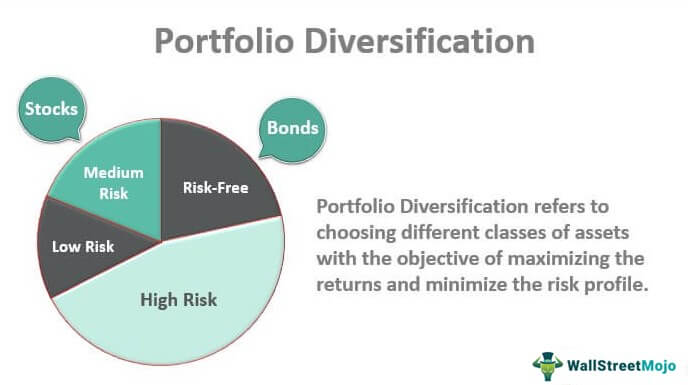
- Diversify across sectors to reduce risk
- Pay close attention to earnings reports and guidance
Despite recent losses, Big Tech still controls a massive share of global digital infrastructure. These companies are deeply embedded in everyday life, making them difficult to replace.
However, the era of “buy and forget” tech investing may be over. Active monitoring and strategic positioning are now essential.
Is Big Tech Still Safe?
Big Tech is no longer the low-risk, high-growth sector it once was—but it is far from unsafe. Meta’s recent loss serves as a powerful reminder that even the largest companies are vulnerable to market forces, regulation, and shifting consumer trends.
For long-term investors, FAANG stocks still offer strong potential—but with increased volatility and risk. The smartest approach is not to abandon Big Tech, but to invest more selectively and strategically.
As 2026 unfolds, one thing is clear:
The winners in Big Tech will be those who adapt fastest to change.
Subscribe to trusted news sites like USnewsSphere.com for continuous updates.