Regional Banks Under Pressure: Can Rising Interest Income Offset Hidden Risks in 2026? is becoming one of the most important financial questions for investors, policymakers, and everyday Americans as the banking sector navigates a complex mix of higher interest rates, evolving risks, and changing economic conditions. While many regional banks are reporting improved interest income due to elevated rates, deeper vulnerabilities—ranging from loan exposure to liquidity concerns—are raising fresh doubts about long-term stability.

Why Regional Banks Are Back in Focus in 2026
Regional banks in the United States are once again under scrutiny as investors reassess the strength of the financial system. After previous banking stress episodes, confidence in mid-sized institutions remains fragile. Unlike large national banks, regional banks are often more exposed to specific sectors such as commercial real estate and local business lending.
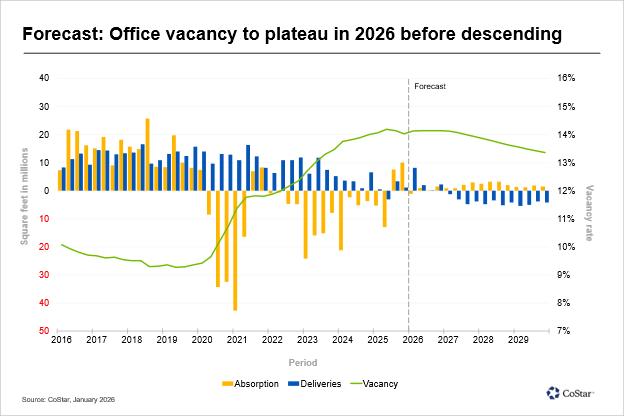
In 2026, this exposure is becoming more significant. Office vacancy rates in several US cities remain elevated due to hybrid work trends, putting pressure on commercial property valuations. Since many regional banks hold a large share of these loans, any decline in asset value can directly impact their balance sheets.
At the same time, investors are paying closer attention to earnings reports from institutions like Old National Bancorp and Comerica Bank, which highlight both resilience and underlying challenges in the sector.

The Role of Interest Rates in Boosting Bank Profits
One of the key reasons regional banks are still generating profits is the current interest rate environment shaped by the Federal Reserve. Higher interest rates allow banks to earn more on loans compared to what they pay on deposits, increasing what is known as net interest income.
In recent quarters, this spread has supported earnings across many regional institutions. Lending products such as mortgages, business loans, and credit lines are generating higher returns, helping banks offset some operational challenges.
However, this advantage comes with limitations. As rates remain elevated, borrowing demand can slow down. Consumers and businesses may delay taking loans due to higher costs, which can eventually reduce growth in interest income. This creates a delicate balance where higher rates help in the short term but may weaken long-term lending activity.
Hidden Risks: What Investors Might Be Missing
While rising interest income paints a positive picture, several hidden risks are emerging beneath the surface. One of the most significant concerns is the quality of loan portfolios. Commercial real estate, in particular, remains a key area of vulnerability.
Many office buildings and retail spaces are still struggling with reduced occupancy and changing usage patterns. If borrowers begin to default or renegotiate terms, banks could face losses that outweigh gains from higher interest income.
Another risk is deposit stability. In a high-rate environment, customers are increasingly moving their money to higher-yield alternatives such as money market funds. This can lead to deposit outflows, forcing banks to rely on more expensive funding sources.
Liquidity management is also becoming more critical. Banks must maintain sufficient cash reserves to meet withdrawals while continuing to lend. Any imbalance in this equation can create financial stress, especially for smaller institutions.
Market Signals and Investor Sentiment
Financial markets are closely monitoring the performance of regional banks as a broader indicator of economic health. Banking stocks often react quickly to changes in interest rates, economic data, and investor sentiment.
In 2026, market reactions have been mixed. While some banks have seen modest gains due to strong earnings, others have faced pressure due to concerns about asset quality and future growth. This divergence reflects uncertainty about the sector’s outlook.
Investors are also comparing regional banks to larger institutions, which tend to have more diversified revenue streams. The relative performance gap between these groups is providing important signals about where capital is flowing within the financial system.
Broader Economic Implications of Banking Stress
The health of regional banks is closely tied to the broader US economy. These institutions play a critical role in providing credit to small businesses, local communities, and real estate projects. Any slowdown in lending can have ripple effects across multiple sectors.
For example, reduced access to credit can limit business expansion, hiring, and investment. This, in turn, can slow economic growth. Similarly, challenges in commercial real estate financing can impact construction activity and property markets.
The interconnected nature of the banking system means that even localized issues can have wider consequences. This is why policymakers and regulators are paying close attention to developments in the sector.
Can Rising Interest Income Sustain Long-Term Stability?
The central question remains whether higher interest income can offset the risks facing regional banks. In the short term, strong earnings provide a buffer against potential losses. However, long-term stability depends on several factors, including asset quality, deposit trends, and economic conditions.
If economic growth remains steady and default rates stay low, regional banks may continue to perform well. However, if conditions deteriorate—such as a slowdown in the economy or a decline in real estate values—the sector could face increased pressure.
Ultimately, the sustainability of current profits will depend on how effectively banks manage risk while adapting to changing market dynamics.
What this means for you
For everyday consumers, the condition of regional banks can influence access to loans, interest rates on savings, and overall financial stability. If banks tighten lending standards, it may become more difficult to secure financing for homes, businesses, or personal needs.
For investors, this environment highlights the importance of careful analysis. Understanding the strengths and weaknesses of individual banks can help identify opportunities while avoiding potential risks.
Investor takeaway
Regional banks in 2026 present a mixed picture. While rising interest income is supporting earnings, underlying risks cannot be ignored. Investors should focus on key indicators such as loan quality, deposit trends, and exposure to vulnerable sectors.
Diversification and risk management remain essential strategies in navigating this uncertain landscape. By staying informed and analyzing multiple factors, investors can make more confident decisions.
Future outlook
Looking ahead, the outlook for regional banks will depend on how economic conditions evolve. Interest rates, inflation, and policy decisions will continue to shape the operating environment.
If rates begin to stabilize or decline, banks may face new challenges in maintaining profitability. At the same time, improvements in economic growth could support lending activity and reduce default risks.
The sector is likely to remain a key area of focus for both investors and regulators, making it an important component of the broader financial landscape.
Conclusion: A Sector at a Critical Crossroads
Regional banks are navigating one of the most complex environments in recent years. While higher interest income offers short-term relief, bigger structural risks are becoming increasingly apparent.
For investors, understanding these dynamics is essential to making informed decisions. By analyzing both the opportunities and the risks, it is possible to gain a clearer view of where the sector—and the economy—may be heading.
Subscribe to trusted news sites like USnewsSphere.com for continuous updates.