Howard Lutnick Epstein Island visit to Epstein’s private island shook Washington as U.S. Commerce Secretary Lutnick admitted visiting convicted sex offender Jeffrey Epstein’s private island years after telling the public he severed ties, prompting bipartisan scrutiny, ethical questions, and growing calls for his resignation.
This breaking political story unfolds amid one of the largest document releases in modern U.S. judicial history — the Epstein Files, a trove of millions of pages made public under the Epstein Files Transparency Act obligating full release of unclassified material from the Justice Department.

The Latest on Howard Lutnick’s Testimony and Conflicting Statements
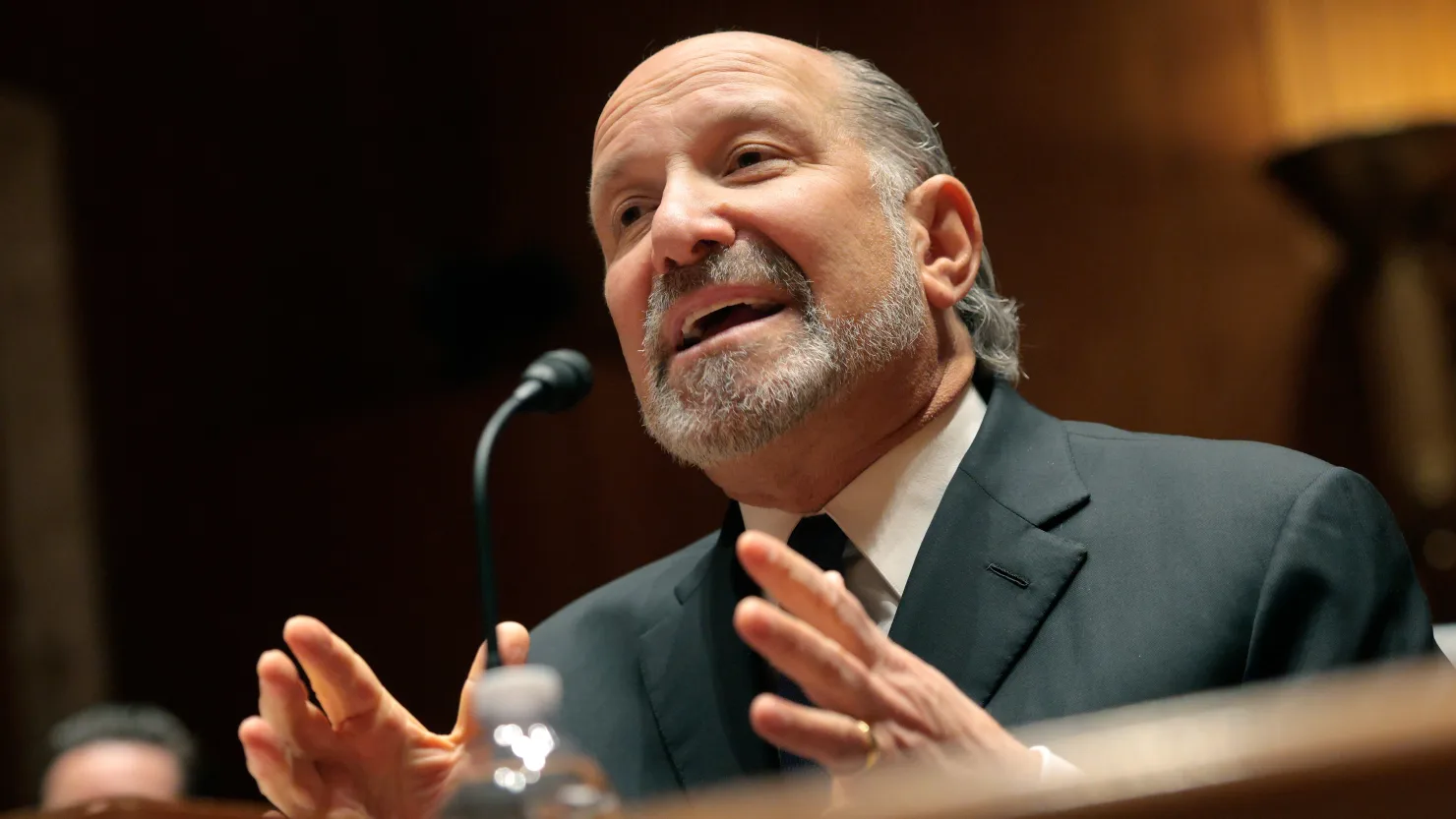
During testimony before a Senate Appropriations subcommittee, Commerce Secretary Howard Lutnick reiterated that he had “nothing to hide” about his contact with Epstein but disclosed details that contradict earlier public comments. Lutnick admitted that in December 2012 — four years after Epstein’s 2008 conviction for soliciting a minor — he, his wife, their four children, and nannies had lunch on Epstein’s private Caribbean island, Little St. James.
Lutnick told lawmakers the island visit occurred while his family was on a vacation nearby and only lasted about an hour, and that he saw no inappropriate conduct during the brief stay. However, newly released emails from the Epstein files show that Lutnick and Epstein exchanged more communication than he previously acknowledged.
What’s now under intense scrutiny:
- Lutnick previously claimed he cut ties with Epstein in 2005 and had minimal contact afterward.
- Emails from 2011–2013 and possibly later years show social engagements and business correspondence — challenging his earlier narrative.
- Documents even included Epstein’s assistant forwarding an invitation from Lutnick.
This apparent contradiction between past statements and the documents is at the core of the current uproar.
Why This Matters Now: Political Fallout and Public Trust
These revelations come at a moment when U.S. political institutions are under heightened scrutiny and trust in government is fragile. A sitting Cabinet official admitting to an association with a convicted sex offender — and one with ties to powerful elites worldwide — raises serious ethical and political questions.
Bipartisan Pressure and Calls to Resign:
- Democratic senators, including Chris Van Hollen and Adam Schiff, have pushed Lutnick to explain answers more fully and consider stepping down.
- Remarkably, some Republican lawmakers — traditionally Lutnick’s political allies — have also called for his resignation, suggesting the controversy has crossed partisan lines.
Even members of his own party, such as Rep. Thomas Massie, publicly stated that stepping down would make life easier for President Donald Trump.

Despite this, the White House and President Trump have publicly stood by Lutnick, with Press Secretary Karoline Leavitt calling him “a very important member of the team” and dismissing the controversy as overblown.
Epstein Files and Broader Elite Connections
The Lutnick revelations are part of a larger series of disclosures from the Epstein files, which include thousands of documents showing contacts between Epstein and elite figures in politics, business, diplomacy, and entertainment.
The file releases under the Epstein Files Transparency Act have exposed interactions between Epstein and other prominent figures — highlighting how interconnected Epstein’s network was across decades.
These connections have already had real consequences, including resignations and legal consequences for other individuals mentioned in the files.
Legal and Ethical Implications for a Cabinet Official
Although there are no allegations of criminal conduct by Lutnick related to Epstein’s criminal offenses, the ethical implications are stark. The controversy centers on transparency, judgment, and conflict of interest.
In a democracy, public officials are expected to answer honestly about their past associations — particularly with someone like Epstein, whose crimes are widely considered among the most egregious involving minors. The question now facing Capitol Hill, the White House, and the American public is whether Lutnick’s continued leadership of the Commerce Department remains tenable amidst these contradictions.
Lawmakers have already grilled him extensively, and calls for further investigation, possibly by ethics committees or oversight bodies, are likely.
Public Reaction and Media Response
Media coverage has been relentless, with national outlets and international newsrooms reporting on the controversy from multiple angles. … This story has generated widespread debate over elite accountability, access, privilege, and the scope of transparency in government.
Public response on social media and in comment sections suggests growing skepticism about government transparency, especially when it comes to powerful officials and their past associations.
What Happens Next
As the Epstein Files continue to be dissected by journalists, lawmakers, and legal analysts:
- Lutnick may face continued pressure to resign or to produce more documentation.
- Additional documents could emerge that cast new light on the depth of his interaction with Epstein.
- The administration’s response and strategic communication will shape public perception.
- Ethics reviews or hearings are possible outcomes if lawmakers choose to escalate the matter.
Subscribe to trusted news sites like USnewsSphere.com for continuous updates.