Elon Musk now insists the Epstein files “don’t matter,” even after newly released emails reveal previously undisclosed interactions between him and convicted sex offender Jeffrey Epstein. These developments not only put the billionaire tech CEO back into an escalating national controversy, but they also raise fresh questions about transparency, powerful influence, and how public figures respond when private correspondence becomes public.
The controversy stems from millions of pages of documents the U.S. Department of Justice (DOJ) released under the Epstein Files Transparency Act, which requires the agency to make public government records related to Epstein’s sex trafficking investigation.
New Documents Show Musk-Epstein Correspondence
The latest tranche of DOJ-released material includes a series of emails exchanged between Elon Musk and Jeffrey Epstein in 2012–2013. These messages suggest that Musk not only communicated cordially with Epstein, but also discussed potentially visiting Epstein’s private Caribbean island, Little St. James, during the holidays — an island infamous due to its central role in Epstein’s sex trafficking crimes.
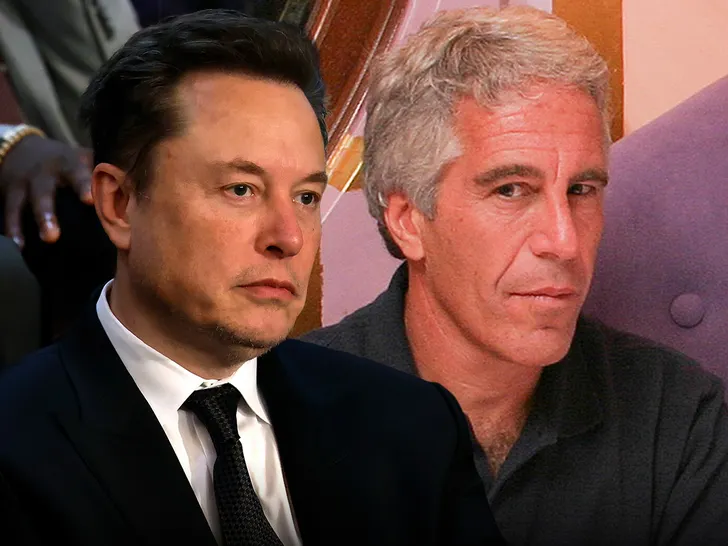
In one exchange, Musk wrote to Epstein asking about the best time to visit over the holidays and mentioned potential plans involving his then-partner. The emails do not show proof that Musk ever actually went to the island, and Musk’s team has reiterated that he did not.
Despite this, Musk had previously denied having any meaningful interaction with Epstein and publicly criticized him. The revelations in the released documents contradict some of Musk’s earlier statements and have reignited discussion around his credibility.
Musk’s Reversal and Its Implications
Following the leak of these emails, Musk began downplaying the importance of the Epstein files altogether, calling them a “distraction” and suggesting that prosecuting actual offenders — not releasing documents — is what truly matters. He wrote that without arrests, the files are “performative” and “nothing but a distraction.”
This shift is notable because Musk had previously advocated for the release of Epstein-related files, and used the issue in political debates, including controversial claims that former President Donald Trump’s name appeared in the documents — a claim he later deleted after backlash.
Critics argue Musk’s reversal could be seen as an attempt to deflect attention from his own mention in the files. Supporters, however, emphasize that the emails do not show evidence of criminal wrongdoing and point out that calling for justice against perpetrators remains a priority.
The Broader Controversy Over the Epstein Files
The Epstein files story goes far beyond just Musk. Under the Epstein Files Transparency Act, signed into law in late 2025, the DOJ was legally required to release all relevant documents by a set deadline. While the agency has published over 3 million pages — including still-sealed material such as videos and images — only a portion of the total files (estimated at more than 6 million pages) have been made public so far.

Democrats, survivors, and watchdog groups have criticized the DOJ for extensive redactions and what they describe as delayed compliance with the transparency law, saying that identifying names of individuals with ties to Epstein ought to be public in the interest of accountability and justice.
Meanwhile, some high-profile figures beyond Musk appear in the files, adding to the public’s curiosity and concern. Reports indicate references to politicians, business leaders, and celebrities, although redactions obscure many names pending careful legal review.
Why This Matters Now
The release of the Epstein files and Musk’s shifting narrative come at a time when public trust in institutional transparency is already strained. Millions of pages of sensitive materials tied to one of the most notorious sex trafficking cases in U.S. history are now public — and yet the government may still be withholding information.
Adding to that, when a figure as influential as Elon Musk changes his tone — especially after earlier advocating for full transparency — it intensifies the scrutiny on how powerful people engage with both the government and high-profile legal matters. The controversy is no longer just about what’s in the files, but how and why those files are discussed publicly.
Impact on Public Discourse and Accountability
The ongoing debate around the Epstein files highlights larger issues about transparency, accountability, and public trust. Advocates for full disclosure argue that only by revealing all records can the public truly understand the networks and relationships surrounding Epstein’s crimes.
Critics worry that continued redactions or selective emphasis — whether by government agencies or public figures — may erode faith in democratic institutions and stigmatize legitimate inquiries into elite behavior.
Subscribe to trusted news sites like USnewsSphere.com for continuous updates.