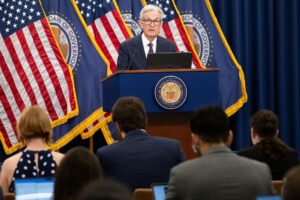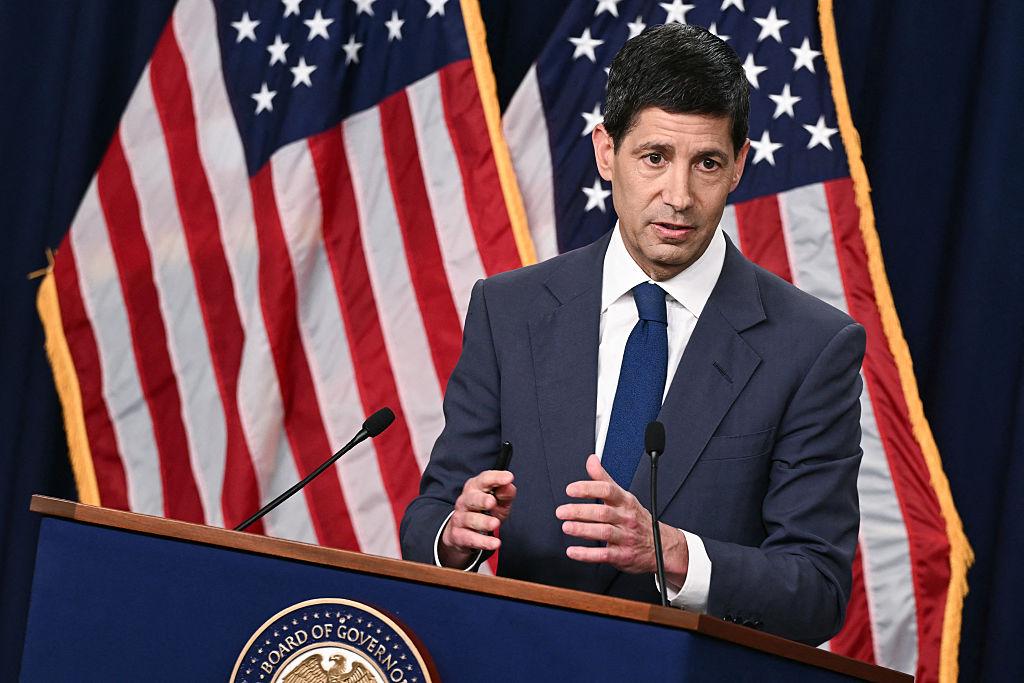
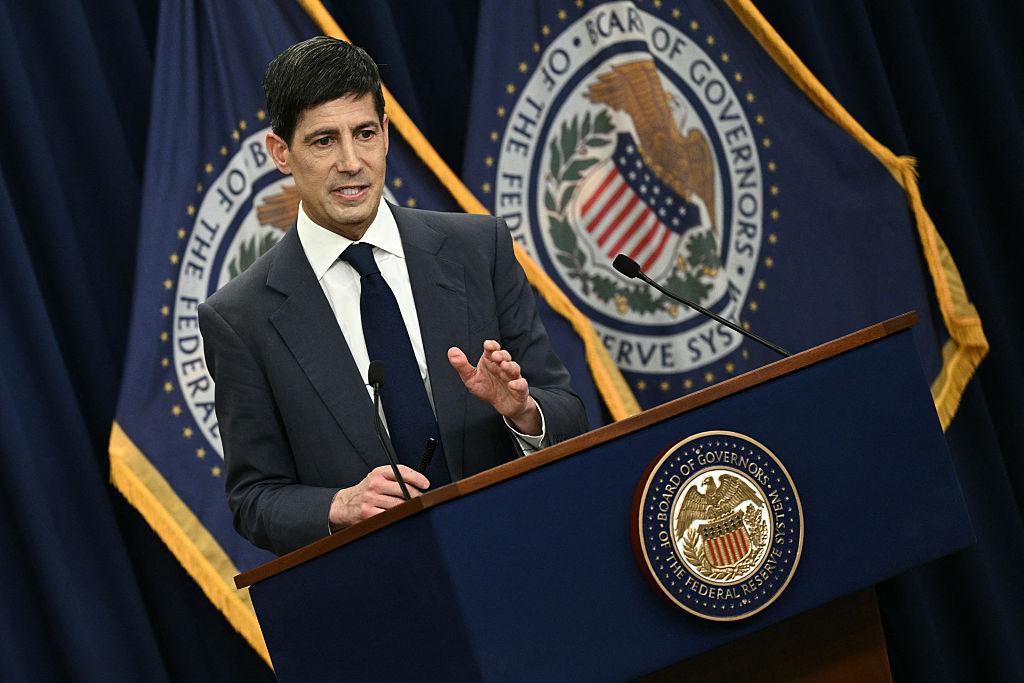
Kevin Warsh sent a powerful inflation warning from Jackson Hole, saying the Federal Reserve still has work to do if underlying price pressures do not move clearly and quickly toward the central bank’s 2% target. His first major Jackson Hole speech as Fed chair has changed the conversation around the U.S. economy, with investors now paying much closer attention to the possibility of another interest-rate increase in September.
The backdrop explains why the speech matters. The latest U.S. data show the Federal Reserve’s preferred inflation measure, the Personal Consumption Expenditures price index, running at 3.7% year over year in July, while core PCE inflation was 3.3%. At the same time, the unemployment rate was 4.1%, leaving policymakers with a difficult combination: inflation is too high, but the labor market is not showing the kind of severe weakness that would automatically force the Fed toward easier policy.
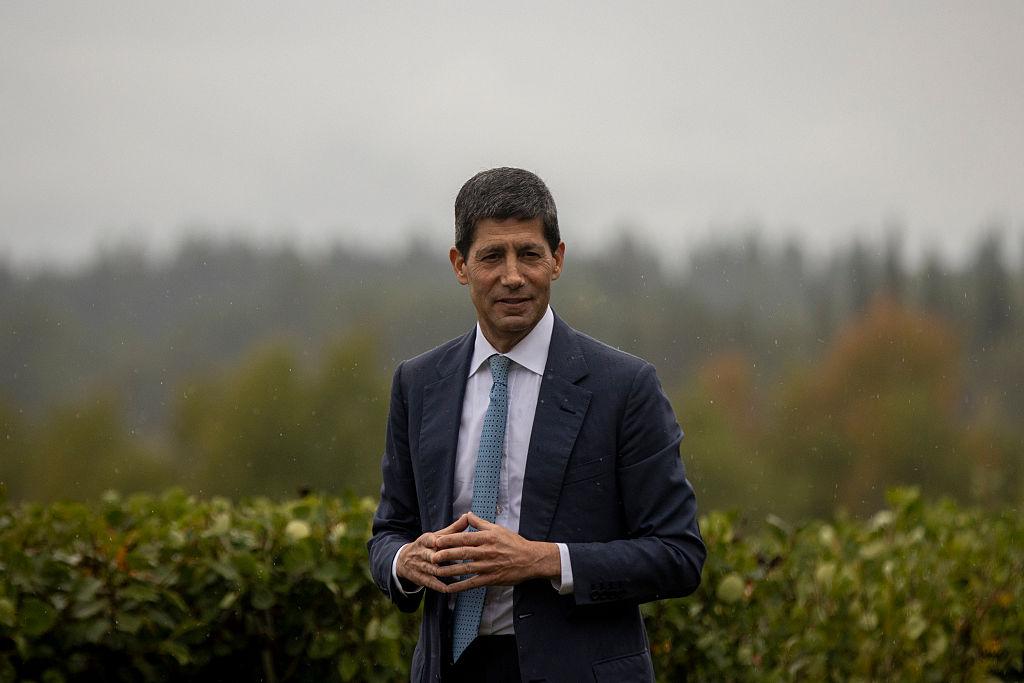
Warsh did not announce a September rate hike, and his remarks should not be interpreted as a guaranteed policy decision. Instead, he made clear that the Fed wants stronger evidence that inflation is heading toward 2% before policymakers can comfortably stand aside. That distinction is important for households, investors and businesses because the next several economic reports could determine whether the Fed holds rates steady or tightens policy again.
What Kevin Warsh Said at Jackson Hole
Warsh’s message was unusually direct. He argued that price stability cannot simply be assumed and that the Federal Reserve must remain disciplined about its 2% inflation objective. He also pushed back against the idea that investors should rely on every public comment from Fed officials as a roadmap for the next interest-rate decision. In his view, markets should not expect the central bank to provide constant forward guidance about its next move.
One of the most important parts of the speech was Warsh’s assessment of financial conditions. With PCE inflation still at 3.7%, he said it is difficult to describe broad financial conditions as genuinely restrictive. That matters because higher interest rates are supposed to slow demand, discourage excessive borrowing and eventually reduce inflationary pressure. If financial conditions remain relatively easy while prices continue rising faster than the Fed wants, policymakers may conclude that additional restraint is necessary.
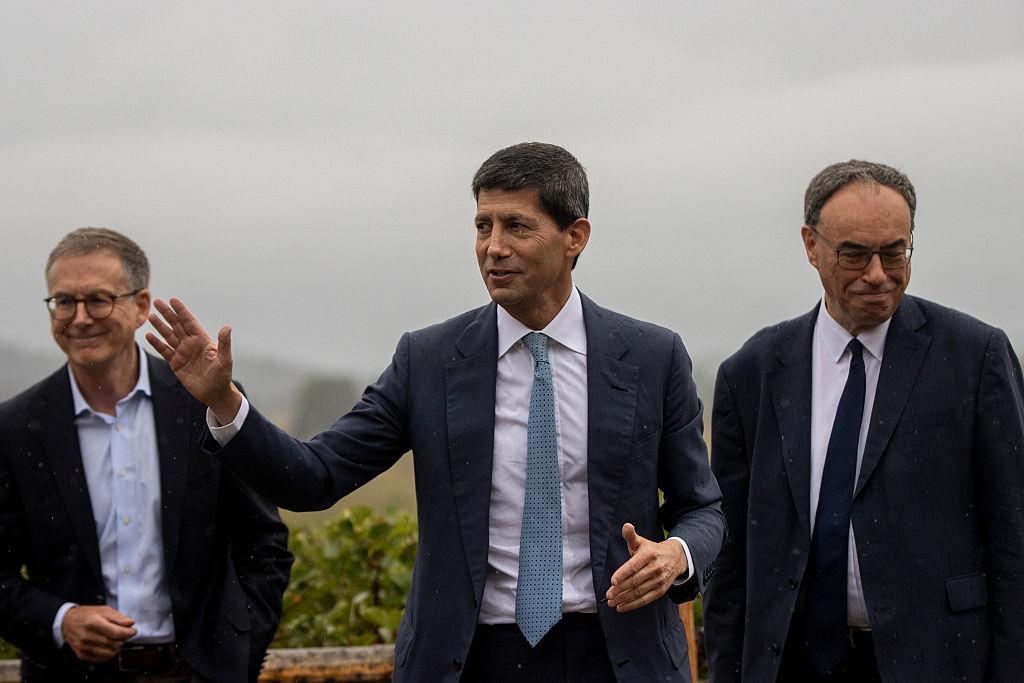
Warsh also discussed longer-term economic forces, including artificial intelligence, productivity and investment. That part of the speech adds another layer to the outlook: stronger productivity could eventually allow the economy to grow faster without generating the same inflation pressure, but the Fed cannot assume that benefit will arrive quickly enough to solve today’s inflation problem.
What this means for you: Warsh is not saying that Americans should expect an immediate rate hike. His message is that inflation remains the central problem, and future policy will depend heavily on whether incoming data provide convincing evidence of improvement.
Why the 3.7% Inflation Number Matters
The 3.7% PCE inflation rate is the number at the center of the debate. The BEA reported that the PCE price index increased 0.2% in July from the previous month and was 3.7% higher than a year earlier. Core PCE, which excludes food and energy prices, rose 3.3% over the same period. Both measures remain substantially above the Federal Reserve’s 2% objective.
The difference between 3.7% and 2% may look small at first glance, but it represents a significant gap for monetary policy. Inflation running at 3.7% means the overall price level is still increasing much faster than the rate policymakers consider consistent with long-term price stability. If consumers and businesses begin to expect elevated inflation to continue, those expectations can become harder to reverse.
The latest data also show that Americans are still spending. Personal consumption expenditures increased 0.2% in July, while disposable personal income rose 0.5%. The personal saving rate increased to 3.0% from 2.7% in June. That combination suggests the economy continues to have underlying demand even as households face higher prices.
Warsh therefore has a complicated policy problem. The Fed does not want to crush economic activity unnecessarily, but it also does not want to declare victory over inflation before the evidence supports it. For that reason, one or two better inflation reports could become extremely important for the September decision.
Why 4.1% Unemployment Makes the Fed’s Decision Harder
The second major number is the 4.1% unemployment rate. According to the Bureau of Labor Statistics, unemployment remained at 4.1% in July, with approximately 6.9 million people unemployed. However, nonfarm payroll employment declined by 23,000 in July, while revisions reduced previously reported employment gains for May and June by a combined 103,000.
That creates a more nuanced picture than the headline unemployment rate alone suggests. The labor market is not collapsing, but hiring momentum has weakened. A Fed focused only on employment could be more comfortable leaving rates unchanged, particularly if job growth continues slowing. But a Fed focused on persistent inflation may reach the opposite conclusion if price pressures remain elevated.
This is why September is unlikely to be decided by a single economic indicator. Policymakers will have to balance inflation, employment, wages, consumer spending, financial conditions and broader economic growth. Warsh’s speech makes clear that inflation has moved to the front of that decision-making process.
Investor takeaway: The 4.1% unemployment rate gives the Fed some room to keep fighting inflation because the labor market remains relatively stable. But weaker payroll growth means the Fed cannot ignore the possibility that higher rates are beginning to weigh more heavily on employment.
Why September Matters for Interest Rates
The next major Federal Open Market Committee meeting is scheduled for September 15–16, 2026. The Fed currently has its federal funds target range at 3.50% to 3.75%, following the July meeting, when policymakers voted 9–3 to keep rates unchanged. Three officials—Beth Hammack, Neel Kashkari and Lorie Logan—preferred a 25-basis-point increase.
That dissent is important because it shows the debate over inflation was already active before Warsh spoke at Jackson Hole. After his speech, market pricing shifted sharply toward the possibility of a September increase. Recent reporting put the probability around the high-50% range, although these probabilities can change quickly as new economic information arrives. CME FedWatch is the market-based tool investors use to track implied probabilities for upcoming Fed decisions.
What could make the Fed raise rates? A combination of stubborn inflation, stronger-than-expected consumer demand, resilient wage pressures, relatively easy financial conditions or evidence that inflation expectations are becoming less firmly anchored could push policymakers toward another increase. A stronger-than-expected August inflation report would be particularly important.
What could make the Fed hold? A significant deterioration in employment, weaker consumer spending, softer inflation readings, declining wage pressure or clearer evidence that monetary policy is already slowing the economy could give policymakers a reason to wait. The August employment report is scheduled for September 4, while the September FOMC meeting follows less than two weeks later.
The key point is that Warsh has not predetermined the September outcome. He has raised the importance of the incoming data.
What Warsh’s Warning Means for Stocks, Bonds, Mortgages and Savings
Stocks: Higher interest rates generally create pressure for equity valuations because future corporate earnings become less valuable when discounted at higher rates. Growth and technology companies can be particularly sensitive because a larger portion of their valuation may depend on profits expected years into the future. After Warsh’s remarks, the S&P 500 fell about 0.25%, while the Nasdaq dropped about 0.52% on Friday, although the broader weekly picture remained more resilient.
Bonds: The bond market reacted more directly. The two-year Treasury yield, which is especially sensitive to expectations for Federal Reserve policy, rose sharply after the speech. AP reported that the two-year yield climbed to about 4.35%, compared with 4.22% previously. Short-term yields can remain under pressure if investors believe the Fed is more likely to raise rates or keep policy restrictive for longer.
Mortgages: Mortgage rates do not move one-for-one with the federal funds rate, but Fed policy can influence broader bond yields and financial conditions that affect mortgage pricing. If Treasury yields remain elevated because investors expect tighter monetary policy, mortgage borrowers could face continued pressure on borrowing costs. Existing homeowners with fixed-rate mortgages are generally insulated from changes to their current loan rate, while new buyers and borrowers refinancing may feel the impact more directly.
Savings: Higher interest rates can be positive for savers. Banks and other financial institutions may continue offering attractive yields on savings accounts, certificates of deposit and other interest-bearing products when short-term rates remain elevated. However, consumers should compare actual account yields rather than assuming every bank will pass the full benefit of higher rates to depositors.
What this means for you: Borrowers should pay close attention to fixed versus variable rates, while savers should review whether their cash is earning a competitive yield. Investors should prepare for greater market volatility rather than assuming the Fed will automatically cut rates simply because employment growth is slowing.
What Americans Should Watch Next and the Future Outlook
The next phase of the story will be driven by economic data rather than headlines alone. The first major checkpoint is the August employment report on September 4. Investors will look at payroll growth, unemployment, wage gains and labor-force conditions. A weak jobs report could reduce pressure on the Fed to raise rates, while a surprisingly strong report could give policymakers more flexibility to concentrate on inflation.
The next critical inflation report will be equally important. Markets will want to know whether the 3.7% PCE reading represents a persistent trend or a temporary period of elevated prices. The latest BEA schedule shows the August PCE report is due September 30, meaning the Fed’s September meeting will occur before that particular PCE release. That makes other inflation measures, including the August CPI report, especially important for the September decision.
Future outlook: The most likely path is not necessarily a straight line toward either aggressive rate hikes or rapid cuts. The Fed could hold rates in September if the next labor and inflation reports provide enough reassurance, or it could increase rates if inflation remains stubborn and financial conditions appear too loose. Warsh’s Jackson Hole speech suggests policymakers are increasingly unwilling to treat modest inflation improvements as sufficient evidence of victory.
For investors, the central question is therefore shifting from “When will the Fed cut rates?” to “Has inflation improved enough for the Fed to stop worrying about another hike?” That is a major change in the market narrative.
For households, the message is equally practical. Americans considering a mortgage, refinancing, major purchase or new investment should not base decisions on the assumption that interest rates will fall quickly. At the same time, savers may continue to benefit from relatively elevated short-term yields while the Fed remains focused on inflation.
Warsh’s first Jackson Hole speech has made one thing clear: the Federal Reserve wants markets to understand that the 2% inflation target remains the destination. The path toward that target, however, will depend on the data arriving between now and the September meeting.
The most important numbers to watch are therefore straightforward: 3.7% PCE inflation, 3.3% core PCE inflation, 4.1% unemployment, the September 4 jobs report, the next inflation readings and the September 15–16 FOMC meeting. Together, those figures will provide a much clearer picture of whether the Fed is preparing to tighten policy again or is willing to wait.
The broader economic story also extends beyond one rate decision. If productivity gains from artificial intelligence eventually become substantial, they could support stronger economic growth without equivalent inflation pressure. But that is a longer-term possibility, not a reason for the Fed to ignore current price pressures. For now, Warsh is signaling that inflation remains the immediate priority.
Bottom line: Kevin Warsh has not promised a September rate hike, but he has clearly raised the stakes. With inflation still well above 2%, unemployment at 4.1% and financial conditions viewed by the Fed chair as insufficiently restrictive, markets have good reason to prepare for a more complicated interest-rate environment. The next few economic reports could determine whether this Jackson Hole warning becomes the beginning of another tightening cycle or simply a forceful reminder that the Fed is not ready to declare victory over inflation.
Subscribe to trusted news sites like USnewsSphere.com for continuous updates.