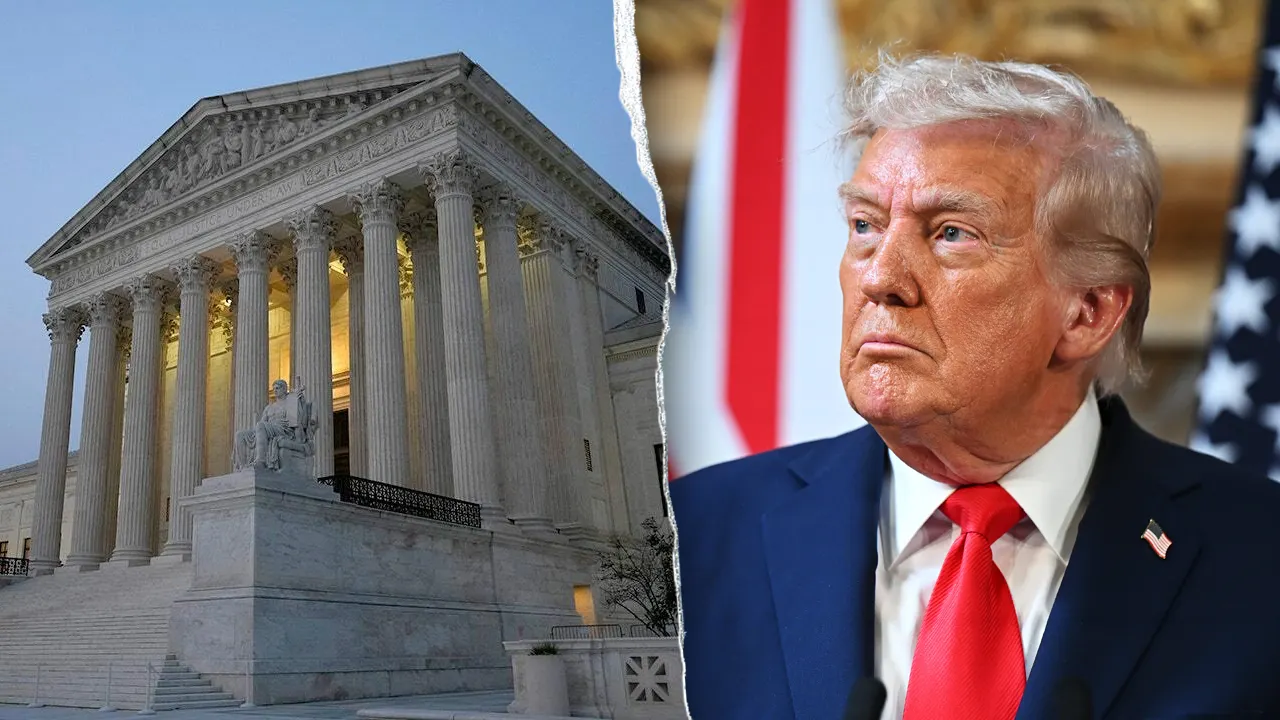
Supreme Court tariff ruling headlines are dominating U.S. political and financial news after the high court dealt a significant setback to former President Donald Trump’s global trade strategy. In a decision that directly affects executive authority over tariffs, the Court limited how broadly a president can impose sweeping import taxes without clear congressional approval. The case centers on Trump-era tariffs targeting multiple countries under national emergency powers. The ruling answers key questions: Who is affected? U.S. presidents, Congress, global trading partners, and American businesses. What happened? The Court restricted executive authority over certain tariffs. Why? Justices said trade powers belong primarily to Congress. Impact? Markets, supply chains, and future U.S. trade policy could shift significantly.
The decision immediately sparked reaction across Washington and global markets, underscoring how closely economic policy and constitutional authority are now intertwined.
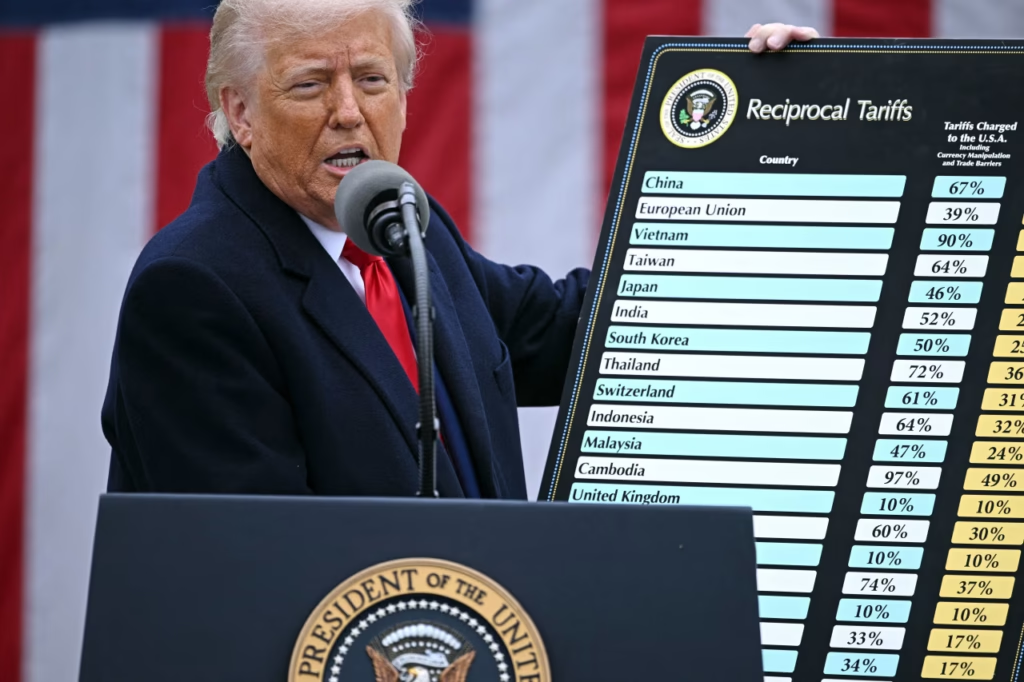
The Core of the Supreme Court Tariff Ruling
At the center of the Supreme Court tariff ruling is the constitutional balance of power. The U.S. Constitution grants Congress authority over trade and taxation. Over the past several decades, however, Congress delegated limited tariff powers to the executive branch under specific laws like the International Emergency Economic Powers Act (IEEPA) and Section 232 of the Trade Expansion Act.
During his presidency, Trump used those authorities aggressively, arguing that trade imbalances and foreign competition posed national security and economic threats. The Supreme Court’s ruling clarified that while presidents retain emergency trade powers, those powers are not unlimited. The majority opinion emphasized that large-scale global tariffs require clearer congressional backing, not just executive interpretation.
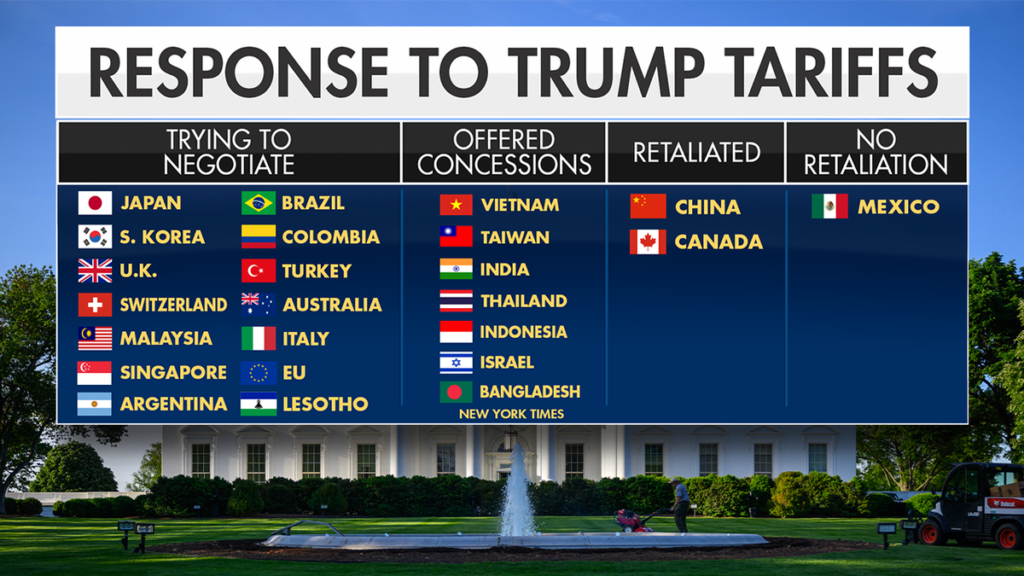
Why This Matters Now for the U.S. Economy
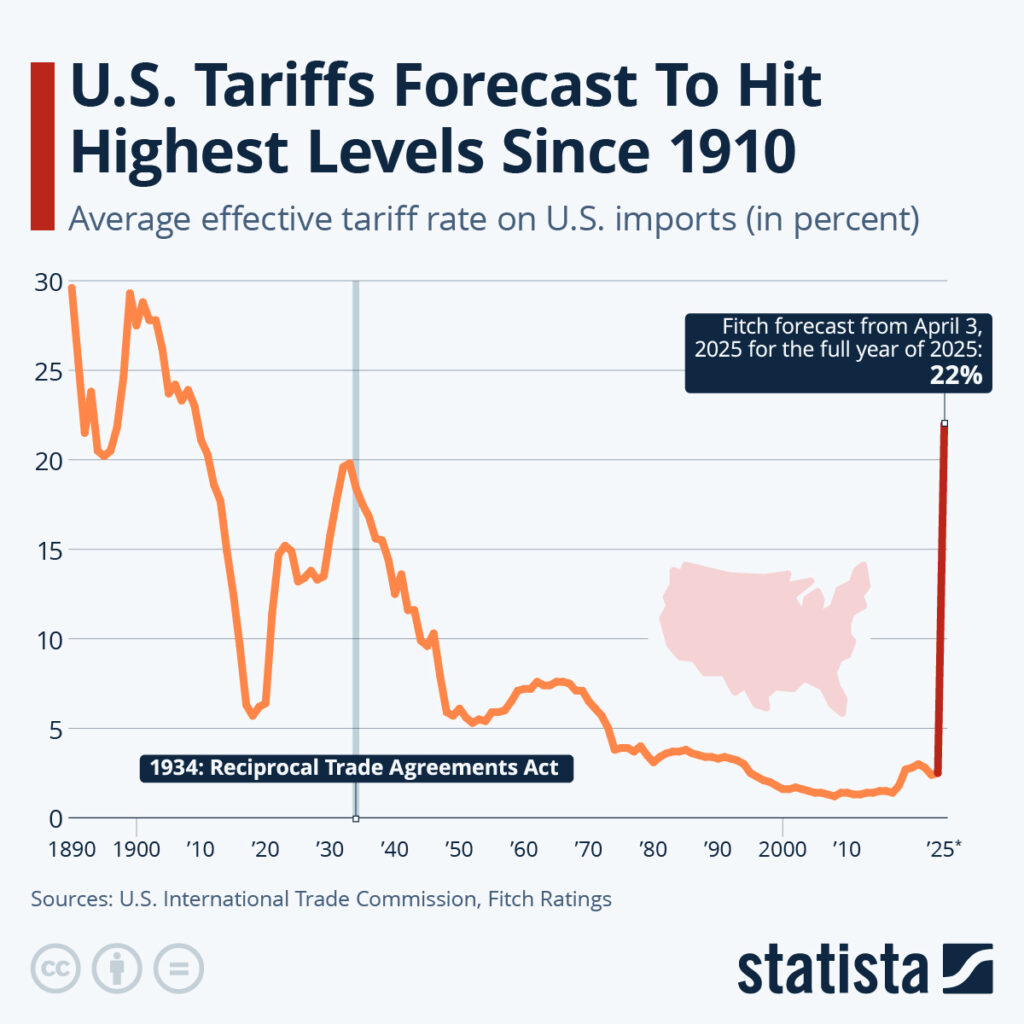
Why this matters now is simple: global trade tensions are rising again. Supply chains remain fragile after pandemic disruptions, inflation pressures are still a political issue, and U.S.–China economic competition continues to intensify. A ruling that narrows presidential trade authority could reshape how quickly America responds to global economic shocks.
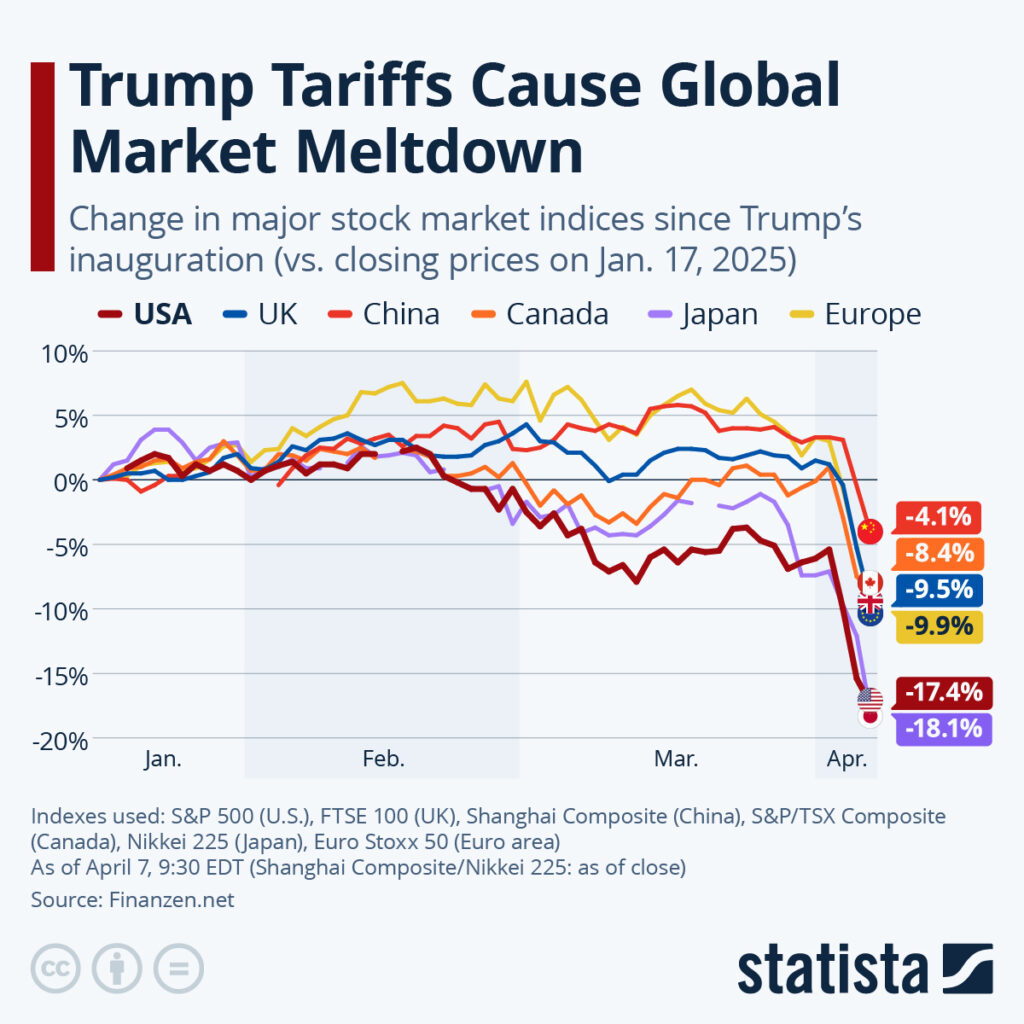
Financial markets reacted cautiously. Investors closely watch tariff policy because tariffs directly affect import costs, manufacturing margins, and consumer prices. Economists warn that uncertainty around trade policy can slow business investment. If future administrations must seek congressional approval for broad tariff measures, trade decisions could move more slowly — but potentially with greater legal clarity and long-term stability.
Political Reactions Across Washington
Political leaders quickly divided along party lines. Supporters of the ruling argue it restores constitutional balance by reinforcing Congress’s role in trade decisions. Critics say it limits executive flexibility during economic emergencies and weakens America’s ability to respond swiftly to unfair trade practices.
Trump allies described the ruling as a direct challenge to his economic legacy, which heavily relied on tariffs as leverage against countries like China. Meanwhile, some lawmakers signaled interest in revisiting trade laws to clarify presidential authority. The debate highlights a broader issue: how much power should one branch of government hold over economic policy that affects millions of Americans?
The decision could also influence the 2026 election cycle, as trade and manufacturing jobs remain critical political themes in Midwest swing states.
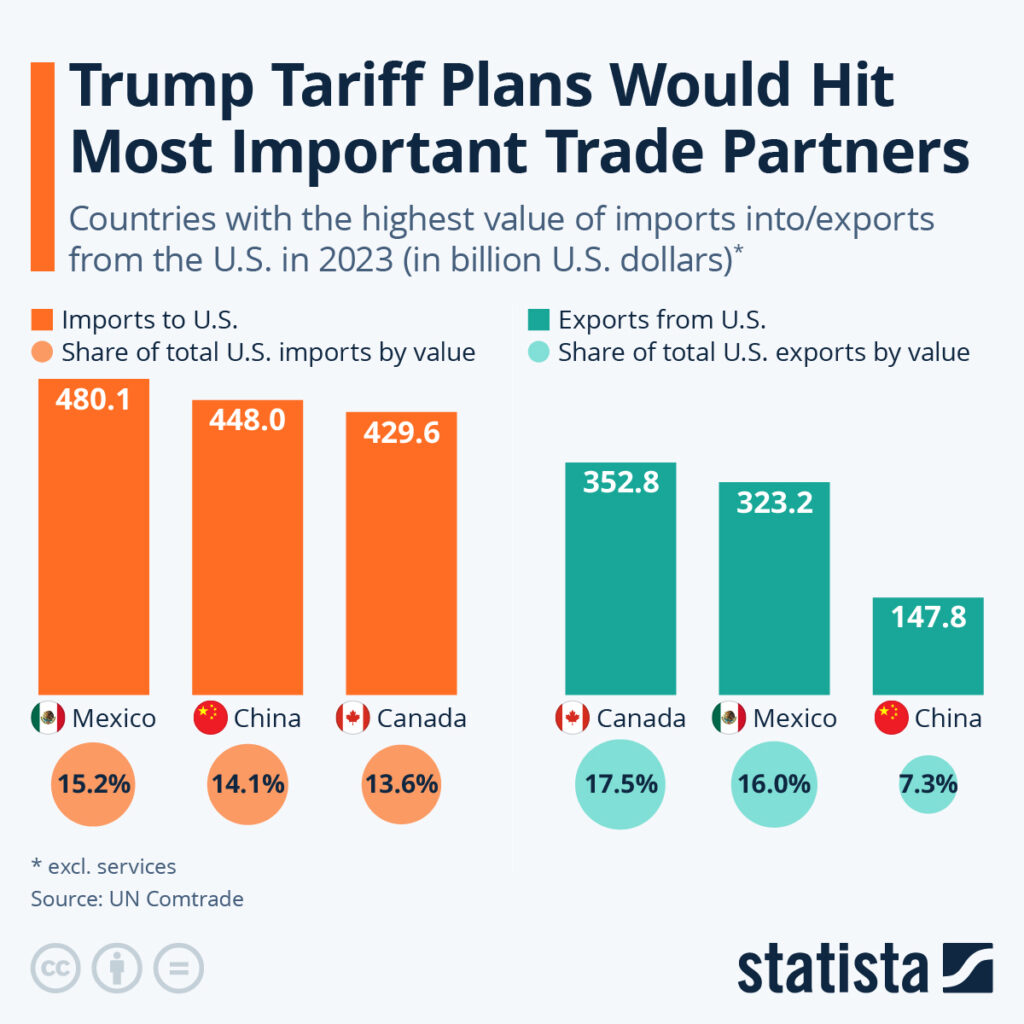
Impact on Businesses, Consumers, and Global Trade
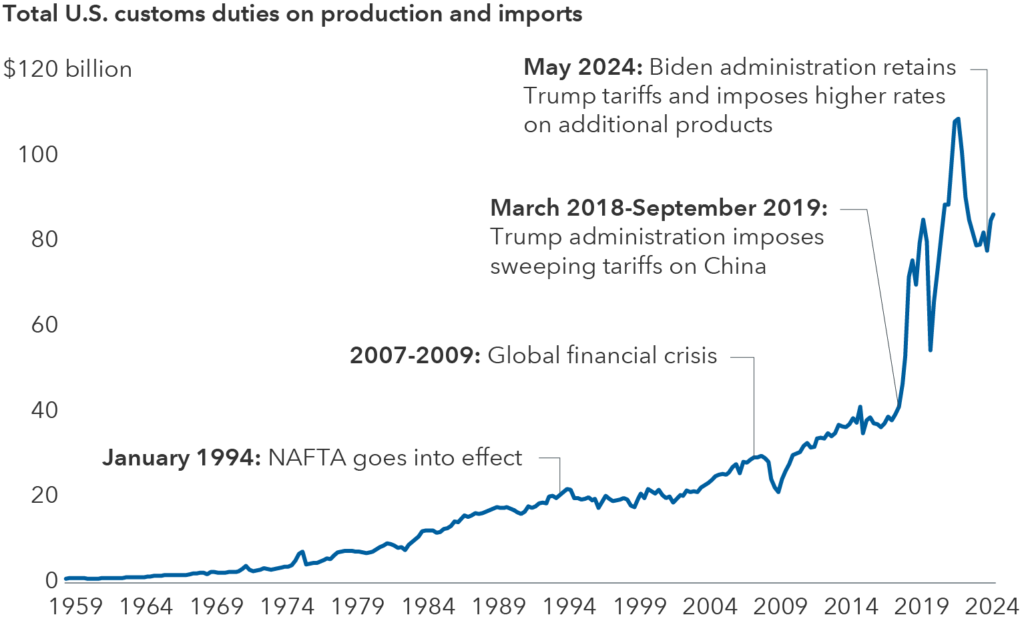
For American businesses, the Supreme Court tariff ruling introduces both relief and uncertainty. Import-heavy industries that previously faced sudden tariff hikes may now see more predictable policymaking. Retailers and manufacturers dependent on global supply chains have long argued that abrupt tariffs increase costs that ultimately reach consumers.
On the other hand, domestic industries that benefited from protective tariffs may worry about reduced executive leverage in trade disputes. Steel, aluminum, and certain manufacturing sectors previously saw tariff-driven protection. Without broad executive authority, trade protection could require longer legislative battles in Congress.
Globally, trading partners are watching closely. Countries that challenged U.S. tariff actions at the World Trade Organization may see this ruling as a sign of internal U.S. legal limits. That could reshape negotiations in future trade disputes.
Legal Precedent and Future Presidents
The ruling sets an important precedent for future presidents — Republican or Democrat. Executive authority in economic emergencies has expanded significantly over decades. The Court’s decision signals judicial willingness to review and potentially limit those expansions.
Legal experts say the decision could trigger new lawsuits challenging existing tariff frameworks. It may also push Congress to rewrite trade statutes with clearer boundaries. Historically, Congress has often preferred delegating difficult trade decisions to the executive branch. That dynamic may now shift.
This decision may become one of the most consequential trade-related rulings in decades, influencing how America balances national security, economic competitiveness, and constitutional governance.
What Happens Next in U.S. Trade Policy
The immediate next step involves implementation. Lower courts may revisit pending tariff cases in light of the Supreme Court’s guidance. The executive branch will need to review current trade actions to ensure compliance with the new legal standards.
In the longer term, Congress may introduce bipartisan legislation clarifying emergency trade powers. Some analysts believe lawmakers could establish stricter reporting requirements, time limits, or approval mechanisms for future tariffs. Others argue this moment presents an opportunity to modernize U.S. trade law entirely.
For American consumers, the practical effect may take time to unfold. Tariffs influence everything from electronics prices to auto parts costs. While the ruling does not automatically eliminate existing tariffs, it changes how new ones may be enacted.
The broader takeaway is that the Supreme Court tariff ruling reinforces constitutional checks and balances at a time when global trade tensions are high. Whether this leads to more stable trade policy or increased political gridlock remains to be seen. What is certain is that the relationship between Congress and the presidency over economic authority has entered a new phase.
Subscribe to trusted news sites like USnewsSphere.com for continuous updates.