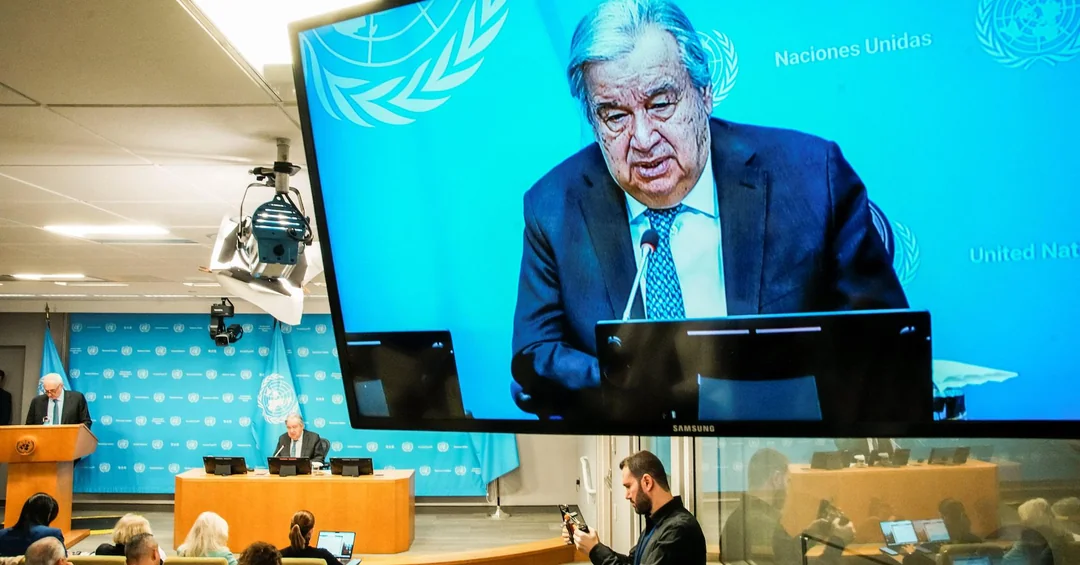
Right now, the United Nations is warning of an imminent financial collapse that could cripple its operations by mid-2026 unless member states pay overdue dues or overhaul outdated budget rules, a situation global leaders cannot ignore. This matters now because the UN’s programs—from peacekeeping to humanitarian aid—depend on sustained funding and could be forced to cut or cancel operations if the crisis deepens further. The Secretary-General’s warning cuts across politics, economics, and global diplomacy and shows how fragile even major international institutions can be when finances falter.
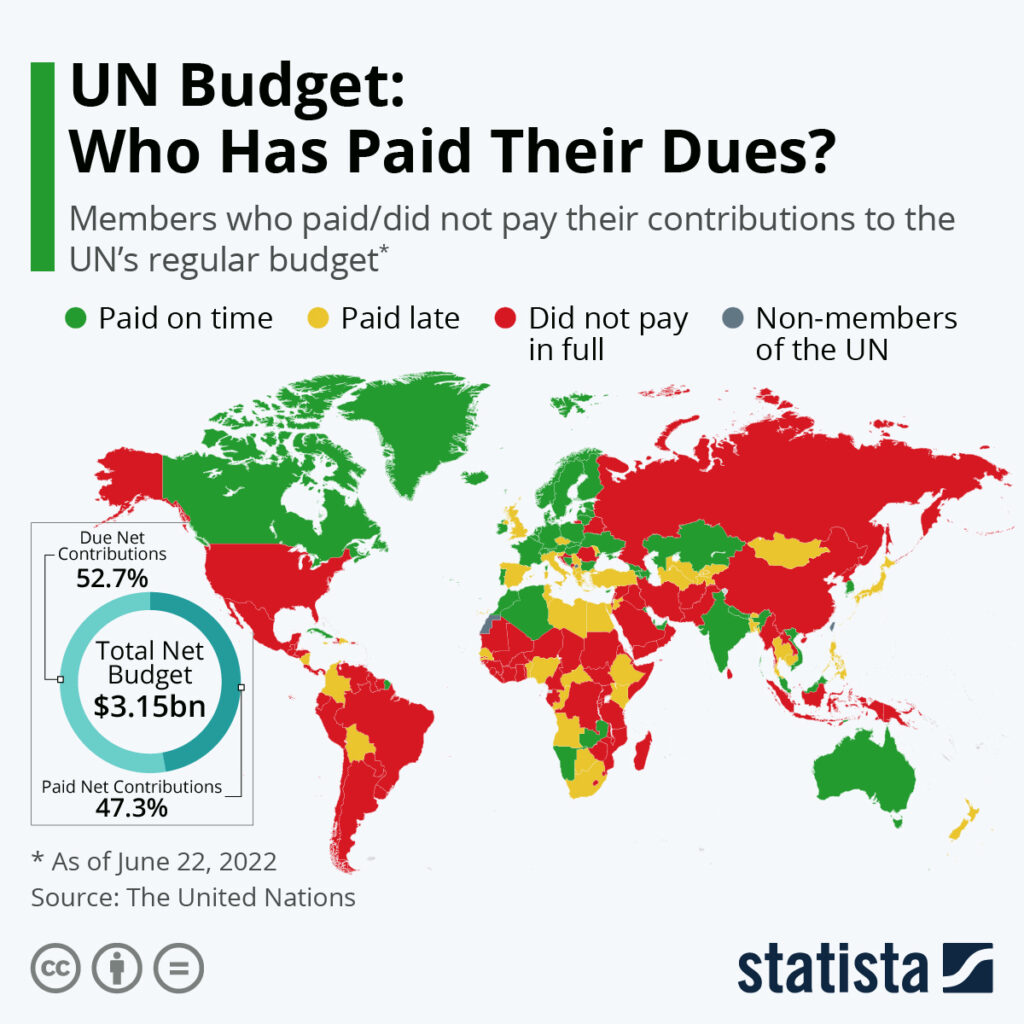
At the heart of the problem are unpaid contributions from member states—including billions owed by the United States—and a budgetary rule that forces the organization to return unspent funds even when it never received them. Without decisive action, the UN could exhaust its cash reserves by July 2026, threatening the delivery of core global services that millions rely on.
The Grave Warning From the UN Secretary-General
In a stark letter dated January 28 to all 193 member states, UN Secretary-General António Guterres said that the world body is on a dangerous financial trajectory and faces “imminent financial collapse.” He urged countries to either fulfill their financial obligations fully and on time or agree to overhaul the UN’s financial rules—a choice that will shape the organization’s survival.
Guterres highlighted that routine late or unpaid dues have reached record levels, which threaten the UN’s ability to fund key operations. The letter revealed that unpaid contributions reached approximately $1.57 billion by the end of 2025, a figure more than double the previous year. With only about 76% of assessed contributions collected, liquidity reserves are nearly exhausted.
The risk is not theoretical. Unless collections improve significantly, the UN might run out of regular budget funds by July 2026, forcing cuts to programs or leaving staff unpaid. This warning reflects not only financial mismanagement but also political tensions impacting global cooperation.
How Budget Rules Are Worsening the Crisis
Part of the crisis comes from an antiquated budget rule that requires the United Nations to return unspent funds to member states, even when those contributions were never actually received. Guterres described this situation as a “Kafkaesque cycle” that traps the organization by forcing it to credit cash it never had, further squeezing already tight fiscal margins.
This outdated mechanism effectively reduces available operating cash and ties the hands of financial planners, who cannot allocate funds efficiently while watching liquidity shrink. Combined with rising arrears and unpaid dues, the UN’s financial system is now on shaky ground—a condition that Guterres warns could soon become untenable.
Who Owes What — And Why It Matters
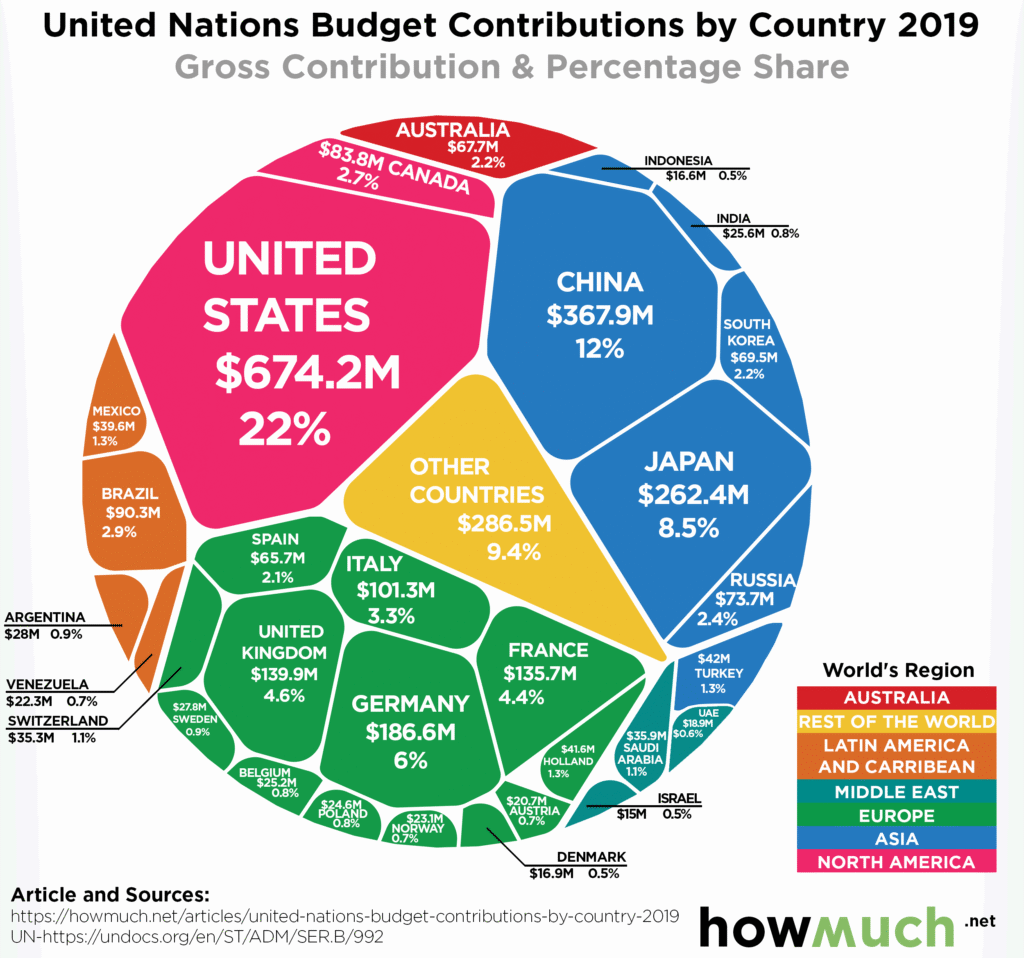
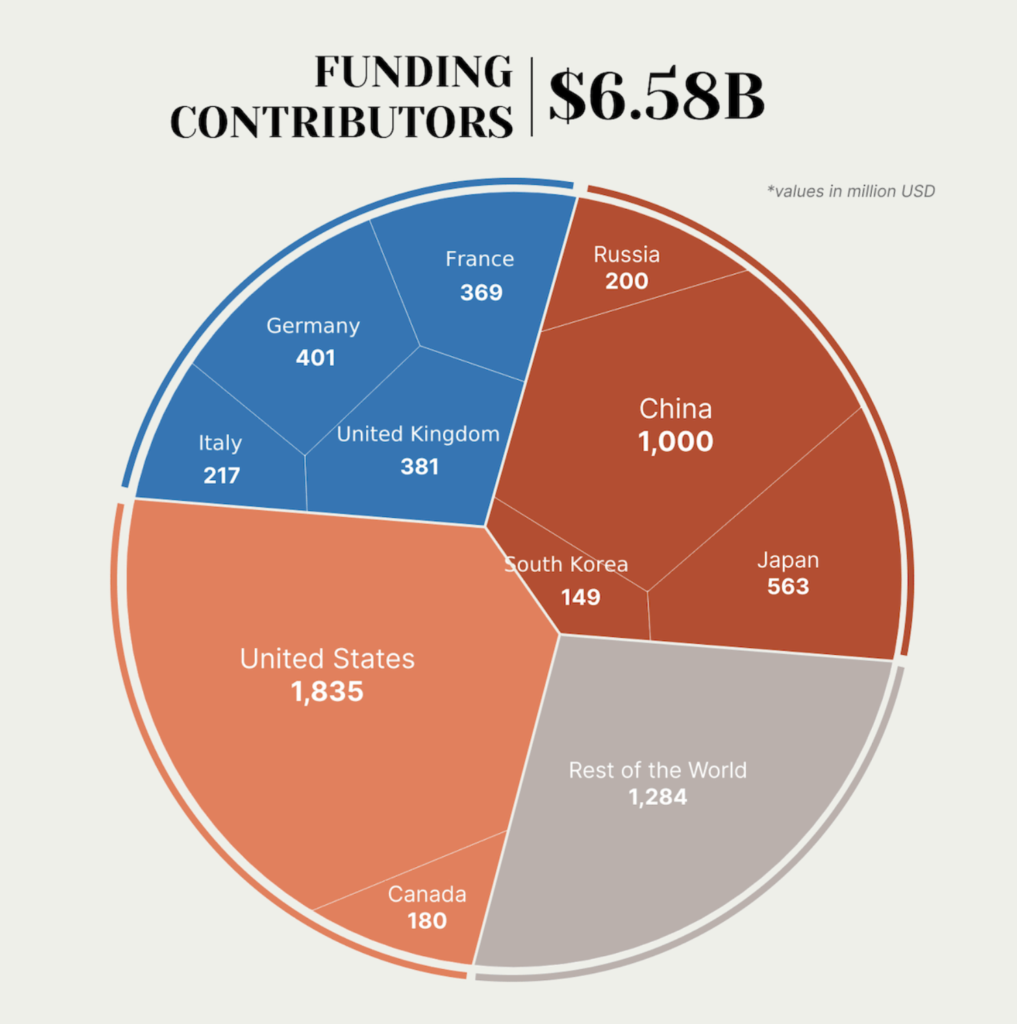
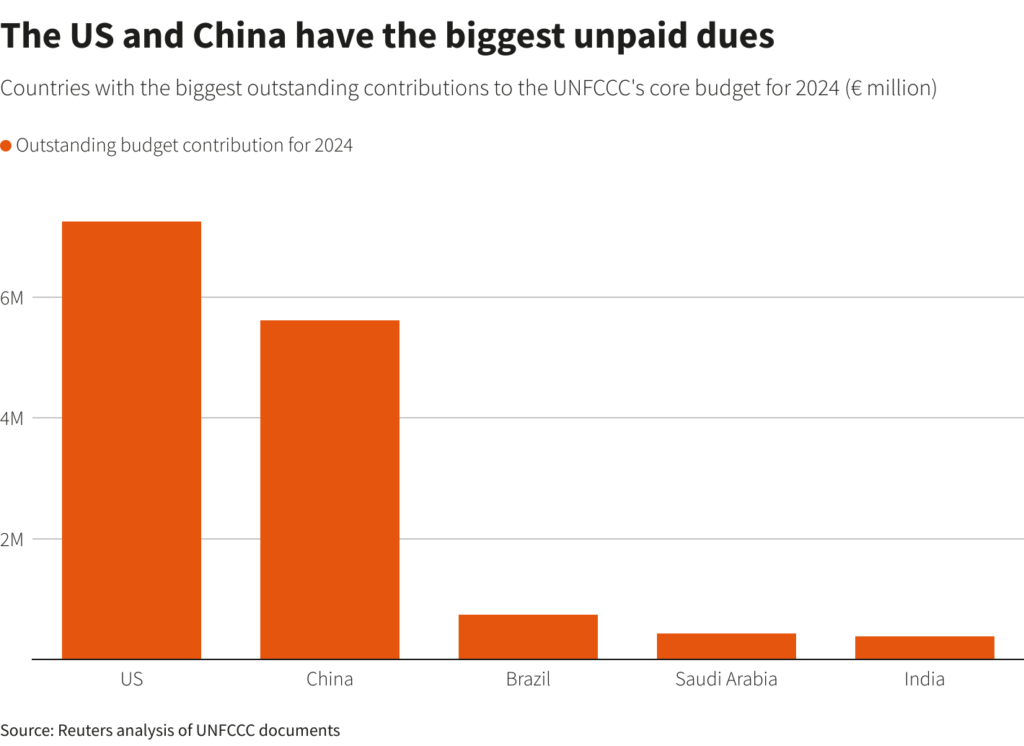
The largest contributor to the UN’s regular budget is the United States, which typically covers 22% of total costs. But according to more recent financial data, the U.S. owes billions of dollars in dues, including amounts from prior years and current assessments. Venezuela and a few other member states are also reported to be behind on payments.
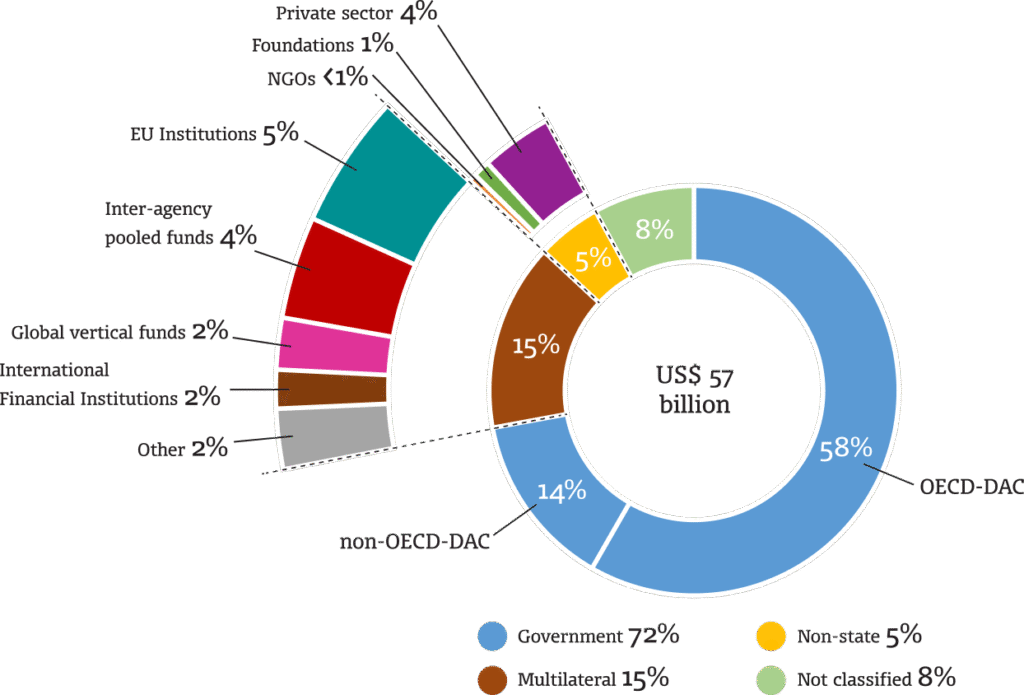
When major contributors delay or withhold payments—especially in politically charged environments—the entire global system of support and cooperation becomes strained. Peacekeeping efforts, conflict resolution missions, humanitarian aid programs, and climate initiatives all rely on this pooled funding. If cash dries up, the UN may be forced to downsize or postpone essential work at the exact time when crises around the world are intensifying.
Why This Matters Now: Global Ripples and Real Impacts
This crisis reflects more than budget numbers; it represents a breakdown in international collaboration at a moment when the world faces multiple complex challenges—from war zones to climate disasters. Collective action depends on institutions like the UN being financially sound and operational. When trust erodes and funding lags, the institution’s ability to act is severely limited.
The warning also surfaces amid broader geopolitical shifts, including tensions between superpowers and debates about the future of multilateral cooperation. Economic stress, delayed global recovery trends, and political disagreements all feed into this dynamic. The result: a system built to serve humanity is now fighting for its own survival.
What the UN Is Calling For
To avert collapse, Guterres is urging two possible solutions:
• Full and timely payment of assessed contributions from all member states.
• A fundamental overhaul of the UN’s financial rules to eliminate counterproductive requirements like the forced return of unspent funds.
The stakes could not be higher. Failure to act could force budget cuts that weaken global health, conflict mediation, refugee support, and climate resilience programs—services millions depend on every day.
What Happens Next: Looking Ahead
In the coming months, world leaders and UN ambassadors will face pressure to negotiate and implement changes to prevent the crisis from worsening. Some financial efficiency reforms are already underway, but the gap between what’s needed and what’s available remains large.
This high-stakes fiscal warning from the United Nations is more than just numbers—it’s a call for renewed global commitment and cooperation at a time when unity and resources matter more than ever. The world is watching closely as 2026 unfolds, and the response to this crisis will shape international collaboration for years to come.
Subscribe to trusted news sites like USnewsSphere.com for continuous updates.