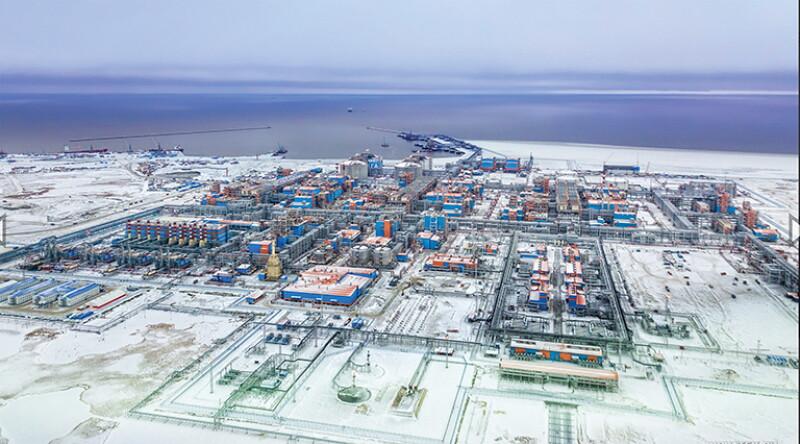
EU buys record amount of Russian gas has become one of the most discussed energy stories in Europe after new data showed European countries imported record volumes of liquefied natural gas (LNG) from Russia’s Yamal LNG project during the first half of 2026. According to market data, imports increased even as the European Union continues preparing to eliminate Russian gas imports by the end of 2027.
The development raises important questions. Who is buying the gas? Primarily, EU member states import LNG under existing long-term contracts. What happened? Record volumes of LNG arrived from Russia’s Yamal project. Why is it happening? Existing contracts remain valid while Europe gradually shifts to alternative suppliers. What is the impact? The situation highlights the challenge of balancing energy security, economic stability, and geopolitical goals. Why this matters now: Europe is approaching its legally planned phase-out of Russian gas, making every import trend closely watched by governments, businesses, and energy markets.
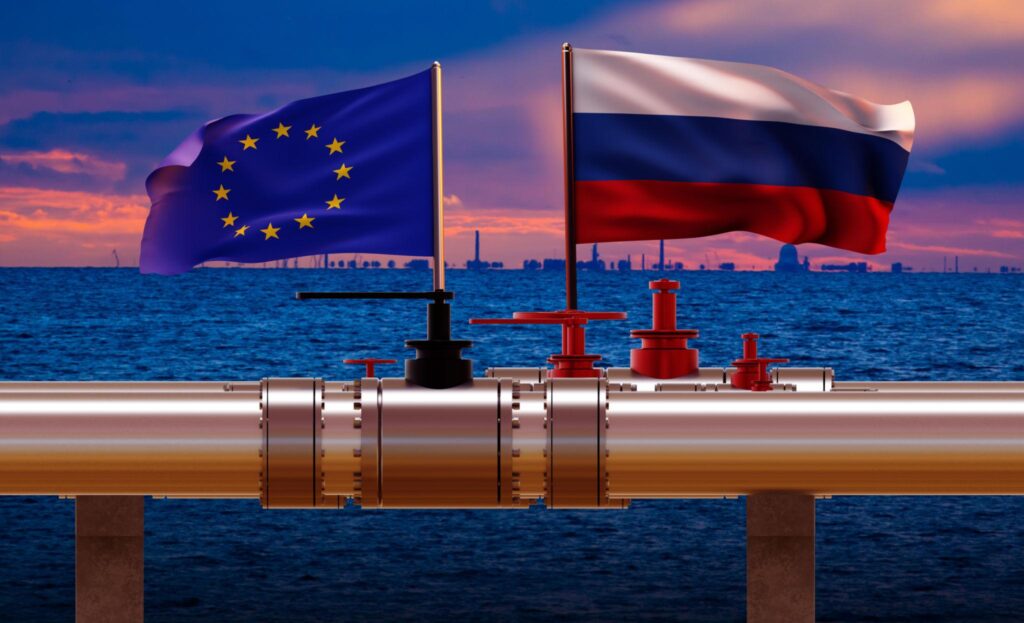
Record LNG Imports Show Europe’s Energy Transition Remains Complex
Fresh market data indicates EU countries imported nearly 10 million metric tons of LNG from Russia’s Yamal LNG project during January through June 2026, representing a significant increase compared with the same period a year earlier. Many of these deliveries arrived under long-term commercial agreements signed before the current phase-out plan.
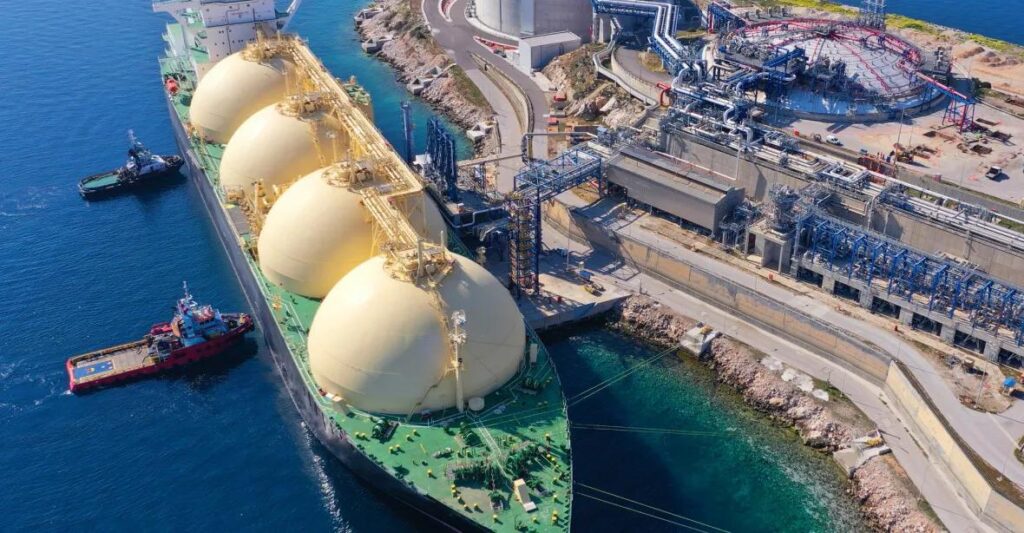
While headlines describe “record imports,” it is important to understand the context. The record refers specifically to LNG shipments from the Yamal facility rather than a return to the overall dependence Europe had before 2022. Total Russian gas still represents a much smaller share of the EU energy mix than before the Ukraine war.
Why European Countries Continue Purchasing Russian LNG
The European Union has been reducing dependence on Russian fossil fuels for several years, yet replacing large energy supplies cannot happen overnight. LNG contracts often last many years, and infrastructure investments require long-term planning.
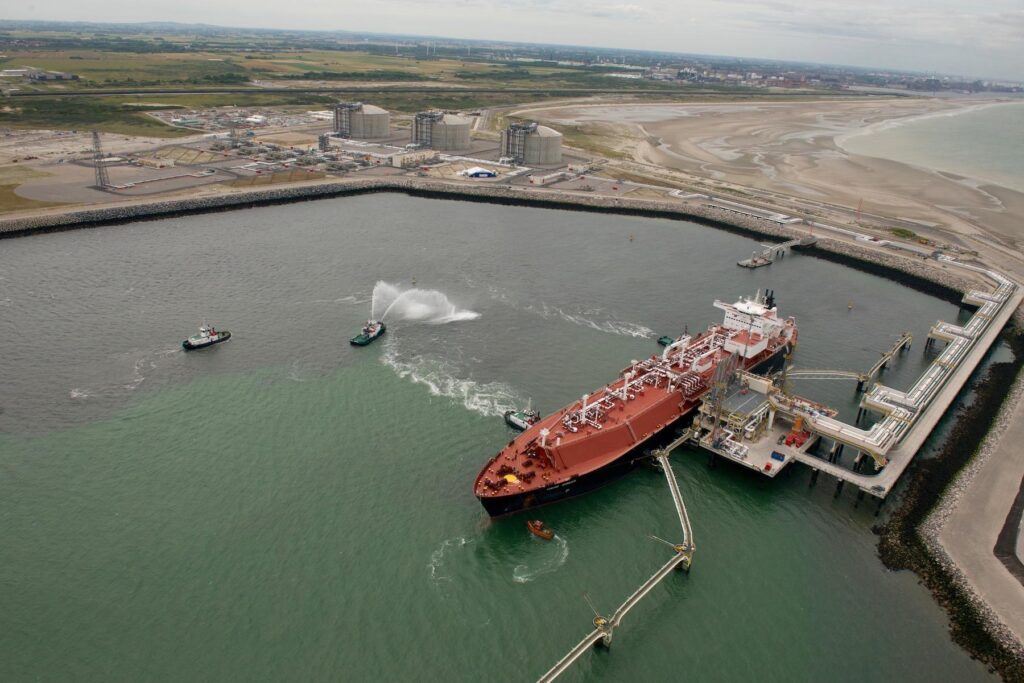
The EU has already prohibited many new short-term Russian LNG purchases while allowing certain existing contracts to continue during a transition period. This approach is intended to reduce supply disruptions, stabilize energy prices, and give member states enough time to secure alternative suppliers from countries such as the United States, Norway, and Qatar.
Which Countries Imported the Most Russian LNG?
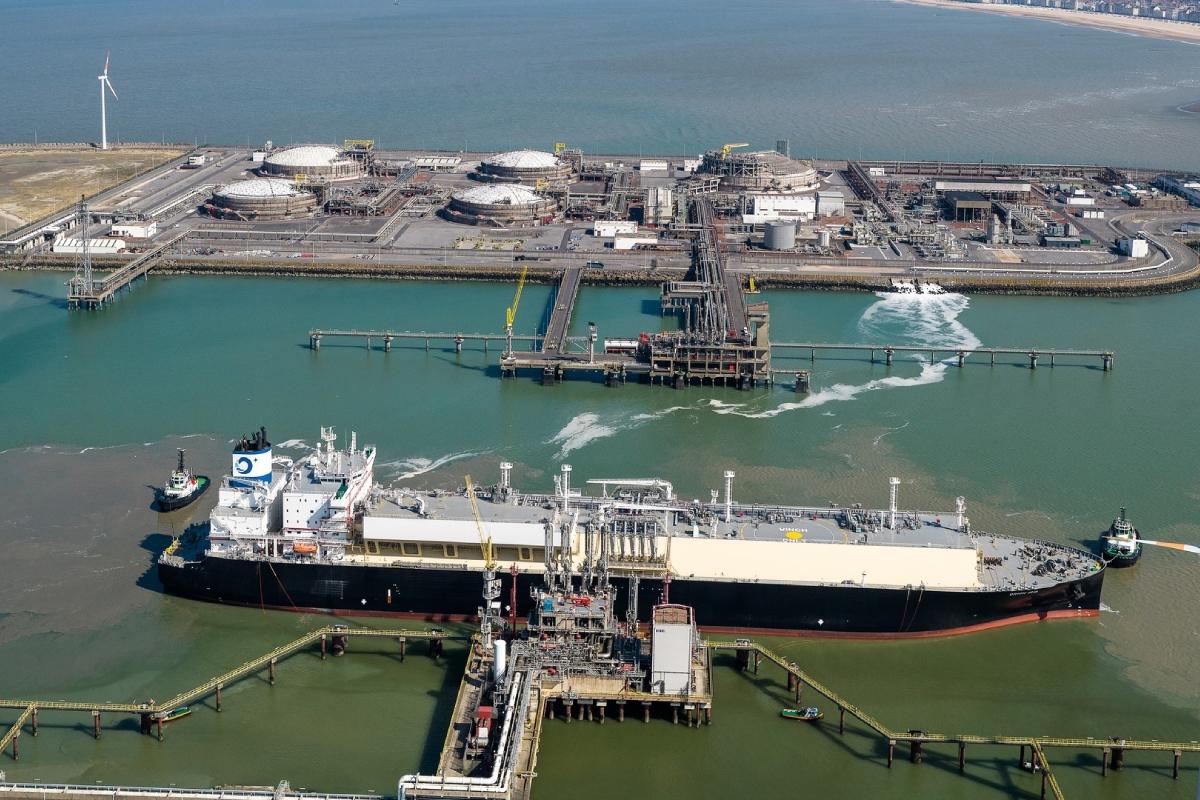
Available market data shows France, Belgium, and Spain remained among the largest destinations for LNG cargoes originating from the Yamal LNG facility during the first half of 2026. Together, these countries received the majority of shipments entering European ports.
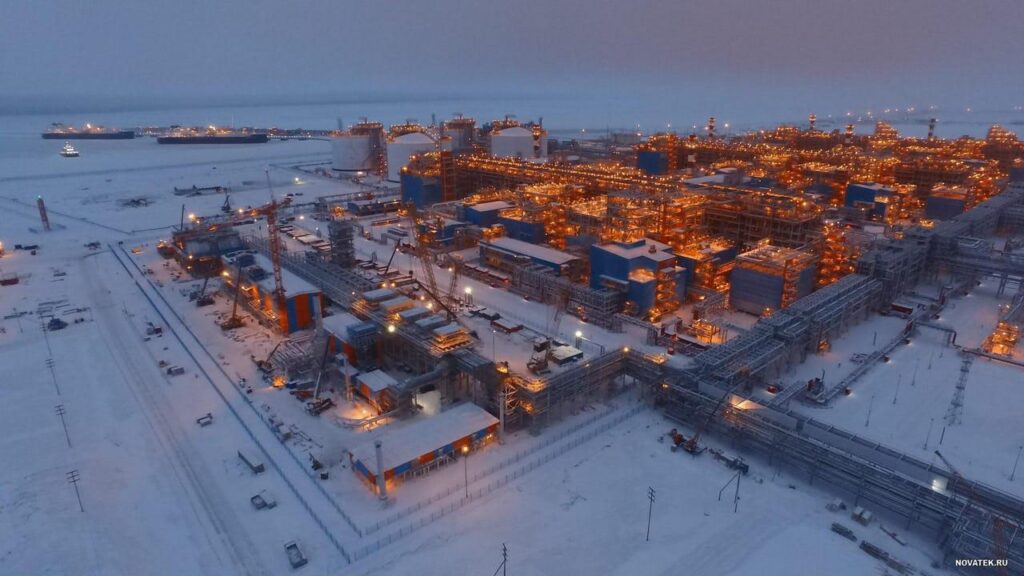
Industry analysts note that importing LNG into European terminals does not always mean the gas is consumed solely within those countries. LNG can be stored, regasified, traded, or transported across Europe’s interconnected energy network, making the continent’s gas market highly integrated.
Europe Still Plans to End Russian Gas Imports by 2027
Despite the recent increase in LNG imports, the European Union has not changed its long-term objective. Current legislation aims to phase out Russian pipeline gas and LNG imports completely by the end of 2027 as part of broader energy security and diversification efforts.
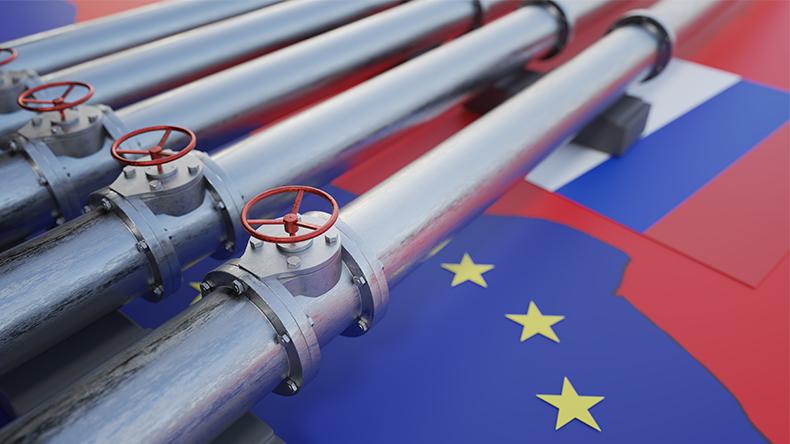
Since 2022, Europe has expanded LNG import capacity, invested heavily in renewable energy, improved energy efficiency, and increased purchases from alternative suppliers. These measures have already reduced Russia’s share of EU gas imports dramatically compared with levels seen before the Ukraine conflict.
What This Means for Energy Markets and Consumers
Energy traders continue watching Russian LNG shipments because supply levels influence wholesale gas prices across Europe. Stable supplies generally help reduce market volatility, while unexpected disruptions can quickly increase prices for businesses and households.
For investors and policymakers, the current situation demonstrates the delicate balance between maintaining reliable energy supplies and pursuing long-term geopolitical and climate objectives. Decisions made over the next 18 months could influence infrastructure investment, industrial competitiveness, and Europe’s broader energy transition.
Looking Ahead for Europe and Global Energy Markets
The coming months will likely determine how successfully Europe completes its transition away from Russian gas. Governments continue expanding renewable electricity generation, LNG infrastructure, storage capacity, and cross-border energy connections to strengthen long-term energy security.
Although Russian LNG imports reached record levels from one major production facility during the first half of 2026, the broader trend remains one of declining European dependence on Russian energy. Whether the EU can complete its planned transition by the end of 2027 without significant price shocks will remain one of the world’s most closely watched energy stories.
Subscribe to trusted news sites like USnewsSphere.com for continuous updates.