
Poland AI labs are set to become a reality in 12,000 schools as the government launches one of the largest digital education investments in the country’s history. The initiative will provide artificial intelligence laboratories, laptops, specialized software, interactive displays, and modern classroom technology to thousands of primary and secondary schools. The goal is to improve digital skills, prepare students for an AI-driven economy, and modernize learning before the next school year begins.
The program answers four important questions immediately. Who? Students and teachers across 12,000 Polish schools. What? New AI-focused learning laboratories and digital infrastructure. Why? To improve technology skills and prepare future workers for an increasingly AI-powered world. Impact? Millions of students could gain access to modern educational tools that were previously unavailable in many schools. This matters now because governments worldwide are racing to prepare young people for careers shaped by artificial intelligence and advanced technology.
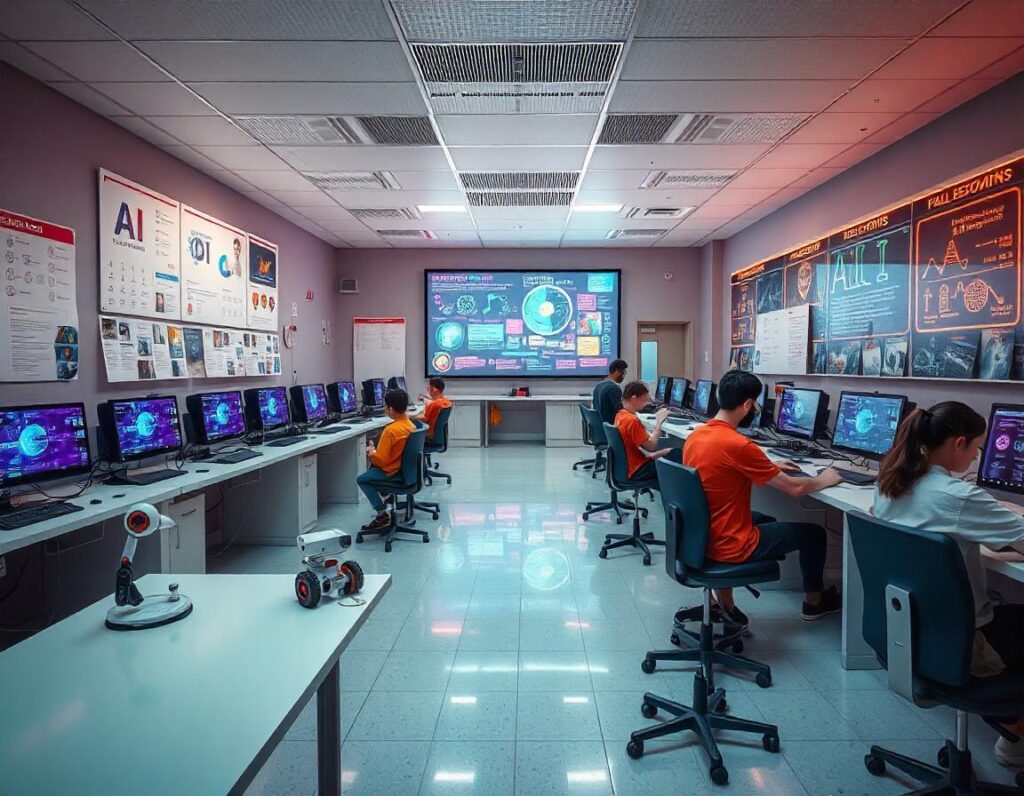
Poland Launches One of Its Largest Digital Education Investments
Poland’s government has announced plans to invest approximately 1.86 billion zloty (about €437 million) to establish AI laboratories across the country’s education system. The funding will support equipment purchases, software deployment, and classroom modernization before the new academic year begins. The initiative is part of a wider digital transformation strategy valued at more than 5 billion zloty.
Officials describe the project as a historic step toward modern education. The investment targets around 8,000 primary schools and 4,000 secondary schools, covering a large portion of Poland’s school network. By expanding access to advanced technology, policymakers hope to reduce digital gaps between schools and create more equal learning opportunities for students regardless of location.
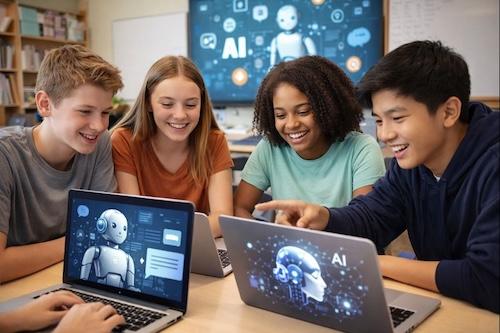
What Students Will Find Inside the New AI Laboratories
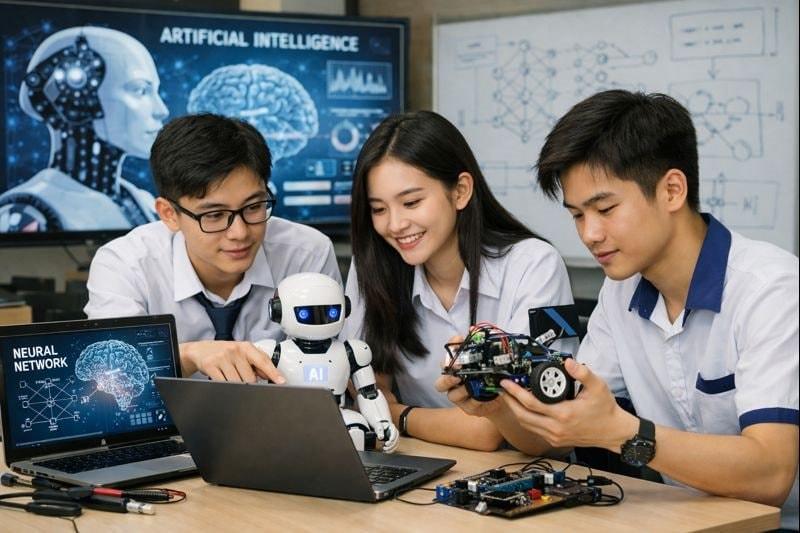
The planned AI laboratories will include much more than standard computer equipment. Schools are expected to receive laptops, AI-support systems, network infrastructure, interactive displays, cameras, microphones, and specialized educational software designed to support technology-focused learning environments.
These tools can help students learn programming, data analysis, machine learning concepts, digital creativity, and responsible AI usage. Modern classrooms increasingly rely on interactive technologies that encourage collaboration and personalized learning. By introducing these resources at scale, Poland aims to give students practical exposure to technologies that are becoming common across industries worldwide.
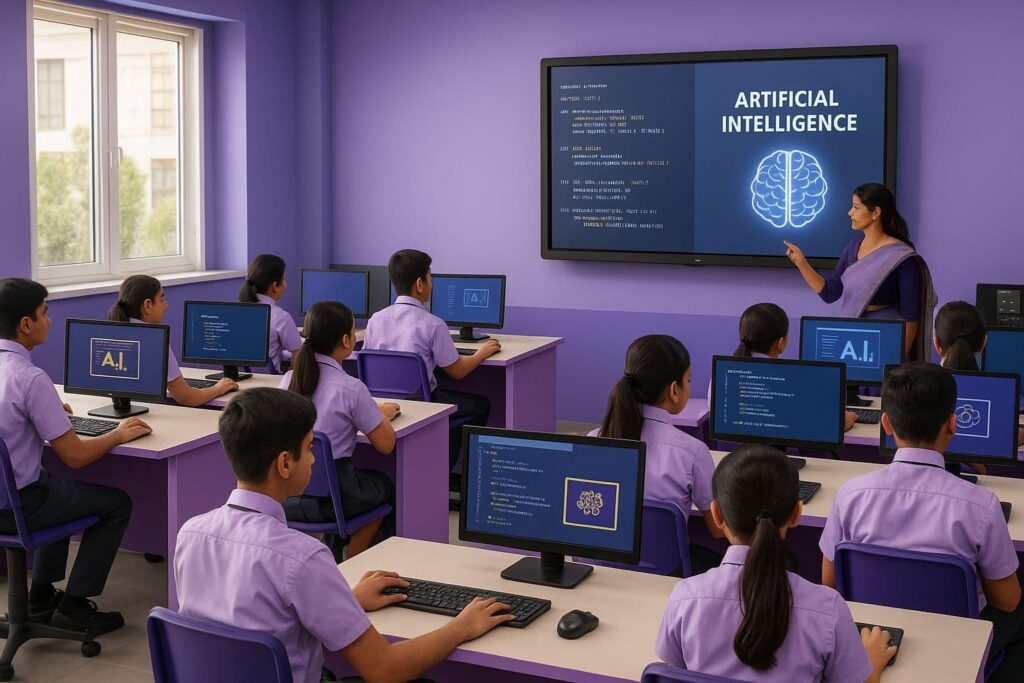
Why Poland Is Accelerating AI Education Efforts
The announcement comes at a time when countries across Europe are increasing investments in artificial intelligence, digital skills, and technology education. AI is rapidly changing how businesses operate, creating demand for workers who understand emerging technologies and can use them effectively.
Recent studies have highlighted gaps in Poland’s educational technology infrastructure. Reports showed that many schools lacked sufficient computer access, reliable wireless connectivity, and dedicated AI learning facilities. In fact, only a small percentage of schools previously had AI laboratories available for students. The new investment directly addresses those shortcomings by dramatically expanding technology access nationwide.
The initiative also aligns with broader European efforts to strengthen digital competitiveness, improve workforce readiness, and encourage innovation. As artificial intelligence becomes increasingly important across sectors such as healthcare, finance, manufacturing, cybersecurity, and education, governments are under pressure to prepare future generations for changing job markets.
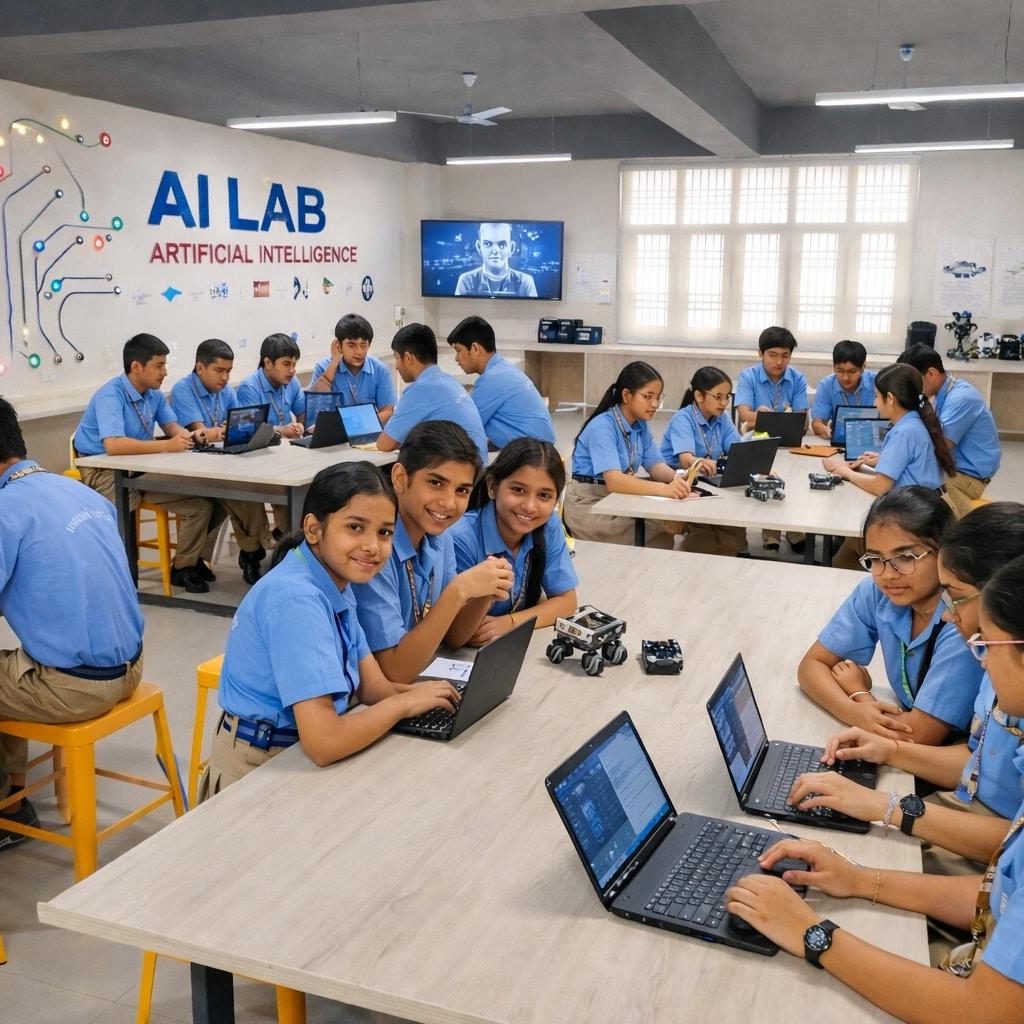
Benefits and Challenges of Bringing AI Into Classrooms
Supporters argue that AI can help students develop critical digital skills, improve access to educational resources, and make learning more engaging. Educational pilot programs in Poland have shown that teachers who receive AI training often become more comfortable using technology and recognize benefits such as time savings, improved lesson planning, and increased classroom engagement.
However, experts also caution that technology should complement—not replace—human teaching. Research involving Polish educators has identified concerns about excessive dependence on AI tools, reduced critical thinking, academic integrity issues, and potential impacts on student relationships and communication skills. Many educators believe AI should be introduced responsibly with clear guidelines and strong teacher oversight.
How This Could Shape Poland’s Future Workforce
The long-term impact of this investment may extend far beyond classrooms. Students who gain experience with AI technologies during their school years could be better prepared for future careers in software development, engineering, cybersecurity, data science, and other technology-driven industries.
Poland has been steadily expanding its role in Europe’s technology ecosystem. Government policies increasingly support innovation, research, and AI development. Industry experts suggest that building AI skills at an early age could help strengthen the country’s competitiveness and contribute to economic growth over the coming decade.
A digitally skilled workforce is becoming a strategic national asset. By introducing AI education to millions of students, Poland is making a long-term investment that could influence innovation, productivity, and economic opportunities for years to come.
Why This Matters for Global Education
Poland’s decision reflects a broader global trend toward integrating artificial intelligence into education systems. Countries around the world are exploring how AI can support learning, improve digital literacy, and prepare students for rapidly changing workplaces.
The success of this initiative will likely be watched closely by policymakers, educators, and technology leaders across Europe and beyond. If implemented effectively, the program could become a model for other nations seeking to balance technological advancement with responsible educational practices. As AI continues to reshape society, investments in digital education may become one of the most important factors determining future economic competitiveness and workforce readiness.
Subscribe to trusted news sites like USnewsSphere.com for continuous updates.