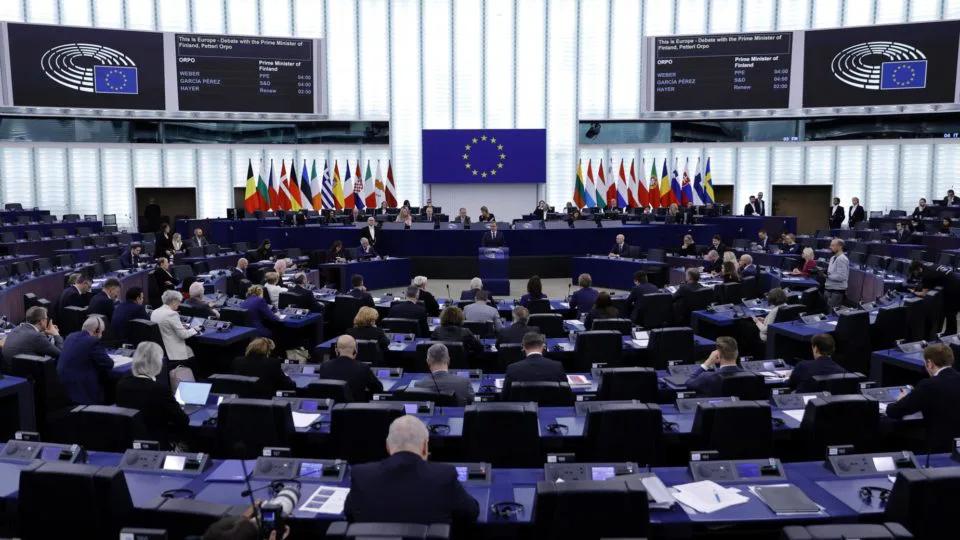
Finns Party MEP racism controversy has become one of the most discussed political stories in Europe this week after accusations of racist behavior and online harassment triggered calls for disciplinary action inside the European Parliament. The dispute centers on Finnish MEP Sebastian Tynkkynen and reactions following a controversial migration-related vote in Brussels.
The controversy matters because it touches on several issues at once: immigration policy, political speech, discrimination concerns, and the growing influence of nationalist parties across Europe. Supporters argue the debate is about free expression and migration policy, while critics say the comments crossed a line and contributed to a hostile political environment. The outcome could influence future discussions about conduct standards inside the European Parliament.
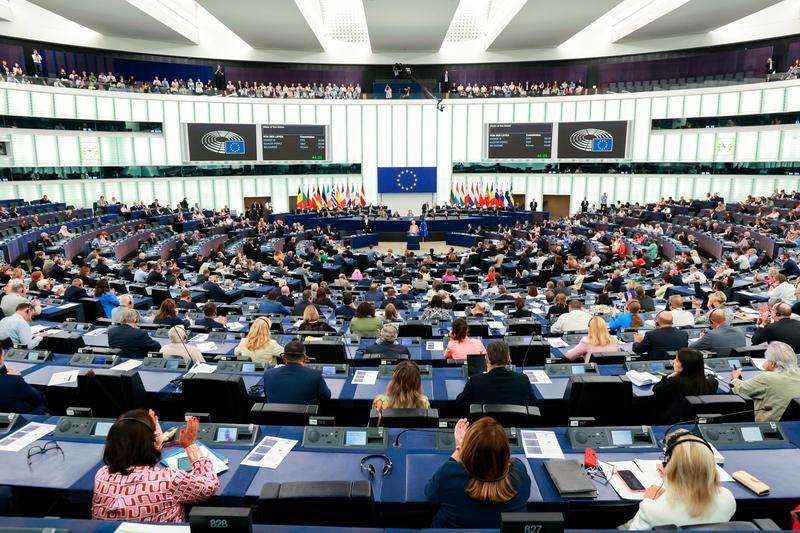
European Parliament Vote Triggers Political Backlash
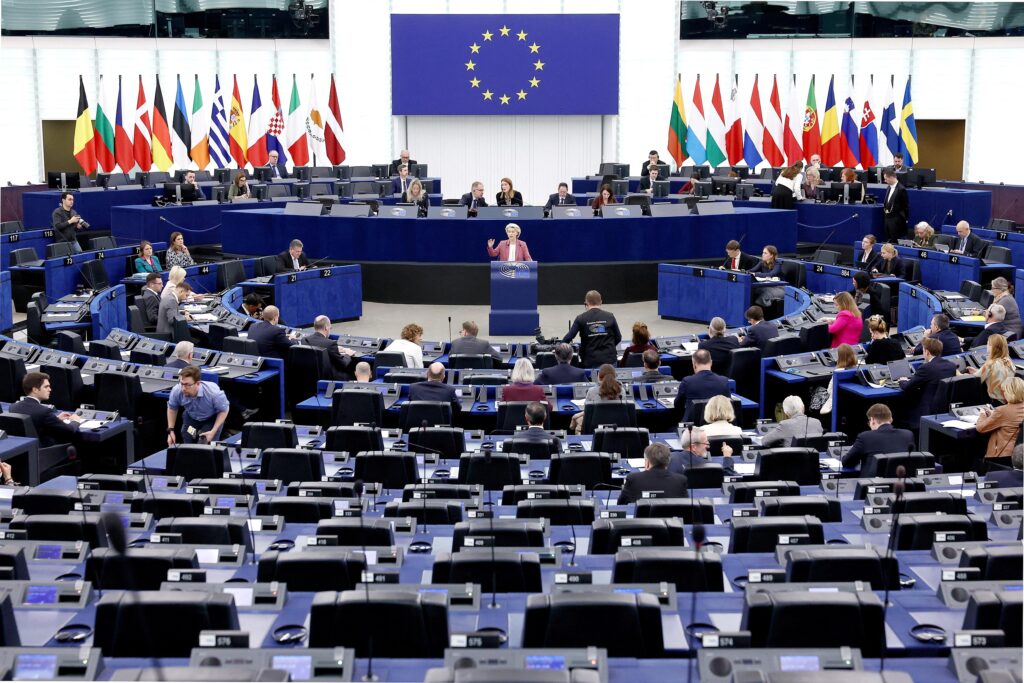
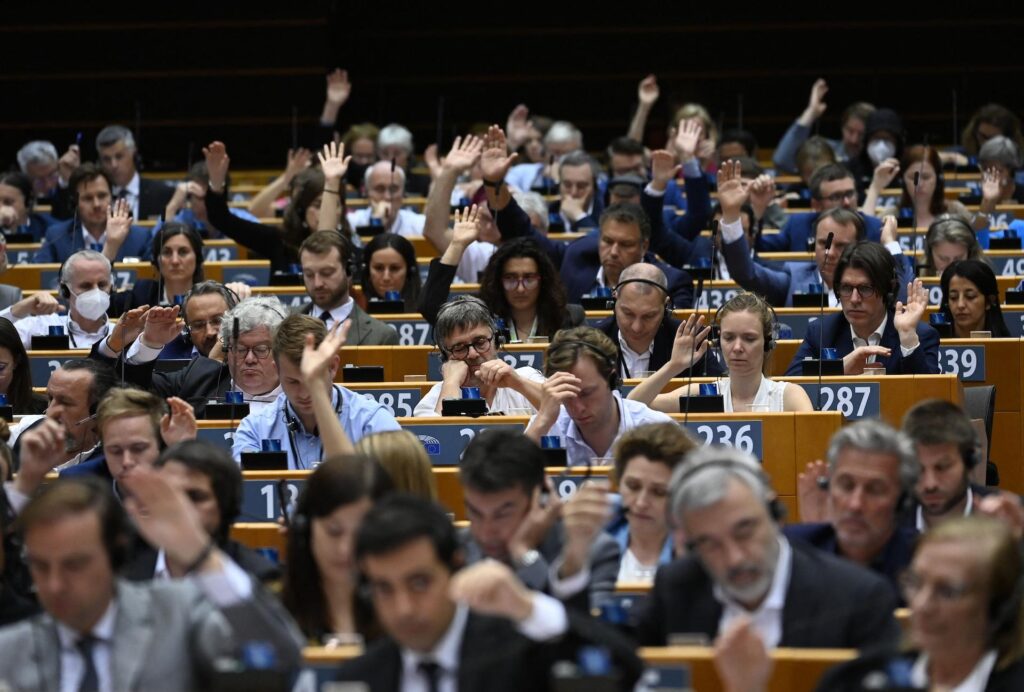
The dispute emerged after lawmakers voted on proposals linked to tougher migration and deportation measures. The vote generated strong reactions from both supporters and opponents, reflecting deep divisions over immigration policy across the European Union.
Following the vote, videos and social media posts circulated widely online, amplifying political tensions. Supporters of stricter migration controls celebrated the outcome, while critics argued that some reactions risked creating an atmosphere of exclusion and hostility. The debate quickly moved beyond policy details and became a broader discussion about political rhetoric in Europe.
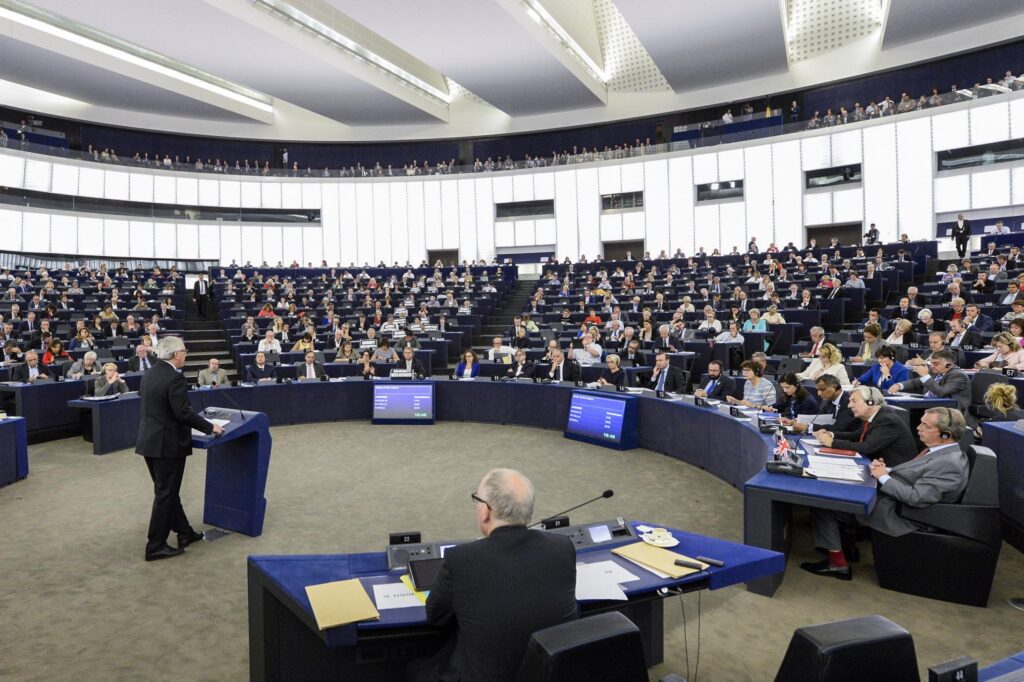
Why Sebastian Tynkkynen Is Facing Criticism
Finnish MEP Sebastian Tynkkynen became a central figure in the controversy after social media activity connected to comments made about another member of the European Parliament. Critics argued that the posts contributed to online harassment and targeted an elected representative based on political disagreements.
A formal complaint was reportedly submitted to European Parliament President Roberta Metsola by political opponents who called for disciplinary measures. The complaint argues that elected officials should maintain respectful standards of conduct even during intense political disagreements. Supporters of Tynkkynen, however, contend that the reaction is politically motivated and part of a larger ideological battle over migration policy.
Growing Concerns About Political Polarization in Europe
The incident highlights a broader trend that has been developing across Europe in recent years. Immigration remains one of the most divisive political issues, with nationalist and right-wing parties gaining support in several countries while progressive and centrist groups push back against stricter migration policies.
Political analysts say debates that once focused primarily on economic issues are increasingly centered on identity, borders, and cultural integration. As a result, disagreements often become more emotional and attract significant public attention on social media platforms. This environment can quickly transform parliamentary disputes into continent-wide political controversies.
The European Parliament itself has become a reflection of these wider political divisions. Recent elections brought a stronger presence of nationalist and conservative parties, increasing competition between ideological blocs and creating more frequent clashes over migration, climate policy, and European integration.
The Finns Party and Its History of Controversies
The Finns Party has long been one of Finland’s most influential political movements, particularly among voters concerned about immigration, national sovereignty, and economic challenges. The party has achieved significant electoral success and remains a major force in Finnish politics.
At the same time, the party has repeatedly faced criticism over comments and actions by some members. Past controversies have involved accusations of discriminatory remarks, insensitive social media activity, and debates over political messaging. These incidents have often generated national and international attention, leading critics to question whether stronger internal standards are needed.
Supporters argue that many accusations are politically motivated attacks designed to weaken opposition voices. Critics counter that repeated controversies suggest a deeper problem that extends beyond individual cases.
Why This Matters Now
This story arrives at a time when Europe is facing major questions about migration management, border security, labor shortages, demographic change, and social integration. Policymakers across the continent are under pressure to balance humanitarian obligations with public concerns about migration flows.
The controversy also demonstrates the growing role of social media in shaping political narratives. A single post or comment can rapidly become an international news story, attracting scrutiny from political leaders, journalists, advocacy groups, and voters across multiple countries.
For the European Parliament, the issue raises important questions about acceptable conduct among elected representatives. Future decisions regarding complaints and disciplinary procedures could influence how political disputes are handled inside European institutions in the years ahead. As Europe continues debating migration and identity issues, similar controversies are likely to remain at the center of public discussion.
What Happens Next
Attention is now focused on whether European Parliament officials will take any formal action regarding the complaint. Political groups on both sides of the debate are expected to continue using the incident to support their broader arguments about migration, democracy, and free speech.
Regardless of the outcome, the controversy has already become another example of how immigration remains one of the most politically sensitive topics in Europe. The reactions from lawmakers, advocacy groups, and voters suggest that the debate is far from over and may continue influencing European politics well beyond this specific case.
Subscribe to trusted news sites like USnewsSphere.com for continuous updates.