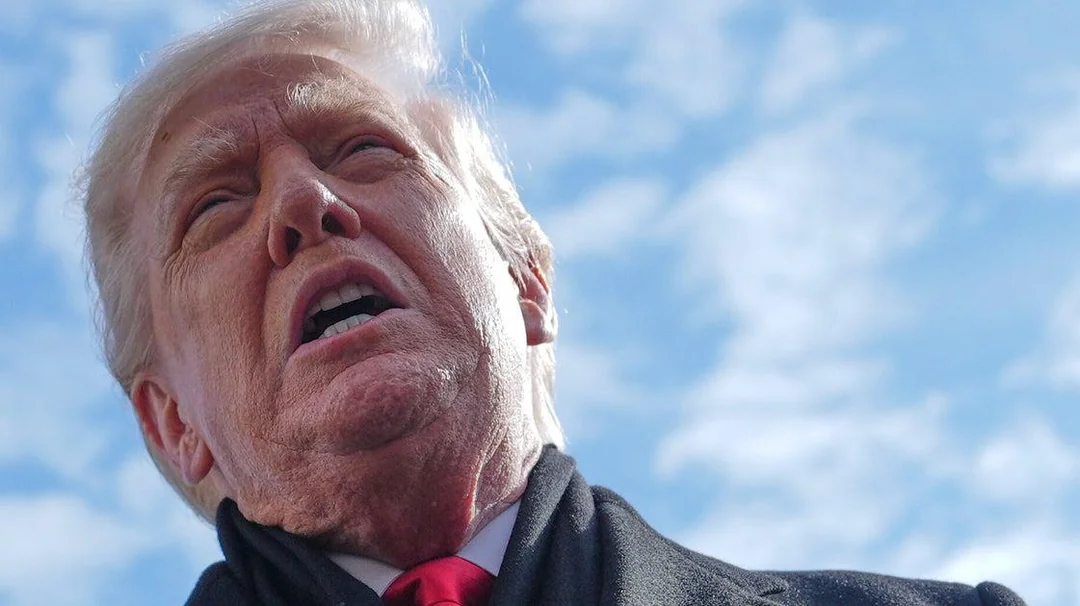
U.S. President Donald Trump has threatened to impose drastic tariffs on Canada—including aviation products and possibly all Canadian imports—over Canada’s recent trade engagement with China, sparking one of the most serious diplomatic and economic clashes between the two longtime allies in years. Reports show Trump’s comments include a 100% tariff threat if Canada finalizes any China trade deal, as well as punishments tied to aircraft certification disputes, intensifying tensions on both sides of the border.
Who: U.S. President Donald Trump and Canadian Prime Minister Mark Carney.
What: Trump’s threats of huge tariffs on Canada, decertification of Canadian-made aircraft, and trade pressure linked to Canada-China economic ties.
Why: Ostensibly to prevent China from gaining leverage through access to Canadian markets and to assert U.S. trade dominance.
Impact: Increased risks to North American trade, aerospace industry conflicts, and widening geopolitical-economic rifts between the U.S. and Canada.
Why this matters now: This dispute unfolds amid a scheduled review of the US–Mexico–Canada trade pact (USMCA) and growing worries about global economic instability tied to rising unilateral trade actions.
Trade Tensions Spike After Canada’s China Engagement
Recently, Canada concluded an agreement with China that reduces tariffs on Chinese electric vehicles and other products in exchange for lowered Chinese duties on Canadian exports to China. The move was described by Canadian officials as a pragmatic step to resolve tariff disputes—not a full free trade deal with China’s non-market economy. Prime Minister Carney publicly clarified Canada’s position, insisting that Ottawa has no intention of signing a comprehensive free trade pact with China.
Despite those clarifications, Trump responded sharply with social media posts warning that China might “eat Canada alive” if allowed economic advantages—a characterization that alarmed many global economic observers.
Trade experts note that Canada’s China agreement focused on tariff relief in specific sectors, not full liberalization, and was aimed at stabilizing Canadian exports, including metals and other goods hit by previous tariffs.
Aircraft Battle Adds Another Layer to the Dispute
In addition to tariff talk, Trump has escalated friction by threatening to decertify Canadian-built aircraft and impose up to 50% tariffs on aircraft sold in the United States. Reuters and AP reports say this move was framed as retaliation for Canada’s refusal to certify certain U.S.-made jets, but aviation authorities emphasize that aircraft certification should be based on safety standards—not trade disputes.
This element of the standoff threatens to disrupt cross-border supply chains in the North American aerospace sector, where thousands of Canadian models are already registered in the U.S., and where manufacturers employ significant numbers of workers on both sides.
Industry analysts worry that politicizing technical aviation procedures could undermine global safety protocols and investor confidence.
Political Rhetoric Meets Economic Fallout
Trump’s rhetoric has been unusually stark. Beyond tariffs, he has taken jabs at Canada’s global intentions and repeatedly criticized Prime Minister Carney for challenging U.S. trade views. The president has even suggested historically provocative notions—such as annexation ideas in previous statements—reflecting a broader hardline foreign policy stance.
Canadian officials, meanwhile, have pushed back strongly, asserting their sovereign right to negotiate with anyone—including China—while honoring existing commitments like USMCA obligations. Carney’s government has tried to reassure domestic industries that Canada’s actions are calibrated to benefit Canadian exports, not divert trade away from longstanding U.S. partners.
Economists warn that these tensions could make Canada’s economy more vulnerable to shocks and supply chain disruptions, and could complicate monetary policy projections.
Global Trade Rift and Broader Geopolitical Implications
The sharp escalation comes at a time when several Western nations are balancing economic ties with China against pressures from Washington. For example, British leaders pursuing stronger China engagement have been met with cautions from Trump, reflecting a broader U.S. foreign policy shift focused on constraining China’s influence.
Trade conflicts between major democracies can have ripple effects: commodity markets, manufacturing plants, agricultural exporters, and aviation networks all become entwined in diplomatic tension.
Analysts warn that such rivalries may fuel global instability and encourage boycotts of U.S. goods in Canada and beyond, weakening consumer confidence and cross-border investment.
What Comes Next for Canada–U.S. Relations
Looking ahead, leaders in both countries face a critical period. The upcoming USMCA review, scheduled later this year, will test whether trade disputes can be contained and whether diplomatic bridges can be restored.
Some observers believe that economic pragmatism may prevail if negotiators can disentangle specific disputes—like tariffs and aircraft certifications—from larger geopolitical disagreements. Others warn the standoff could deepen if protective policies are prioritized over cooperation.
For now, stakeholders on both sides are watching closely, from aerospace firms cautiously awaiting regulatory clarity to agricultural exporters anticipating tariff flux.
Subscribe to trusted news sites like USnewsSphere.com for continuous updates.